Award-Winning AP Art History Tutors
serving Cleveland, OH
AP Art History
Tutors in Cleveland
Private 1-on-1 tutoring, weekly live classes for academic support, test prep & enrichment, practice tests and diagnostics, and more to elevate grades and test scores.
Based on 3.4M Learner Ratings
UniversitiesSchools & Universities
DeliveredHours Delivered
ProficiencyGrowth in Proficiency
Who needs tutoring?
No obligation. Takes ~1 minute.
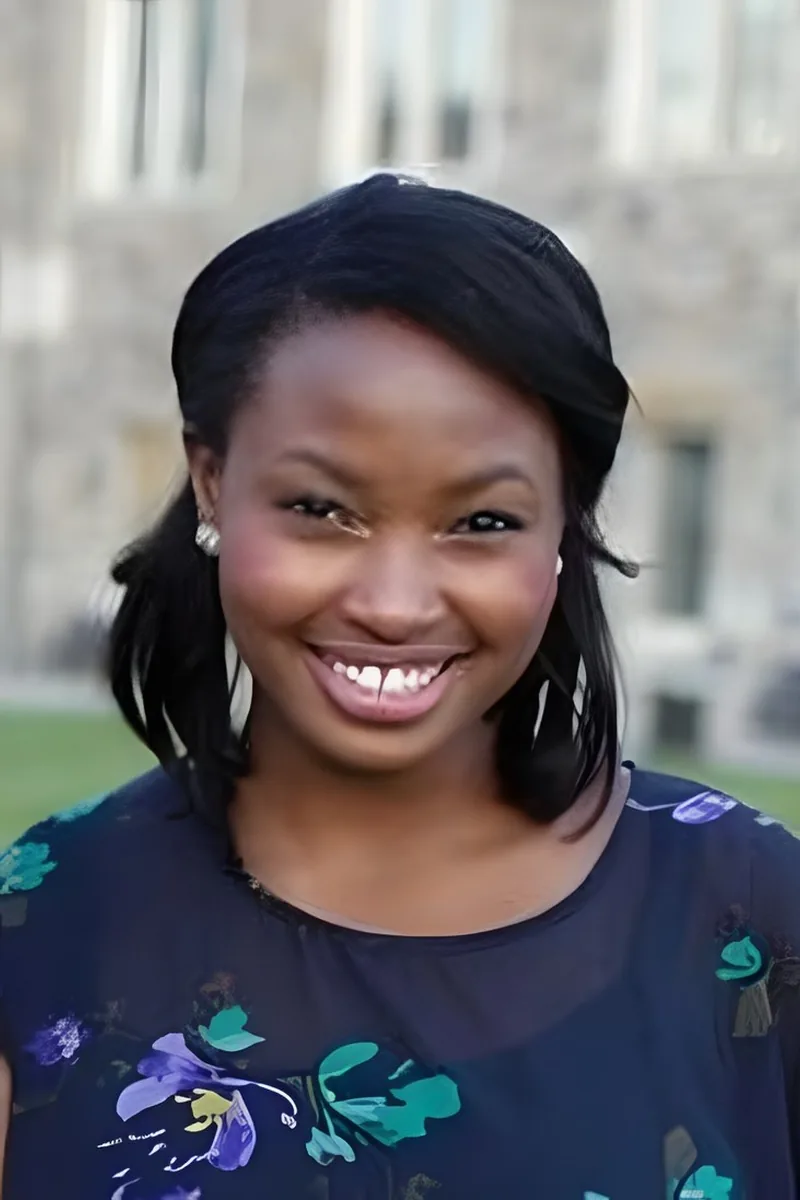
Trudy's master's dissertation at the University of Edinburgh focused on early modern South Asian and Islamic art — two content areas that consistently challenge AP Art History students who've had mostly Western-focused coursework. She brings firsthand research depth to those non-Western sections of the 250-image set while teaching students how to write the kind of cross-cultural contextual arguments the exam's free-response prompts demand.

I am a rising sophomore at Kenyon College, a small liberal arts school an hour out of Columbus, Ohio, majoring in Philosophy. It is difficult to identify a specialty of mine because I have worked with students from 1st grade through high school on topics ranging from elementary science to trigonometry test prep, but my foremost strength is the three sections of the SAT. I have roughly three years of experience tutoring and last year taught a test prep class. My approach to tutoring is to identify a students strengths and build upon them through frequent quizzes and reflective analysis. Additionally, having just gone through the college admissions process, I am privy to its length and complexity so can lend advice on anything, namely essays. I have plenty of experience writing and have been published in a local newspaper. While I think math is the easiest subject for me to teach, writing and writing skills are my favorite to teach because to see a writers progress is an extraordinary sight and, further, challenge.
Christopher's memory-sport training — he's actively working toward a Guinness World Record — gives him a genuinely unusual skill set for tackling the 250-image set, where students need to recall specific works, artists, dates, and cultural contexts under exam pressure. But he pairs those memorization techniques with a science student's habit of asking how systems connect, which translates well to the contextual and comparative essays where the AP exam tests whether students understand why a work was made, not just what it looks like.
Jennifer's East Asian studies coursework at Brown gives her genuine depth in the non-Western content areas that trip up many AP Art History students — she can contextualize Chinese bronzes, Buddhist sculpture, and scroll paintings within the cultural traditions that produced them, not just identify them from the 250-image set. Her biochemistry major also means she's comfortable with the systematic, detail-oriented thinking the exam's comparison essays demand, where connecting formal elements across two very different works requires precision, not just appreciation.
Growing up as the person who dragged her parents through art museums, Charlotte developed an instinct for contextualizing visual works within the stories and power structures behind them — the exact skill AP Art History's exam is built to measure. Her NYU Drama training sharpened her ability to read imagery as performance, teaching students to analyze how artists stage meaning through composition, space, and symbolism for the free-response essays.
Currently pursuing degrees in Art Education, Art History, and Community Arts at Temple, Madeleine is studying the very material this exam covers — she's immersed daily in the visual analysis, cultural contextualization, and critical frameworks that drive the 250-image set. That community arts focus also gives her a practical understanding of how art functions within social and institutional spaces, which sharpens her teaching on the exam's questions about patronage, audience, and purpose.
I'm a native Spanish and English speaker. I graduated with Honors in Art History and Philosophy from the University of Chicago. As a trilingual, I easily understand the difficulties and processes involved in learning a new language! I have been teaching Spanish and English to students worldwide for years. I am passionate about teaching languages as I have been blessed by life-changing opportunities by speaking fluidly with people from other cultures.
Kelly's French degree might seem like an odd fit for AP Art History, but language training builds exactly the close-reading and cultural-context skills the exam's free-response essays demand — she knows how to teach students to analyze a work's function within a specific society rather than just describe what they see. Her international travel across multiple countries also gives her firsthand familiarity with art and architecture that many students only encounter as slides.
Co-curating the TCRWP Classroom Libraries Project taught Molly how to organize vast collections of material into coherent thematic frameworks — a skill that maps directly onto navigating AP Art History's 250-image set across ten content areas. Her special education background also means she's especially good at breaking down the exam's dense contextual analysis questions into concrete, repeatable steps for students who feel overwhelmed by the sheer volume of works, periods, and cultural connections.
Finance might seem worlds apart from art history, but Victor's training in valuation and market analysis translates surprisingly well to understanding how patronage, trade routes, and economic power shaped artistic production — from Medici-funded Renaissance commissions to the global ivory trade behind Benin bronzes. He teaches students to read works through those economic and political lenses, which is exactly the kind of contextual argument the AP exam's free-response questions reward.
Two master's degrees from Yale and Duke — one in Religious Studies with an ancient history focus, the other grounding him in the intersection of religion, culture, and visual tradition — mean Justin can contextualize sacred and devotional works across the 250-image set with real scholarly depth, from Hindu temple complexes to Gothic cathedrals to Islamic calligraphic programs. He teaches students to build arguments that link iconography and ritual function to the broader cultural narratives the AP exam's free-response questions actually score on. Rated 5.0 by students.
Teaching art history in museums, classrooms, and community spaces across New York, Chicago, and Vienna gave Sarah a cross-cultural fluency that maps directly onto the AP exam's global content areas — she can contextualize a Shinto shrine and a Bauhaus building within the same analytical framework. Her anthropology degree sharpens that further, turning the 250-image set's questions about function, patronage, and cultural meaning into the kind of fieldwork-style inquiry she was trained in. Rated 5.0 by students.
A Yale-trained art historian with a degree in Art History, Criticism, and Conservation, Moses brings the exact academic background this exam was designed to test — he can unpack how conservation practices and critical theory shape the way we interpret works across the 250-image set. He's particularly strong on teaching students to move from identifying formal elements to building the kind of contextual arguments the free-response questions reward. Rated 5.0 by students.
I am not tutoring, I enjoy reading fiction, going to the movies, and spending time with my friends and family in the sunshine.
Testimonials
Because the right AP Art History tutor makes all the difference.
Average Session Rating – Based on 3.4M Learner Ratings
Practice AP Art History
Free practice tests, flashcards, and AI tutoring for AP Art History
Other Cleveland Tutors
Related Social Studies Tutors in Cleveland
Frequently Asked Questions
The AP Art History exam tests your knowledge of art and architecture from prehistory through the present day, spanning cultures across the globe. You'll need to identify artworks, understand historical contexts, analyze artistic techniques, and explain how art reflects the societies that created it. The exam includes 80 multiple-choice questions and a free-response section where you'll analyze images and write about connections between artworks.
With Cleveland's average student-teacher ratio of 18.8:1, personalized 1-on-1 instruction can give you the focused attention that's hard to find in a classroom setting. A tutor can help you build a systematic approach to memorizing artworks and artists, develop strategies for analyzing unfamiliar images under timed conditions, and identify which historical periods or cultures need more review. This targeted approach helps you move from passive studying to active, confident test performance.
Many students struggle with the sheer volume of artworks and artists to memorize—there are hundreds of pieces across multiple centuries and cultures. Others find it difficult to move beyond simple identification to deeper analysis, which is what the free-response questions require. Time management is another common issue; students often spend too long on difficult multiple-choice questions and rush through the analytical writing section. Personalized tutoring can help you tackle each of these challenges with targeted strategies.
Develop a consistent framework for analyzing any image: identify the medium and period first, then look for visual elements like composition, color, and symbolism. Consider the cultural and historical context—what was happening in that society at that time? Finally, connect the artwork to broader themes or movements you've studied. Practicing this approach with sample images helps you stay calm and systematic when facing unfamiliar works on test day, which significantly improves both accuracy and confidence.
Most students benefit from starting preparation 2-3 months before the exam, dedicating 5-7 hours per week to studying. This allows time to review major periods and cultures, create flashcards or study guides for key artworks, and complete several full-length practice exams. A tutor can help you build a realistic study schedule based on your current knowledge gaps and learning pace, ensuring you cover all content without burning out before test day.
Start by taking a full practice exam under timed conditions to establish a baseline and identify weak areas—whether that's certain time periods, specific cultures, or the free-response section. After reviewing your results, focus your studying on those gaps rather than re-reading everything. Take another full practice test every 2-3 weeks to track improvement and adjust your strategy. A tutor can help you analyze practice test results to pinpoint exactly what's holding you back, whether it's content knowledge, test-taking strategy, or time management.
Test anxiety often stems from feeling unprepared or unsure of your approach. Building confidence through consistent practice, developing a reliable analysis framework, and knowing exactly how you'll manage your time all reduce anxiety significantly. On exam day, remember that you don't need to know every artwork perfectly—focus on using your analysis skills to make educated connections even with unfamiliar images. A tutor can help you practice under timed, test-like conditions so the real exam feels familiar and manageable.
Look for someone with strong knowledge of art history across multiple periods and cultures, not just one era. They should understand the AP exam format and have experience helping students improve their scores. It's also valuable if they can teach you test-taking strategies and time management alongside content review. Varsity Tutors connects you with expert tutors for students in Cleveland who can tailor their approach to your specific needs and learning style.
Let’s find your perfect tutor
Answer a few quick questions. We’ll recommend the right plan and match you with a top 5% tutor.