Award-Winning AP Art History Tutors
serving Akron, OH
AP Art History
Tutors in Akron
Private 1-on-1 tutoring, weekly live classes for academic support, test prep & enrichment, practice tests and diagnostics, and more to elevate grades and test scores.
Based on 3.4M Learner Ratings
UniversitiesSchools & Universities
DeliveredHours Delivered
ProficiencyGrowth in Proficiency
Who needs tutoring?
No obligation. Takes ~1 minute.
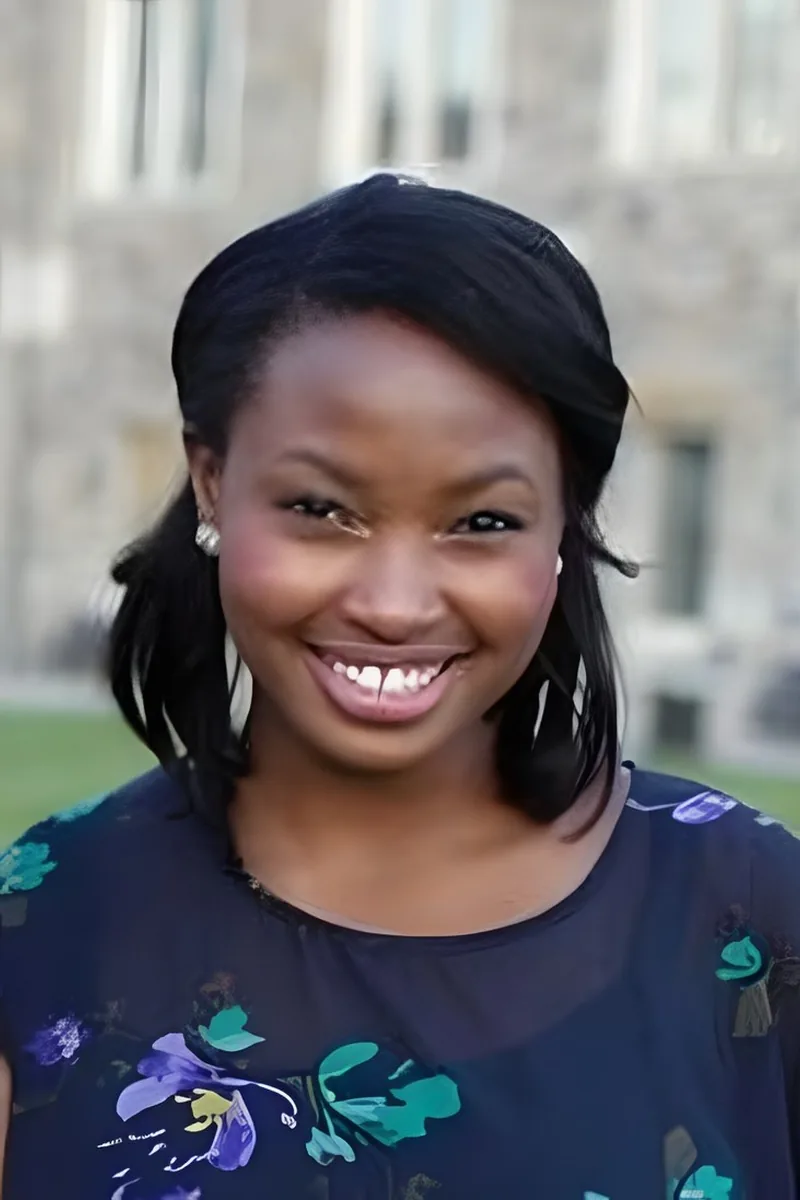
Trudy's master's dissertation at the University of Edinburgh focused on early modern South Asian and Islamic art — two content areas that consistently challenge AP Art History students who've had mostly Western-focused coursework. She brings firsthand research depth to those non-Western sections of the 250-image set while teaching students how to write the kind of cross-cultural contextual arguments the exam's free-response prompts demand.

I am a rising sophomore at Kenyon College, a small liberal arts school an hour out of Columbus, Ohio, majoring in Philosophy. It is difficult to identify a specialty of mine because I have worked with students from 1st grade through high school on topics ranging from elementary science to trigonometry test prep, but my foremost strength is the three sections of the SAT. I have roughly three years of experience tutoring and last year taught a test prep class. My approach to tutoring is to identify a students strengths and build upon them through frequent quizzes and reflective analysis. Additionally, having just gone through the college admissions process, I am privy to its length and complexity so can lend advice on anything, namely essays. I have plenty of experience writing and have been published in a local newspaper. While I think math is the easiest subject for me to teach, writing and writing skills are my favorite to teach because to see a writers progress is an extraordinary sight and, further, challenge.
David's liberal arts training in English and critical reading translates well to AP Art History, where the real challenge isn't memorizing the 250-image set but writing tightly argued essays that connect visual evidence to cultural context. He treats each work like a text to be read — teaching students to identify formal choices, ask what they communicate, and build that analysis into the kind of structured prose the free-response questions reward.
A Yale-trained art historian with a degree in Art History, Criticism, and Conservation, Moses brings the exact academic background this exam was designed to test — he can unpack how conservation practices and critical theory shape the way we interpret works across the 250-image set. He's particularly strong on teaching students to move from identifying formal elements to building the kind of contextual arguments the free-response questions reward. Rated 5.0 by students.
Leading debates on Senate bills with high schoolers at the Edward M. Kennedy Institute taught Danlan how to make students argue from evidence about institutions, power, and policy — skills that transfer directly to AP Art History's free-response essays on patronage, governance, and the cultural forces behind artistic production. Her international relations degree adds genuine depth when students need to contextualize works across non-Western political and religious traditions. Rated 5.0 by students.
Teaching high school history daily means Ben already walks students through the political upheavals, religious shifts, and colonial encounters that AP Art History's contextual questions demand — he just adds the visual layer on top of a narrative framework students already trust. His creative writing training also sharpens the free-response side, where building a clear analytical argument about a work's function or meaning matters as much as recognizing the image. Rated 5.0 by students.
The AP Art History exam asks students to do something surprisingly difficult: look at an image they may have never seen and write a convincing argument about its cultural context in minutes. Monitha's philosophy background at Michigan sharpened exactly that skill — constructing tight, evidence-based claims under pressure. She teaches students to move between visual analysis and historical argumentation without losing the thread.
Public health is fundamentally about how societies organize around shared values — sanitation, access, equity — and that same lens applies surprisingly well to AP Art History, where students need to explain how cultural priorities and social structures shaped everything from Egyptian funerary art to WPA murals. Shripal teaches students to read works as artifacts of the communities that produced them, connecting form and function to the public forces behind them. Rated 5.0 by students.
Frances's Master's in Literature and the Humanities means she's spent years tracing how intellectual movements, religious thought, and political upheaval shape creative expression — the exact kind of contextual reasoning AP Art History's essay prompts demand. She teaches students to read a work's iconography and formal choices as arguments rooted in a specific cultural moment, then translate that analysis into structured, evidence-driven prose. Rated 5.0 by students.
Most students walk into AP Art History expecting a slide-memorization marathon and quickly discover the exam actually tests contextual analysis — explaining how a Benin bronze reflects trade networks or why Baroque architecture served Counter-Reformation goals. Sarah's interdisciplinary background in political science and her love of art give her a natural framework for connecting visual works to the power structures and cultural movements behind them. She teaches students to build the kind of comparative arguments the free-response questions demand.
This is Shelby's home turf. As Assistant Curator of Visual Resources in Vanderbilt's History of Art department, she works daily with the kinds of images, architectural plans, and cultural objects that appear on the AP Art History exam. She breaks down the 250-image set by teaching students to compare works across time periods using formal analysis vocabulary — line, composition, patronage, function — rather than brute-force memorization.
Studying for a degree in secondary history and government education with an art history minor at the University of Kansas, Emma is building the exact academic foundation this exam covers — the intersections of political systems, cultural movements, and artistic production. She's especially effective at teaching students how debates over power and governance show up in visual culture, from ancient civic architecture to Cold War–era public art. Rated 5.0 by students.
A practicing photographer with an MFA from SCAD, Emily brings real fluency in visual analysis to AP Art History — she teaches students to move past surface description and articulate how form, context, and function intersect in works from the Global Prehistory image set through contemporary installations. Her background in both studio art and academic writing makes the comparison essay feel far less intimidating.
Studying architecture at Columbia means Andrew doesn't just recognize Bernini's colonnade or Le Corbusier's Villa Savoie — he understands the structural, cultural, and theoretical ideas behind them. That depth is exactly what AP Art History requires, since the exam asks students to analyze visual evidence and connect works to broader historical contexts across global traditions. He walks students through how to write concise comparative essays that earn full marks.
Testimonials
Because the right AP Art History tutor makes all the difference.
Average Session Rating – Based on 3.4M Learner Ratings
Practice AP Art History
Free practice tests, flashcards, and AI tutoring for AP Art History
Other Akron Tutors
Related Social Studies Tutors in Akron
Frequently Asked Questions
AP Art History covers art and architecture from prehistoric times through the present day, organized into four time periods: Global Prehistory and Antiquity, Global Middle Ages through Early Modern Period, Later European and American Art, and Global Contemporary. The exam tests your ability to identify artworks, understand historical context, analyze artistic techniques, and make connections across cultures and time periods. A tutor can help you develop strategies for memorizing key works and understanding the broader themes that connect them.
The exam consists of two sections: a 60-minute multiple-choice section with 80 questions, and a 105-minute free-response section with four essays (short answers and longer analytical essays). The multiple-choice section tests identification and comprehension, while the free-response section requires you to analyze artworks, compare pieces across cultures, and connect art to historical context. Many students find the free-response section challenging because it requires both knowledge and strong analytical writing skills—areas where personalized tutoring can make a significant difference.
Students typically struggle with memorizing the large volume of artworks and their historical contexts, distinguishing between similar styles or periods, and writing analytical essays that go beyond description. Time management is another common issue—the multiple-choice section requires quick identification, while the free-response section demands careful analysis. A tutor can help you develop efficient memorization strategies, teach you how to quickly analyze an artwork's key features, and coach you on essay structure and argumentation.
AP scores range from 1 to 5, with 3 or higher typically considered passing and eligible for college credit at most institutions. A score of 4 or 5 demonstrates strong mastery of the course material and analytical skills. Your target score depends on your college goals and the schools you're applying to—many competitive universities look favorably on scores of 4 or 5. A tutor can help you assess your current level, identify gaps in your knowledge, and create a study plan to reach your goal score.
Most students benefit from consistent preparation over several months, ideally starting 3-4 months before the exam in May. This allows time to work through all four time periods, practice identifying artworks, and develop strong essay-writing skills. If you're starting closer to the exam date, intensive tutoring sessions combined with focused self-study can help you prioritize the most important content and test-taking strategies. A tutor can create a customized study schedule based on your current knowledge and target score.
Practice tests are essential for AP Art History success because they help you get comfortable with the exam format, practice time management, and identify which artworks or time periods you need to study more. Taking full-length practice tests under timed conditions reveals pacing challenges and helps reduce test anxiety. A tutor can review your practice test results with you, point out patterns in the questions you're missing, and teach you strategies for approaching different question types more effectively.
Strong AP Art History essays require you to move beyond description and demonstrate analytical thinking—explaining why an artwork matters historically, how it reflects its cultural context, and how it connects to other works. Common mistakes include spending too much time describing what you see and not enough time analyzing significance, or failing to use specific art historical vocabulary. A tutor can teach you a reliable essay structure, help you practice analyzing artworks quickly, and give you feedback on your writing to strengthen your arguments and historical analysis.
Varsity Tutors connects you with expert tutors for AP Art History for students in Akron who have deep knowledge of art history content and proven experience helping students prepare for the AP exam. When you work with a tutor, you get personalized 1-on-1 instruction tailored to your learning style, your current knowledge gaps, and your target score. You can discuss your schedule and goals, and your tutor will create a customized study plan focused on the areas where you need the most help.
Let’s find your perfect tutor
Answer a few quick questions. We’ll recommend the right plan and match you with a top 5% tutor.