Award-Winning AP Art History Tutors
serving Dayton, OH
AP Art History
Tutors in Dayton
Private 1-on-1 tutoring, weekly live classes for academic support, test prep & enrichment, practice tests and diagnostics, and more to elevate grades and test scores.
Based on 3.4M Learner Ratings
UniversitiesSchools & Universities
DeliveredHours Delivered
ProficiencyGrowth in Proficiency
Who needs tutoring?
No obligation. Takes ~1 minute.
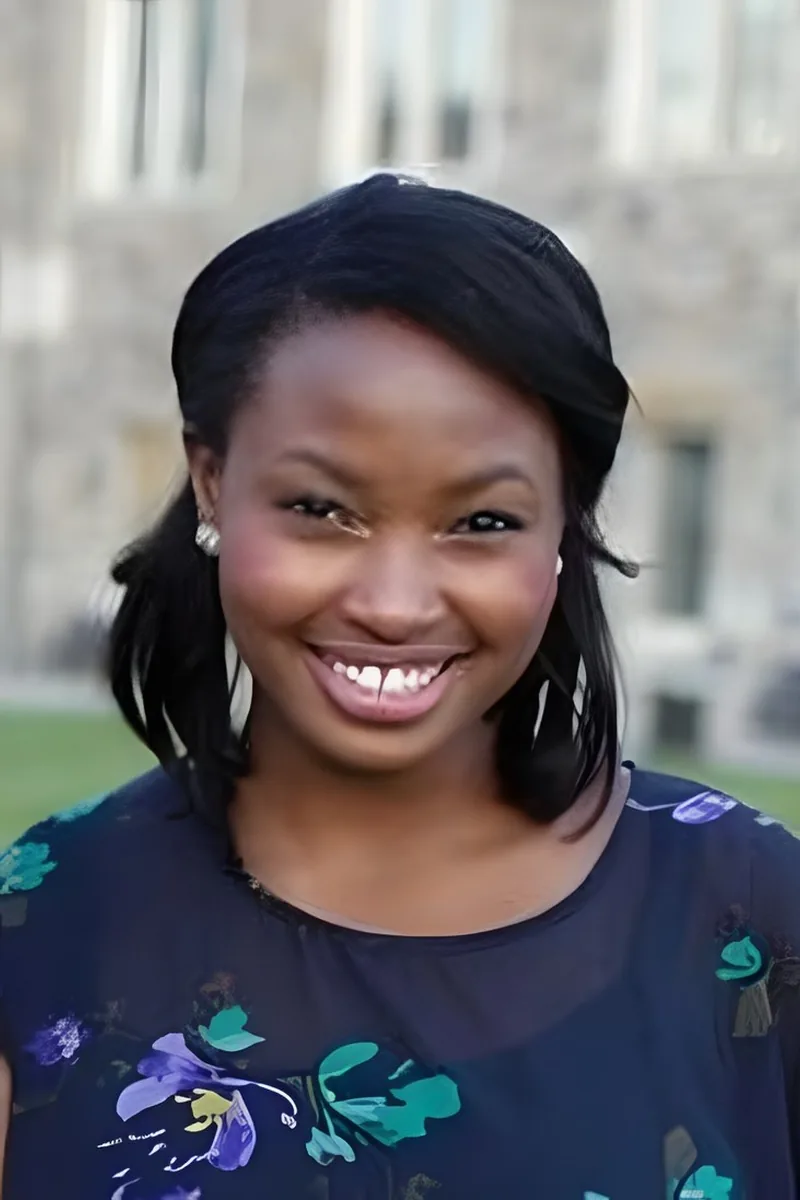
Trudy's master's dissertation at the University of Edinburgh focused on early modern South Asian and Islamic art — two content areas that consistently challenge AP Art History students who've had mostly Western-focused coursework. She brings firsthand research depth to those non-Western sections of the 250-image set while teaching students how to write the kind of cross-cultural contextual arguments the exam's free-response prompts demand.

I am a rising sophomore at Kenyon College, a small liberal arts school an hour out of Columbus, Ohio, majoring in Philosophy. It is difficult to identify a specialty of mine because I have worked with students from 1st grade through high school on topics ranging from elementary science to trigonometry test prep, but my foremost strength is the three sections of the SAT. I have roughly three years of experience tutoring and last year taught a test prep class. My approach to tutoring is to identify a students strengths and build upon them through frequent quizzes and reflective analysis. Additionally, having just gone through the college admissions process, I am privy to its length and complexity so can lend advice on anything, namely essays. I have plenty of experience writing and have been published in a local newspaper. While I think math is the easiest subject for me to teach, writing and writing skills are my favorite to teach because to see a writers progress is an extraordinary sight and, further, challenge.
Public health is fundamentally about how societies organize around shared values — sanitation, access, equity — and that same lens applies surprisingly well to AP Art History, where students need to explain how cultural priorities and social structures shaped everything from Egyptian funerary art to WPA murals. Shripal teaches students to read works as artifacts of the communities that produced them, connecting form and function to the public forces behind them. Rated 5.0 by students.
Volunteering at an ancient art museum, Sophie designed classes and presentations that taught visitors to read objects in their historical and cultural context — exactly the skill AP Art History's free-response questions test. Her Yale Humanities curriculum immerses her in the cross-disciplinary thinking the exam demands, from philosophical frameworks to political systems that shaped artistic patronage and production. Rated 5.0 by students.
Studying film production gave Isaiah a trained eye for visual composition, which translates directly to the kind of formal analysis AP Art History demands. He teaches students to move beyond identifying a work's period and instead articulate how line, space, color, and context create meaning. That skill turns the exam's image-based questions from intimidating to manageable.
Traveling extensively across cultures gave Mat a firsthand sense of how art functions differently depending on its social and historical setting — the kind of cross-cultural thinking that drives AP Art History's contextual analysis questions. His history minor at NYU's Stern School of Business sharpened his ability to connect artistic production to broader economic and political forces, especially around patronage and trade. He teaches students to build arguments that link formal details to these larger narratives, which is where the exam's free-response points actually live.
Philosophy trains you to dissect arguments, trace ideas across centuries, and write with precision — three skills that map directly onto AP Art History's demand for contextual analysis and evidence-driven free-response essays. Patrick applies that philosophical lens to the 250-image set, teaching students to treat works as visual arguments shaped by the belief systems, ethical debates, and intellectual movements of their time.
Art history isn't just about identifying works — it's about explaining why a Gothic cathedral communicates power differently than a Mughal miniature. Jorge's anthropology background gives him a sharp eye for how art functions within its cultural context, from ritual objects in pre-Columbian societies to propaganda in twentieth-century regimes. He teaches students to build the kind of contextual analysis that earns top marks on the AP exam's essays.
MiMi is currently pursuing the same degree the AP Art History exam was built around — Art History, Criticism, and Conservation — at Stanford, which means she's actively studying the critical methodologies and conservation debates that underpin the course's approach to the 250-image set. Her coursework in modern languages also strengthens her ability to teach students how non-Western and cross-cultural works communicate meaning through form and context. A 34 ACT reflects the kind of sharp analytical reading that translates directly to the exam's timed essays.
Working as a museum educator at the Hudson River Museum, Vivian does daily what the AP Art History exam asks students to do on paper — she walks people through artworks and teaches them to see how historical context, religious function, and patronage shaped what ended up on the wall. Her Fordham training in theology, philosophy, and Medieval Studies gives her particular depth with the sacred and medieval works in the 250-image set, where understanding iconography and liturgical purpose is the difference between describing a work and actually analyzing it. Rated 5.0 by students.
Jennifer's East Asian studies coursework at Brown gives her genuine depth in the non-Western content areas that trip up many AP Art History students — she can contextualize Chinese bronzes, Buddhist sculpture, and scroll paintings within the cultural traditions that produced them, not just identify them from the 250-image set. Her biochemistry major also means she's comfortable with the systematic, detail-oriented thinking the exam's comparison essays demand, where connecting formal elements across two very different works requires precision, not just appreciation.
Eight years of ESL tutoring taught Danya something most AP Art History tutors skip — how to make unfamiliar cultural contexts accessible to students who don't share them, which is exactly what the exam demands when it asks students to interpret works across ten global content areas. Her English training at Columbia sharpens the writing side, where she coaches students to build the kind of thesis-driven free-response essays that turn visual observations into persuasive cultural arguments.
David's liberal arts training in English and critical reading translates well to AP Art History, where the real challenge isn't memorizing the 250-image set but writing tightly argued essays that connect visual evidence to cultural context. He treats each work like a text to be read — teaching students to identify formal choices, ask what they communicate, and build that analysis into the kind of structured prose the free-response questions reward.
Erica's English and Latin degrees from Oberlin give her a surprisingly useful toolkit for AP Art History — she can parse the cultural and literary contexts behind Classical and Renaissance works while teaching students to write the precise analytical prose the exam's free-response questions demand. Her experience across both humanities writing and K-12 instruction means she knows how to break down a comparison essay into manageable steps. Rated 5.0 by students.
Testimonials
Because the right AP Art History tutor makes all the difference.
Average Session Rating – Based on 3.4M Learner Ratings
Practice AP Art History
Free practice tests, flashcards, and AI tutoring for AP Art History
Other Dayton Tutors
Related Social Studies Tutors in Dayton
Frequently Asked Questions
AP Art History spans art from prehistory through the present day, organized into four global regions: Africa, Americas, Asia, and Europe & Western Asia. The course emphasizes understanding artistic movements, cultural contexts, and major works across diverse time periods. Students learn to analyze how historical events, religious beliefs, and social structures shaped artistic expression, which is essential for success on the exam's image identification and essay questions.
The exam consists of two sections: a 80-minute multiple-choice section (120 questions focused on image identification and contextual knowledge) and a 100-minute free-response section with three essays (one long essay, one document-based question, and one short-answer question). Success requires both strong visual recognition skills and the ability to write analytical essays under time pressure, which many students find challenging without targeted practice.
Students often struggle with memorizing hundreds of artworks and their historical contexts, distinguishing between similar artistic styles and periods, and managing time during the image identification section where you have only seconds to recognize each work. Additionally, many find it difficult to balance factual recall with analytical thinking required for the essay portions—knowing *what* a work is doesn't automatically help you explain *why* it matters historically or culturally.
Improvement depends on your starting point and consistency, but personalized 1-on-1 instruction typically helps students gain 1-3 score points by addressing specific weak areas—whether that's struggling with non-Western art, essay structure, or test-taking pacing. Tutors for students in Dayton can create targeted study plans, provide feedback on practice essays, and help you build efficient image recognition strategies so you're not just memorizing but truly understanding connections between artworks and historical periods.
Most students benefit from starting preparation 2-3 months before the exam, dedicating 5-8 hours per week to review and practice. However, if you're taking the course year-round, consistent engagement throughout the school year—supplemented with focused tutoring sessions in the final 6-8 weeks—tends to produce stronger results than cramming. Varsity Tutors connects you with tutors who can help you create a realistic study schedule based on your current knowledge and target score.
Practice tests reveal which regions, time periods, or artwork categories you struggle with most, allowing you to focus study time efficiently rather than reviewing everything equally. They also build stamina for the 3-hour exam and help you refine essay-writing speed under realistic time constraints. Tutors can review your practice test responses, identify patterns in your mistakes, and teach you strategies to improve both accuracy and pacing on the actual exam.
Strong essays require you to move beyond simple description—you need to analyze *why* an artwork matters within its historical and cultural context. Effective strategies include: identifying the specific prompt requirement before writing, selecting artworks that directly support your argument, and organizing your response with a clear thesis and supporting evidence. Tutors can teach you how to quickly brainstorm relevant examples, structure your argument efficiently, and avoid common pitfalls like spending too much time on one essay and rushing through others.
Varsity Tutors connects you with expert tutors who specialize in AP Art History and understand the specific challenges students face with image identification, essay writing, and content retention. You can specify your target score, preferred study schedule, and areas where you need the most help—whether that's non-Western art traditions, essay structure, or test-taking strategies. Tutors work with you on a flexible schedule to fit around your school calendar and other commitments.
Let’s find your perfect tutor
Answer a few quick questions. We’ll recommend the right plan and match you with a top 5% tutor.