Award-Winning ACT Science Tutors
serving Cincinnati, OH
ACT Science
Tutors in Cincinnati
Private 1-on-1 tutoring, weekly live classes for academic support, test prep & enrichment, practice tests and diagnostics, and more to elevate grades and test scores.
Based on 3.4M Learner Ratings
UniversitiesSchools & Universities
DeliveredHours Delivered
ProficiencyGrowth in Proficiency
Who needs tutoring?
No obligation. Takes ~1 minute.
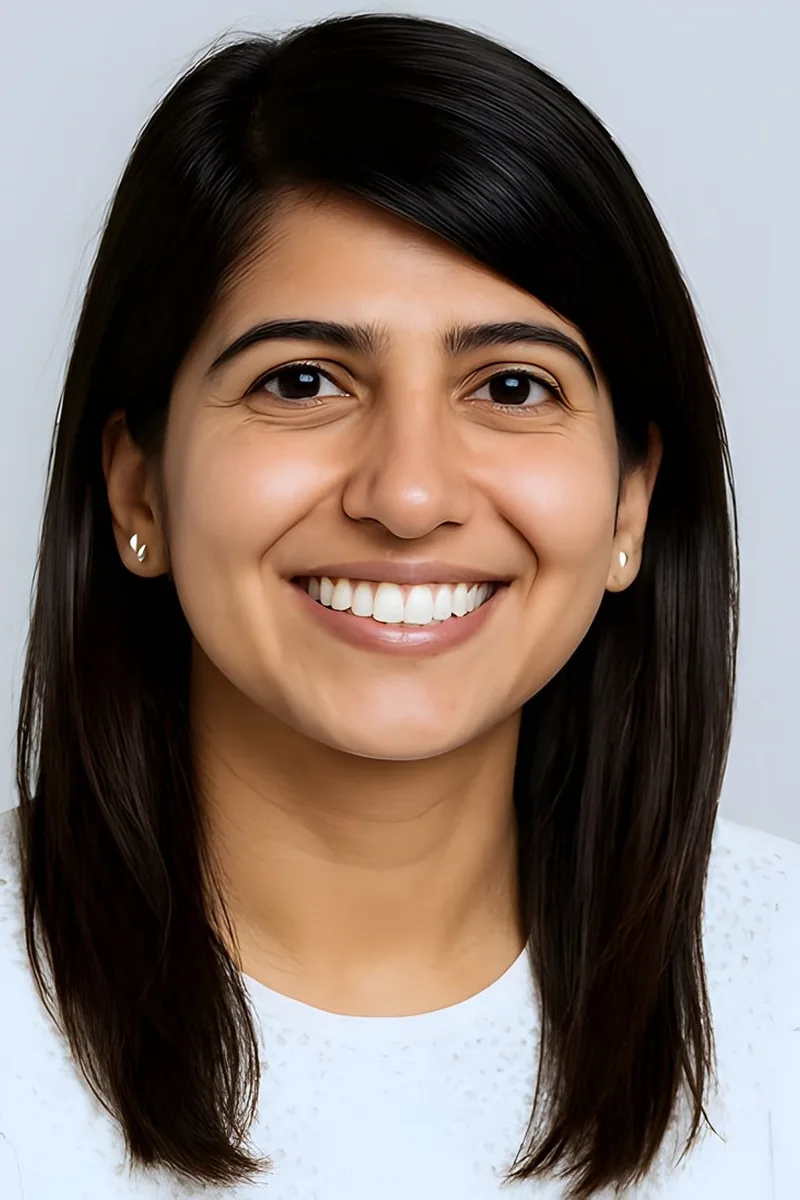
A neuroscience background turns out to be the perfect training ground for ACT Science, which is really about interpreting experimental designs, conflicting viewpoints, and data trends under time pressure. Eshita breaks each passage into its variables and controls first, then shows students how to answer most questions without deep scientific knowledge. She holds a 5.0 client rating.

I am currently a P1 pharmacy student. I have had numerous opportunities to tutor students of various ages primarily in subjects that pertain to my program of study, especially chemistry. Throughout my years of study, I have come to the realization that only after meticulous examination of all the possible scenarios and exceptions of a particular phenomenon can we recognize patterns that may have facilitated our initial attempt to understand it in the first place. As a tutor, I hope to serve as a guide that aids students in discerning such patterns and integrating concepts to achieve a thorough and holistic understanding of the subject being studied. Besides tutoring, I enjoy playing the piano and cello, biking, and reading.
Despite its name, ACT Science is really a data-interpretation exam disguised as biology, chemistry, and physics. William approaches each passage like a graph-reading puzzle: he teaches students to ignore jargon, zero in on axes and trends, and identify conflicting viewpoints before touching a single question. His 34 ACT composite confirms he knows how to execute that strategy under time pressure.
Most students overthink ACT Science because they assume it requires deep content knowledge — it doesn't. Reed treats it as a data interpretation exercise, teaching students to pull trends from graphs, compare experimental setups, and spot conflicting viewpoints without getting lost in jargon. His neuroscience and psychology coursework gives him genuine comfort with the scientific reasoning the section actually tests.
Despite its name, the ACT Science section is really a data-interpretation exam — graphs, tables, and conflicting viewpoints matter more than memorized facts. Henry walks students through how to extract trends from figures and compare competing hypotheses under time pressure. His math background and 34 ACT composite give him a systematic edge on the quantitative reasoning these questions demand.
I am recent graduate of Sewanee: The University of the South, where I earned a B.A. in English and minors in biology and chemistry. Unsurprisingly, these subjects are where my interests lie, and I also love to help with preparation for standardized tests, especially the critical reading portions of them. I have experience tutoring molecular and cell biology and coordinating a tutoring program for pre-health students at my alma mater. When tutoring, I want to help students do what my past tutors and professors helped me to do: go further than learning discrete facts and instead learn to learn. I want to help you develop your ability to think critically, apply previous knowledge to new material, and break down complex ideas. As a result, you can expect me often to ask the question, "Why?" Overall, my goal is to help you get to the point that you no longer need me! And that's okay, because my unemployment will indicate your success.
The ACT Science section barely tests science knowledge — it's really about reading graphs, interpreting experimental setups, and comparing competing hypotheses under a tight time limit. Craig scored a 34 composite and tackles the section by training students to extract data from figures before reading the surrounding text, which cuts down on wasted time and sharpens accuracy on conflicting-viewpoints passages.
I am currently a first year medical student interested in Pediatrics. Prior to medical school, I obtained a bachelor's degree in Neuroscience from The Ohio State University (Go Buckeyes!) and a master's degree in Physiology. I have some experience tutoring elementary school children in person but am looking forward to reaching out to more students virtually. I am passionate about math and science, particularly health sciences. When I am not working or studying, I love to take my dog on walks, head to the dog park, or crack open a good book. I look forward to passing along my passion for learning!
I am a Yale graduate with over 8 years experience tutoring students from a variety of backgrounds. I recently graduated from the Yale School of Public Health with a MPH concentrating in Epidemiology and Global Health. I also received my B.S. from Yale with a double major in Molecular, Cellular, and Developmental Biology and French. I have experience both leading group classes and working with students one on one. I will respond to a student's strengths, weaknesses, and learning style in order to help them succeed and make the most of our time together. I earned a perfect score of 36 on the ACT, 2280 on the SAT, and qualified as a National Merit Scholar on the PSAT. I look forward to working with you!
I am a recent graduate of Cornell University, where I received a B.S. in Chemical Engineering and graduated Magna Cum Laude. Over the past several years, I have worked with students from diverse backgrounds and experiences tutoring thermodynamics (my personal favorite), chemistry, and math. I have also tutored in the past for ACT/SAT and other subjects such as history, but I am deeply passionate about science and engineering. I tend to push my students to understand conceptual topics, as opposed to rote or algorithmic learning. In my free time, I love to bake sourdough, learn about history, garden, and recently started biking again.
I'm a recent college graduate with degrees in Biological Sciences and Russian from Ohio University. During my time there, I tutored students in a variety of subjects, including biology, chemistry, and Spanish. In addition, I worked as both a peer advisor and teaching assistant, which gives me insight into the learning strategies and study skills that students need to succeed. As a tutor, I like to focus on doing actual problems with students because it is the most effective way to immediately identify their strengths and weaknesses and to address them. In my free time, I like to lift weights, read books, and spend time with my friends.
Most students overthink the ACT Science section because they assume it tests scientific knowledge — it's actually a speed-reading exercise disguised as science. Kevin, who earned a 36 composite, teaches students to extract trends from graphs, compare experimental setups, and identify conflicting viewpoints without getting lost in jargon. His engineering background means he can also fill in the real science when a question does require outside knowledge, particularly in physics and chemistry.
The ACT Science section isn't really a science test — it's a data interpretation exercise disguised as one, and Vinay teaches students to read graphs, conflicting viewpoints passages, and experimental designs with speed and precision. His 35 ACT composite and background as a medical student with dual degrees in biology and math-economics mean he can quickly clarify the underlying science when a passage does require content knowledge. Rated 5.0 by students.
A biology background from Georgia Tech makes the ACT Science section second nature for Yashas, but his real edge is showing students that most questions don't require science knowledge at all — they require reading graphs, comparing data trends, and spotting conflicting viewpoints. He teaches a systematic method for each passage type that turns a 25-minute section into something predictable. His 36 ACT composite and 5.0 rating back that up.
The ACT Science section isn't really a science test — it's a data interpretation gauntlet disguised as one. Sunny, who scored a 35 composite and works daily with research data as a research associate, teaches students to read graphs and conflicting-viewpoints passages quickly and accurately without getting distracted by unfamiliar terminology. That combination of test strategy and genuine scientific literacy is what moves scores.
Most students panic when they see unfamiliar experiments on the ACT Science section, but the test rarely asks for outside knowledge — it asks whether you can read graphs, compare data trends, and evaluate conflicting hypotheses quickly. Adam scored a 35 composite and teaches a systematic approach to each passage format that turns Science into one of the most improvable sections on the test.
Most students panic when they see an unfamiliar experiment on the ACT Science section, but the test rarely asks for outside scientific knowledge — it's about reading graphs, interpreting conflicting viewpoints, and extracting trends from data tables under time pressure. Samuel earned a 36 composite and teaches a systematic method for each passage type that turns Science into one of the most improvable sections on the test.
The ACT Science section is less about knowing biology or chemistry and more about reading graphs under pressure. As a medical student with a strong science background, Hyerin teaches students to quickly identify variables, spot trends in data tables, and eliminate wrong answers without getting bogged down in the passage content. Her 35 ACT composite speaks to the kind of systematic approach she brings.
The ACT Science section is less about knowing science and more about reading graphs, interpreting experimental designs, and spotting conflicting viewpoints — but having real science fluency doesn't hurt. As a Cellular and Molecular Biology major at Vanderbilt who scored a 36 composite, Carly can teach the data-extraction skills the section demands while also clarifying the underlying science when a passage on enzyme kinetics or pH curves gets confusing.
I am a current sophomore at Vanderbilt University! I am double majoring in Public Policy and Human & Organizational Development with a minor in Spanish. I first started tutoring in high school, when I started working at Kumon Learning Center and began teaching elementary and middle school students reading and mathematics. I also volunteered my tutoring services through my high school's National Merit Society, through which I helped my peers in advanced subjects such as AP testing, ACT, SAT, and PSAT prep.
The ACT Science section isn't really a science test — it's a data interpretation exercise disguised as one. Susie, who scored a 35 ACT composite and holds a biochemistry degree from Swarthmore, teaches students to read graphs, compare experimental designs, and extract trends without getting distracted by unfamiliar terminology. Rated 5.0 by students, she breaks each passage type into a repeatable strategy that shaves seconds off every question.
I'm currently an undergraduate at Yale University pursuing a Bachelor of Arts in English. While I am most passionate about English Literature, I tutor a wide range of subjects, including SAT and ACT Prep, High School Level Math, and French Language.
I am currently an undergraduate student at the University of Pennsylvania majoring in Math and Economics.
I am honored to be able to help children and young adults succeed in academia and know the gratification of good grades, a good score, or simply a lesson well learned. I encourage my students to see the opportunities learning presents, and I help them use their unique skills and gifts to approach learning in their own way, at their own pace, with whatever assistance they need.
I'm ready to help with your last-minute term paper crisis or your SAT/ACT stress. I am a senior at Denison University majoring in History and concentrating on American history, so I'm just the right person to help you find strategies and tools for your APUSH test, government paper, or social studies assignment.
Most students panic when they see the ACT Science section's dense graphs and experiment descriptions, but the secret is that it's largely a data-reading exercise — you rarely need outside science knowledge. Benjamin scored a 34 composite and, as a Vanderbilt neuroscience graduate, spent years reading and interpreting scientific figures. He teaches students a systematic method for extracting trends from tables and conflicting-viewpoints passages quickly and accurately.
The ACT Science section is really a data interpretation test disguised as science, and Jie treats it that way. He teaches students to read graphs, compare experimental setups, and identify conflicting viewpoints without getting bogged down in the actual content — a strategy that helped him earn a 34 composite. His computer engineering training makes him especially sharp at parsing dense tables quickly.
The ACT Science section barely tests science knowledge — it's really about reading graphs, interpreting experimental setups, and comparing competing hypotheses under a tight clock. John's neuroscience training at Notre Dame means he lives in data-heavy research papers, and he applies that same extract-the-key-variable mindset when teaching students to attack each passage. He holds a 35 ACT composite and a 5.0 student rating.
Most of ACT Science isn't really about science — it's about reading graphs, interpreting conflicting viewpoints, and pulling data from dense tables under time pressure. Ella, who scored a 34 composite and currently tutors high schoolers, teaches students to ignore the jargon and zero in on what each question is actually asking. Once students stop trying to understand every experiment and start treating it like a data literacy exercise, their scores jump.
The ACT Science section isn't really a science test — it's a data interpretation test disguised as one. Emma scored a 34 ACT composite and teaches students to quickly parse conflicting viewpoints passages, extract trends from dense graphs, and avoid the trap of overthinking questions with outside knowledge. Her cognitive science background sharpens her ability to break down how the section actually tests reasoning under time pressure.
Two years studying biology gave Grace a genuine comfort with experimental setups and scientific terminology, but her 34 ACT composite came from treating the Science section as a speed-reading challenge — matching question stems to specific rows, columns, or data points without getting pulled into the surrounding text. Her education training means she can break that process into concrete, repeatable steps that stick after just a few sessions.
I am a rising junior at Vanderbilt University studying biomedical engineering, computer science, and engineering management. I currently plan on furthering my education in law school, specifically within intellectual property law. During the week, I work in the Center for Technology Transfer and Commercialization where I work with Vanderbilt researchers to take their inventions to industry. I also work in the Vanderbilt Office of Admissions. The pursuit of knowledge is my passion, and I look forward to working with you to help you in your academic endeavors!
I am currently a student at Otterbein University, working towards my teaching certificate for high school science. I've tutored over 40 students in General and AP Chemistry. I love tutoring because it gives me the chance to provide individualized attention and support to students.
I'm going to fail, might as well not do it alone." I started working on homework with her and started to realize that I learned best when I taught others! Soon, I started "tutoring" many of my other pre-med friends in the same class and aced Chemistry! Since then, I've found a growing love for teaching others all sorts of subjects- especially all pre-medical sciences and the bible and it was my ticket into medical school! Still, medical school always hung on a string of doubt in my heart as I feel in love with teaching/ tutoring through teaching science and the bible so I eventually gave up medical school and started working at a school as a teaching aide with no idea if teaching was the path I should be on or not. Lo and behold near the end of the year, my school offered me a position and opportunity to become a certified teacher and here I am today working towards that and hoping to teach abroad someday!
The ACT Science section is less about knowing science and more about reading graphs, interpreting experimental designs, and spotting trends in data — skills Maria treats like puzzles to crack. She earned a 34 ACT composite and teaches students to extract answers from passages in under a minute by identifying what each figure actually measures before touching the questions. Rated 5.0 by students.
The ACT Science section is less about memorizing biology or chemistry and more about reading graphs, interpreting experimental designs, and drawing conclusions from conflicting data sets. Brian treats it as a data-analysis exercise, teaching students to extract trends from figures quickly and avoid the trap of overthinking background knowledge. His 33 ACT composite and science-heavy course load at Case Western Reserve make him well-suited for this section.
I am a Third Year Actuarial Science and Finance Student at the Ohio State University (Go Bucks!).
Sunay treats the ACT Science section the way it's actually designed: as a data interpretation test, not a biology or chemistry exam. His neuroscience background means he's comfortable with graphs showing experimental results, conflicting hypotheses, and multi-variable data tables — exactly the formats ACT uses. He drills students on reading axis labels and extracting trends quickly, which is often the single biggest score lever on this section.
I am very familiar with the preparation that goes into taking standardized tests and completing pre-college curriculum, and I try to teach these subject in ways that are applicable throughout a student's education down the road.
Testimonials
Because the right ACT Science tutor makes all the difference.
Average Session Rating – Based on 3.4M Learner Ratings
Practice ACT Science
Free practice tests, flashcards, and AI tutoring for ACT Science
Other Cincinnati Tutors
Related Test Prep Tutors in Cincinnati
Frequently Asked Questions
The ACT Science section tests your ability to interpret data, understand scientific concepts, and reason through problems—not memorize facts. You'll encounter three question types: Data Representation (charts and graphs), Research Summaries (experimental descriptions), and Conflicting Viewpoints (competing scientific explanations). The 40 questions must be completed in 35 minutes, making time management a critical skill.
Many students struggle with pacing—the section moves quickly and requires rapid data interpretation rather than deep scientific knowledge. Others find it hard to identify what information is actually relevant to each question, especially in dense passages. Additionally, understanding the specific question formats and what each type is asking for can be confusing without targeted practice. Working with a tutor helps you develop efficient reading strategies and recognize patterns across question types.
Score improvement depends on your starting point and commitment to practice, but students typically see gains of 2-5 points on the ACT composite scale with focused preparation. The key is identifying your specific weaknesses—whether that's data interpretation speed, understanding experimental design, or managing time—and building targeted skills. Consistent practice with full-length tests and strategic review between sessions accelerates progress significantly.
Your first session focuses on assessment and goal-setting. A tutor will review your current ACT Science score (if you have one), identify which question types and content areas challenge you most, and understand your timeline and target score. You might work through a sample passage or two to see your approach in action. This foundation helps create a personalized study plan tailored to your needs.
Pacing is about strategy, not just speed. Effective test-takers learn to quickly scan passages for key information, prioritize questions by difficulty, and skip challenging items to return to later. Many students waste time re-reading passages instead of using the data strategically. A tutor can teach you proven techniques like identifying question types upfront, knowing where to find answers in graphs and tables, and practicing with a timer to build rhythm and confidence.
Practice tests are essential—they reveal your actual pacing, show which question types trip you up, and help you build test-day stamina. Taking full Science sections under timed conditions is far more valuable than studying topics in isolation. Between tutoring sessions, working through official ACT practice materials and reviewing your mistakes with a tutor helps you identify patterns and reinforce strategies before test day.
Most students benefit from 4-8 weeks of focused preparation, though this varies based on your starting score and target. If you're aiming for a significant improvement or starting from a lower baseline, longer preparation with consistent weekly tutoring sessions works best. Many Cincinnati-area students balance ACT prep with school commitments, so a tutor can help you create a realistic study schedule that fits your life while maximizing progress.
Test anxiety often stems from uncertainty—not knowing what to expect or feeling unprepared. Personalized tutoring builds confidence by familiarizing you with every question type, teaching you proven strategies, and giving you repeated practice in a low-pressure setting. As you see improvement and develop a reliable approach, anxiety naturally decreases. Your tutor can also teach specific techniques for managing stress during the actual test.
Let’s find your perfect tutor
Answer a few quick questions. We’ll recommend the right plan and match you with a top 5% tutor.