Award-Winning AP Biology Tutors
serving Reno, NV
AP Biology
Tutors in Reno
Private 1-on-1 tutoring, weekly live classes for academic support, test prep & enrichment, practice tests and diagnostics, and more to elevate grades and test scores.
Based on 3.4M Learner Ratings
UniversitiesSchools & Universities
DeliveredHours Delivered
ProficiencyGrowth in Proficiency
Who needs tutoring?
No obligation. Takes ~1 minute.
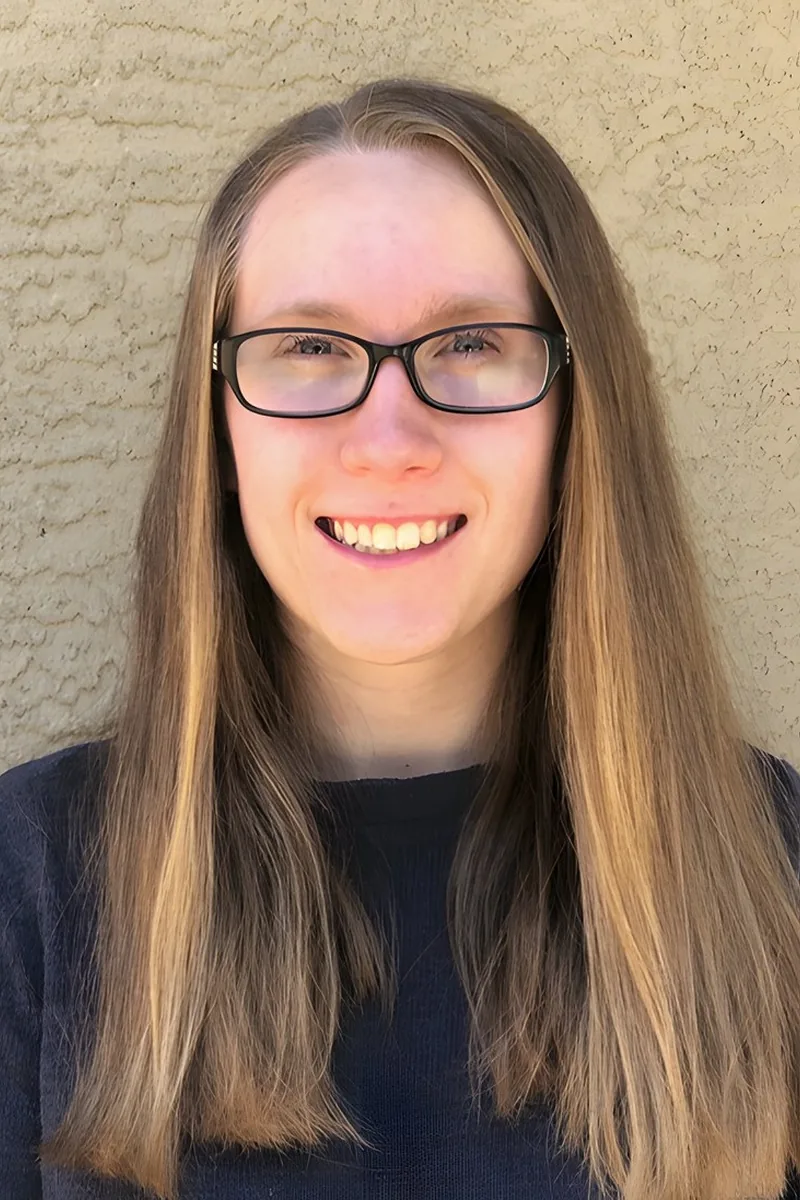
Cassandra's biology degree gave her deep exposure to genetics, ecology, and cellular processes — but what sets her apart for AP Bio is seven years of breaking down those topics for students ranging from middle school to college, which means she can calibrate explanations to wherever a student actually is in their understanding. She's especially effective at teaching the kind of experimental design and data interpretation questions that trip students up on the exam, connecting lab reasoning back to core concepts like heredity and natural selection. Rated 4.9 by students.

AP Bio covers a staggering range — from cellular respiration pathways to ecology population models to gene regulation — and the exam rewards students who can analyze data, not just recall facts. Kate's science background and engineering training make her especially sharp on the quantitative side of the course, including Chi-square analysis, Hardy-Weinberg calculations, and interpreting experimental results.
As a premed biosciences student at Rice University, Jessy is actively working through the same molecular biology, genetics, and physiology content that AP Bio covers — which means she can pinpoint exactly where textbook explanations lose students and rephrase them on the fly. She recently peer-tutored classmates through AP-level coursework in high school and earned a 34 ACT, so she understands both the science and the test-taking strategy behind interpreting data sets and constructing free-response answers. Rated 5.0 by students.
Ethan's economics and public policy studies at the University of Chicago aren't a typical path into AP Bio, but they've made him sharp at interpreting data sets, constructing evidence-based arguments, and reasoning through cause-and-effect chains — all skills the exam's free-response questions heavily reward. He's especially useful for students who struggle with the experimental design and data analysis portions of the test, where reading graphs and evaluating hypotheses matters more than memorizing vocabulary.
Studying biology and chemistry on the pre-med track at Northwestern means Kade is immersed daily in the exact material the AP Bio exam tests — from cellular respiration and signal transduction to gene regulation and evolutionary mechanisms. He also runs study groups at his university, so he's practiced at explaining dense concepts like feedback inhibition or Hardy-Weinberg equilibrium in ways that actually stick. That combination of current coursework and teaching experience makes a real difference on exam day.
AP Biology's shift toward data analysis and experimental design catches many students off guard — it's no longer enough to memorize cell structures and metabolic pathways. Noel's policy-analysis training at the University of Chicago sharpened his ability to interpret graphs, evaluate experimental controls, and construct evidence-based arguments, which maps directly onto the AP exam's free-response demands. He pairs content review with targeted practice on the analytical skills the College Board actually tests.
Saniya's neuroscience degree at Rhodes College required her to learn biology from the molecular scale up — gene expression, cell signaling, neural communication — which means she's tackled AP Bio's toughest conceptual territory in a context where every pathway had to connect to a bigger physiological story. She's continued auditing advanced coursework in anatomy, histology, and embryology since graduating, so the organism-level units on body systems and development are still sharp. Rated 5.0 by students.
Environmental science coursework gave Ethan an ecology-first perspective on biology — population dynamics, energy flow through ecosystems, and the interplay between organisms and their environments — which lines up directly with AP Bio's ecology and evolution units that many science-focused tutors breeze past. He also teaches AP Statistics, so he's unusually comfortable with the data interpretation and experimental design questions that trip students up on the exam. Rated 5.0 by students.
A neuroscience degree plus a master's in biotechnology means Rithi has spent serious time with the molecular and cellular content that trips up most AP Bio students — think signal transduction pathways, gene regulation, and how neurons actually fire. She's now in medical school at Robert Wood Johnson, so she's applying these concepts daily at a level well beyond what the exam demands, which makes her especially sharp at unpacking the mechanistic "explain how" questions the free-response section loves to ask.
Nicolette's bioengineering degree from Rice meant she didn't just memorize biological systems — she had to model them, which is exactly the kind of mechanistic thinking AP Bio's free-response questions demand when students need to explain processes like signal transduction or feedback in gene regulation. Her engineering training makes her especially sharp at teaching students to reason through experimental design and data interpretation questions, where you have to connect variables to biological outcomes rather than just recall facts. Rated 5.0 by students.
Teaching 10th-grade Biochemistry at a competitive Philadelphia magnet school means Kathleen lives in the overlap between biology and chemistry that defines the AP Bio exam. She digs into the molecular details — enzyme kinetics, cellular respiration energetics, gene expression regulation — with the depth the College Board expects on free-response questions. Rated 5.0 by students.
Studying biological engineering at MIT means Lainie encounters AP Bio's core content — gene regulation, cellular energetics, metabolic pathways — through the lens of designing and modeling biological systems, which gives her a more mechanistic understanding than a standard biology curriculum provides. She scored a 1580 SAT and has tutored students as young as four, so she's practiced at adjusting her explanations to match exactly how much detail a student can absorb. Rated 5.0 by students.
Succeeding on the AP Biology exam means going beyond memorizing cell structures and metabolic pathways — it means interpreting experimental data, constructing explanations, and reasoning across biological scales from molecules to ecosystems. Jake studies Human Biology at Stanford, where his coursework in genetics, physiology, and ecology maps directly onto the AP curriculum's four big ideas.
Testimonials
Because the right AP Biology tutor makes all the difference.
Average Session Rating – Based on 3.4M Learner Ratings
Practice AP Biology
Free practice tests, flashcards, and AI tutoring for AP Biology
Other Reno Tutors
Related Science Tutors in Reno
Frequently Asked Questions
AP Biology covers eight major units: chemistry of life, cell structure and function, cellular transport, cell communication and division, heredity, gene expression and regulation, natural selection, and ecology. The exam tests your understanding of these concepts through multiple-choice questions, short-answer questions, and free-response essays that require you to apply knowledge to real-world scenarios. A tutor can help you master the connections between units, which is key to scoring well on the exam.
Score improvement depends on your starting point and commitment level, but students typically see meaningful gains when they work with a tutor to identify weak concepts, practice with real exam questions, and develop strong test-taking strategies. Most students benefit from focusing on the units where they struggle most—whether that's genetics, cell biology, or ecology—rather than trying to review everything at once. Consistent practice with feedback from an expert tutor is one of the most effective ways to move from a 2 or 3 toward a 4 or 5.
Students often struggle most with genetics and heredity (Unit 5), which involves complex problem-solving and multiple interconnected concepts, and with ecology (Unit 8), which requires systems thinking and data interpretation. Many also find the free-response questions challenging because they demand not just knowledge but the ability to explain processes clearly and connect ideas across units. A tutor can break down these challenging topics into manageable pieces and show you how to structure your responses to earn full credit.
The AP Biology exam requires strategic time management: you have about 90 minutes for 60 multiple-choice questions (roughly 1.5 minutes each) and 90 minutes for six free-response questions. Effective strategies include reading questions carefully before looking at answer choices, eliminating obviously wrong answers, and flagging difficult questions to return to later. For free-response questions, outline your answer first and use scientific vocabulary precisely. A tutor can help you practice these strategies under timed conditions so they become second nature on test day.
Practice tests are essential—they help you identify weak areas, get comfortable with the exam format, and build confidence under timed pressure. Taking full-length practice tests every 2-3 weeks in the months leading up to the exam gives you a realistic sense of your score and shows you exactly where to focus your study efforts. A tutor can review your practice test results with you, explain why you missed questions, and help you develop targeted strategies to improve those specific areas before test day.
Look for tutors with strong backgrounds in biology—ideally with college-level coursework, teaching experience, or both—who understand the specific demands of the AP exam. They should be familiar with the current AP Biology curriculum and exam format, and able to explain complex concepts clearly. Varsity Tutors connects you with expert tutors who have proven success helping students master AP Biology content and improve their exam performance.
Your first session is typically a chance for your tutor to understand your current level, learning style, and specific goals—whether you're aiming to move from a 3 to a 4, or preparing for the exam from the start. You might review a practice problem together, discuss which units feel most challenging, and create a study plan tailored to your needs and timeline. This foundation helps your tutor customize lessons to maximize your progress.
Most students benefit from starting tutoring 3-4 months before the exam, meeting weekly or bi-weekly for focused sessions on challenging units and practice problems. If you're starting later or struggling significantly, more frequent sessions (twice weekly) can accelerate progress. The key is consistent, targeted practice over time rather than cramming—spaced repetition helps you retain complex biological concepts and build the deep understanding AP exams require.
Let’s find your perfect tutor
Answer a few quick questions. We’ll recommend the right plan and match you with a top 5% tutor.