Award-Winning Statistics Tutors
serving New Orleans, LA
Statistics
Tutors in New Orleans
Private 1-on-1 tutoring, weekly live classes for academic support, test prep & enrichment, practice tests and diagnostics, and more to elevate grades and test scores.
Based on 3.4M Learner Ratings
UniversitiesSchools & Universities
DeliveredHours Delivered
ProficiencyGrowth in Proficiency
Who needs tutoring?
No obligation. Takes ~1 minute.
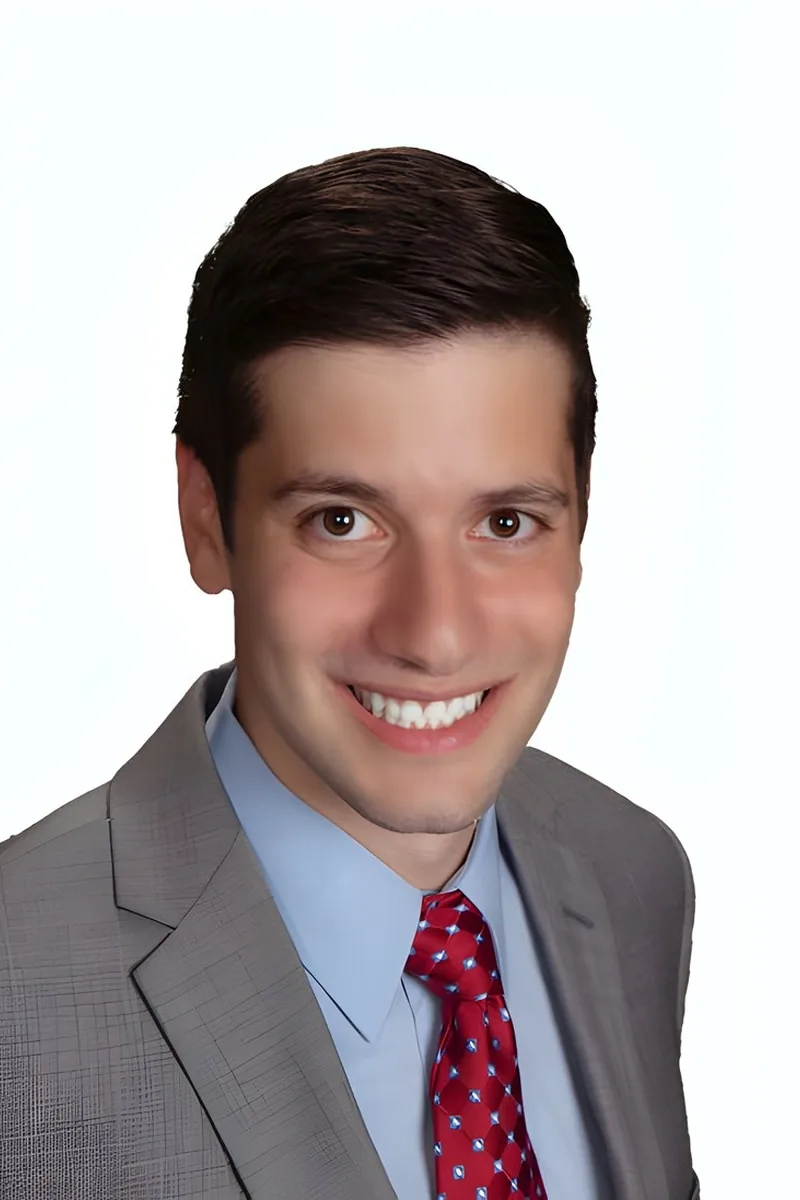
Probability distributions, hypothesis testing, and regression analysis all clicked for Sami during his economics work at Duke, where statistical reasoning was baked into nearly every course. Now pursuing an MBA at Yale, he still uses these tools daily and teaches students to interpret data with genuine intuition — understanding what a p-value actually means, not just when to reject a null hypothesis.
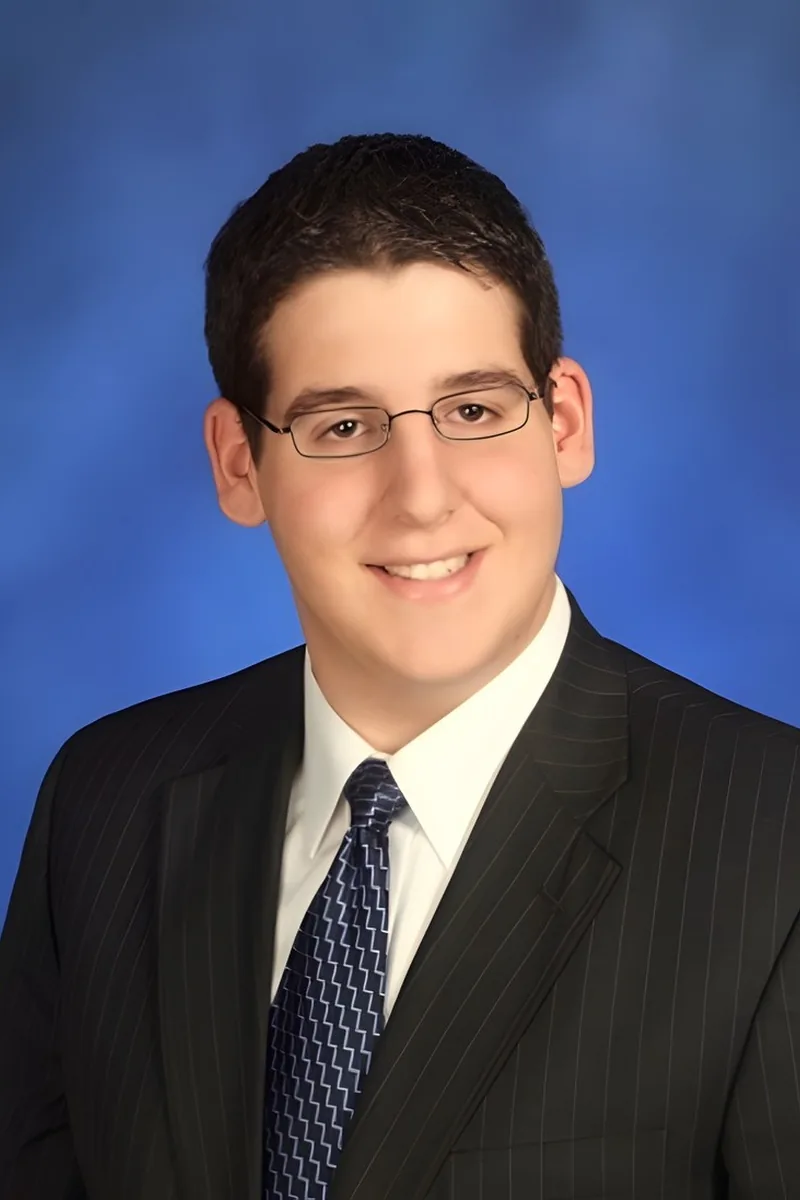
Understanding statistics means learning to ask the right questions about data before running any test: Is the sample random? What's the shape of the distribution? Could this result have happened by chance? Ethan's policy background gave him years of practice interrogating datasets and translating statistical output into plain-language conclusions, a skill he now brings directly to topics like hypothesis testing and regression analysis.
Graduating from an IB high school with top marks and then completing a math degree at Brown means Zofia encountered statistics from both sides — the structured hypothesis testing and chi-square analyses of the IB curriculum, and the rigorous probability theory that underpins it all at the university level. She breaks down concepts like conditional probability and sampling distributions by connecting them to the mathematical machinery students rarely get to see in a standard stats course. Her 3.87 GPA in a demanding program speaks to the precision she brings to every session.
A political science degree from Brown meant Lyall spent years interpreting polling data, regression models, and probability distributions in real research contexts. He brings that applied lens to statistics tutoring, connecting concepts like standard deviation and confidence intervals to situations where the numbers actually matter. Students get someone who treats stats as a tool for making arguments, not just a formula sheet to memorize.
Probability distributions, hypothesis testing, and confidence intervals require a different kind of mathematical thinking than most students are used to. Nicholas pairs his applied mathematics background at Johns Hopkins with real problem-solving instincts, teaching students to interpret what a p-value actually means and when to apply which test. He's especially effective at connecting statistical reasoning to the kind of data analysis students encounter in science and engineering contexts.
Jonathan holds an MS in Statistics, which means probability distributions, hypothesis testing, and regression analysis aren't just textbook topics for him — they're the core of his graduate training. He breaks down intimidating formulas like Bayes' theorem or ANOVA tables by connecting them to the real-world questions they were designed to answer.
Probability distributions, hypothesis testing, and regression analysis all click faster when you've actually used them to make decisions. Hari's finance background means he's applied statistical methods to real datasets — forecasting, risk analysis, variance modeling — and he teaches the logic behind each test so students can choose the right approach on their own.
Probability distributions, hypothesis testing, and regression analysis are central to both engineering and business — and Caroline has graduate-level training in both. Her mechanical engineering M.S. from WashU built her statistical modeling skills, while her current MBA at MIT Sloan sharpens how she interprets data for real-world decisions. She teaches the reasoning behind each method so formulas stop feeling like black boxes.
A PhD in economics at Yale means Anthony doesn't just teach statistics — he relies on it daily, from econometric modeling to designing empirical studies that require careful handling of inference, sampling, and regression. His dual undergraduate background in physics and math gives him an unusual ability to trace statistical methods back to their mathematical roots, making concepts like maximum likelihood estimation or the central limit theorem genuinely intuitive. Rated 5.0 by students.
Designing and optimizing light filters for optical multiplexers at Norfolk State required Dennis to apply statistical methods to real engineering data — fitting distributions, quantifying uncertainty, and interpreting experimental results. He teaches statistics with that practitioner's perspective, making topics like standard deviation, probability, and regression feel like problem-solving tools rather than abstract formulas.
Between her biostatistics background and hands-on research experience in Northwestern's John Rogers Lab, Ingrid knows statistics as both a classroom subject and a practical tool. She walks students through concepts like hypothesis testing, confidence intervals, and probability distributions by connecting each one to what the numbers actually mean in context.
Reading a research paper in medical school means interrogating p-values, confidence intervals, and study design on a daily basis — so Jean knows statistics as a working tool, not just a textbook subject. She teaches concepts like probability distributions and hypothesis testing by grounding them in real scenarios where the numbers actually matter. Students walk away understanding not just how to run a calculation but what the result means.
Testimonials
Because the right Statistics tutor makes all the difference.
Average Session Rating – Based on 3.4M Learner Ratings
Practice Statistics
Free practice tests, flashcards, and AI tutoring for Statistics
Nearby Statistics Tutors
Other New Orleans Tutors
Related Math Tutors in New Orleans
Frequently Asked Questions
Statistics requires both conceptual understanding and practical problem-solving skills—students need to grasp why methods work, not just memorize formulas. Many students struggle with interpreting data, designing studies, and understanding probability concepts, which form the foundation for advanced math and science courses. With an average student-teacher ratio of 24.8:1 in New Orleans schools, personalized 1-on-1 instruction can help students move beyond procedural steps to truly understand statistical thinking and build confidence in this increasingly important subject.
Students often struggle with translating word problems into statistical questions, understanding the difference between correlation and causation, and applying the right test or method to different scenarios. Many also find probability counterintuitive and have difficulty interpreting confidence intervals, p-values, and statistical significance in context. Personalized tutoring helps students work through these conceptual hurdles, practice with real data, and develop problem-solving strategies that make Statistics feel logical rather than overwhelming.
During your first session, a tutor will assess your current understanding of Statistics concepts, identify specific areas where you need support (whether it's descriptive statistics, hypothesis testing, or data visualization), and learn about your learning style. They'll ask about your course curriculum, upcoming assignments or exams, and what you'd like to accomplish. From there, you'll work together to create a personalized plan that addresses your gaps and builds your confidence in Statistics.
Statistics tutors work with students using various textbooks and curricula—whether your school uses AP Statistics, IB Statistics, college-level introductory Statistics, or a specific textbook like Starnes or Moore. Tutors are familiar with different approaches to teaching Statistics and can help you understand your specific course's emphasis, whether that's frequentist or Bayesian thinking, simulation-based methods, or traditional inference. They'll support you with the exact problems, notation, and concepts your teacher uses.
Word problems in Statistics require students to identify what's being asked, determine which statistical method applies, and communicate their reasoning clearly. Tutors teach a systematic approach: reading carefully for context, identifying the population and variables, deciding whether the problem involves descriptive or inferential statistics, and then solving step-by-step. Through practice and feedback, students learn to recognize patterns in problem types and develop strategies for tackling unfamiliar scenarios with confidence.
In Statistics, showing your work demonstrates your reasoning—not just your final answer. Teachers need to see that you understand which method you're using, why it's appropriate, and how you applied it correctly. Tutors help students develop the habit of clearly stating assumptions, showing calculations, interpreting results in context, and explaining what their answer means. This approach builds deeper understanding and prepares students for exams and real-world applications where communication is essential.
Many students find Statistics intimidating because it combines math, probability, and interpretation in ways that feel abstract. Personalized tutoring builds confidence by breaking concepts into manageable pieces, allowing you to ask questions without judgment, and celebrating progress along the way. Tutors help you see that Statistics is about thinking logically about data and uncertainty—skills you can develop and master with practice and the right support.
Varsity Tutors connects you with expert Statistics tutors who understand your course level, learning goals, and schedule. You'll work with a tutor who has strong subject expertise and experience helping students move from confusion to confidence in Statistics. The process is straightforward—share your needs, get matched with the right tutor, and start your personalized instruction on your timeline.
Let’s find your perfect tutor
Answer a few quick questions. We’ll recommend the right plan and match you with a top 5% tutor.