Award-Winning Statistics Tutors
serving Des Moines, IA
Statistics
Tutors in Des Moines
Private 1-on-1 tutoring, weekly live classes for academic support, test prep & enrichment, practice tests and diagnostics, and more to elevate grades and test scores.
Based on 3.4M Learner Ratings
UniversitiesSchools & Universities
DeliveredHours Delivered
ProficiencyGrowth in Proficiency
Who needs tutoring?
No obligation. Takes ~1 minute.

Economics at the University of Chicago is heavily quantitative, so Elliot has spent years working through probability distributions, hypothesis testing, regression analysis, and confidence intervals in real research contexts. He breaks down the logic behind each statistical test so students understand when to use a t-test versus a chi-square — and why it matters. Rated 4.9 by students.
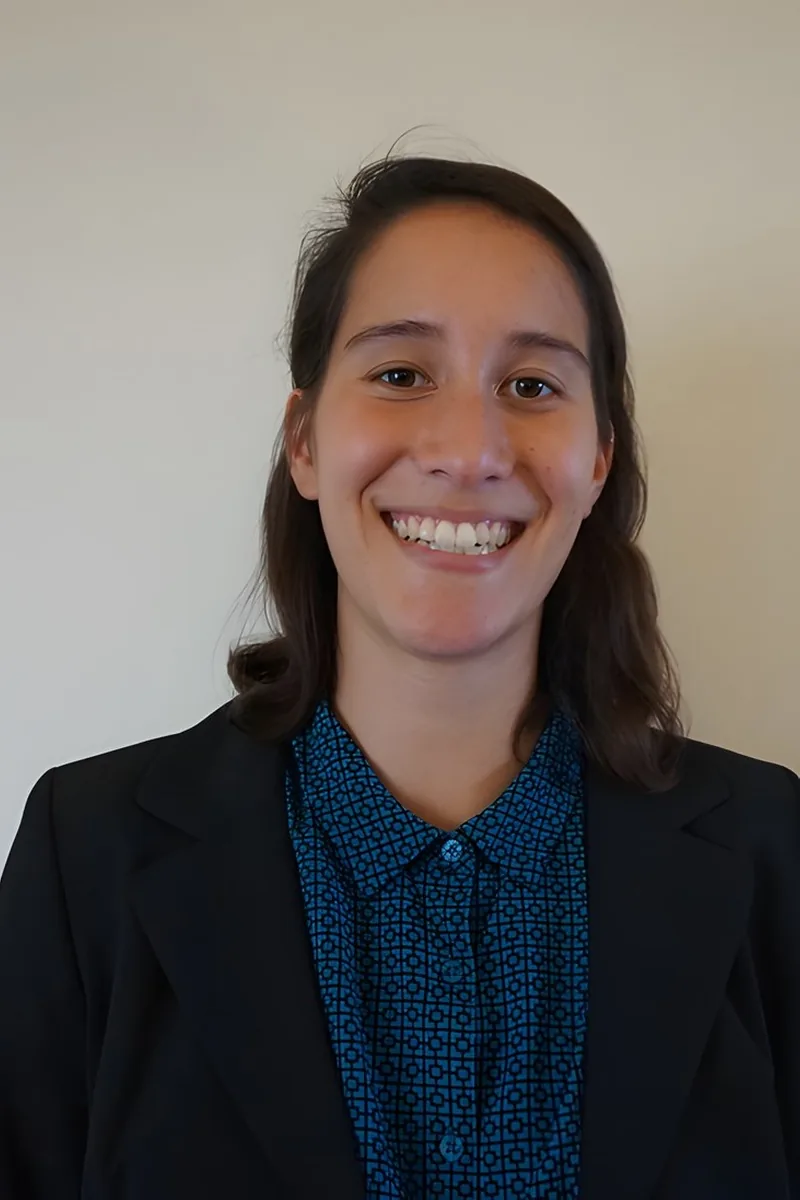
Probability distributions, hypothesis testing, and regression analysis are central to both engineering and business — and Caroline has graduate-level training in both. Her mechanical engineering M.S. from WashU built her statistical modeling skills, while her current MBA at MIT Sloan sharpens how she interprets data for real-world decisions. She teaches the reasoning behind each method so formulas stop feeling like black boxes.
Graduating from an IB high school with top marks and then completing a math degree at Brown means Zofia encountered statistics from both sides — the structured hypothesis testing and chi-square analyses of the IB curriculum, and the rigorous probability theory that underpins it all at the university level. She breaks down concepts like conditional probability and sampling distributions by connecting them to the mathematical machinery students rarely get to see in a standard stats course. Her 3.87 GPA in a demanding program speaks to the precision she brings to every session.
Industrial engineering at Georgia Tech is essentially applied statistics — probability distributions, hypothesis testing, and regression analysis were daily tools throughout Ilesh's coursework. He teaches statistics by grounding abstract formulas in real data scenarios, so concepts like standard deviation and confidence intervals actually make intuitive sense.
Understanding statistics means learning to think critically about variability, probability, and what data can actually tell you. Tashina applies statistical methods daily in her PhD research in brain sciences — hypothesis testing, confidence intervals, regression — and she unpacks each concept by connecting it to the kind of real analysis questions that make the material stick.
Studying conducting at Juilliard means Molly lives in data — analyzing scores, interpreting patterns, and making decisions based on complex information. She brings that same analytical mindset to statistics, breaking down probability distributions, hypothesis testing, and data interpretation into logical steps. Her 5.0 client rating speaks to how clearly she communicates even the trickiest concepts.
A political science degree from Brown meant Lyall spent years interpreting polling data, regression models, and probability distributions in real research contexts. He brings that applied lens to statistics tutoring, connecting concepts like standard deviation and confidence intervals to situations where the numbers actually matter. Students get someone who treats stats as a tool for making arguments, not just a formula sheet to memorize.
Probability distributions, hypothesis testing, and regression analysis all click faster when you've actually used them to make decisions. Hari's finance background means he's applied statistical methods to real datasets — forecasting, risk analysis, variance modeling — and he teaches the logic behind each test so students can choose the right approach on their own.
Understanding probability distributions or interpreting a confidence interval requires a different kind of thinking than most math classes demand. Dillon spent years applying statistics in engineering contexts — quality control, data analysis, experimental design — and he brings that applied lens to topics like standard deviation, z-scores, and regression so students see what the numbers actually tell them.
Understanding when to use a t-test versus a z-test, or why a sampling distribution behaves the way it does, requires more than formula sheets — it takes genuine statistical intuition. Brian built that intuition through his economics coursework at Caltech, where statistical analysis was a daily tool, and he walks students through each concept with concrete data examples.
As a Statistics major at Northwestern, Jake lives in this material daily — regression analysis, probability distributions, confidence intervals, and hypothesis testing are part of his coursework, not just something he once studied for a test. That proximity to the subject means he explains concepts with the kind of fluency that comes from constant use. He holds a 5.0 client rating.
Emily's computational biology concentration at Cornell is essentially applied statistics — she uses probability distributions, confidence intervals, and regression analysis to interpret biological data every week. That hands-on context lets her explain statistical reasoning through concrete examples rather than abstract formulas.
Engineering Physics at Cornell requires serious statistical reasoning — error analysis, probability distributions, hypothesis testing — so Daniel brings a practical lens to statistics rather than a purely textbook one. He walks through concepts like standard deviation, regression, and confidence intervals by tying them to real data questions, which makes the logic behind each formula click.
Testimonials
Because the right Statistics tutor makes all the difference.
Average Session Rating – Based on 3.4M Learner Ratings
Practice Statistics
Free practice tests, flashcards, and AI tutoring for Statistics
Nearby Statistics Tutors
Other Des Moines Tutors
Related Math Tutors in Des Moines
Frequently Asked Questions
Statistics is taught differently across Iowa's curricula—some schools emphasize probability and descriptive statistics, while others focus on inferential methods and data analysis. Tutors work with students using their specific textbook and course materials, ensuring instruction matches their classroom expectations and assessment style. This alignment helps students build confidence in their understanding rather than learning disconnected concepts.
Many students struggle with interpreting data visualizations, understanding probability concepts, and applying statistical methods to real-world scenarios. Word problems in Statistics can feel abstract—students need to recognize which statistical tool applies to a given situation. Tutors help students develop problem-solving strategies that connect formulas and concepts to actual applications, building the conceptual understanding that makes Statistics click.
The first session focuses on understanding your current coursework, identifying specific challenges (whether it's hypothesis testing, confidence intervals, or data interpretation), and assessing your comfort with foundational concepts like probability and distributions. From there, tutors create a personalized plan to strengthen weak areas and build momentum toward your goals. This personalized approach means every session targets what you actually need.
Statistics requires clear communication of reasoning—not just final answers. Tutors teach students how to document their process: stating hypotheses, explaining why they chose a particular test, showing calculations, and interpreting results in context. Learning to present work clearly also reinforces your own understanding, since explaining your thinking helps you catch mistakes and see connections between concepts.
Yes—many students find Statistics intimidating because it combines multiple skills: reading data, understanding probability, performing calculations, and interpreting results. Working 1-on-1 with a tutor breaks this down into manageable pieces, letting you master one concept before moving to the next. As you see patterns emerge and start solving problems independently, confidence naturally builds.
Word problems in Statistics require students to translate real-world scenarios into statistical language and select the right method. Tutors teach a systematic approach: identify what you're asked to find, determine what type of problem it is (confidence interval, hypothesis test, etc.), and work through it step-by-step. With practice, students recognize patterns and develop intuition for which tools apply to different situations.
Absolutely. Tutors help students master the core concepts tested on AP Statistics exams and college-level assessments: probability, sampling distributions, hypothesis testing, and regression analysis. They also teach test-taking strategies specific to Statistics—like how to interpret calculator output, manage multi-part free-response questions, and avoid common pitfalls. Personalized preparation focuses on your specific weak areas rather than generic review.
Varsity Tutors connects you with expert tutors who have strong backgrounds in Statistics and experience working with Des Moines students. You'll be matched based on your specific needs—whether you need help with a particular unit, exam prep, or building foundational understanding. The process is straightforward: tell us about your goals and challenges, and we'll find the right fit for your learning style.
Let’s find your perfect tutor
Answer a few quick questions. We’ll recommend the right plan and match you with a top 5% tutor.