Award-Winning Biochemistry Tutors
serving Virginia Beach, VA
Biochemistry
Tutors in Virginia Beach
Private 1-on-1 tutoring, weekly live classes for academic support, test prep & enrichment, practice tests and diagnostics, and more to elevate grades and test scores.
Based on 3.4M Learner Ratings
UniversitiesSchools & Universities
DeliveredHours Delivered
ProficiencyGrowth in Proficiency
Who needs tutoring?
No obligation. Takes ~1 minute.
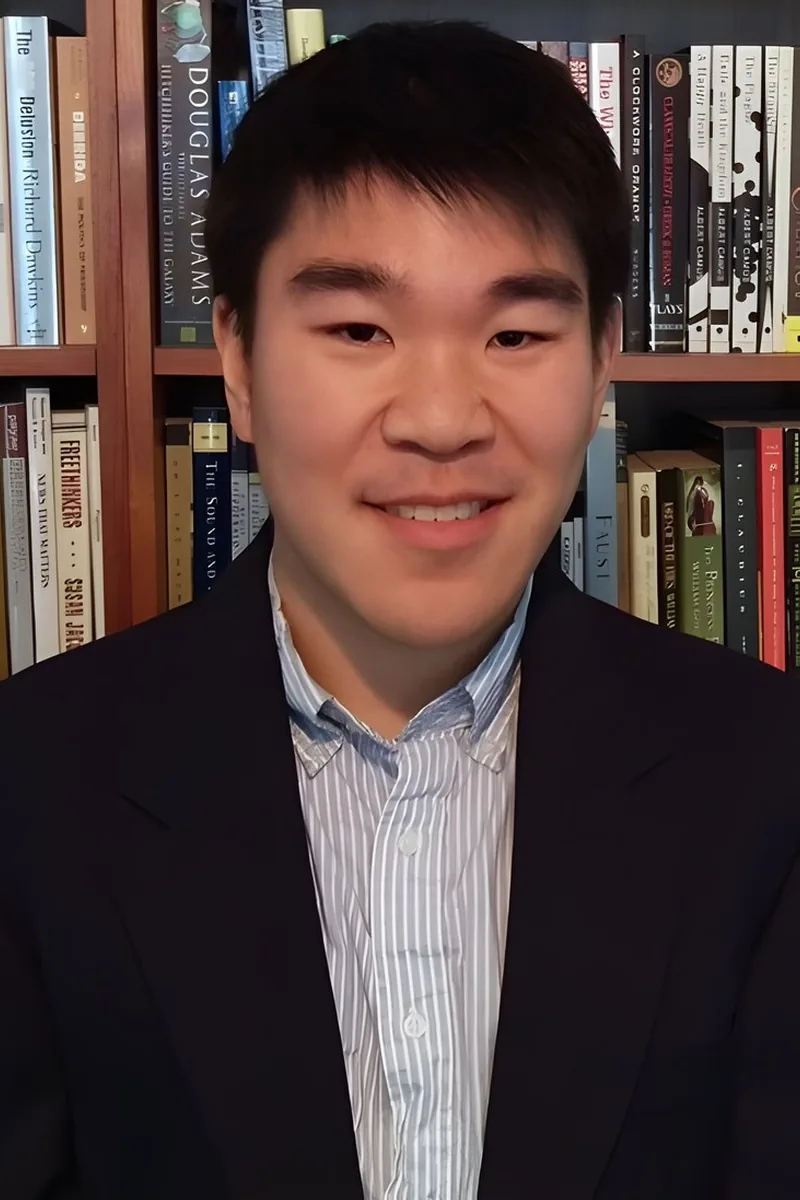
Few tutors can teach biochemistry from the perspective of someone who lived it at the graduate level. Dennis holds a Masters in Chemical and Physical Biology from Vanderbilt and an undergraduate degree in Biochemistry, so topics like enzyme kinetics, metabolic regulation, and protein structure are second nature. He walks through reaction mechanisms and pathway logic in a way that builds real understanding rather than rote memorization.

Four years of medical school means Jordan has cycled through biochemistry multiple times — first mastering it for premed coursework, then again for the MCAT, and again for USMLE Step 1 — each pass deepening his grasp of how pathways like the urea cycle and oxidative phosphorylation connect to clinical medicine. That layered repetition lets him teach metabolic integration the way it actually gets tested: not as isolated reactions, but as interconnected systems where disrupting one enzyme cascades through the whole picture. Rated 5.0 by students.
Medical school required Thomas to internalize biochemistry at a level most undergrads never reach — enzyme kinetics, metabolic regulation, amino acid chemistry, and the signaling cascades that tie them together. He breaks down dense pathways like glycolysis and the citric acid cycle into logical sequences so students can reason through problems instead of relying on rote memorization. Rated 5.0 by students.
I am most passionate about biology and chemistry. I am a firm proponent of education, believing it to be absolutely necessary for an improved quality of life, and I try to impart this appreciation to all of my students.
Having served as an undergraduate teaching assistant for introductory biochemistry at Cornell, Josef knows exactly which concepts — cofactor roles, enzyme regulation, the interplay between metabolic pathways — trip students up for the first time. He teaches by showing how biochemistry synthesizes organic chemistry, cell biology, and thermodynamics into a single coherent story, so each pathway feels like a logical extension rather than a separate thing to memorize. Rated 5.0 by students.
David's neuroscience training at Yale meant wrestling with biochemistry from the nervous system's perspective — neurotransmitter synthesis, ion channel biophysics, and the metabolic demands that make the brain consume a disproportionate share of the body's glucose. Now pursuing a graduate degree in bioethics, he brings that mechanistic grounding to topics like amino acid chemistry and membrane transport, connecting each reaction to the biological system it supports. Holds a 5.0 rating.
Studying organismal physiology at Drexel meant Steven spent serious time with enzyme kinetics, metabolic pathways, and protein structure-function relationships — the core of any biochemistry course. He unpacks topics like the citric acid cycle and amino acid chemistry by tying each reaction back to its biological purpose, which makes the dense material easier to retain.
Recent MCAT preparation gave Eric a sharp, up-to-date command of the biochemistry topics that trip students up most: enzyme kinetics, metabolic pathway regulation, and the interplay between protein structure and function. His graduate work in chemistry provides the molecular-level intuition that makes memorizing pathways feel less like brute force and more like following a logical story.
Enzyme kinetics, metabolic pathways, and protein structure all demand a kind of thinking that sits right at the intersection of biology and chemistry — exactly where Jhonatan's neuroscience training lives. He unpacks topics like Michaelis-Menten kinetics and amino acid chemistry by connecting molecular details to the larger biological question of why a cell needs this reaction in the first place. Rated 5.0 by students.
Dental students live in biochemistry — enzyme kinetics, metabolic pathways, amino acid structures — and Josh is right in the middle of that curriculum at Penn. He unpacks topics like glycolysis and protein folding by tying each reaction to a biological consequence, which turns a wall of chemical structures into a story that's far easier to retain.
Matt's graduate work in human nutrition required him to trace every major metabolic pathway from the molecular level up — how macronutrients get broken down, shuttled through the citric acid cycle, and ultimately converted to usable energy. That nutritional biochemistry lens means he teaches topics like lipid metabolism and amino acid catabolism with a constant eye on physiological context, making reaction sequences feel purposeful rather than arbitrary. Holds a 5.0 rating.
Mitchell's neuroscience degree means he learned biochemistry through the brain's lens — tracing how neurotransmitter precursors feed into synthesis pathways, how ATP production keeps neurons firing, and how lipid biochemistry shapes every membrane in the nervous system. That background lets him teach topics like oxidative phosphorylation and amino acid metabolism by connecting each reaction to the cellular machinery that depends on it.
Testimonials
Because the right Biochemistry tutor makes all the difference.
Average Session Rating – Based on 3.4M Learner Ratings
Practice Biochemistry
Free practice tests, flashcards, and AI tutoring for Biochemistry
Other Virginia Beach Tutors
Related Science Tutors in Virginia Beach
Frequently Asked Questions
Biochemistry combines chemistry and biology in ways that require understanding both molecular structures and biological systems—often simultaneously. Students typically struggle with visualizing how molecules interact in cells, balancing complex chemical equations, and connecting abstract concepts like enzyme kinetics to real metabolic processes. Personalized tutoring helps break down these interconnected topics into manageable pieces, so you build a foundation rather than memorizing isolated facts.
Beyond classroom lectures, biochemistry labs require you to apply concepts through hands-on experiments—from protein analysis to enzyme assays. Tutors can help you understand the scientific reasoning behind each procedure, interpret your results, and connect lab observations back to theory. This deepens both your technical skills and your ability to think like a scientist, which is essential for success in upper-level courses and research-based programs.
While biochemistry involves learning metabolic pathways and molecular structures, rote memorization without understanding will limit your success. The key is grasping the 'why' behind each reaction—why does glycolysis happen this way, what role does this enzyme play, how does this structure enable that function. Personalized instruction focuses on building conceptual understanding so you can apply knowledge to new problems rather than just recall facts.
Unit conversions and stoichiometry are foundational skills that trip up many biochemistry students, especially when dealing with molarity, pH, and enzyme kinetics. Tutors can identify where your understanding breaks down—whether it's the math itself or the conceptual framework—and build your confidence through targeted practice. Mastering these skills early makes everything from enzyme assays to metabolic calculations feel much more manageable.
Biochemistry involves invisible molecular interactions that are hard to picture—enzyme-substrate binding, protein folding, electron transfer chains. Expert tutors use multiple strategies to make these concrete: drawing mechanisms step-by-step, using 3D visualization tools, relating molecular events to familiar analogies, and working through problems that show how structure determines function. When you can visualize what's happening, the concepts stick and problem-solving becomes intuitive.
Your first session is about understanding where you are and what you need. A tutor will ask about your course goals, review your current struggles (whether that's enzyme kinetics, metabolic pathways, or lab interpretation), and assess your foundational chemistry knowledge. From there, you'll create a personalized plan that targets your specific gaps and builds toward mastery—not just test prep, but genuine understanding of biochemistry.
Look for tutors with strong backgrounds in both chemistry and biology—ideally with coursework or research experience in biochemistry specifically. They should be able to explain complex concepts clearly, connect theory to real applications (like drug design or cellular metabolism), and adapt their teaching to your learning style. Varsity Tutors connects you with expert tutors who understand biochemistry deeply and know how to make it accessible.
With Virginia Beach's diverse student population across 123 schools, biochemistry instruction varies widely—some students get excellent preparation, others need extra support to catch up. The 14.3:1 student-teacher ratio means classroom teachers often can't give individual attention to biochemistry's complex concepts. Personalized 1-on-1 instruction fills that gap, letting you move at your own pace and focus on exactly what you need to master the subject.
Let’s find your perfect tutor
Answer a few quick questions. We’ll recommend the right plan and match you with a top 5% tutor.