Award-Winning Biochemistry Tutors
serving Richmond, VA
Biochemistry
Tutors in Richmond
Private 1-on-1 tutoring, weekly live classes for academic support, test prep & enrichment, practice tests and diagnostics, and more to elevate grades and test scores.
Based on 3.4M Learner Ratings
UniversitiesSchools & Universities
DeliveredHours Delivered
ProficiencyGrowth in Proficiency
Who needs tutoring?
No obligation. Takes ~1 minute.
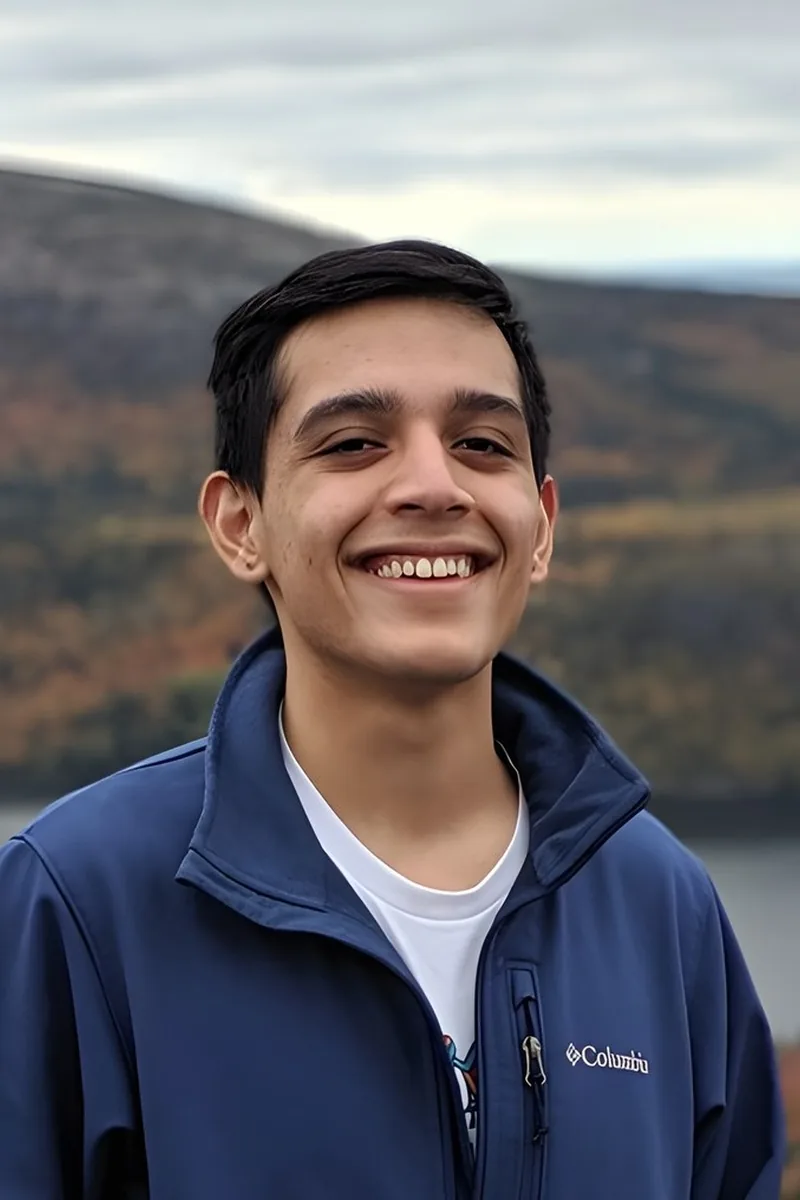
Enzyme kinetics, metabolic pathways, amino acid chemistry — biochemistry asks students to think like both a biologist and a chemist simultaneously. Ivan's background spanning cognitive science and the biological sciences, plus his MCAT teaching experience, means he can unpack reaction mechanisms and protein structure in ways that connect molecular detail to bigger physiological stories.
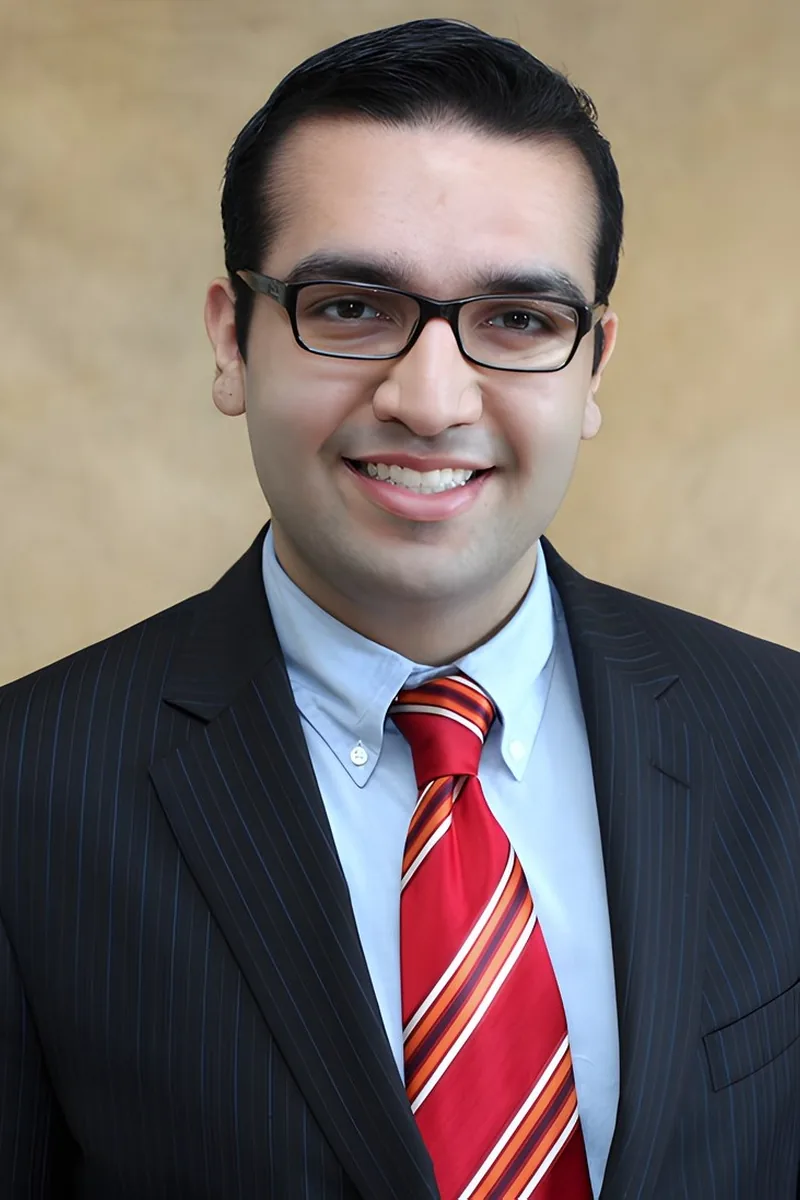
Rohan's economics training might seem distant from biochemistry, but econometrics and metabolic pathway analysis share a core skill — tracing how one variable's change cascades through an interconnected system. He applies that quantitative reasoning to topics like enzyme kinetics and metabolic regulation, breaking down rate equations and feedback loops with the same rigor he brings to economic models. Rated 4.9 by students.
Enzyme kinetics, metabolic pathways, protein structure — biochemistry asks students to think in three dimensions and across multiple reaction steps simultaneously. Kimanthi's biomedical engineering degree and graduate work in biomedical sciences gave her daily exposure to these concepts in both classroom and lab settings. She breaks down mechanisms like glycolysis and oxidative phosphorylation into logical sequences rather than memorization marathons.
Pre-med coursework at Northwestern means Manideep is actively working through the toughest parts of biochemistry right now — amino acid structures, membrane transport mechanisms, and the regulatory logic behind major metabolic pathways. That proximity to the material gives him a sharp sense of where students get stuck, especially when translating organic chemistry principles into biological contexts. Rated 5.0 by students.
Neuroscience majors don't just memorize biochemistry — they depend on it, and Janki's coursework at Kentucky meant tracing every concept from neurotransmitter metabolism to oxidative phosphorylation back to the underlying chemical logic. She teaches topics like enzyme regulation and pathway energetics by building each mechanism piece by piece, so students can predict what happens next in a pathway instead of relying on rote recall. Rated 4.8 by students.
Claire's chemistry degree and incoming medical school training at the University of Illinois College of Medicine mean she's worked through biochemistry from both the bench and the clinical side — enzyme mechanisms, metabolic regulation, and the molecular logic connecting organic chemistry to living systems. She breaks down dense pathways like the citric acid cycle or amino acid catabolism by mapping each step back to the underlying reaction chemistry, so students can reconstruct a pathway from principles instead of flashcards. Rated 5.0 by students.
Enzyme kinetics, metabolic pathways, protein structure — biochemistry sits at the intersection of two subjects David studied formally, with a bachelor's in chemistry and graduate-level exposure to biomolecular engineering. He digs into mechanisms like glycolysis and the citric acid cycle by connecting each step's chemistry to its biological purpose, so students retain the logic instead of just the diagram. That approach has earned him a 4.9 student rating.
Enzyme kinetics, metabolic pathways, and protein structure all demand a kind of thinking that sits right at the intersection of biology and chemistry — exactly where Jhonatan's neuroscience training lives. He unpacks topics like Michaelis-Menten kinetics and amino acid chemistry by connecting molecular details to the larger biological question of why a cell needs this reaction in the first place. Rated 5.0 by students.
Studying neuroscience at Vanderbilt means Avi lives in biochemistry — enzyme kinetics, metabolic pathways, and protein structure are part of his daily coursework. He unpacks topics like the citric acid cycle or amino acid chemistry by tracing the logic of each reaction rather than asking students to memorize arrows on a diagram.
Enzyme kinetics, metabolic pathways, and protein structure sit right at the intersection of Aimee's two degrees — chemical engineering and biosystems engineering. She unpacks topics like Michaelis-Menten kinetics and amino acid chemistry by tying them to the biomedical research context she works in at Georgia Tech, making dense material feel purposeful.
Studying biochemistry at Penn as part of a pre-health track, Shayan lives in the world of enzyme kinetics, metabolic pathways, and protein structure daily. He breaks down dense topics like the citric acid cycle or amino acid chemistry using visual analogies and step-by-step logic that make the connections between reactions stick long after the session ends.
Four years of medical school means Jordan has cycled through biochemistry multiple times — first mastering it for premed coursework, then again for the MCAT, and again for USMLE Step 1 — each pass deepening his grasp of how pathways like the urea cycle and oxidative phosphorylation connect to clinical medicine. That layered repetition lets him teach metabolic integration the way it actually gets tested: not as isolated reactions, but as interconnected systems where disrupting one enzyme cascades through the whole picture. Rated 5.0 by students.
Testimonials
Because the right Biochemistry tutor makes all the difference.
Average Session Rating – Based on 3.4M Learner Ratings
Practice Biochemistry
Free practice tests, flashcards, and AI tutoring for Biochemistry
Other Richmond Tutors
Related Science Tutors in Richmond
Frequently Asked Questions
Your first session is about understanding where you are and where you want to go. A tutor will assess your current understanding of biochemical concepts, identify specific areas of struggle (like enzyme kinetics or metabolic pathways), and discuss your goals—whether that's improving your grade, preparing for an exam, or building deeper comprehension. This foundation helps create a personalized plan tailored to your learning style and pace.
Biochemistry involves visualizing molecules, protein structures, and metabolic pathways that are impossible to see with the naked eye. Expert tutors use diagrams, molecular models, animations, and real-world analogies to make these abstract concepts concrete. Breaking down complex processes like cellular respiration or DNA replication into step-by-step visual explanations helps you build mental models that stick, rather than just memorizing facts.
Absolutely. Many students understand biochemistry theory but struggle to connect it to actual experiments and lab procedures. Tutors can help you see how concepts like pH, enzyme activity, and protein purification show up in the lab, explain the reasoning behind experimental design, and help you interpret results through a biochemical lens. This bridges the gap between classroom learning and hands-on scientific practice.
Memorizing metabolic pathways or reaction mechanisms without understanding them leads to confusion and poor performance on exams. Tutors focus on the "why" behind biochemical processes—why enzymes work the way they do, how energy is transferred, what role molecules play in larger systems. By building conceptual understanding through questions, problem-solving, and real-world connections, you'll retain information longer and apply it more effectively.
Students often struggle with balancing complex chemical equations, understanding enzyme kinetics and regulation, visualizing 3D protein structures, and connecting isolated concepts into larger metabolic systems. Many also find it challenging to move from memorizing facts to applying biochemical reasoning to new problems. Personalized tutoring targets your specific pain points, whether that's thermodynamics, acid-base chemistry, or integrating multiple pathways.
Ideally, starting 4-6 weeks before a major exam gives you time to build understanding gradually and identify gaps before cramming. However, even 2-3 weeks of focused tutoring can significantly improve your performance if you're struggling with specific topics. The key is consistent, targeted practice rather than last-minute review—tutors help you develop problem-solving strategies and reinforce concepts through spaced repetition, which leads to better retention and exam performance.
Look for tutors with strong backgrounds in chemistry, biology, or biochemistry—ideally with college-level coursework or advanced degrees. Beyond credentials, the best tutors can explain complex concepts clearly, adapt to your learning style, and connect theory to real-world applications. When you connect with a tutor through Varsity Tutors, you're matched with someone who has demonstrated expertise in biochemistry and a track record of helping students succeed.
Ongoing tutoring throughout the semester is ideal because biochemistry builds on itself—understanding early concepts like enzyme structure makes later topics like metabolic regulation much easier. Regular sessions help you stay current with coursework, prevent knowledge gaps from widening, and reduce exam anxiety. That said, even students who tutor regularly often increase frequency before exams to focus on problem-solving and exam-specific strategies.
Let’s find your perfect tutor
Answer a few quick questions. We’ll recommend the right plan and match you with a top 5% tutor.