Award-Winning AP Biology Tutors
serving Virginia Beach, VA
AP Biology
Tutors in Virginia Beach
Private 1-on-1 tutoring, weekly live classes for academic support, test prep & enrichment, practice tests and diagnostics, and more to elevate grades and test scores.
Based on 3.4M Learner Ratings
UniversitiesSchools & Universities
DeliveredHours Delivered
ProficiencyGrowth in Proficiency
Who needs tutoring?
No obligation. Takes ~1 minute.
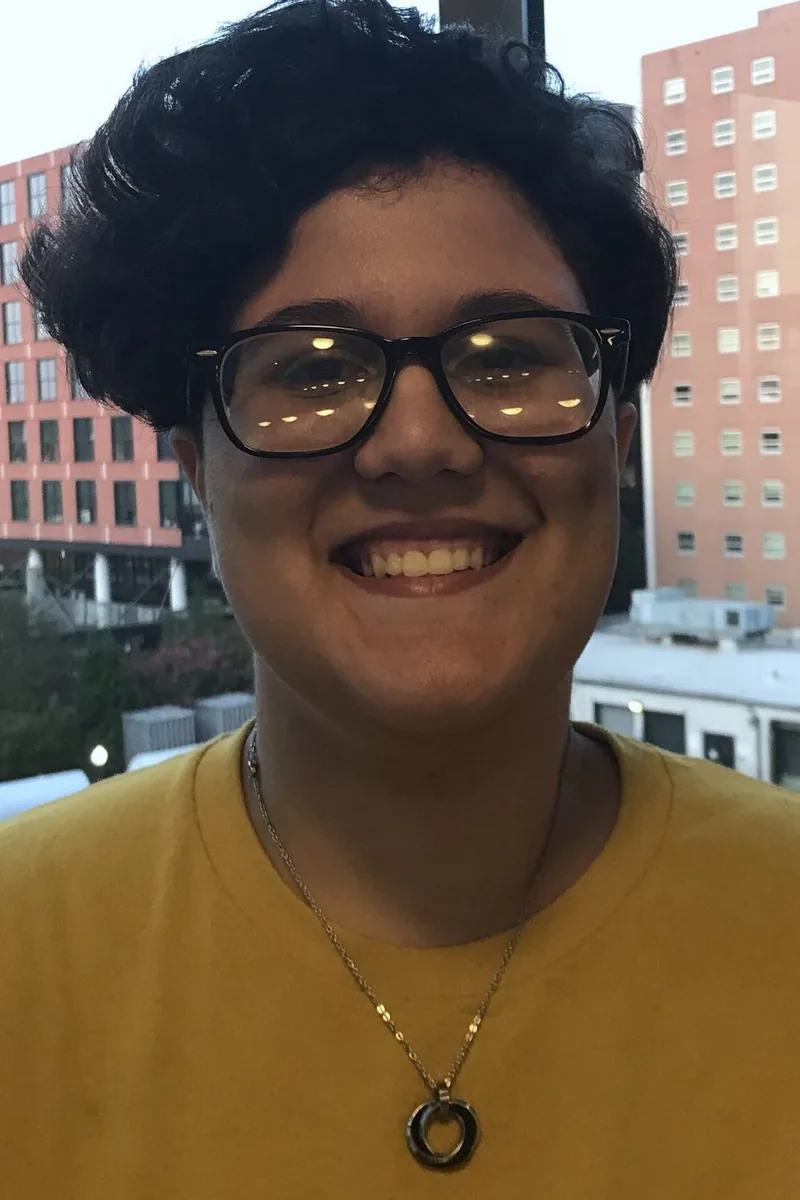
I'm a current medical student at VCU School of Medicine, and a graduate of Johns Hopkins University. I received my Bachelor of Science in Molecular and Cellular Biology. I've had the pleasure of tutoring a diverse range of students for 5 years; while I tutor a broad set of subjects, I'm most passionate about biology, psychology, and chemistry. I'm a big proponent of ensuring understanding over memorization and teaching concepts that last for years to come (particularly for other students interested in medicine!) In my free time, I love to write poetry, edit essays, and gush about game writing with friends.
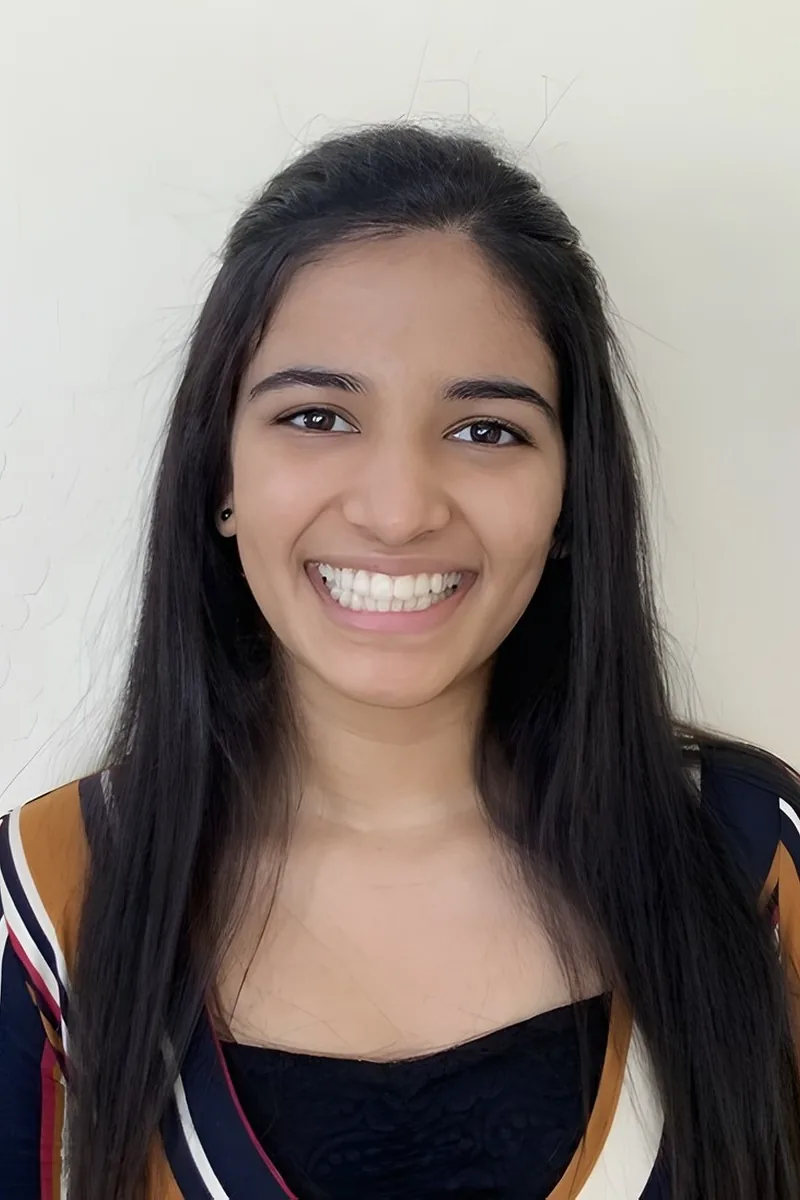
Scoring well on the AP Biology exam means doing more than recalling facts; students need to interpret experimental data, construct arguments from evidence, and apply concepts like gene regulation or ecological dynamics to unfamiliar scenarios. Roshni's biology major and pre-med training at VCU give her deep fluency with every unit in the curriculum, from cellular energetics to evolution. She teaches students to think like the exam writers — identifying what a free-response question is really testing.
I am currently a lead preschool teacher. I received my Bachelor's in Psychology from VCU and am looking to return to school to further my education. While in college, I worked as a Supplemental Instruction leader, teaching general biology and anatomy. I have also worked in an after school program with elementary age children, but I have my fondest memories volunteering as a counselor for Camp Kesem. In my own experience, I loved school and now I love teaching even more at all age levels! I especially enjoy the challenge of getting creative to discover what approach and mediums work best for each student. I am available for in person as well as online tutoring.
Running a STEM mentoring program for elementary school girls means Kara regularly translates complex biology into language that clicks — a skill that pays off when AP Bio students need to articulate processes like photosynthesis or cell division in their own words on free-response questions. She's pursuing her biology degree on UVA's pre-med track with additional coursework in public health, so the exam's units on ecology, disease, and population dynamics draw on material she's actively studying at the college level.
Biochemistry and psychology might sound like two separate majors, but Raksha's combination is exactly what AP Bio's toughest units demand — biochemistry for the cellular energetics and molecular genetics content, psychology for the behavioral ecology and nervous system questions that catch students off guard. She's studying this material at the college level at Pitt right now, which means enzyme kinetics, photosynthesis pathways, and signal transduction aren't abstract review topics but active coursework she can explain with the detail the free-response questions expect.
Studying biology and Spanish simultaneously in college means Amanda is working through the same cellular processes, genetics, and ecology content that AP Bio covers — right now, not from memory. She's especially good at breaking down dense topics like photosynthesis or DNA replication into smaller, logical steps, which is the exact skill students need when tackling the exam's multi-part free-response questions.
A molecular biology degree means Andrew has worked through the central dogma, cell division, and metabolic pathways at the bench level — exactly the content AP Bio's exam leans on hardest. His PhD training in law and management might seem unrelated, but it sharpened the argumentative writing skills that translate directly to constructing the multi-part explanations free-response questions demand. Rated 4.8 by students.
The AP Biology exam tests whether you can apply concepts — designing experiments around cellular respiration, interpreting data on gene expression, reasoning through ecological models. As a biology major at Stanford, Helen digs into these application-style questions and teaches the kind of scientific thinking the exam actually rewards. She holds a 5.0 client rating.
Biophysics at Rice means Aadith studies biological systems through a quantitative lens — analyzing protein folding energetics, membrane dynamics, and molecular interactions — which gives him an unusual edge on AP Bio's units covering macromolecule structure, enzyme kinetics, and cellular energetics. He's also actively taking biochemistry coursework alongside his physics major, so he can explain concepts like the chemiosmotic mechanism or allosteric regulation with the kind of molecular-level precision that earns full credit on free-response questions.
Studying neurobiology and behavior at Penn means Emily lives in the territory where AP Bio gets hardest — signal transduction, nervous system function, and the molecular machinery behind how cells communicate and respond to their environment. She's especially good at unpacking the genetics-to-phenotype pipeline, showing students how a mutation in one gene can ripple through protein folding, cell signaling, and ultimately organism-level behavior. Rated 5.0 by students.
A Yale biochemistry degree plus a year of wet lab research at the NIH means Matthew knows AP Biology's toughest units — molecular genetics, cellular energetics, signal transduction — from the inside out. He teaches the exam's data-analysis questions the way a working scientist reads them: by identifying variables, controls, and what the graph is actually telling you. His 4.9 rating speaks to how well that real-world perspective translates in sessions.
Annabel is a molecular biology major heading to medical school, so the content on the AP Bio exam — from cellular respiration and signal transduction to gene regulation and evolutionary evidence — is material she uses daily in her coursework and lab work. She teaches students to think in the way the exam rewards: interpreting data sets, designing experiments, and connecting molecular details to big-picture biological themes.
The premedicine track at Rochester means Ian has taken the full sequence of biology courses — genetics, cell biology, physiology — alongside the chemistry that makes AP Bio's trickier units on enzyme kinetics and cellular energetics click. He's especially good at unpacking how molecules actually behave during processes like photosynthesis or signal transduction, giving students the mechanistic detail that earns full credit on free-response questions. Holds a 5.0 rating.
Teaching has been a lifelong passion of mine. What drives me is sharing knowledge while genuinely connecting with others. I discovered my love for tutoring in high school and have been dedicated to it ever since. At Stanford University, I earned a BS in Human Biology and Chemistry while continuing to tutor throughout, advancing to Lead Tutor. After graduation, I spent a year as a Teaching Associate, designing and delivering course content which significantly broadening my pedagogical approach. What sets me apart is my versatility. Having served as both tutor and instructor, I can adapt my teaching style to each student's unique needs, whether that be building up foundational skills or pursuing advanced mastery. I'm now pursuing graduate studies at The Johns Hopkins School of Medicine, staying engaged with cutting-edge science while maintaining my commitment to education. I look forward to helping you achieve your academic goals!
AP Bio covers a staggering range — from cellular respiration pathways to ecology population models to gene regulation — and the exam rewards students who can analyze data, not just recall facts. Kate's science background and engineering training make her especially sharp on the quantitative side of the course, including Chi-square analysis, Hardy-Weinberg calculations, and interpreting experimental results.
UCLA's Physiological Sciences program and subsequent research work gave Annie deep fluency with the organ-system and cellular-level biology that AP Bio tests — particularly the units on homeostasis, membrane dynamics, and metabolic regulation. Now a second-year medical student, she teaches students to think like the exam writers do: tracing a biological mechanism from molecule to organism, which is the connective reasoning that earns full marks on free-response questions. Rated 5.0 by students.
The free-response questions on the AP Bio exam reward students who can explain *why* a process works, not just label its steps — and Rebecca's biology degree means she's spent years building that kind of mechanistic thinking around topics like gene regulation, cellular energetics, and ecological dynamics. She also brings strong writing chops from her English and composition background, which turns out to be a real advantage when students need to construct clear, logical explanations under time pressure. Rated 5.0 by students.
Todd's undergraduate biology degree from UIUC gives him the content foundation for AP Bio, but it's his 33 ACT and analytical training through his University of Chicago graduate work that sharpen how he teaches the exam's trickiest skill: translating dense lab data into clear, structured free-response answers. He zeroes in on the units where students lose the most points — cellular energetics and heredity — and builds the kind of process-level reasoning that turns memorized pathways into usable knowledge on test day.
Testimonials
Because the right AP Biology tutor makes all the difference.
Average Session Rating – Based on 3.4M Learner Ratings
Practice AP Biology
Free practice tests, flashcards, and AI tutoring for AP Biology
Other Virginia Beach Tutors
Related Science Tutors in Virginia Beach
Frequently Asked Questions
AP Biology covers eight major units: chemistry of life, cell structure and function, cellular transport, cell communication and division, heredity, gene expression, natural selection, and ecology. The exam tests your understanding of these concepts through multiple-choice questions, free-response questions, and lab-based scenarios. A strong foundation in each unit is essential for scoring well on the May exam.
Score improvement depends on your starting point and effort level, but personalized 1-on-1 instruction typically helps students identify knowledge gaps and strengthen weak areas within weeks. Many students see meaningful gains by focusing on consistently challenging topics—like photosynthesis, evolution, or genetics—and practicing free-response questions with targeted feedback. Regular practice combined with expert guidance makes a measurable difference.
Students for AP Biology in Virginia Beach often struggle most with quantitative reasoning (like Hardy-Weinberg calculations and photosynthesis stoichiometry), understanding complex systems (like cell signaling and ecological relationships), and connecting molecular concepts to organism-level processes. Free-response questions also challenge many students because they require explaining concepts in depth rather than just selecting answers. Targeted tutoring on these areas helps build confidence and mastery.
Success on AP Biology requires managing your time across 90 minutes of multiple-choice (60 questions) and 90 minutes of free-response (6 questions). Key strategies include reading questions carefully to identify what's being asked, using process of elimination on multiple-choice, and outlining your answer before writing free-response responses. Practice tests under timed conditions help you develop pacing and reduce test anxiety before exam day.
Ideally, take full-length practice tests every 2-3 weeks once you've covered most units, then increase frequency to weekly in the final month before the exam. Practice tests serve two purposes: they build stamina for the 3-hour exam and reveal which concepts need more review. After each test, analyze your mistakes to identify patterns—whether you're missing conceptual questions, struggling with data interpretation, or running out of time.
An effective AP Biology tutor should have deep knowledge of the AP curriculum and exam format, experience teaching or tutoring the subject, and the ability to explain complex concepts clearly. Tutors who have scored well on the AP exam themselves or have taught AP-level biology understand the specific challenges students face and know how to build both understanding and test-taking confidence. Varsity Tutors connects you with expert tutors who bring this experience to every session.
Your first session typically focuses on assessment—your tutor will review your current understanding, identify your strongest and weakest units, and discuss your goals (score target, timeline, specific challenges). From there, you'll develop a personalized study plan that prioritizes the topics most important for your score improvement. This foundation ensures every future session builds directly toward your goals.
Starting 3-4 months before the May exam gives you time to fill knowledge gaps, practice extensively, and build confidence. However, even 6-8 weeks of focused tutoring can significantly improve your score if you're willing to commit to consistent study and practice tests. The earlier you start, the more time you have to master difficult concepts and develop strong test-taking habits.
Let’s find your perfect tutor
Answer a few quick questions. We’ll recommend the right plan and match you with a top 5% tutor.