Award-Winning AP Biology Tutors
serving Richmond, VA
AP Biology
Tutors in Richmond
Private 1-on-1 tutoring, weekly live classes for academic support, test prep & enrichment, practice tests and diagnostics, and more to elevate grades and test scores.
Based on 3.4M Learner Ratings
UniversitiesSchools & Universities
DeliveredHours Delivered
ProficiencyGrowth in Proficiency
Who needs tutoring?
No obligation. Takes ~1 minute.
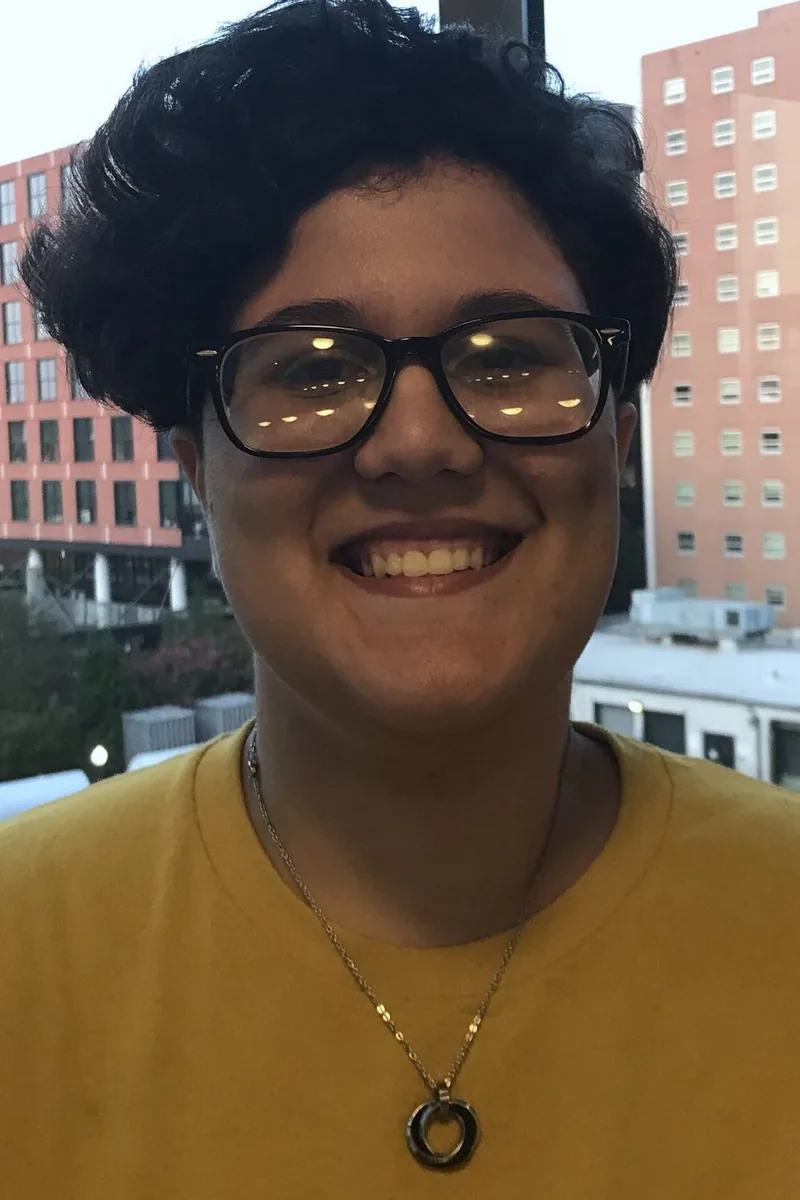
I'm a current medical student at VCU School of Medicine, and a graduate of Johns Hopkins University. I received my Bachelor of Science in Molecular and Cellular Biology. I've had the pleasure of tutoring a diverse range of students for 5 years; while I tutor a broad set of subjects, I'm most passionate about biology, psychology, and chemistry. I'm a big proponent of ensuring understanding over memorization and teaching concepts that last for years to come (particularly for other students interested in medicine!) In my free time, I love to write poetry, edit essays, and gush about game writing with friends.
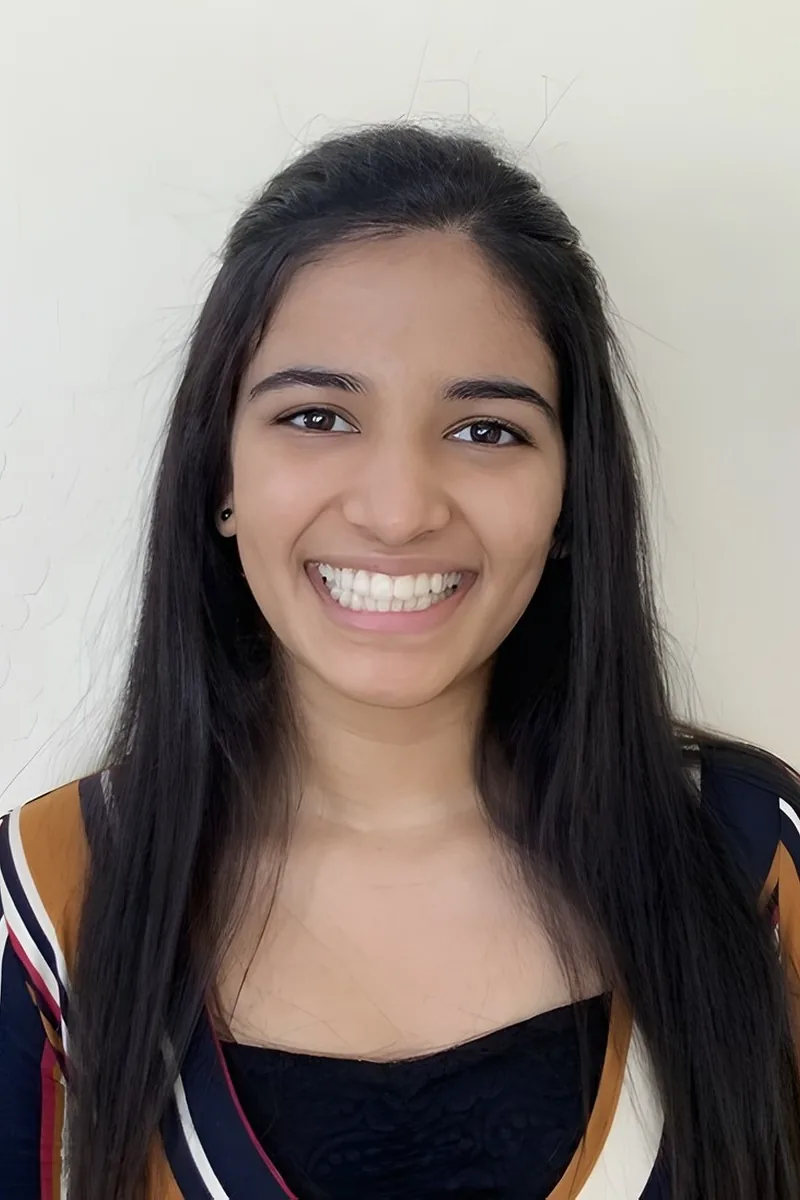
Scoring well on the AP Biology exam means doing more than recalling facts; students need to interpret experimental data, construct arguments from evidence, and apply concepts like gene regulation or ecological dynamics to unfamiliar scenarios. Roshni's biology major and pre-med training at VCU give her deep fluency with every unit in the curriculum, from cellular energetics to evolution. She teaches students to think like the exam writers — identifying what a free-response question is really testing.
I am currently a lead preschool teacher. I received my Bachelor's in Psychology from VCU and am looking to return to school to further my education. While in college, I worked as a Supplemental Instruction leader, teaching general biology and anatomy. I have also worked in an after school program with elementary age children, but I have my fondest memories volunteering as a counselor for Camp Kesem. In my own experience, I loved school and now I love teaching even more at all age levels! I especially enjoy the challenge of getting creative to discover what approach and mediums work best for each student. I am available for in person as well as online tutoring.
Running a STEM mentoring program for elementary school girls means Kara regularly translates complex biology into language that clicks — a skill that pays off when AP Bio students need to articulate processes like photosynthesis or cell division in their own words on free-response questions. She's pursuing her biology degree on UVA's pre-med track with additional coursework in public health, so the exam's units on ecology, disease, and population dynamics draw on material she's actively studying at the college level.
Biochemistry and psychology might sound like two separate majors, but Raksha's combination is exactly what AP Bio's toughest units demand — biochemistry for the cellular energetics and molecular genetics content, psychology for the behavioral ecology and nervous system questions that catch students off guard. She's studying this material at the college level at Pitt right now, which means enzyme kinetics, photosynthesis pathways, and signal transduction aren't abstract review topics but active coursework she can explain with the detail the free-response questions expect.
Studying biology and Spanish simultaneously in college means Amanda is working through the same cellular processes, genetics, and ecology content that AP Bio covers — right now, not from memory. She's especially good at breaking down dense topics like photosynthesis or DNA replication into smaller, logical steps, which is the exact skill students need when tackling the exam's multi-part free-response questions.
Owen is a neuroscience major at Brown, which means AP Biology's toughest units — cell signaling, gene expression, and cellular energetics — overlap directly with material he's studied at the college level. He teaches students to think like the exam demands: interpreting experimental data, constructing explanations using evidence, and connecting molecular-scale processes to organism-level outcomes.
Stanford's Human Biology program with a bioinformatics and stem cell science concentration meant Matthew spent his coursework at the intersection of computation and living systems — analyzing gene expression data, studying cell differentiation pathways, and thinking about biology as information processing. That lens is especially useful for AP Bio's molecular biology and genetics units, where students need to trace how information encoded in DNA gets read, regulated, and occasionally misread. Rated 4.9 by students.
Ethan's economics and public policy studies at the University of Chicago aren't a typical path into AP Bio, but they've made him sharp at interpreting data sets, constructing evidence-based arguments, and reasoning through cause-and-effect chains — all skills the exam's free-response questions heavily reward. He's especially useful for students who struggle with the experimental design and data analysis portions of the test, where reading graphs and evaluating hypotheses matters more than memorizing vocabulary.
A molecular biology degree means Andrew has worked through the central dogma, cell division, and metabolic pathways at the bench level — exactly the content AP Bio's exam leans on hardest. His PhD training in law and management might seem unrelated, but it sharpened the argumentative writing skills that translate directly to constructing the multi-part explanations free-response questions demand. Rated 4.8 by students.
Biophysics at Rice means Aadith studies biological systems through a quantitative lens — analyzing protein folding energetics, membrane dynamics, and molecular interactions — which gives him an unusual edge on AP Bio's units covering macromolecule structure, enzyme kinetics, and cellular energetics. He's also actively taking biochemistry coursework alongside his physics major, so he can explain concepts like the chemiosmotic mechanism or allosteric regulation with the kind of molecular-level precision that earns full credit on free-response questions.
AP Biology's free-response questions demand more than memorized facts — they want students to design experiments, interpret data, and argue from evidence about topics like gene regulation or ecosystem dynamics. Andrew's ongoing work in biochemical laboratories means he teaches these skills from firsthand experience, walking students through cellular respiration or signal transduction the way a researcher actually thinks about them.
Saniya's neuroscience degree at Rhodes College required her to learn biology from the molecular scale up — gene expression, cell signaling, neural communication — which means she's tackled AP Bio's toughest conceptual territory in a context where every pathway had to connect to a bigger physiological story. She's continued auditing advanced coursework in anatomy, histology, and embryology since graduating, so the organism-level units on body systems and development are still sharp. Rated 5.0 by students.
Srini is studying molecular biophysics at Brown, which means AP Bio topics like cell signaling cascades, gene expression, and membrane transport aren't just exam material — they're his daily coursework. He unpacks the why behind each biological process, connecting molecular details to the big-picture themes the AP exam rewards. Rated 4.8 by students.
The free-response questions on the AP Bio exam reward students who can explain *why* a process works, not just label its steps — and Rebecca's biology degree means she's spent years building that kind of mechanistic thinking around topics like gene regulation, cellular energetics, and ecological dynamics. She also brings strong writing chops from her English and composition background, which turns out to be a real advantage when students need to construct clear, logical explanations under time pressure. Rated 5.0 by students.
A neuroscience degree plus a master's in biotechnology means Rithi has spent serious time with the molecular and cellular content that trips up most AP Bio students — think signal transduction pathways, gene regulation, and how neurons actually fire. She's now in medical school at Robert Wood Johnson, so she's applying these concepts daily at a level well beyond what the exam demands, which makes her especially sharp at unpacking the mechanistic "explain how" questions the free-response section loves to ask.
Studying biological engineering at MIT means Lainie encounters AP Bio's core content — gene regulation, cellular energetics, metabolic pathways — through the lens of designing and modeling biological systems, which gives her a more mechanistic understanding than a standard biology curriculum provides. She scored a 1580 SAT and has tutored students as young as four, so she's practiced at adjusting her explanations to match exactly how much detail a student can absorb. Rated 5.0 by students.
Fourth-year med student at Albert Einstein College of Medicine, Michael has spent years applying the biology he first studied as a summa cum laude graduate in Biology from Yeshiva College — so AP Bio's units on genetics, cellular processes, and physiology aren't abstract for him, they're the foundation of his daily clinical work. His experience teaching MCAT prep for Kaplan means he's already coached students through the same high-stakes biological reasoning that AP Bio's free-response questions demand, especially the kind where you need to connect a molecular mechanism to an organism-level outcome.
Testimonials
Because the right AP Biology tutor makes all the difference.
Average Session Rating – Based on 3.4M Learner Ratings
Practice AP Biology
Free practice tests, flashcards, and AI tutoring for AP Biology
Other Richmond Tutors
Related Science Tutors in Richmond
Frequently Asked Questions
Score improvement depends on your starting point and commitment level, but most students see meaningful gains within 8-12 weeks of consistent tutoring. A tutor can help you master the most heavily weighted topics (like cellular respiration, photosynthesis, and genetics), identify gaps in your understanding, and teach you how to approach free-response questions strategically—all of which directly impact your final score.
Many students struggle with the sheer volume of content—AP Biology covers 13 units across cellular biology, genetics, evolution, and ecology. Beyond memorization, the exam requires you to apply concepts to unfamiliar scenarios, which trips up students who've only memorized definitions. Time management during the exam is another challenge; the free-response section requires clear, concise explanations that students often rush through.
Varsity Tutors connects you with expert tutors who tailor their approach to your needs. Your tutor will assess which units you find most challenging, create a focused study plan, work through practice problems with you, and teach you test-taking strategies specific to AP Biology's format. Whether you're preparing months in advance or cramming before the exam, your tutor adjusts the pace and depth to match your timeline.
Free-response questions require more than just knowing the content—you need to explain your reasoning clearly and concisely. A tutor can teach you how to structure your answers to earn maximum points, practice with released AP exam questions, and give you feedback on common mistakes like missing key vocabulary or failing to explain the 'why' behind biological processes. Regular practice with timed responses builds confidence and speed.
Anxiety often stems from feeling unprepared or uncertain about what to expect. A tutor reduces this by building your mastery of challenging topics, familiarizing you with the exact exam format through practice tests, and teaching you pacing strategies so you're not rushed during the test. When you know the material and have a game plan, confidence naturally follows.
Ideally, start preparing 3-4 months before the May exam, but even 6-8 weeks of focused tutoring can make a significant difference. If you're already in AP Biology class, tutoring works best when paired with your coursework—your tutor can reinforce what you're learning in class and help you master units before moving on. If you're closer to exam day, a tutor can help you prioritize the highest-impact topics and practice questions strategically.
Look for tutors with strong biology backgrounds—ideally someone who has taught AP Biology, scored well on the exam themselves, or has a degree in biology or a related field. Beyond credentials, you want someone who understands the specific challenges of the AP exam format and can explain complex concepts clearly. When you connect with a tutor through Varsity Tutors, you can discuss their experience with AP Biology specifically.
Richmond's 8 school districts offer AP Biology through various high schools, and many students benefit from combining classroom instruction with personalized tutoring. Varsity Tutors connects you with expert tutors for students in Richmond who understand the AP curriculum and can supplement your school's teaching with targeted, one-on-one instruction tailored to your pace and learning style.
Let’s find your perfect tutor
Answer a few quick questions. We’ll recommend the right plan and match you with a top 5% tutor.