Award-Winning AP Biology Tutors
serving Salt Lake City, UT
AP Biology
Tutors in Salt Lake City
Private 1-on-1 tutoring, weekly live classes for academic support, test prep & enrichment, practice tests and diagnostics, and more to elevate grades and test scores.
Based on 3.4M Learner Ratings
UniversitiesSchools & Universities
DeliveredHours Delivered
ProficiencyGrowth in Proficiency
Who needs tutoring?
No obligation. Takes ~1 minute.
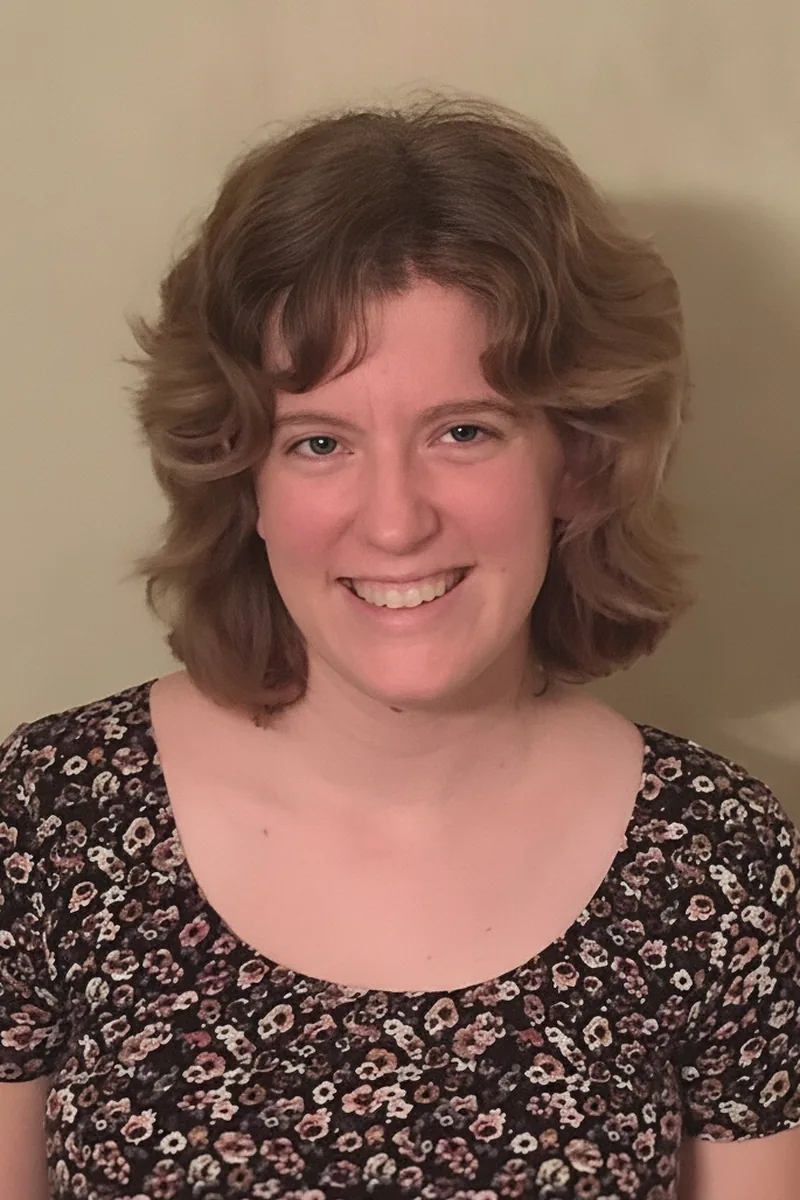
A PhD in biomedical engineering built on a biochemistry foundation means Kristina has spent years at the intersection of molecular biology and quantitative analysis — exactly the combination AP Bio demands when students need to interpret gel electrophoresis results or explain enzyme kinetics with real data. She's also stepping into a lecturing role for General Biology at Paul Quinn College, so she's actively organizing the same cellular processes and genetics content the exam covers into teachable, exam-ready frameworks. Rated 5.0 by students.
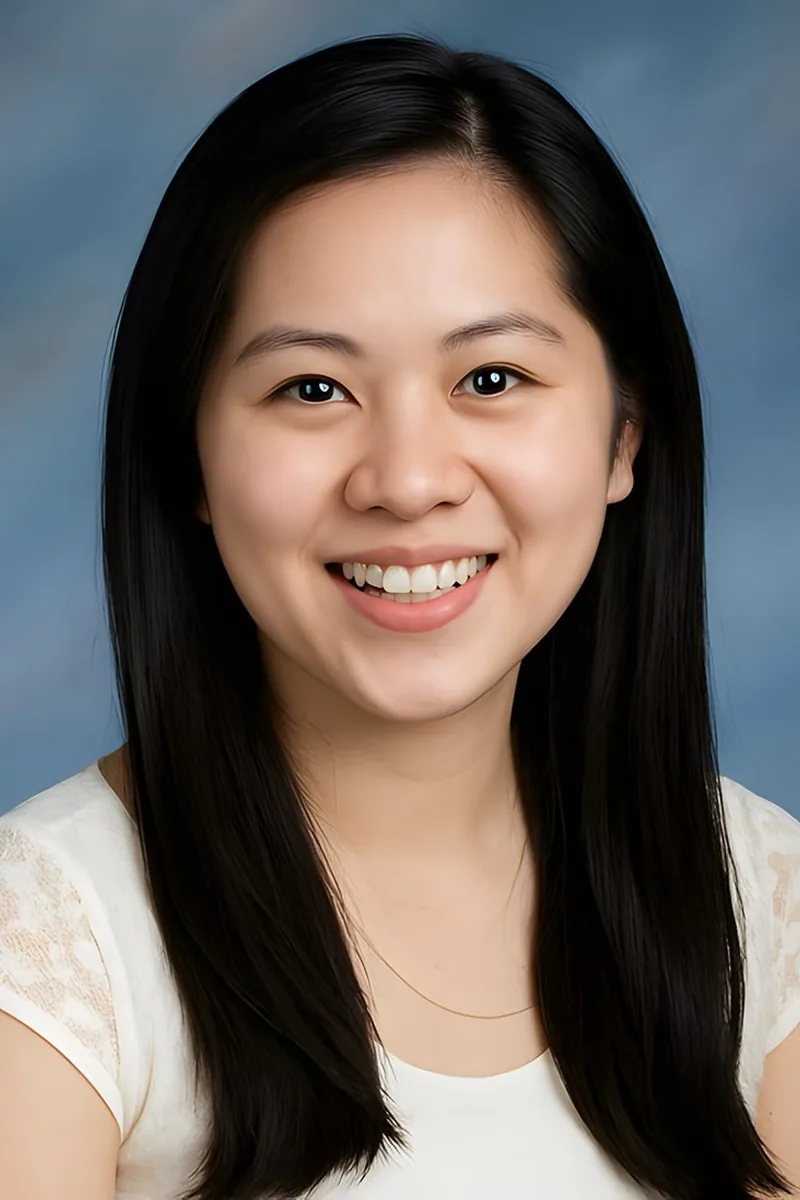
The AP Biology exam tests whether you can apply concepts — designing experiments around cellular respiration, interpreting data on gene expression, reasoning through ecological models. As a biology major at Stanford, Helen digs into these application-style questions and teaches the kind of scientific thinking the exam actually rewards. She holds a 5.0 client rating.
Nicolette's bioengineering degree from Rice meant she didn't just memorize biological systems — she had to model them, which is exactly the kind of mechanistic thinking AP Bio's free-response questions demand when students need to explain processes like signal transduction or feedback in gene regulation. Her engineering training makes her especially sharp at teaching students to reason through experimental design and data interpretation questions, where you have to connect variables to biological outcomes rather than just recall facts. Rated 5.0 by students.
AP Biology's shift toward data analysis and experimental design catches many students off guard — it's no longer enough to memorize cell structures and metabolic pathways. Noel's policy-analysis training at the University of Chicago sharpened his ability to interpret graphs, evaluate experimental controls, and construct evidence-based arguments, which maps directly onto the AP exam's free-response demands. He pairs content review with targeted practice on the analytical skills the College Board actually tests.
The free-response questions on the AP Bio exam reward students who can explain *why* a process works, not just label its steps — and Rebecca's biology degree means she's spent years building that kind of mechanistic thinking around topics like gene regulation, cellular energetics, and ecological dynamics. She also brings strong writing chops from her English and composition background, which turns out to be a real advantage when students need to construct clear, logical explanations under time pressure. Rated 5.0 by students.
A UCLA biology grad with cum laude honors now pursuing his MD at the Medical College of Wisconsin, Abrahim has studied AP Bio's content at every level — from undergrad genetics and cell biology through the clinical physiology he encounters in medical school daily. He's particularly sharp at teaching students how to design and interpret experiments, a skill he honed through years of science coursework and standardized exam prep where data analysis is make-or-break. Rated 5.0 by students.
Graduate research in Chemical and Physical Biology at Vanderbilt meant Dennis spent years at the intersection of chemistry and living systems — dissecting metabolic pathways, protein interactions, and cellular energetics at a level that makes AP Bio's toughest biochemistry content second nature. His biochemistry undergraduate degree adds even more depth to the molecular biology and genetics units, where he can unpack processes like enzyme kinetics or gene regulation by grounding them in the actual chemistry students rarely get to see in a high school course. Rated 5.0 by students.
Ellie's biomedical engineering coursework at Yale — plus her autism research in the School of Medicine — means she's working with the molecular and cellular biology that AP Bio tests at a level where she can explain not just what happens during signal transduction or gene regulation, but why it matters in a living system. She also tutors a Differential Equations course weekly, so she's comfortable with the quantitative reasoning behind chi-square problems and data analysis that trips up students on the exam's free-response sections. Rated 5.0 by students.
Between her teaching assistant role for introductory biology at Cornell and her active cancer immunotherapy research on melanoma, Annie lives the material that AP Biology tests. She digs into the toughest units — cell signaling, gene expression and regulation, energy pathways — with the kind of mechanistic detail that earns 4s and 5s on the exam.
Dental school at UMKC required Nik to master the same molecular biology, genetics, and physiology that AP Bio covers — but at a clinical depth where understanding how a mutation affects protein folding actually matters for diagnosing patients. His biology degree gave him the foundational content, and his 4.9 rating from students suggests he's figured out how to make dense topics like cellular energetics and heredity click for others, not just himself.
Succeeding on the AP Biology exam means going beyond memorizing cell structures and metabolic pathways — it means interpreting experimental data, constructing explanations, and reasoning across biological scales from molecules to ecosystems. Jake studies Human Biology at Stanford, where his coursework in genetics, physiology, and ecology maps directly onto the AP curriculum's four big ideas.
As a neuroscience major on the pre-med track at Vanderbilt, Eileen lives inside the material AP Biology tests: cell signaling, gene expression, metabolic pathways, and evolutionary mechanisms. She unpacks dense topics like the lac operon or oxidative phosphorylation by sketching out each step visually, turning overwhelming detail into a logical sequence students can actually reconstruct on exam day.
AP Bio covers an enormous range — from cellular respiration and gene expression to ecology and evolution — and the exam rewards students who can apply concepts to unfamiliar experimental scenarios. Lauren's dual background in neuroscience and chemistry at Duke means she connects molecular-level detail to big-picture biological systems, which is exactly the kind of thinking the free-response questions demand.
Testimonials
Because the right AP Biology tutor makes all the difference.
Average Session Rating – Based on 3.4M Learner Ratings
Practice AP Biology
Free practice tests, flashcards, and AI tutoring for AP Biology
Nearby AP Biology Tutors
Other Salt Lake City Tutors
Related Science Tutors in Salt Lake City
Frequently Asked Questions
AP Biology covers eight major units: chemistry of life, cell structure and function, cellular transport, cell communication and division, heredity, gene expression and regulation, natural selection, and ecology. The exam tests your understanding of these concepts through multiple-choice questions, free-response questions, and lab-based scenarios. A strong foundation in each unit is essential for scoring well on the May exam.
Score improvement depends on your starting point and how consistently you engage with tutoring and practice. Students who work with expert tutors typically see gains of 1-2 points on the AP scale (out of 5) over several months, especially when combining personalized instruction with regular practice tests and review. The key is identifying your weakest units early and building a focused study plan around them.
Many students struggle with the interconnected nature of AP Biology—topics like photosynthesis, cellular respiration, and enzyme kinetics require deep conceptual understanding rather than memorization. Free-response questions also challenge students who can identify concepts but struggle to explain mechanisms clearly. Time management during the exam is another common issue, as students often spend too long on early questions and rush through later ones.
Starting tutoring in the fall or early winter gives you 4-6 months to work through all eight units systematically, which is ideal for building mastery. If you're starting closer to the exam, even 8-12 weeks of focused tutoring can help you solidify weak areas and refine test-taking strategies. Consistency matters more than duration—regular weekly sessions are more effective than cramming intensive sessions right before May.
Practice tests are crucial—they help you understand the exam format, identify weak units, and build stamina for the 3-hour exam. Experts recommend taking full-length practice tests every 2-3 weeks during your study period, then reviewing every question you missed to understand why. Tutors can help you analyze your practice test results to pinpoint whether you're struggling with specific content, pacing, or question interpretation.
Test anxiety often stems from feeling unprepared or uncertain about question formats. Working through practice tests under timed conditions with a tutor helps normalize the exam experience and builds confidence. Tutors can also teach you strategies like reading questions carefully before answering, skipping difficult questions and returning to them, and managing your time across the multiple-choice and free-response sections.
Varsity Tutors connects you with expert tutors in Salt Lake City who specialize in AP Biology and understand the specific challenges of the curriculum. When you get matched with a tutor, you can discuss your current level, target score, and availability to create a personalized study plan. Most tutors offer flexibility in scheduling and can adjust their approach based on whether you need help with specific units or overall exam strategy.
Your first session is typically an assessment and planning meeting. Your tutor will review your current understanding of AP Biology concepts, discuss your target score and timeline, and identify your strongest and weakest areas. From there, they'll create a customized study plan that focuses on building foundational knowledge where needed and refining test-taking strategies for areas where you're already strong.
Let’s find your perfect tutor
Answer a few quick questions. We’ll recommend the right plan and match you with a top 5% tutor.