Award-Winning Elementary School Reading Tutors
serving Salt Lake City, UT
Elementary School Reading
Tutors in Salt Lake City
Private 1-on-1 tutoring, weekly live classes for academic support, test prep & enrichment, practice tests and diagnostics, and more to elevate grades and test scores.
Based on 3.4M Learner Ratings
UniversitiesSchools & Universities
DeliveredHours Delivered
ProficiencyGrowth in Proficiency
Who needs tutoring?
No obligation. Takes ~1 minute.

Phonics, sight words, and fluency drills are important — but Kristin also emphasizes comprehension from the very beginning, asking young readers to predict, retell, and connect stories to their own experiences. This approach builds readers who understand what they're reading, not just kids who can sound out words. She's rated 5.0 by families she's worked with.
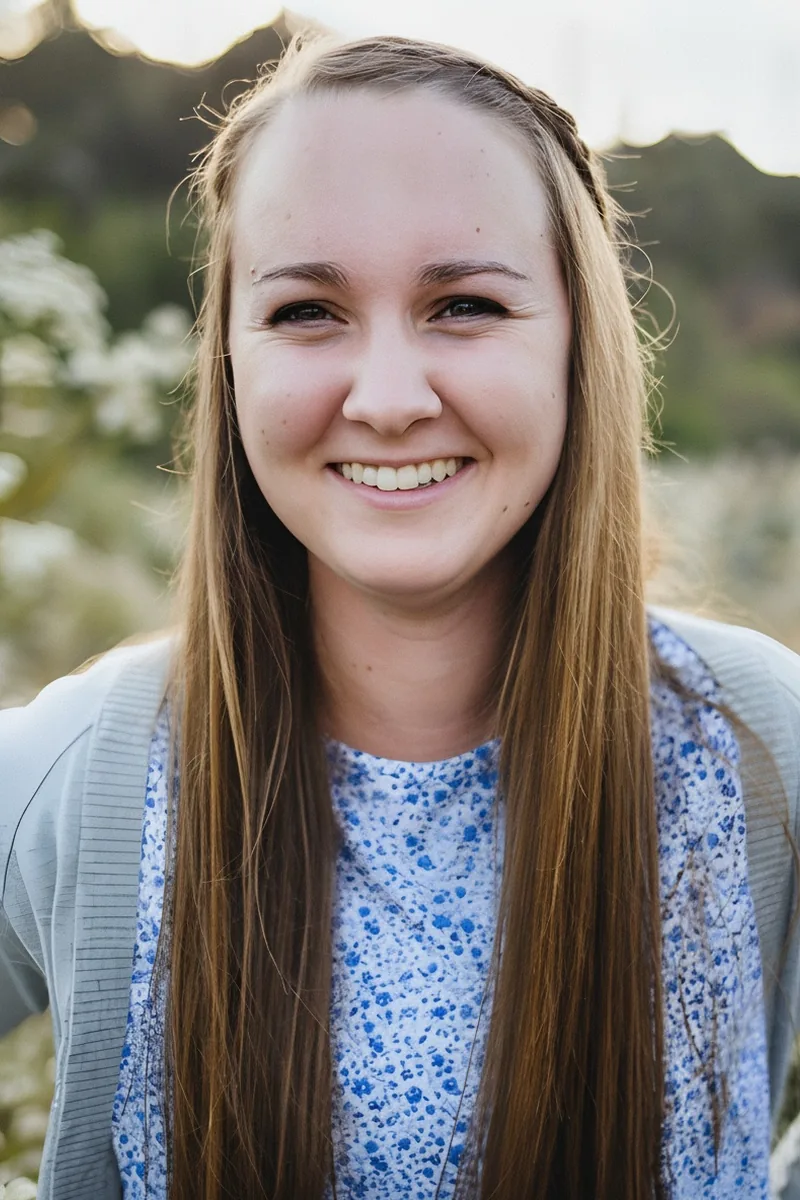
Getting young readers to move from decoding words to actually understanding a story — making predictions, identifying main ideas, connecting details — is the core challenge of elementary reading. Heather's Elementary Education training at BYU, paired with her TESOL minor, gives her specific strategies for building comprehension skills in all learners, including those navigating English as a new language.
Early reading is all about decoding, fluency, and starting to understand what a passage actually means beyond the surface words. Joseph's English Education background at BYU includes training in literacy development, and his experience ranges from professional tutoring to informal mentoring with younger readers. He makes phonics patterns and comprehension questions feel like discoveries rather than drills.
Young readers build confidence when someone sits with them through the tricky parts — decoding unfamiliar words, making predictions about what happens next, and connecting a story's events to their own experiences. Alice's background as a K-12 math center instructor taught her how to match explanations to a child's level, and she brings that same patience and adaptability to reading comprehension and fluency.
Kyle approaches elementary reading by connecting books to the things kids already care about — sports, adventure, humor — so that turning pages feels like a choice, not a chore. He zeroes in on specific skills like identifying main ideas, making predictions, and building vocabulary through context clues. Years of working with kids as a coach and counselor give him a natural rapport with younger learners.
Early readers need someone patient enough to sit with a tricky word and turn it into a small victory. Agustin breaks phonics patterns and sight words into manageable chunks, building fluency through repetition that feels like a game rather than a chore. His experience across multiple languages gives him an intuitive sense for how young learners process sounds and letter combinations.
I am a graduate of the University of Pennsylvania with a Masters degree in Education and have been an Elementary and Middle School educator for over thirty years. I have worked with students in the inner city, suburbs, Appalachia, and Deep South. I love teaching and children, and have discovered my passion in tutoring students who are struggling in Reading and Math. I have taught children with learning disabilities to read, and coached students with dyscalculia in math and reading. I worked as a principal for the past eight years, so was working with students from Pre-K to 8th grade, coaching teachers, analyzing data, and tutoring individual students in math and reading. I have worked as a national park ranger in the past, so social studies and history are areas of strength. Students that I teach respond well to my teaching style and enjoy working with me. I believe that education is extremely important for children's futures and do everything that I can to help them be successful.
Phonics patterns, sight words, and reading fluency each require a different kind of practice, and Ingrid tailors her approach depending on where a young reader is gaining confidence. Her patience and structured teaching style — honed through leading hands-on workshops for undergraduates at Northwestern — translate well to working with elementary-age learners building early literacy skills.
As a passionate educator with a Doctorate in Curriculum and Instruction from Liberty University, Dr. Barnett brings 20 years of tutoring and classroom experience to his role. His specialties in Elementary School English, Math, Reading, Science, and Social Studies enable him to create engaging, interactive lessons tailored to each student's unique needs. Dr. Barnett believes in fostering a supportive learning environment that empowers students to build confidence and achieve academic achievement. Through personalized tutoring plans, he offers effective online tutoring for grades 1-8, guiding students through their educational journeys. Dr. Barnett finds great joy in celebrating students' successes and inspiring a lifelong love for learning. Currently certified to teach in Maryland, he is dedicated to making a positive impact in students' lives.
Getting a child to love reading early changes everything that comes after. Annabel teaches phonics, sight words, and basic comprehension strategies like predicting and summarizing, turning each reading session into an active conversation about the story rather than a passive exercise.
For early readers, the difference between frustration and excitement often comes down to finding the right book at the right level. Maya builds phonics, sight-word recognition, and basic comprehension skills through stories that match each child's interests, keeping motivation high. Her experience with differently-abled learners means she adapts pacing and techniques to fit how each student actually processes language.
Early reading clicks when a child connects decoding skills to actual meaning — sounding out words matters, but so does understanding what a sentence is saying. Julia's mentoring work with elementary students gave her practice making that bridge, using context clues, picture cues, and guided questions to build both fluency and comprehension at the same time. She's patient and adaptive, adjusting her approach based on what each reader needs.
Building reading confidence early changes everything — from decoding unfamiliar words to making predictions about what happens next in a story. Renee's background in languages and literature means she understands how reading skills develop, and she brings that knowledge to phonics, vocabulary, and comprehension work with younger readers.
Phonics, sight words, and fluency are the building blocks, but Michelle also emphasizes comprehension from the very beginning — asking young readers to predict, retell, and connect stories to their own experiences. Her dual background in journalism and Africana Studies means she draws on a wide range of culturally diverse texts to keep kids engaged and curious.
Before a child can love reading, they need to feel successful at it. Vansh zeroes in on the specific skill holding a young reader back — whether that's decoding unfamiliar words, tracking a character's motivations, or retelling a story in sequence — and builds confidence around that one thing before moving on.
Testimonials
Because the right Elementary School Reading tutor makes all the difference.
Average Session Rating – Based on 3.4M Learner Ratings
Nearby Elementary School Reading Tutors
Other Salt Lake City Tutors
Related English Tutors in Salt Lake City
Frequently Asked Questions
Many elementary students struggle with phonics foundations, fluency, and comprehension—especially when transitioning between grade levels. With an average student-teacher ratio of 19.3:1 in Salt Lake City schools, individual reading struggles can sometimes go unaddressed in classroom settings. Personalized 1-on-1 instruction helps identify specific gaps, whether a student needs support with decoding, reading speed, or understanding what they've read.
Tutors typically start by evaluating foundational skills like phonemic awareness, decoding ability, and comprehension through informal assessments and observation. They'll also consider your child's fluency, vocabulary, and engagement with different types of texts. This initial assessment helps create a personalized learning plan that targets your child's specific needs and builds confidence from day one.
Yes—fluency and comprehension work together. A tutor helps students read at an appropriate pace while understanding what they're reading, using strategies like guided reading, repeated reading, and think-aloud techniques. Personalized instruction allows tutors to slow down for comprehension when needed, then gradually build speed as confidence grows, ensuring your child isn't just reading faster but actually understanding the material.
Phonics teaches students to decode words by understanding letter-sound relationships, while sight words are high-frequency words that don't follow regular phonetic patterns (like "the" or "said"). Strong readers need both skills—phonics helps them tackle unfamiliar words independently, while sight word fluency lets them read smoothly without stopping to decode every word. A tutor balances both approaches based on your child's current level.
Tutors connect with students by choosing books and texts that match their interests and reading level—whether that's graphic novels, adventure stories, or informational books about topics they love. When reading feels less like a chore and more like exploring something engaging, motivation naturally increases. Personalized 1-on-1 instruction also creates a low-pressure environment where students can ask questions and build confidence without classroom distractions.
Literary analysis skills develop gradually throughout elementary school, starting with simple story elements like characters and plot in early grades, then progressing to themes, author's purpose, and text comparison in upper elementary. Tutors scaffold these skills by asking guided questions that help students think critically about what they read, building the foundation for more complex analysis in middle school.
The first session focuses on getting to know your child and understanding their reading strengths and challenges. Expect informal assessment, conversation about reading history and interests, and the tutor explaining their approach. This foundation helps the tutor create a personalized plan and build rapport, so your child feels comfortable and excited to return for the next session.
Many students show increased confidence and engagement within a few weeks, though measurable progress in fluency or comprehension often appears within 4-8 weeks of consistent tutoring. The timeline depends on your child's starting point and the specific skills being targeted. Regular practice between sessions and open communication with the tutor help accelerate progress and keep your child motivated.
Let’s find your perfect tutor
Answer a few quick questions. We’ll recommend the right plan and match you with a top 5% tutor.