Award-Winning Organic Chemistry Tutors
serving Provo, UT
Organic Chemistry
Tutors in Provo
Private 1-on-1 tutoring, weekly live classes for academic support, test prep & enrichment, practice tests and diagnostics, and more to elevate grades and test scores.
Based on 3.4M Learner Ratings
UniversitiesSchools & Universities
DeliveredHours Delivered
ProficiencyGrowth in Proficiency
Who needs tutoring?
No obligation. Takes ~1 minute.
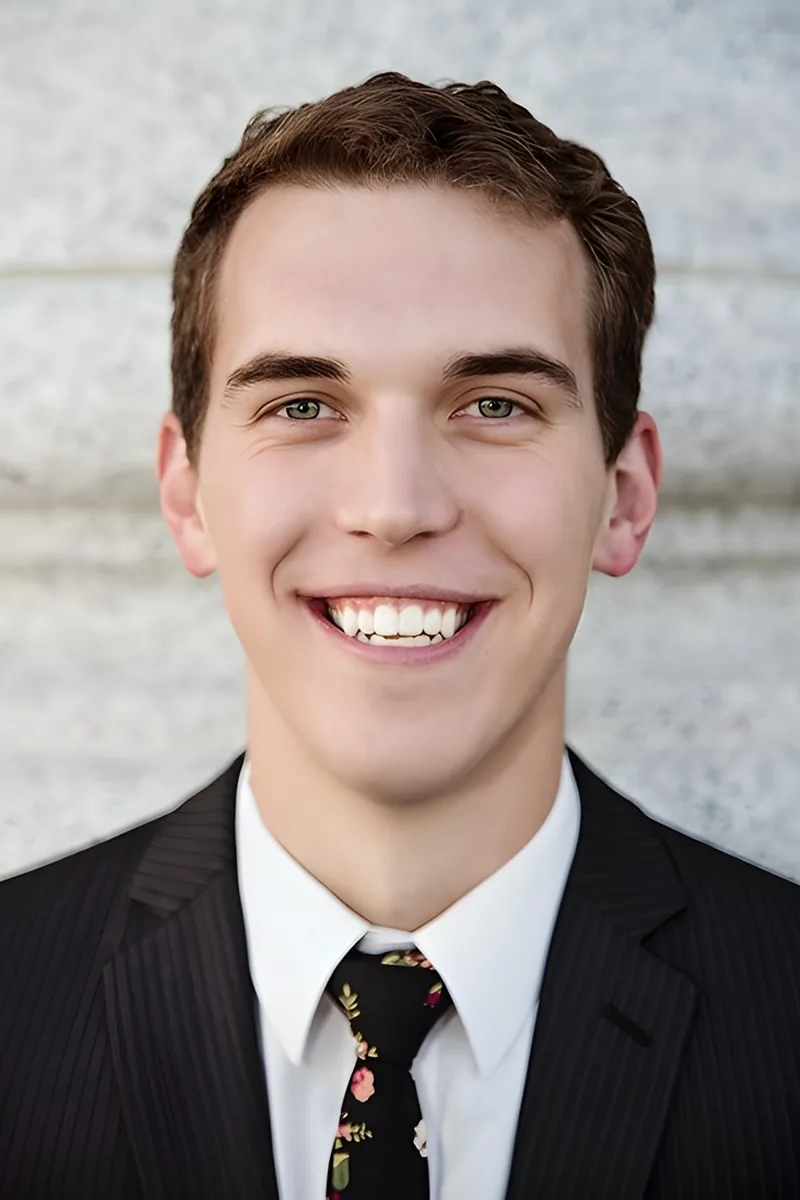
Most organic chemistry struggles come down to one thing: students memorize reactions without understanding electron flow. Brett teaches arrow-pushing mechanisms as a language — once you can read how nucleophiles attack electrophilic carbons or why elimination competes with substitution, predicting products becomes intuitive. His biochemistry knowledge also lets him show where these reactions appear in living systems, which makes the material stick.

A bio-organic chemistry degree means Alex didn't just pass orgo — the entire major was built around understanding how molecular structure dictates reactivity, from substitution and elimination selectivity to multi-step synthesis design. He breaks down each mechanism by identifying the nucleophile, electrophile, and driving force first, so students develop a repeatable framework instead of a growing pile of flashcards. That same logic scales directly into spectroscopy interpretation and retrosynthetic analysis when exams get harder.
Most students dread organic chemistry because it feels like a new language, but the logic underneath reaction mechanisms is surprisingly consistent once someone lays it out clearly. Ade approaches each reaction type — substitution, elimination, addition — by teaching students to read electron movement and predict products rather than memorize hundreds of individual reactions.
Having earned a chemistry degree from Yale, Zosia spent years immersed in the subject well past the introductory orgo sequence — which means she can contextualize tricky topics like electrophilic aromatic substitution and acyl chemistry within the broader landscape of how molecules actually behave. She walks students through spectral analysis and multi-step synthesis by building from first principles of electronegativity and sterics, so each new reaction type feels like an extension of what they already know rather than a fresh page to memorize. Rated 4.9 by students.
Reaction mechanisms in organic chemistry reward the same kind of systematic thinking that drives engineering design: track the electrons, identify the functional groups, and predict what happens next. Lee teaches students to read mechanisms as stories with cause and effect — nucleophile attacks electrophile, leaving group departs — instead of memorizing hundreds of individual reactions. His biomedical background adds context for why specific organic reactions matter in drug design and biochemistry.
Working in a cancer biology research lab means Yasheen encounters the organic chemistry behind drug design and molecular signaling every day — not as textbook problems, but as real questions about how functional groups determine a molecule's behavior in living systems. She connects that bench-level intuition to the arrow-pushing, stereochemistry, and carbonyl reactivity students need to master in their orgo courses. Rated 5.0 by students.
Reaction mechanisms are the language of organic chemistry, and Casey reads them fluently after years of bioengineering coursework that demanded constant fluency in electron-pushing, stereochemistry, and functional group transformations. She teaches students to recognize patterns across reaction types — why nucleophilic additions behave the way they do, how leaving groups dictate substitution vs. elimination — so each new chapter feels like a variation on something familiar rather than a fresh nightmare.
Reaction mechanisms are the language of organic chemistry, and Jhonatan treats them that way — teaching students to read electron flow through arrow-pushing until substitution, elimination, and addition reactions feel like variations on a theme rather than isolated procedures to memorize. His biochemistry expertise is especially useful when carbonyl chemistry and amino acid reactivity come into play. He holds a 5.0 client rating.
Decades of running an organic chemistry research lab and teaching it at the college level mean Wyatt has explained arrow-pushing mechanisms, retrosynthetic analysis, and spectroscopy interpretation thousands of times — and learned exactly where students get stuck on each one. His PhD in the subject gives him the depth to trace a tricky multi-step synthesis back to the underlying electronic principles, then rebuild it at whatever pace clicks. Rated 4.9 by students.
Reaction mechanisms in organic chemistry demand the same kind of pattern recognition Seong uses in her neuroscience coursework at Northwestern — tracking electron movement, predicting intermediates, and understanding why one pathway dominates over another. She unpacks arrow-pushing notation by tying each step to underlying principles of nucleophilicity and sterics, so students can reason through unfamiliar reactions on exams instead of relying on rote memorization.
Reaction mechanisms click once you stop memorizing arrow-pushing patterns and start understanding why electrons move the way they do — nucleophilicity, sterics, leaving group stability. Mitchell's neuroscience degree required extensive organic chemistry coursework, and he breaks down everything from substitution and elimination reactions to carbonyl chemistry by connecting each mechanism to the electronic principles driving it.
Reaction mechanisms are the language of organic chemistry, and Zain treats them that way — teaching students to read electron flow in arrow-pushing diagrams the same way they'd follow the logic of a sentence. His university coursework in organic chemistry at Vanderbilt covered everything from substitution and elimination selectivity to carbonyl chemistry and retrosynthetic analysis.
Reaction mechanisms, stereochemistry, and functional group transformations all require a kind of visual logic that's unlike anything in general chemistry. Greg's chemical engineering background at Vanderbilt gave him deep exposure to organic reaction pathways, and he teaches students to trace electron movement step by step so they can predict products instead of relying on memorization.
Testimonials
Because the right Organic Chemistry tutor makes all the difference.
Average Session Rating – Based on 3.4M Learner Ratings
Practice Organic Chemistry
Free practice tests, flashcards, and AI tutoring for Organic Chemistry
Nearby Organic Chemistry Tutors
Other Provo Tutors
Related Science Tutors in Provo
Frequently Asked Questions
Organic chemistry requires visualizing molecules in 3D space and understanding reaction mechanisms—skills that don't come naturally to everyone. Many students struggle with the sheer volume of reactions to learn, but the real challenge is recognizing patterns and predicting outcomes rather than pure memorization. Personalized tutoring helps you move beyond memorizing reactions to truly understanding the underlying principles of bonding, electron movement, and molecular structure.
Your first session focuses on understanding where you're struggling most—whether it's drawing mechanisms, balancing equations, predicting products, or grasping foundational concepts like hybridization and resonance. A tutor will assess your current level, discuss your goals, and create a personalized plan that targets your specific gaps. You'll leave with clarity on what to focus on and concrete strategies for tackling the material.
Organic chemistry is fundamentally about visualizing molecules and electron movement—something that's hard to grasp from a textbook alone. Tutors use molecular models, drawings, and real-world examples to help you build mental models of how atoms bond and reactions occur. When you can actually see and manipulate these concepts, mechanisms become logical rather than mysterious, and problem-solving becomes much more intuitive.
Yes. Understanding organic chemistry means connecting theoretical concepts to what actually happens in the lab. Tutors help you see how reaction mechanisms explain experimental observations, why certain conditions matter, and how lab techniques relate to the chemistry you're learning. This integration is especially valuable for students preparing for lab practicals or struggling to understand why procedures work the way they do.
Reaction mechanisms are the heart of organic chemistry, and mastering them requires practice with immediate feedback. Tutors teach you systematic approaches to drawing mechanisms, help you recognize common patterns (like nucleophilic attacks and rearrangements), and guide you through problems step-by-step. With personalized instruction, you'll develop the intuition to predict products and explain why reactions proceed the way they do.
Varsity Tutors connects you with expert tutors for students in Provo who specialize in organic chemistry and understand the specific curriculum and challenges you're facing. We match you based on your needs, schedule, and learning style, so you get personalized instruction tailored to your goals—whether that's improving your grade, preparing for the MCAT, or truly mastering the subject.
Rather than memorizing hundreds of reactions, successful organic chemistry students learn to understand the principles that govern how reactions work. Once you grasp electron movement, nucleophilicity, and leaving group ability, you can predict outcomes without pure memorization. Tutors help you build these foundational frameworks so you can approach unfamiliar reactions with logic instead of rote memory.
Exam preparation in organic chemistry requires more than reviewing notes—it demands practice with mechanism problems, synthesis questions, and multi-step reactions under time pressure. Tutors work with you on test-taking strategies, help you identify your weak areas, and provide targeted practice that builds both speed and accuracy. You'll develop the confidence to tackle unfamiliar problems and apply concepts in new contexts.
Let’s find your perfect tutor
Answer a few quick questions. We’ll recommend the right plan and match you with a top 5% tutor.