Award-Winning Organic Chemistry Tutors
serving Salt Lake City, UT
Organic Chemistry
Tutors in Salt Lake City
Private 1-on-1 tutoring, weekly live classes for academic support, test prep & enrichment, practice tests and diagnostics, and more to elevate grades and test scores.
Based on 3.4M Learner Ratings
UniversitiesSchools & Universities
DeliveredHours Delivered
ProficiencyGrowth in Proficiency
Who needs tutoring?
No obligation. Takes ~1 minute.
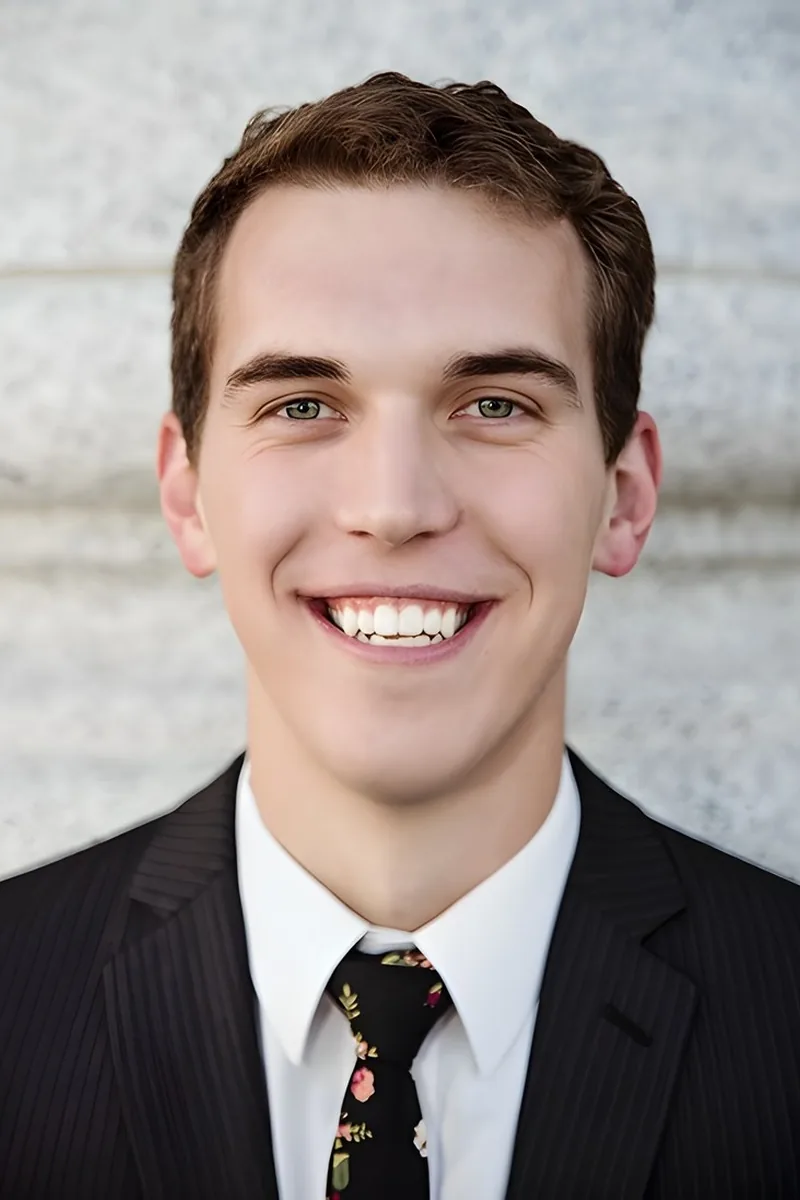
Most organic chemistry struggles come down to one thing: students memorize reactions without understanding electron flow. Brett teaches arrow-pushing mechanisms as a language — once you can read how nucleophiles attack electrophilic carbons or why elimination competes with substitution, predicting products becomes intuitive. His biochemistry knowledge also lets him show where these reactions appear in living systems, which makes the material stick.

Studying biochemistry and molecular biology means Raj encountered organic chemistry not as a single course but as the language underlying everything from enzyme kinetics to metabolic pathways — so he teaches functional group reactivity and stereochemistry with that bigger picture always in view. His 5.0 rating and a perfect 36 ACT reflect someone who thinks systematically, which translates directly into how he walks students through multi-step synthesis problems: identify the transformation, trace the electron flow, then confirm the regiochemistry.
Reaction mechanisms are the backbone of organic chemistry, and most students struggle not because the material is impossibly hard but because they try to memorize hundreds of reactions instead of recognizing patterns. Manpinder approaches orgo by teaching students to trace electron movement through arrow-pushing — once that skill clicks, predicting products for substitution, elimination, and addition reactions becomes systematic rather than overwhelming.
Reaction mechanisms are the language of organic chemistry, and Troy spent two semesters teaching that language as an organic chemistry TA. He walks students through arrow-pushing, stereochemical outcomes, and retrosynthetic analysis by emphasizing the handful of recurring electronic patterns that make hundreds of reactions predictable rather than random.
Having earned a chemistry degree from Yale, Zosia spent years immersed in the subject well past the introductory orgo sequence — which means she can contextualize tricky topics like electrophilic aromatic substitution and acyl chemistry within the broader landscape of how molecules actually behave. She walks students through spectral analysis and multi-step synthesis by building from first principles of electronegativity and sterics, so each new reaction type feels like an extension of what they already know rather than a fresh page to memorize. Rated 4.9 by students.
Reaction mechanisms, stereochemistry, and functional group transformations all require a kind of visual logic that's unlike anything in general chemistry. Greg's chemical engineering background at Vanderbilt gave him deep exposure to organic reaction pathways, and he teaches students to trace electron movement step by step so they can predict products instead of relying on memorization.
Reaction mechanisms in organic chemistry are less about memorizing hundreds of arrows and more about recognizing a handful of recurring patterns — nucleophilic attacks, leaving group stability, and electron density shifts. Aidan studied organic chemistry as part of Notre Dame's premed track and teaches students to predict products by understanding why electrons move, not just where.
Currently majoring in chemistry at MIT, Nicholas is immersed in the reaction logic and electron-pushing that organic chemistry demands — and he's learning it at a program known for its rigorous mechanistic approach. He breaks down topics like nucleophilic additions and stereochemical outcomes by connecting them to the underlying thermodynamic and kinetic reasoning, making unfamiliar transformations feel predictable rather than random. Rated 5.0 by students.
Cornell's biology curriculum threw Raphael into organic chemistry as the bridge between general chemistry and the biochemistry he needed for his pre-med track — meaning he learned reaction mechanisms through the lens of biological relevance, not just isolated transformations on an exam. He tackles arrow-pushing and functional group reactivity by zeroing in on the "why" behind electron movement, building each mechanism step from nucleophile-electrophile logic so students can reason through unfamiliar problems on their own. Holds a 5.0 rating.
Most organic chemistry struggles come down to not recognizing patterns — why a nucleophile attacks here and not there, or how electron-pushing arrows predict a product. Eric's graduate training in chemistry means he teaches reaction mechanisms as a connected framework of electronic and steric principles rather than a list of isolated reactions. Students rated him 5.0.
Biochemistry majors don't just pass organic chemistry — they keep using it, which means Addison is building on reaction mechanisms and functional group behavior in courses well beyond the introductory sequence at Rice. That ongoing exposure to carbonyl chemistry, stereochemistry, and arrow-pushing in biological contexts gives her a practical fluency that makes tutoring sessions feel less like reviewing old notes and more like working through the material with someone who still thinks in it daily.
Reaction mechanisms are the backbone of organic chemistry, and spotting nucleophilic attacks or predicting stereochemical outcomes requires genuine pattern recognition, not rote memorization. Lauren's chemistry minor at Duke and her hands-on lab research give her a practical fluency with functional group reactivity that she translates into clear, step-by-step reasoning for each mechanism type.
Studying physics with a concentration in chemical principles at Penn means Max encounters organic chemistry from the physical side first — thermodynamics of reaction pathways, orbital interactions driving nucleophilic attacks, and the energy landscapes that determine whether a substitution or elimination wins out. That perspective lets him teach mechanisms by grounding arrow-pushing in the physics of why electrons move, not just where they go.
Testimonials
Because the right Organic Chemistry tutor makes all the difference.
Average Session Rating – Based on 3.4M Learner Ratings
Practice Organic Chemistry
Free practice tests, flashcards, and AI tutoring for Organic Chemistry
Nearby Organic Chemistry Tutors
Other Salt Lake City Tutors
Related Science Tutors in Salt Lake City
Frequently Asked Questions
Organic Chemistry requires both memorization and deep conceptual understanding—you need to know reaction mechanisms while also visualizing how molecules interact in three dimensions. Many students struggle with the abstract nature of molecular structures and electron movement, especially when trying to predict reaction outcomes. Personalized tutoring helps bridge this gap by breaking down complex mechanisms into digestible steps and using visualization techniques to make abstract concepts concrete.
Your first session is about understanding where you're starting from—your tutor will assess your current grasp of foundational concepts like bonding, molecular structure, and basic mechanisms. They'll identify specific areas where you're struggling, whether that's reaction types, synthesis problems, or mechanism drawing. From there, you'll work together to create a personalized learning plan that targets your unique challenges and learning style.
Yes—tutors can help you understand the theory behind your experiments and connect lab procedures to the concepts you're learning in lecture. They can explain why certain reactions occur the way they do, help you interpret experimental results, and develop stronger scientific reasoning skills. This deeper understanding makes lab reports clearer and helps you think critically about experimental design and troubleshooting.
Mechanism mastery comes from understanding electron movement and applying consistent rules rather than memorizing individual reactions. Tutors use practice problems and real-time feedback to help you develop pattern recognition—so you can predict unknown reactions based on principles rather than rote memory. Regular practice with guided feedback helps you build confidence and speed.
Strategic memorization matters, but understanding is what makes Organic Chemistry click. You'll need to remember key reaction types and conditions, but the real skill is applying those concepts to new problems you've never seen. A tutor helps you distinguish between what's worth memorizing (core mechanisms, reagent reactivity) and what you can derive from fundamental principles—saving you time and building genuine mastery.
Varsity Tutors connects you with tutors who have strong backgrounds in chemistry—many hold advanced degrees or have taught the subject professionally. They understand both the content and the common misconceptions that trip up students, so they can address your specific struggles effectively. When you connect with a tutor, you'll learn about their experience and teaching approach to make sure it's a great fit.
Starting 4-6 weeks before a major exam gives you time to build foundational understanding and practice problem-solving under pressure. However, even a few weeks of focused tutoring can help you identify gaps and develop better study strategies. The key is consistent practice with feedback—a tutor helps you use your study time efficiently rather than spinning your wheels on ineffective memorization.
Many students struggle with stereochemistry and spatial reasoning because it's genuinely difficult to imagine molecules in three dimensions on a flat page. Tutors use molecular models, drawing techniques, and practice strategies to train your spatial visualization skills. With consistent practice and the right mental frameworks, you'll develop intuition for how molecules orient themselves and how that affects reactivity.
Let’s find your perfect tutor
Answer a few quick questions. We’ll recommend the right plan and match you with a top 5% tutor.