Award-Winning Organic Chemistry Tutors
serving Toledo, OH
Organic Chemistry
Tutors in Toledo
Private 1-on-1 tutoring, weekly live classes for academic support, test prep & enrichment, practice tests and diagnostics, and more to elevate grades and test scores.
Based on 3.4M Learner Ratings
UniversitiesSchools & Universities
DeliveredHours Delivered
ProficiencyGrowth in Proficiency
Who needs tutoring?
No obligation. Takes ~1 minute.
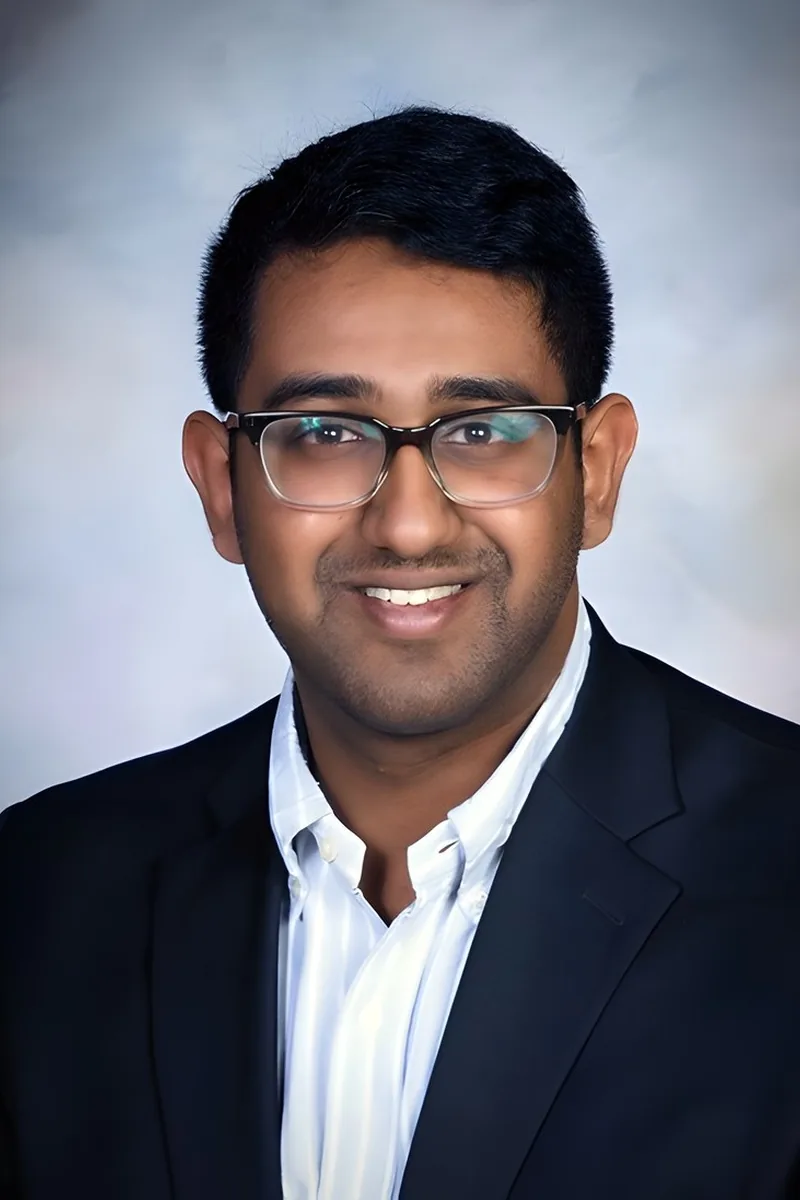
Chemical engineering at Cornell meant Rahul didn't just pass organic chemistry — he applied it daily in reactor design, synthesis planning, and thermodynamic analysis of reaction pathways. That engineering lens gives him a distinctive angle on topics like carbonyl chemistry and stereoselectivity, where he ties mechanism logic back to energy landscapes and kinetic versus thermodynamic control. Rated 4.9 by students.
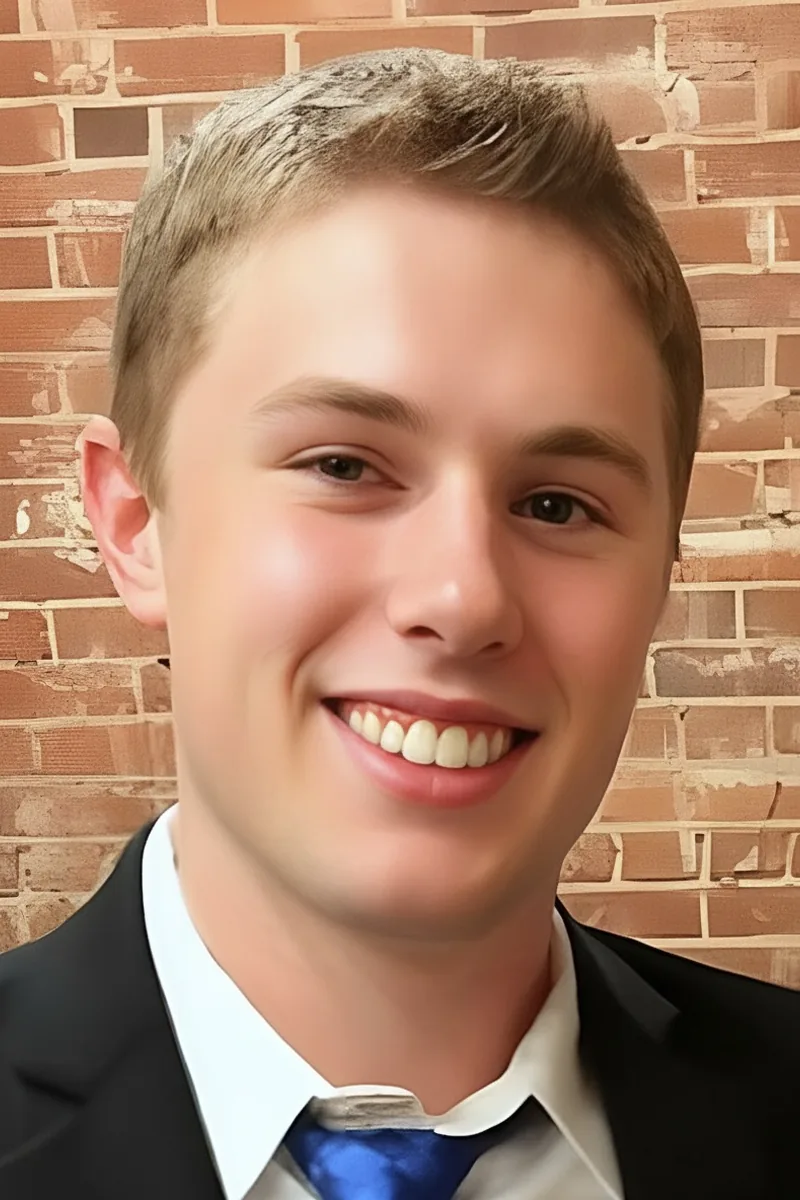
Reaction mechanisms are the language of organic chemistry, and learning to read them — arrow pushing, stereochemistry, regiochemistry — requires a different kind of thinking than most science courses demand. Kevin studied organic chemistry as part of his biomedical engineering curriculum, where understanding molecular behavior was essential rather than optional. He walks students through each mechanism type until the logic behind substitution, elimination, and addition reactions becomes second nature.
Reaction mechanisms are the backbone of organic chemistry, and learning to push electrons through an addition or substitution pathway takes a different kind of thinking than general chem ever required. Ricardo is pursuing his chemistry degree at Ohio State and has spent years tutoring college-level chemistry, so he understands the leap students face when they encounter arrow-pushing for the first time. He walks through each mechanism step by step until the logic — not just the arrows — makes sense.
Pharmacy school demands a deep command of organic chemistry — from reaction mechanisms and stereochemistry to the structure-activity relationships that determine how drugs interact with biological targets. Lillian brings that exact lens to every session, connecting arrow-pushing and functional group transformations to real pharmacological applications. Rated 4.9 by students, she unpacks multi-step synthesis problems in a way that builds genuine intuition.
Reaction mechanisms are really storytelling: electrons move for specific reasons, and once you see the pattern, predicting products becomes intuitive. Maria's biochemistry degree and medical coursework immersed her in organic chemistry at every level, from arrow-pushing basics through multi-step synthesis and spectroscopy interpretation. Rated 5.0 by students.
Reaction mechanisms are the language of organic chemistry, and learning to "push arrows" fluently is what separates students who memorize from those who can predict. Susie's biochemistry training at Swarthmore meant she lived in organic chemistry for years — nucleophilic substitutions, carbonyl additions, retrosynthetic analysis — and she teaches each mechanism as a logical story rather than a sequence to memorize.
Chad holds a Master's in Chemistry, which means he's spent serious time with the physical and structural principles that underpin organic reactions — thermodynamic versus kinetic control, orbital symmetry, and how solvent choice shapes whether a substitution or elimination dominates. That deeper training lets him teach carbonyl chemistry, stereoselectivity, and multi-step synthesis as extensions of ideas students already understand from general chemistry. Rated 4.8 by students.
Reaction mechanisms are the language of organic chemistry — arrow pushing, nucleophilicity, leaving group ability — and Sashwat treats them that way, teaching students to read and predict transformations instead of memorizing hundreds of individual reactions. His microbiology background means he also understands the biological context where organic reactions matter, from amino acid chemistry to metabolic pathways. That dual perspective makes tough topics like carbonyl chemistry and stereoselectivity far more intuitive.
Reaction mechanisms are the language of organic chemistry, and Jenna learned to speak it fluently during her honors biology program at Michigan, where she also ran study groups specifically for orgo. She walks through electron-pushing, stereochemistry, and functional group reactivity by building each mechanism from first principles so students can predict products instead of memorizing hundreds of individual reactions.
Reaction mechanisms are the language of organic chemistry, and Aaron learned to speak it fluently through his B.S. in Chemistry. He unpacks arrow-pushing, stereochemistry, and functional group transformations by emphasizing the electron-level logic behind each step — so students can predict products on an exam instead of relying on memorized reactions.
Reaction mechanisms click once you stop memorizing arrow-pushing and start seeing the electron density logic behind each step — that's exactly how James teaches organic chemistry. His Doctorate in Bioengineering from the University of Maryland means he's spent years working with organic molecules in research contexts, from synthesis pathways to spectroscopy interpretation. He breaks down topics like stereochemistry, substitution vs. elimination, and carbonyl reactivity into patterns students can actually predict from.
I am most passionate about. Helping students realize that these subjects are fun is what motivates me. In my spare time I enjoy running, working out, and watching any sports.
Reaction mechanisms are the language of organic chemistry, and Troy spent two semesters teaching that language as an organic chemistry TA. He walks students through arrow-pushing, stereochemical outcomes, and retrosynthetic analysis by emphasizing the handful of recurring electronic patterns that make hundreds of reactions predictable rather than random.
Preparing for medical school means Benjamin ground through organic chemistry with the kind of intensity that only MCAT stakes demand — reaction mechanisms, carbonyl chemistry, and spectroscopy all studied until the logic behind each transformation became second nature. His evolutionary anthropology background at Duke also gives him a knack for seeing patterns across complex systems, which is exactly the skill that separates students who struggle with synthesis problems from those who can map a retrosynthetic pathway confidently. Rated 5.0 by students.
Reaction mechanisms are the language of organic chemistry, and most students struggle because they try to memorize arrows instead of understanding electron flow. Abrahim unpacks each mechanism — SN1 vs. SN2, E1 vs. E2, electrophilic aromatic substitution — by starting with nucleophilicity, sterics, and leaving-group ability so the logic drives the arrow-pushing rather than the other way around. His 5.0 rating speaks to how well that approach clicks.
Reaction mechanisms are the heart of organic chemistry, and they only make sense when a student can track electron movement and predict how functional groups behave. Malcolm is studying biochemistry and cell biology at Rice, where organic chemistry is foundational — he knows which arrow-pushing patterns show up repeatedly and teaches students to recognize them instead of memorizing hundreds of individual reactions.
Working in a cancer biology research lab means Yasheen encounters the organic chemistry behind drug design and molecular signaling every day — not as textbook problems, but as real questions about how functional groups determine a molecule's behavior in living systems. She connects that bench-level intuition to the arrow-pushing, stereochemistry, and carbonyl reactivity students need to master in their orgo courses. Rated 5.0 by students.
Reaction mechanisms become far less intimidating when you can see the electron movement as a story rather than a set of arrows to memorize. Monika's biochemistry degree required deep fluency in organic chemistry — from nucleophilic substitutions through multi-step synthesis — and she teaches students to predict products by understanding why electrons move, not just where.
Reaction mechanisms click once you stop memorizing arrow-pushing patterns and start understanding why electrons move the way they do — nucleophilicity, sterics, leaving group stability. Mitchell's neuroscience degree required extensive organic chemistry coursework, and he breaks down everything from substitution and elimination reactions to carbonyl chemistry by connecting each mechanism to the electronic principles driving it.
Daniel's PhD work in genetics and neuroscience at Rockefeller means he uses organic chemistry daily — understanding how small molecules interact with proteins, how drug candidates are designed, and why stereochemistry matters at the molecular level. That real-world context turns topics like carbonyl reactivity and functional group transformations into something students can anchor to actual science, not just exam prep.
Most students dread organic chemistry because it feels like a new language, but the logic underneath reaction mechanisms is surprisingly consistent once someone lays it out clearly. Ade approaches each reaction type — substitution, elimination, addition — by teaching students to read electron movement and predict products rather than memorize hundreds of individual reactions.
Reaction mechanisms, stereochemistry, and functional group transformations all require a kind of visual logic that's unlike anything in general chemistry. Greg's chemical engineering background at Vanderbilt gave him deep exposure to organic reaction pathways, and he teaches students to trace electron movement step by step so they can predict products instead of relying on memorization.
Reaction mechanisms are the language of organic chemistry, and Jon spent his Master's work at Princeton immersed in that language daily. He unpacks arrow-pushing, stereochemistry, and functional group reactivity by tying each mechanism back to the electron behavior driving it, so students build intuition instead of relying on rote memorization. His TA students at Princeton gave him reviews strong enough to earn a teaching award — a good sign for anyone staring down a semester of orgo.
Most organic chemistry frustration comes from trying to memorize hundreds of reactions instead of recognizing the handful of electronic patterns — nucleophilic attack, leaving group ability, steric effects — that drive all of them. Garrett teaches students to read arrow-pushing mechanisms as stories about electron movement, which makes predicting products and regiochemistry intuitive. His approach turns reaction maps from overwhelming charts into logical flowcharts.
Testimonials
Because the right Organic Chemistry tutor makes all the difference.
Average Session Rating – Based on 3.4M Learner Ratings
Practice Organic Chemistry
Free practice tests, flashcards, and AI tutoring for Organic Chemistry
Other Toledo Tutors
Related Science Tutors in Toledo
Frequently Asked Questions
Organic Chemistry requires you to visualize molecules in 3D space and understand how atoms bond and rearrange—skills that don't come naturally to most students. Beyond memorization, you need to grasp reaction mechanisms and predict outcomes based on molecular structure, which takes practice and personalized guidance to master. Many students struggle because they're trying to memorize instead of understanding the underlying logic of how molecules behave.
Your first session focuses on understanding where you are right now—what concepts feel solid, where you're getting stuck, and what your specific goals are (passing the course, improving your grade, preparing for the MCAT, etc.). A tutor will assess your grasp of foundational concepts like bonding and molecular structure, then create a personalized plan to target your biggest challenges and build confidence from there.
Expert tutors use multiple strategies to make abstract concepts concrete—drawing molecules from different angles, using models to show 3D structure, working through mechanisms step-by-step, and connecting structures to reactivity. Personalized instruction lets you ask questions in real-time and practice drawing and predicting reactions until the patterns click, rather than passively reading a textbook.
Yes. A tutor can help you understand the theory behind your experiments, predict what should happen and why, prepare for pre-lab questions, and troubleshoot results after lab. This deeper understanding makes lab safer, more meaningful, and helps you write better lab reports by connecting what you observe to the chemistry concepts you're learning.
The goal is to understand reaction patterns so you can predict outcomes rather than memorize every reaction. Tutors teach you to recognize functional groups, understand electron movement, and apply core principles—this approach is faster, more reliable, and what professors actually want to see on exams. You'll still need to know key reactions, but understanding the 'why' makes them stick much better than rote memorization.
Toledo's schools serve over 36,000 students across 32 districts, and classroom sizes can make it hard to get individual help when you're struggling with a tough concept. Personalized 1-on-1 instruction lets you work at your own pace, ask questions without hesitation, and get targeted help on the specific topics holding you back—whether that's mechanisms, synthesis problems, or exam preparation.
Ideally, start tutoring early in the semester so you build a strong foundation as new material is introduced, rather than cramming before the exam. If you're already partway through, starting now is still valuable—a tutor can quickly identify gaps, help you catch up on key concepts, and give you targeted practice on the types of problems that typically appear on exams.
Look for tutors with strong chemistry backgrounds—ideally a degree in chemistry or a related field, and experience teaching or tutoring Organic Chemistry specifically. They should be able to explain concepts clearly, draw mechanisms accurately, and help you understand the 'why' behind reactions, not just the steps. Varsity Tutors connects you with expert tutors who meet these standards and can work with your schedule and learning style.
Let’s find your perfect tutor
Answer a few quick questions. We’ll recommend the right plan and match you with a top 5% tutor.