Award-Winning AP Spanish Literature and Culture Tutors
serving Toledo, OH
AP Spanish Literature and Culture
Tutors in Toledo
Private 1-on-1 tutoring, weekly live classes for academic support, test prep & enrichment, practice tests and diagnostics, and more to elevate grades and test scores.
Based on 3.4M Learner Ratings
UniversitiesSchools & Universities
DeliveredHours Delivered
ProficiencyGrowth in Proficiency
Who needs tutoring?
No obligation. Takes ~1 minute.
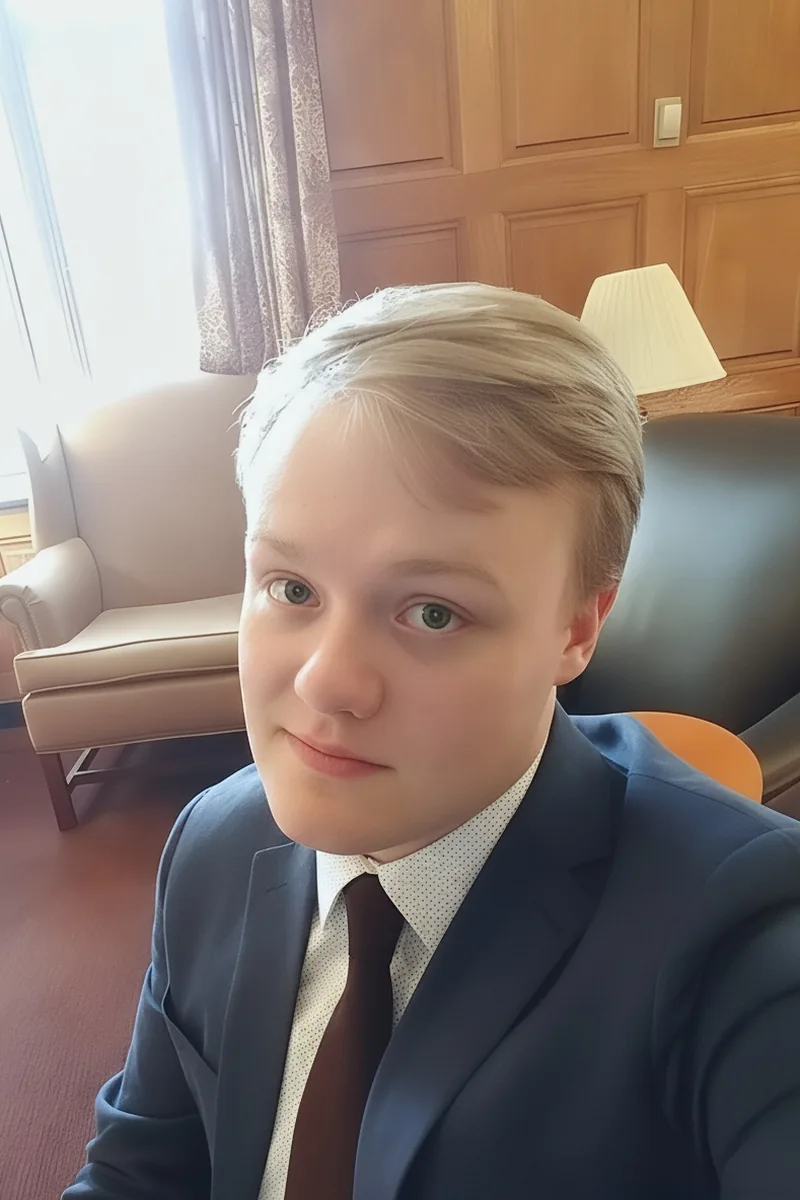
Few tutors can match Trace's combination of a summa cum laude specialization in Spanish from Ohio State and professional experience as a Spanish-language court interpreter. For AP Spanish Literature and Culture, he unpacks texts from Cervantes to García Márquez in their original language, teaching students to write literary analysis in Spanish with the sophistication the exam requires.
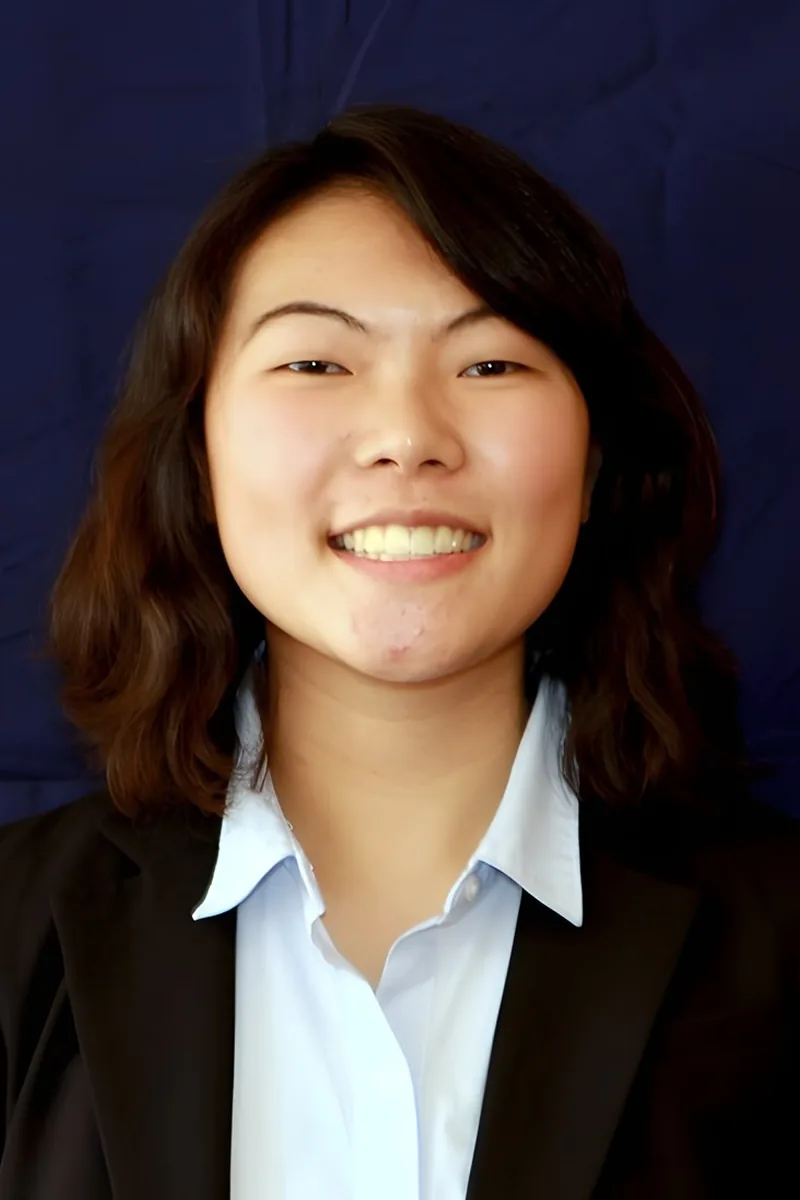
Pre-health biology majors with Hispanic Studies minors don't always land on this page — but Jaina's coursework in Spanish literature and culture, combined with the analytical rigor of her science training, gives her a structured approach to breaking down texts on the AP reading list and building essay arguments in Spanish. She's strongest as a fit for students who need help organizing their ideas under timed conditions, applying the same methodical thinking she uses in lab work to thesis construction and textual evidence. Rated 5.0 by students.
Analytical chemistry and Spanish literature sound worlds apart, but Hannahlore's 35 ACT and 5.0 rating reflect the same precise, evidence-driven thinking that timed AP literary essays demand — identifying a pattern in a text and building a structured argument around it, much like interpreting data in a lab. For students who already have strong Spanish language skills and need coaching on the mechanics of constructing a thesis, selecting textual evidence, and writing a coherent analytical essay under time pressure, her systematic approach translates effectively to the free-response format.
This isn't Vivian's core subject — her strengths center on standardized test prep and English — but her 36 ACT and 4.9 rating speak to the analytical rigor she brings to any text-based exam. For students who already have solid Spanish fluency and need help with the structural side of timed literary essays (building a thesis, organizing evidence, writing under pressure), her test-taking instincts translate well to the AP free-response format.
Growing up speaking Spanish at home after moving from Chile, then studying abroad in Salamanca, Carlos developed the kind of native-level fluency that catches the subtle register shifts and idiomatic layers in AP reading list works — from colonial poetry to contemporary Latin American prose. His daily work as a bilingual writer at St. Jude Children's Research Hospital keeps his written Spanish sharp and precise, which directly feeds into coaching students on constructing timed analytical essays that move beyond plot summary into genuine literary argumentation.
A double major in Spanish and Government means Sarah studied the language at an advanced level while also learning to build the kind of thesis-driven, evidence-based arguments that the AP exam's free-response essays demand. She's taught across every level of Spanish from introductory through AP Literature and Culture, so she knows exactly where students stumble — whether it's parsing Sor Juana's baroque syntax or structuring a timed essay on "el tiempo y el espacio" without slipping into summary. Rated 5.0 by students.
International Relations coursework gives Patrick a lens into the political and social forces behind Latin American and Spanish literary movements — useful context when essays on the AP reading list demand more than surface-level textual analysis. His Spanish studies through AP-level coursework and beyond mean he can conduct close reading and essay practice in the target language, connecting works to the broader historical currents his IR training covers.
Living in Bogotá as a Fulbright scholar while holding a double major in Spanish and Business from Emory means Michelle is immersed daily in the Colombian literary and cultural landscape — the kind of lived context that enriches discussion of Latin American works on the AP reading list. She brings that real-world fluency to essay practice in Spanish, particularly when students need to connect a text's themes to the broader cultural movements the exam expects them to articulate under timed conditions.
Literary analysis is literary analysis whether it's in English or Spanish — and Stephen's English degree trained him to dissect how authors use structure, tone, and figurative language to build meaning, skills that transfer directly to unpacking AP reading list texts like Borges or Cervantes. His coursework across four levels of Spanish plus AP Spanish Literature and Culture means he can conduct that analysis in the target language, connecting his close-reading instincts to the essay construction the exam demands.
As a native Spanish speaker studying at Yale, Stephanie brings both cultural fluency and literary analysis skills to AP Spanish Literature and Culture — from close readings of García Márquez and Sor Juana to writing persuasive essays in Spanish about themes like "las sociedades en contacto." Her IB Diploma background means she's intimately familiar with the kind of rigorous textual analysis the AP exam demands. Rated 5.0 by students.
Spanning Spanish 1 through AP-level coursework and the SAT Subject Test in Spanish with Listening, Alma has built her tutoring practice around the language from every angle — grammar, conversation, reading, and writing. For this exam specifically, her creative writing and essay editing experience shapes how she coaches timed literary analysis essays, teaching students to move from a raw reading of a passage to a focused, thesis-driven argument written entirely in Spanish.
Born and raised in San Juan, Puerto Rico, Carla is a native Spanish speaker whose theater background gives her a distinctive angle on literary analysis — she teaches students to read dramatic texts like *La casa de Bernarda Alba* and poetry by Sor Juana as living performances, not just words on a page. That instinct for voice, tone, and subtext translates directly to the close-reading and essay skills the AP exam rewards. Rated 5.0 by students.
Studying political science sharpened Claire's ability to read texts as arguments — identifying how authors use structure, rhetoric, and cultural context to advance a point of view, which is exactly the analytical muscle the AP Spanish Literature free-response essays test. She tutors across four levels of both Spanish and French, so she's comfortable conducting literary discussion and essay practice in the target language. Rated 5.0 by students.
Testimonials
Because the right AP Spanish Literature and Culture tutor makes all the difference.
Average Session Rating – Based on 3.4M Learner Ratings
Nearby AP Spanish Literature and Culture Tutors
Other Toledo Tutors
Related Languages Tutors in Toledo
Frequently Asked Questions
AP Spanish Literature and Culture focuses on reading and analyzing literary texts in Spanish across different time periods and genres. The course covers six thematic units: Aspect of Family, Aspect of Politics and Social Organization, Aspect of Intellectual and Cultural Development, Aspect of Domestic Life, Aspect of Humor and Satire, and Aspect of Beauty and Aesthetics. You'll study poetry, prose, drama, and essays from Spanish-speaking authors, then demonstrate your understanding through written and oral exams that test comprehension, analysis, and cultural insight.
Students often struggle with analyzing complex literary devices and cultural references in authentic Spanish texts, especially when authors use archaic language or regional dialects. Time management is another major challenge—the exam requires you to read passages carefully, identify literary techniques, and write coherent responses under pressure. Many students also find it difficult to connect literary analysis with broader cultural contexts, which is essential for earning top scores on both the multiple-choice and free-response sections.
Personalized 1-on-1 instruction allows tutors to focus on your specific weaknesses—whether that's understanding subjunctive mood in literary passages, recognizing symbolism, or improving your essay writing speed and quality. Tutors can create targeted study plans that align with the AP exam format, provide practice with authentic texts at your pace, and offer real-time feedback on your analysis and written responses. This focused approach helps you build confidence with difficult concepts and develop test-taking strategies that work for your learning style.
Score improvement depends on your starting point and how consistently you engage with tutoring and practice. Students who work with tutors typically see meaningful gains by focusing on weak areas—such as improving from a 3 to a 4 or 4 to a 5 on the AP scale. The key is starting preparation early (ideally by fall of your senior year) and dedicating time between sessions to practice reading, writing analyses, and taking full-length practice exams. Varsity Tutors connects you with tutors who can help you develop a realistic timeline based on your current level.
Your first session typically focuses on assessment and planning. The tutor will discuss your current Spanish proficiency, review your previous AP exam practice results or coursework, and identify your strongest and weakest areas in literary analysis and cultural understanding. Together, you'll outline a personalized study plan that covers the specific texts and themes you need to master, establishes a realistic timeline leading up to the exam, and sets goals for what you want to accomplish in each session.
Practice tests should be used strategically—take full-length exams under timed conditions early in your preparation to identify weak areas, then use targeted practice with individual passages and essay prompts to build specific skills. After each practice test or essay, review your mistakes carefully with your tutor to understand not just what you got wrong, but why. This retrieval practice and spaced repetition approach helps solidify your understanding of literary concepts and improves your ability to apply them quickly during the actual exam.
Look for tutors who have strong Spanish language proficiency (ideally native or near-native fluency), demonstrated expertise in Spanish literature and cultural studies, and experience preparing students for the AP exam. Ideally, they've scored well on the AP Spanish Literature and Culture exam themselves or have taught the course. Varsity Tutors connects you with tutors who understand the specific demands of the exam and can provide insight into what College Board is looking for in your responses.
Test anxiety often stems from feeling unprepared or unsure of your approach. Working with a tutor helps you build confidence through repeated exposure to exam-style questions and developing a consistent strategy for tackling each section. Practice tests under timed conditions reduce anxiety by making the exam format feel familiar. Your tutor can also teach you pacing techniques—such as quickly skimming passages first, prioritizing easier questions, and managing your time across the multiple-choice and free-response sections—so you feel in control during the actual exam.
Let’s find your perfect tutor
Answer a few quick questions. We’ll recommend the right plan and match you with a top 5% tutor.