Award-Winning SAT Tutors
serving Toledo, OH
SAT
Tutors in Toledo
Private 1-on-1 tutoring, weekly live classes for academic support, test prep & enrichment, practice tests and diagnostics, and more to elevate grades and test scores.
Based on 3.4M Learner Ratings
UniversitiesSchools & Universities
DeliveredHours Delivered
ProficiencyGrowth in Proficiency
Who will be getting tutoring?
No obligation. Takes ~1 minute.
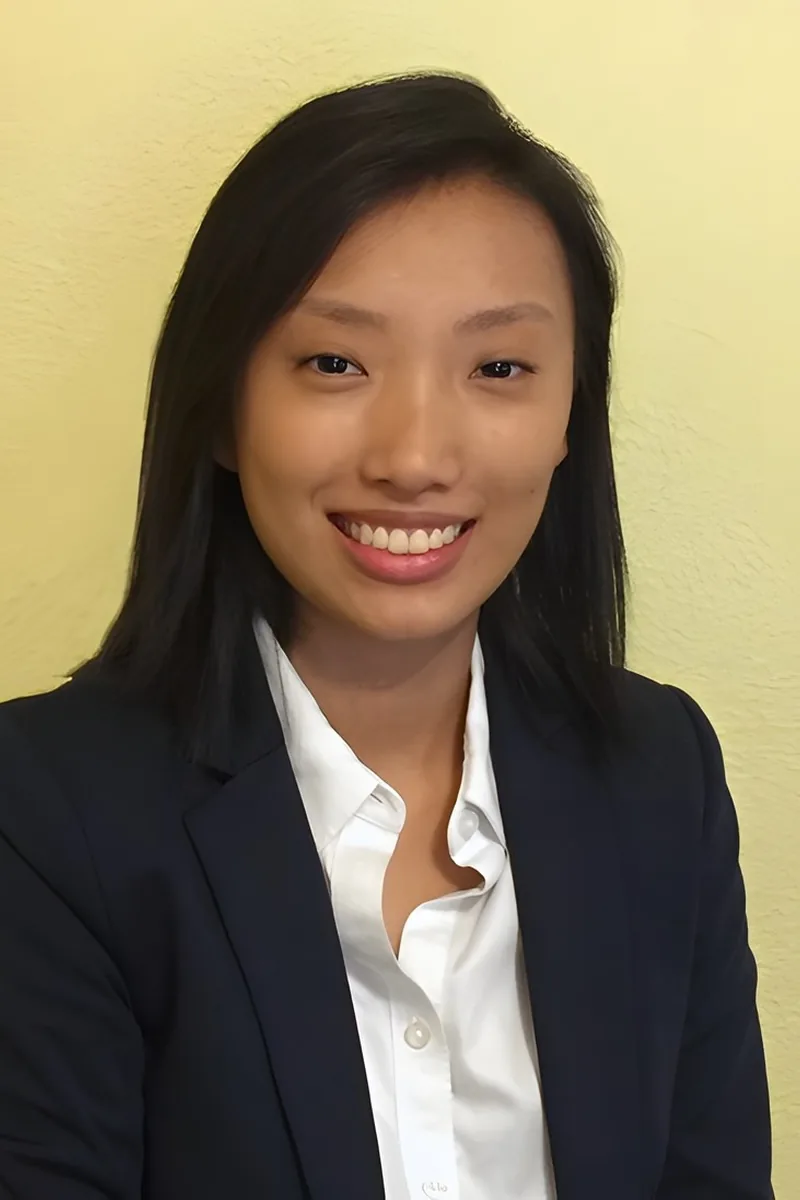
Medical school demands exactly the kind of disciplined, timed problem-solving that the SAT rewards — and Hyerin brings that mindset to every section, from algebraic reasoning and data interpretation on the Math side to evidence-based passage analysis on Reading and Writing. Her economics and bioethics training built a rare combination of quantitative fluency and close-reading skill that covers the full exam without switching gears. She scored a 1470 on the SAT herself and holds a 4.9 rating from students.

Patrick's math degree and 1540 SAT score mean he knows the test from both sides — the underlying algebra and data analysis concepts and the specific ways the SAT frames them to create traps. He coaches students on translating word problems quickly, managing the no-calculator section with confidence, and applying grammar rules systematically across the Writing and Language passages. His breadth across college essays, literature, and test prep means he can address the full exam without treating the verbal and quantitative halves as separate problems.
Cognitive science taught Emma how people actually learn and retain information under pressure — which turns out to be half the battle on the SAT, where pacing and decision-making matter as much as content knowledge. She builds section-specific routines for the Reading, Writing, and Math portions that play to each student's strengths, drawing on her own 1430 SAT and 34 ACT to pinpoint where easy points get left on the table.
Most SAT prep treats the Reading and Math sections as completely separate skill sets, but Emily's science training at Yale — where she spent years parsing dense research literature and working with data — means she teaches both sides of the exam as exercises in precise interpretation. She scored a 1550 on the SAT and builds her coaching around the specific reasoning habits that earned it: identifying exactly what a question asks before touching the answer choices, and translating word problems into structures rather than guessing at operations. Rated 5.0 by students.
Eric's approach to SAT prep centers on working through real problems in real time — diagnosing exactly where a student's reasoning breaks down on a given question type and fixing it on the spot, whether that's a tricky algebra setup or an evidence-based reading pair. His 1560 SAT score and dual background in biological sciences and Russian mean he's equally comfortable on both sides of the exam. Rated 5.0 by students.
Kevin's mechanical engineering coursework at Case Western Reserve keeps him sharp on exactly the kind of algebra, data analysis, and problem-solving the SAT Math section demands — and his 1550 composite score proves he can execute under test-day pressure. He also brings a structured, analytical approach to the Reading and Writing sections, treating passage questions like logic puzzles where eliminating wrong answers matters as much as spotting right ones. Rated 4.8 by students.
Medical school at NEOMED, dual UCLA degrees in biology and math-economics, and a Columbia MPA mean Vinay has lived the kind of rigorous, cross-disciplinary work the SAT is designed to predict — he knows what strong quantitative reasoning and evidence-based reading look like because he uses both daily. He scored a 1570 and teaches students the specific pacing and elimination strategies that close the gap between understanding the material and performing under timed pressure. Rated 5.0 by students.
Studying both mathematics and political science at Vanderbilt means Priya lives in both halves of the SAT daily — the algebraic reasoning and data analysis on the Math side, and the argument-driven passage work on Evidence-Based Reading. She scored a 1570 and uses that experience to teach students how to spot the specific traps the College Board builds into each question type, from misleading graph labels to answer choices that sound right but don't match the cited evidence.
Biomedical engineering coursework at Case Western Reserve built Eaton's strength on the SAT Math section — he's fluent in the algebra, data analysis, and problem-solving patterns that make up the bulk of tested content, and scored a 1560 on the exam himself. He also brings serious writing chops to the Evidence-Based Reading and Writing sections, drawing on his interest in literature and essay craft to teach students how to spot rhetorical structure and grammar traps quickly under time pressure.
Columbia's Writers House — a competitive residential program for students pursuing careers in writing — accepted Alastair based on the same close-reading and argumentative skills that drive the SAT's Evidence-Based Reading and Writing sections. He scored a 1580 on the SAT and uses his history and political science training to teach students how to trace an author's argument through dense passages and spot the rhetorical patterns the test rewards. On the math side, his structured analytical approach carries over to translating word problems and interpreting data under time pressure.
What sets Elana apart for SAT prep is the range she covers — her art history and humanities training sharpens the close-reading and rhetorical analysis the Evidence-Based Reading section demands, while her 1550 SAT score shows she can deliver on the math side too. She teaches students to spot the grammatical patterns that cycle through the Writing and Language section and to translate word problems into clean algebraic setups. Rated 5.0 by students.
Studying English at Penn while juggling journalism and art history coursework means Amy spends her days doing exactly what the SAT rewards — close reading, argument analysis, and precise writing under deadline. She scored a 1560 and uses that experience to teach students how to spot the rhetorical and grammatical patterns the Writing and Language section recycles, while building the passage-navigation speed that makes the Reading section manageable.
Research experience in biology and economics gave Sunny a dual fluency in data interpretation and close reading — exactly the combination the SAT demands across both its Math and Evidence-Based Reading sections. He scored a 1550 on the exam and uses that familiarity to teach students how to spot the algebraic shortcuts and passage-structure patterns that save the most time under pressure. Rated 5.0 by students.
Having prepped for both the SAT and ACT at a high level — scoring a 1560 and 35 respectively — Cynthia knows how the two exams differ in pacing, question design, and strategy, which gives her a practical edge when coaching SAT-specific tactics like evidence-pair elimination and no-calculator algebra shortcuts. Her public policy coursework at Vanderbilt keeps her steeped in the kind of dense, argument-driven reading that mirrors SAT passages. Rated 5.0 by students.
Data analytics coursework at Ohio State means Vishank lives in the overlap of math and pattern recognition — exactly what the SAT Math section rewards, from algebraic modeling to statistical data interpretation. He scored a 1490 on the SAT himself and uses that recent test-taking experience to teach specific timing strategies and question-type triage that keep students from burning minutes on low-value problems. Rated 4.9 by students, he also covers the Reading and Writing side with a structured, evidence-first approach drawn from his broad humanities and writing background.
Josh's neuroscience training at Centre College built the kind of deep reading and data interpretation habits that map directly onto SAT prep — parsing dense passages for evidence and working through multi-step math problems both require the same disciplined analytical thinking. He scored a 1520 on the SAT and uses that experience to teach students specific timing strategies and question-type patterns across both the verbal and math sections.
History majors read dense, argument-driven texts all day — which turns out to be exactly the skill the SAT's Evidence-Based Reading section rewards. Katherine applies that same analytical lens to the Writing and Language section's rhetoric and grammar questions, and her 1520 SAT score shows the approach pays off across the full exam. She also covers the math side, connecting word-problem strategies to the kind of careful, structured reasoning her coursework at Denison demands.
Neuroscience training at Vanderbilt taught Nathan to process dense, data-heavy passages quickly — exactly the skill that drives the SAT's Evidence-Based Reading section, where students need to extract arguments and supporting evidence under tight time constraints. He scored a 1520 on the SAT and uses that experience to coach both the verbal and math sides, with particular attention to pacing and the algebra-intensive questions that reward systematic setup over rushing to a solution. Rated 4.7 by students.
Most SAT prep splits neatly into a 'math person' or a 'reading person' — Maxwell's dual degree in mathematics and physics means the quantitative side is locked down, but he also brings structured analytical thinking to the Evidence-Based Reading and Writing sections, treating passage questions like proofs where each answer must be supported by textual evidence. He scored a 1520 on the SAT and holds a 5.0 tutoring rating, with particular strength in the algebra, advanced math, and data analysis domains that make up the bulk of the Math section.
Karen scored a 1530 on the SAT and pairs that with an English Literature degree that makes the Evidence-Based Reading and Writing sections her particular wheelhouse — she teaches students to trace an author's argument through dense passages and spot the grammar traps embedded in the Writing and Language questions. Her experience across both verbal and math tutoring means she builds a full-test game plan, connecting pacing strategy to each student's specific weak points. Rated 4.9 by students.
What separates Jacob's SAT approach is genuine fluency across both halves of the exam — his MA in Mathematics means the algebra, data analysis, and advanced math sections are second nature, while his experience teaching literature, essay editing, and grammar gives him real depth on the Evidence-Based Reading and Writing side. He scored a 1540 and uses that cross-section command to build a unified test strategy rather than treating math and verbal as separate problems.
Peter's M.Ed. in English Education and journalism degree make him especially effective on the SAT's Reading and Writing sections, where he teaches students to identify argument structure in passages and spot the grammar conventions the test rewards. He scored a 1470 on the SAT himself and uses that firsthand experience to build pacing strategies that keep students from burning time on trap-heavy evidence questions. Rated 4.7 by students.
Scoring a 1470 on the SAT while double-majoring in Early Childhood Education and Spanish gave Grace a sharp sense for both the reading-heavy and math-heavy sections of the test. She breaks down the Evidence-Based Reading questions by teaching students how to eliminate trap answers using passage structure, and she applies the same methodical approach to the no-calculator math section. Rated 5.0 by students, she brings a teacher's instinct for spotting exactly where a student's reasoning goes off track.
Before pivoting from pre-med to teaching, Rosalyn earned a Master's in Chemistry and scored a 1490 on the SAT — giving her both the quantitative rigor for the Math section and the analytical reading habits that pre-med coursework demands for evidence-based passages. She teaches students to decode the Writing and Language section's grammar traps systematically, drawing on her experience teaching ESL learners and breaking down English structure for non-native speakers.
Sarah's biomedical sciences graduate work built the kind of disciplined, analytical reading that pays off across both SAT sections — parsing dense research texts is surprisingly similar to breaking down the exam's evidence-based passage questions. She scored a 1530 on the SAT herself and uses that experience to teach specific pacing and elimination strategies for the Reading, Writing, and Math modules. Rated 5.0 by students.
I'm a rising senior at Brown University studying Modern Culture and Media and Literary Arts. I've worked as a reading tutor at the Cuyahoga County Public Library, taught comic book and screenwriting classes at Lake Erie Ink, coached Speech and Debate, and I currently work as a Writing Fellow at Brown, a role in which I offer students feedback regarding their academic writing. When it comes to tutoring, I'm most passionate about history, literature, and writing, but I'm also proficient in tutoring in a number of subjects, including standardized tests and high school math and latin. I really enjoy working with students, and I try to tailor my tutoring style to each student's individual needs.
What sets Anna apart in SAT prep is her ability to connect the verbal and quantitative sides of the exam through a single lens of critical reasoning — her background spans literature, psychology, and math, so she doesn't treat Reading and Math as separate worlds. She scored a 1450 on the SAT and uses that cross-section fluency to teach students how to spot argument structure in passages and translate word problems into solvable equations without overthinking either one.
Scoring a 1530 on the SAT gave Edith firsthand insight into the pacing traps and question structures that trip students up across both the Evidence-Based Reading and Math sections. She breaks down each section's strategy separately — teaching students how to eliminate answer choices on reading passages and how to spot which math problems deserve a calculator versus mental math. Her public health background also means she's comfortable tackling the data-interpretation and graph-analysis questions that increasingly dominate the exam.
Biomedical engineering at Johns Hopkins means Christine spends her days translating between math, science, and dense technical writing — exactly the skill set the SAT rewards across both its Math and Evidence-Based Reading sections. She scored a 1440 on the exam herself and uses that experience to teach pacing strategies and the algebraic problem-solving patterns that repeat throughout the test. Rated 5.0 by students.
Scoring a 1480 on the SAT while majoring in Classical Studies gave Robert an unusual edge — he approaches the Reading and Writing sections with the close-reading instincts of someone trained in Latin and ancient texts, and he tackles the Math section with the analytical rigor his science coursework demands. He breaks down each section's question types so students learn to recognize patterns and manage time rather than second-guess themselves.
Scoring a 1440 on the SAT while juggling an actuarial science courseload at Ohio State means Tyler knows how to perform under pressure and manage time on test day. He breaks down the math section using the same probability and data analysis thinking he applies daily in his major, and he tackles the reading section by teaching students to identify argument structure before diving into answer choices.
Biology majors don't always seem like obvious SAT prep tutors, but Delaney's science background means she's unusually comfortable with the data interpretation and graph-reading questions that now dominate the math section — the ones that trip up students who only drilled pure algebra. She scored a 1520 on the SAT herself and pairs that quantitative sharpness with strong verbal skills honed through literature and essay work. Rated 5.0 by students.
Ruth scored a 1490 on the SAT and brings a methodical, problem-solving mindset shaped by her math and music training at Case Western Reserve. She breaks the exam into manageable patterns — timing strategies for Reading passages, grammar rule identification for Writing, and algebraic shortcuts for Math — so students know exactly what to expect on test day.
What sets Christine apart for SAT prep is genuine range — her biology coursework at UChicago sharpens the data interpretation and graph-reading skills that dominate the Math section, while her experience teaching literature, essay editing, and Mandarin reflects the close-reading precision the Evidence-Based Reading and Writing sections demand. She scored a 1570, so she knows the test inside out and can pinpoint exactly where a student's time is best spent. Rated 4.9 by students.
I am a rising sophomore at Kenyon College, a small liberal arts school an hour out of Columbus, Ohio, majoring in Philosophy. It is difficult to identify a specialty of mine because I have worked with students from 1st grade through high school on topics ranging from elementary science to trigonometry test prep, but my foremost strength is the three sections of the SAT. I have roughly three years of experience tutoring and last year taught a test prep class. My approach to tutoring is to identify a students strengths and build upon them through frequent quizzes and reflective analysis. Additionally, having just gone through the college admissions process, I am privy to its length and complexity so can lend advice on anything, namely essays. I have plenty of experience writing and have been published in a local newspaper. While I think math is the easiest subject for me to teach, writing and writing skills are my favorite to teach because to see a writers progress is an extraordinary sight and, further, challenge.
What sets Ishaan apart for SAT prep is the range he covers — his science preprofessional training and deep math background mean students don't have to switch tutors when moving between the quantitative and verbal sections. He scored a 1510 on the SAT himself and uses that experience to teach pacing strategies and pattern recognition across algebra-heavy math problems and evidence-based reading questions. Rated 5.0 by students.
Biochemistry at Case Western demands the same kind of disciplined, systematic thinking Timothy applies to SAT prep — breaking each section into predictable patterns and drilling the specific question types that cost students the most points. He scored a 1470 on the SAT himself and tutors high schoolers weekly in both math and English, which means he coaches the full exam rather than leaning on one section. Rated 5.0 by students.
Pre-med coursework in the sciences built Nathan's quantitative and analytical reading chops, but it's his 1460 SAT score that confirms he can apply those skills under timed, high-stakes conditions. He teaches students to spot the data-interpretation and evidence-pairing traps that show up across both the Reading and Math sections — the same patterns he learned to recognize during his own prep.
Omar scored a 1400 on the SAT and has since developed a methodical approach to each section, breaking down reading passages by argument structure and tackling math problems with strategic shortcuts from his electrical engineering coursework at Ohio State. He's especially sharp on the algebra-heavy and data-analysis questions that trip up students in the math section. Rated 4.8 by students, he pairs content review with pacing strategies that make a real difference on test day.
History majors spend four years doing exactly what the SAT's Evidence-Based Reading section demands — pulling arguments apart, weighing competing claims, and finding the specific line that supports a conclusion. Beth applies that training to passage analysis and command-of-evidence questions, then carries the same structured thinking into the Writing and Language section's rhetoric and grammar traps. Her 1430 SAT score and 4.8 rating back up an approach rooted in close reading rather than test-taking shortcuts.
Testimonials
Because the right SAT tutor makes all the difference.
Average Session Rating – Based on 3.4M Learner Ratings
Practice SAT
Free practice tests, flashcards, and AI tutoring for SAT
Other Toledo Tutors
Related Test Prep Tutors in Toledo
Frequently Asked Questions
Score targets depend on your college goals. For Ohio State University, aim for 1260-1440 to be competitive. Miami University typically looks for 1210-1370, while Case Western Reserve—one of Ohio's most selective schools—expects 1390-1510. Many strong Ohio public universities have automatic admission thresholds around 1200+ combined with a solid GPA. Since Toledo is close to several major state schools, knowing these ranges helps you set a realistic prep target.
The ACT has historically been more popular in the Midwest, and many Ohio high schools offer free ACT testing days, making it convenient. However, Ohio colleges accept both tests equally—they're not weighted differently in admissions. The best approach is to take a practice test in both formats to see which plays to your strengths. Some students naturally score higher on one format, and that advantage matters more than regional preference.
Most students see 100-200 point improvements with focused, personalized prep—especially if they start 3-4 months before test day. Larger jumps (200+ points) are possible but typically require consistent work over 4-6 months and addressing specific weak areas like Reading time management or Math problem-solving. Your starting score matters too; students scoring 900-1000 often see bigger percentage gains than those already at 1300+. Varsity Tutors connects you with expert tutors who can diagnose your specific gaps and create a targeted improvement plan.
Ideally, start in spring of junior year (around March-April) so you can take the SAT in May or June, giving you time to retake if needed before senior year applications. This timeline gives you 2-3 months of prep, which is solid for most students. If you're already in fall of senior year, you can still make meaningful improvements with 6-8 weeks of focused work before winter test dates. Starting earlier reduces stress and gives you flexibility for multiple attempts.
The Reading section (65 minutes for 52 questions) is where most Toledo students struggle with pacing. Effective strategies include reading the questions first to know what to look for, skimming passages for main ideas rather than reading every word, and spending no more than 8-9 minutes per passage. Many students also benefit from practicing with a timer to build speed without sacrificing accuracy. A tutor can help you find the right balance between careful reading and efficient time use based on your natural reading pace.
SAT Math tests two distinct skills: problem-solving (No Calculator section, 25 minutes) and advanced math with data interpretation (Calculator section, 55 minutes). Data analysis and graph questions trip up many students because they require translating visual information into equations. Focus on practicing these specific question types, learn to read graphs and tables quickly, and understand how to set up equations from word problems. Working with a tutor on your specific weak spots—whether it's multi-step problems, algebra, or data interpretation—yields faster improvement than general test prep.
Most students benefit from taking the SAT twice—once in spring of junior year to see where they stand, then again in fall of senior year after targeted prep. Colleges see all your scores, but they focus on your highest score; retaking doesn't hurt you. Some students take it three times if they're aiming for highly selective schools and want to reach a specific target. The key is making each attempt count by addressing specific weaknesses between test dates rather than just retaking without a plan.
Your first session focuses on understanding where you stand and what to prioritize. Expect to take a diagnostic practice test (or review a recent one) to identify your strongest and weakest sections—whether that's Reading comprehension, Writing grammar, or specific Math topics. Your tutor will ask about your target colleges, timeline, and learning style, then create a personalized prep plan with specific goals and milestones. This foundation ensures every session after that builds toward your actual score target rather than generic test prep.
Let’s find your perfect tutor
Answer a few quick questions. We’ll recommend the right plan and match you with a top 5% tutor.