Award-Winning AP Computer Science Principles Tutors
serving Dayton, OH
AP Computer Science Principles
Tutors in Dayton
Private 1-on-1 tutoring, weekly live classes for academic support, test prep & enrichment, practice tests and diagnostics, and more to elevate grades and test scores.
Based on 3.4M Learner Ratings
UniversitiesSchools & Universities
DeliveredHours Delivered
ProficiencyGrowth in Proficiency
Who needs tutoring?
No obligation. Takes ~1 minute.
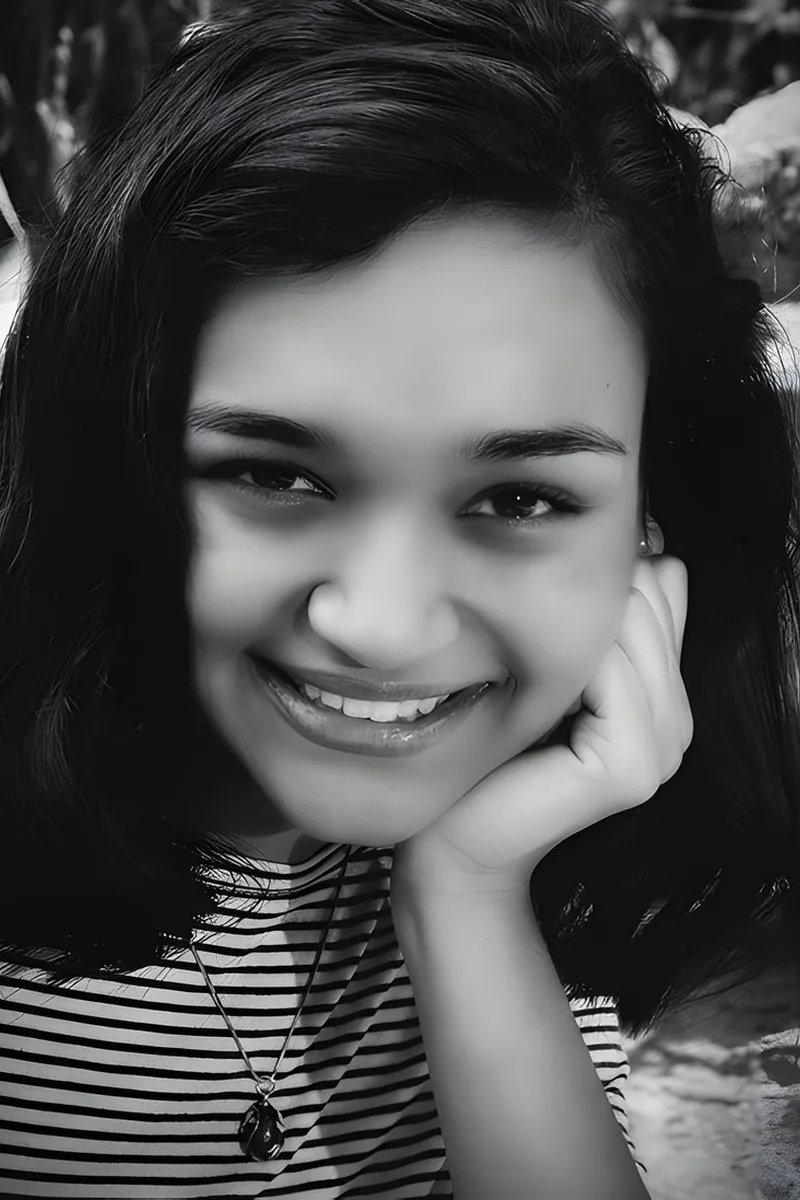
Sery is currently earning a Computer Science degree at Ohio State, where courses in C and C++ give her daily practice with the kind of logical thinking AP CSP tests through its pseudocode and algorithm questions. What sets her apart is her background in writing and literature tutoring — she coaches students to craft Create Task written responses that clearly articulate how their program uses abstraction and manages complexity, which is where most points are quietly lost.

I am a recent graduate with a master's in electrical engineering from Case Western Reserve University. I won the Bill and Melinda Gates Millennium Scholarship which covers full tuition up to Ph.D. I was on the Dean's List for three consecutive years. Additionally, I won the OZY Media Genius Award in 2015 to work on high-temperature superconductors. I currently work as a Technology Analyst at Accenture. I am also seriously considering whether I should go for a Ph.D. or not.
Most AP CSP students get tripped up not by the technical content but by the exam's pseudocode — reading and tracing algorithms written in a language nobody actually codes in. Maxwell's math and physics training means he thinks naturally in abstractions and logical structures, so he can teach students to parse those pseudocode questions the way he'd parse a proof: step by step, tracking what changes and why. Rated 5.0 by students.
Most AP CSP tutors lean on pseudocode drills, but Samuel's computer science engineering coursework at Ohio State means he can pull from real Java and MATLAB projects to illustrate why concepts like data abstraction and algorithm efficiency actually matter beyond the exam. His math minor also sharpens the logic side — binary arithmetic, Boolean expressions, and the kind of structured reasoning that makes multiple-choice questions feel predictable instead of tricky.
Kerr is currently building iOS apps and games as a CS major at Vanderbilt, which means the programming and design thinking in AP CSP's Create Task mirrors what he does every week. He teaches pseudocode logic and algorithm design by connecting them to real development decisions — like why a particular data structure speeds up a game or how abstraction keeps an app's codebase manageable. Rated 4.9 by students.
Matthew codes in Java, C++, Python, and JavaScript — so when AP CSP asks students to reason about algorithms or explain how a program works in pseudocode, he can ground those abstractions in actual programming logic most students haven't seen yet. His Harvard math and CS coursework also means he's sharp on the data analysis and binary representation questions that trip up students who only studied the vocabulary. Rated 4.9 by students.
Cognitive science training at Stanford gave David an unusual lens for AP CSP — he studied how humans process information before studying how computers do, which means he can explain abstraction, algorithms, and data representation in terms that actually click. His experience teaching web and app development to high schoolers abroad sharpened his ability to walk students through the Create Task from planning to polished written response.
Electrical engineering taught Jake to think in systems — how signals move, how data gets encoded, how layers of abstraction stack to make hardware and software talk to each other. That mindset maps directly onto AP CSP's trickiest material, from binary representation to internet protocols to algorithm tracing in pseudocode. He also teaches across five programming languages, so the Create Task's coding component comes naturally.
Caltech's CS curriculum drills computational thinking at a level that makes AP CSP's big ideas — abstraction, algorithm design, data representation — feel like familiar territory for Brian. He teaches students to reason through pseudocode and explain their design choices in plain language, which is exactly what the Create Task and the multiple-choice exam reward. His 1580 SAT speaks to the kind of precise, analytical communication that carries across disciplines.
Coming from Thomas Jefferson High School for Science and Technology — one of the most competitive STEM programs in the country — and now studying computer engineering at Vanderbilt, Rhamy brings real depth to the algorithms and abstraction concepts that AP CSP tests. He digs into how programming logic actually maps to hardware, which gives students an intuitive grasp of topics like data representation and protocol layers that most review guides gloss over. Rated 5.0 by students.
Intensely curious, I am interested in STEM subjects and the liberal arts. I tutor to help you reach your educational goals and because it's immensely gratifying to see my students succeed.
Manideep's day-to-day at Northwestern splits between biology coursework and programming in Python for data analysis, which maps directly onto AP CSP's emphasis on how computing intersects with other fields. He teaches the algorithmic thinking and data representation concepts by tying them to problems he's actually solved — like modeling biological datasets — so the exam's Big Ideas feel grounded rather than abstract. Rated 5.0 by students.
Biomedical engineering at Cornell means Annie writes Python and MATLAB to process real research data — skills that map directly onto AP CSP's emphasis on programming, data analysis, and algorithmic thinking. She teaches the Create Task as a scaled-down version of the same design process she uses in lab: define the problem, plan the logic, build iteratively, then explain your choices clearly. Rated 4.9 by students.
Samuel's applied math training at Caltech intersects directly with AP CSP's algorithm and data units — he can trace how a sorting algorithm's efficiency scales or why lossy compression works because he uses that math daily. He also taught a discrete mathematics course through PACT, which means pseudocode logic and combinatorial reasoning come naturally when prepping students for both the multiple-choice exam and the Create Task.
Daniel's biomedical engineering coursework at Rice means he writes algorithms to process real biological data — exactly the kind of computational thinking AP CSP tests through its Big Ideas on data analysis and abstraction. He brings that applied perspective to the Create Task, coaching students to plan, build, and document projects that hit every rubric criterion without overcomplicating the code.
Ronit studies computer science at Yale and knows AP CSP's curriculum from the student side — which Big Ideas actually trip people up on the multiple-choice and where the Create Task rubric quietly punishes vague written responses. He digs into the explanatory writing piece that most students underestimate, teaching how to describe an algorithm's purpose and trace through pseudocode with the precision the exam expects. Rated 5.0 by students.
Testimonials
Because the right AP Computer Science Principles tutor makes all the difference.
Average Session Rating – Based on 3.4M Learner Ratings
Nearby AP Computer Science Principles Tutors
Other Dayton Tutors
Related Technology and Coding Tutors in Dayton
Frequently Asked Questions
AP Computer Science Principles covers five big ideas: creative development, data, algorithms, programming, and computing impacts. The course emphasizes computational thinking, problem-solving, and real-world applications rather than heavy coding syntax. Students learn through hands-on projects, the Create Performance Task (where you build an app or program), and the Explore Performance Task (analyzing real-world computing innovations). For students in Dayton working with tutors, understanding these five pillars helps focus study efforts on what the exam actually tests.
AP scores range from 1 to 5, with a 3 or higher typically earning college credit. Most colleges award credit for a 4 or 5, though some accept 3s. The national average hovers around 2.8-3.0, so scoring a 4 or 5 puts you well ahead. Your goal should depend on your college targets—check specific schools' policies. Personalized tutoring helps identify your current strengths and gaps, then builds a realistic improvement plan tailored to your goals.
Students often struggle with the Performance Tasks, which require both technical skills and clear written explanations of your thinking. The Explore task demands analyzing a real computing innovation in depth, while the Create task means designing, building, and documenting your own program—all under time pressure. Many students also find the multiple-choice section tricky because questions test conceptual understanding rather than memorization. Tutors can help you practice breaking down complex problems, manage the project timeline, and strengthen your explanations so your work earns full credit.
Your first session focuses on understanding where you stand. A tutor will review your current coursework, discuss your AP exam timeline, and assess which topics feel solid versus which need work. You'll talk about your goals—whether you're aiming for a 3, 4, or 5—and your learning style. From there, the tutor creates a personalized study plan that balances multiple-choice practice, Performance Task prep, and any specific weak areas. This foundation ensures every session after builds directly on what you actually need.
The Performance Tasks are worth a significant portion of your AP score, so mastering them is critical. Tutors help you understand the rubric deeply, guide you through the design and coding process, and most importantly, teach you how to write clear explanations of your work. You'll practice breaking down your algorithm, documenting your creative process, and connecting your project to the course's big ideas. Regular feedback on drafts—before you submit—catches issues early and builds confidence that your work meets College Board standards.
Ideally, you should begin focused exam prep 8-12 weeks before test day, though this depends on your current understanding. If you're taking the course, tutoring during the school year helps you master concepts as you learn them, making final review much smoother. For students in Dayton preparing for May exams, starting tutoring by February gives you solid time to tackle weak areas, practice full-length tests, and refine your Performance Tasks. Starting earlier is never a disadvantage—it reduces stress and gives you time to revisit tough topics.
Practice tests are essential because they reveal exactly which topics trip you up and help you get comfortable with question formats and timing. The multiple-choice section has unique phrasing and logic that benefits from repeated exposure. However, AP Computer Science Principles isn't just about multiple-choice—you also need to practice the Performance Tasks under realistic conditions. Tutors use practice materials strategically, reviewing your results with you to identify patterns in mistakes and adjust your study plan accordingly.
Look for tutors with strong computer science backgrounds—ideally someone who has taught AP CSP, scored well on the exam themselves, or has professional programming experience. They should understand the College Board rubric inside and out, especially for the Performance Tasks. Beyond technical knowledge, a great tutor explains concepts clearly, helps you think through problems rather than just giving answers, and knows how to build your confidence. Varsity Tutors connects you with expert tutors who have proven experience helping students succeed on this specific AP exam.
Let’s find your perfect tutor
Answer a few quick questions. We’ll recommend the right plan and match you with a top 5% tutor.