Award-Winning AP Spanish Literature and Culture Tutors
serving Cleveland, OH
AP Spanish Literature and Culture
Tutors in Cleveland
Private 1-on-1 tutoring, weekly live classes for academic support, test prep & enrichment, practice tests and diagnostics, and more to elevate grades and test scores.
Based on 3.4M Learner Ratings
UniversitiesSchools & Universities
DeliveredHours Delivered
ProficiencyGrowth in Proficiency
Who needs tutoring?
No obligation. Takes ~1 minute.
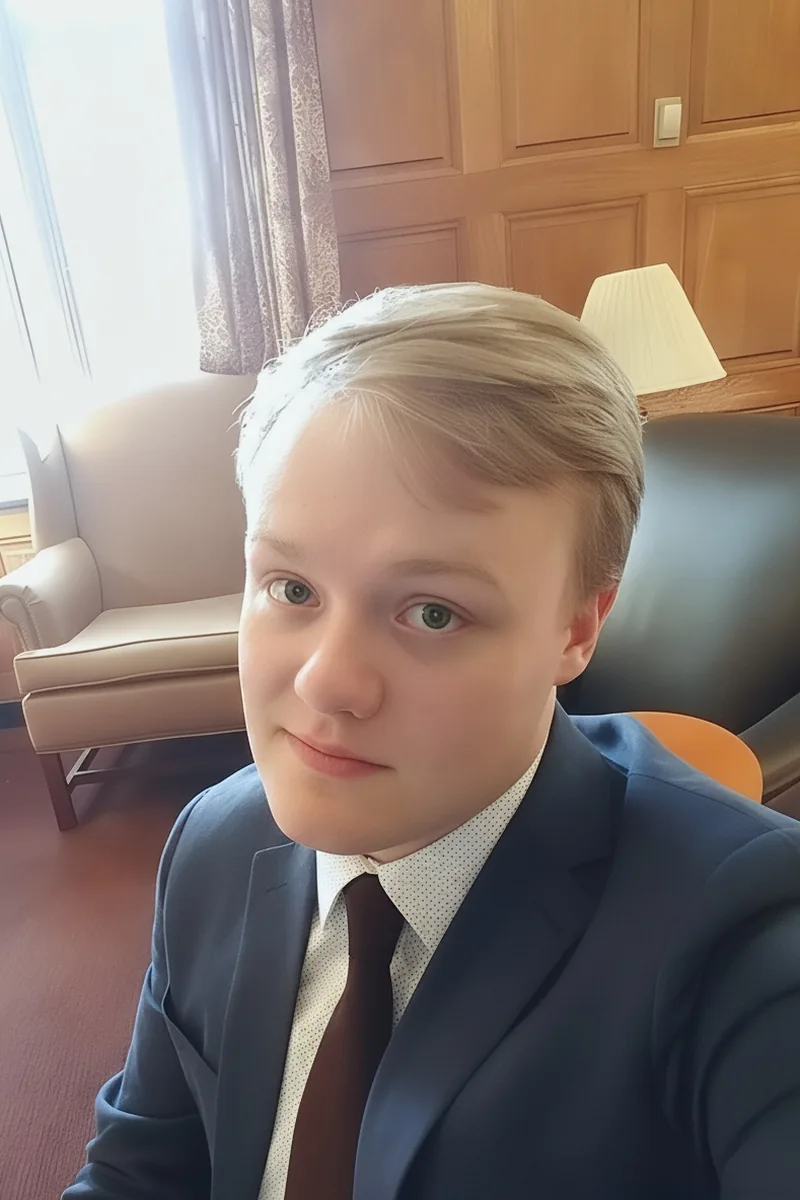
Few tutors can match Trace's combination of a summa cum laude specialization in Spanish from Ohio State and professional experience as a Spanish-language court interpreter. For AP Spanish Literature and Culture, he unpacks texts from Cervantes to García Márquez in their original language, teaching students to write literary analysis in Spanish with the sophistication the exam requires.

I'm a native Spanish and English speaker. I graduated with Honors in Art History and Philosophy from the University of Chicago. As a trilingual, I easily understand the difficulties and processes involved in learning a new language! I have been teaching Spanish and English to students worldwide for years. I am passionate about teaching languages as I have been blessed by life-changing opportunities by speaking fluidly with people from other cultures.
James's finance and marketing degrees aren't the obvious path to AP Spanish Literature — but his coursework through AP Spanish Literature and Culture plus Spanish 4 and his experience teaching across every level of the language mean he knows the reading list and can coach essay construction in Spanish. Where he adds unexpected value is in the argumentative structure side: building a persuasive, evidence-driven thesis under time pressure is something his business training reinforced from a different angle, and that discipline transfers directly to the AP free-response section.
Learning Spanish from scratch starting in second grade and continuing through a medical Spanish interpreting internship at Rice, Sanjay knows exactly where non-native speakers stumble when reading dense literary texts — the archaic syntax in a Cervantes passage or the layered metaphor in a Darío poem. That outsider-turned-fluent trajectory gives him a toolbox of strategies for breaking down AP reading list works into manageable pieces, especially for students who feel intimidated writing timed analytical essays entirely in Spanish. His biochemistry and molecular biology degree from Rice also means he's no stranger to rigorous close reading across disciplines.
Growing up as a native speaker of Spanish and Galician — two languages with deeply intertwined literary traditions — Andrea brings an intuitive ear for the register shifts, regional idioms, and poetic rhythms that surface in AP reading list texts from both Peninsular and Latin American canons. Her International Relations studies at Princeton, paired with a certificate in Spanish, trained her to read literature through the political and social forces behind it, which strengthens the kind of culturally grounded essay arguments the free-response section rewards. Rated 5.0 by students.
Honestly, AP Spanish Literature and Culture isn't Courtney's deepest specialty — her Spanish minor and SAT Spanish Subject Test tutoring give her solid language skills, but this exam's literary canon demands a level of cultural and analytical depth that goes beyond language proficiency alone. For students who need help with the foundational Spanish reading and writing fluency that supports literary analysis, or who want structured practice organizing timed essays, her 34 ACT and 5.0 rating reflect serious analytical chops she can apply to argument construction and textual evidence work.
Honest assessment: AP Spanish Literature and Culture isn't Morgan's wheelhouse — her strengths are English literature, writing, and standardized test prep (she scored a 34 ACT and holds a 5.0 rating). That said, her English degree at Washington University in St. Louis means she lives inside literary analysis daily, and for students who already have strong Spanish fluency but struggle with essay structure — building a thesis, integrating textual evidence, constructing an argument under time pressure — those skills transfer directly to the AP free-response format.
Spanning Spanish 1 through AP-level coursework and the SAT Subject Test in Spanish with Listening, Alma has built her tutoring practice around the language from every angle — grammar, conversation, reading, and writing. For this exam specifically, her creative writing and essay editing experience shapes how she coaches timed literary analysis essays, teaching students to move from a raw reading of a passage to a focused, thesis-driven argument written entirely in Spanish.
Elliot's training is in neuroscience and cognitive science, not Spanish literature — so this is a peripheral subject for him. That said, his PhD-level analytical skills and experience teaching writing and essay construction mean he can coach students on the structural mechanics of timed literary essays: building a thesis, organizing textual evidence, and arguing a point clearly under pressure.
Before college, Heather's high school Spanish teacher trusted her enough to refer another student to her for one-on-one tutoring — the kind of endorsement that speaks to genuine command of the language beyond classroom basics. Her psychology training adds a useful angle for AP Literature essays where character motivation and identity themes drive the analysis, and she brings patient, structured coaching to students who get overwhelmed by timed writing in Spanish. Rated 5.0 by students.
Growing up as a native Spanish speaker and writer while simultaneously studying English literature and theater at Bowdoin gave Alex an unusual double fluency — literary analysis skills honed in two languages at once, which is precisely what this exam's timed essays in Spanish demand. His graduate work in biology might seem unrelated, but the evolutionary and bioanthropological lens he brings to questions of cultural identity and human experience adds unexpected depth when unpacking themes in reading list works from Quiroga to Allende. Rated 4.8 by students.
Reading and writing are Daniela's home base — she's an English major with a 1560 SAT who also tutors across four levels of Spanish, from introductory through AP. For this exam, that combination means she can coach students on the literary analysis and essay-writing mechanics (thesis construction, evidence integration, argumentative flow) while working through the Spanish-language texts on the reading list. Her cross-language fluency keeps sessions grounded in both the literature and the language it's written in.
Studying four languages — including Armenian, which she's currently acquiring — gives Araxie a firsthand understanding of how grammar, idiom, and cultural context interact in ways that matter for close reading of AP reading list texts in Spanish. Her Linguistics major at the University of Chicago sharpens that instinct: she can teach students to notice how a poet's syntax or verb mood carries meaning, then build that observation into a structured analytical essay entirely in Spanish.
Testimonials
Because the right AP Spanish Literature and Culture tutor makes all the difference.
Average Session Rating – Based on 3.4M Learner Ratings
Nearby AP Spanish Literature and Culture Tutors
Other Cleveland Tutors
Related Languages Tutors in Cleveland
Frequently Asked Questions
The AP Spanish Literature and Culture exam focuses on six thematic units: the individual, family and community, beauty and aesthetics, science and technology, political and social institutions, and global challenges. You'll analyze literary texts—including novels, short stories, poetry, and drama—from Spanish-speaking countries across different time periods. The exam tests your ability to understand complex texts, identify literary devices, and discuss cultural contexts through both written and spoken responses.
The exam is 3 hours long and divided into two sections. Section I includes multiple-choice questions (50% of your score) where you read passages and answer comprehension questions. Section II (50%) includes three free-response essays: one analyzing a literary text, one comparing two texts, and one cultural analysis essay. You'll also complete a spoken portion where you respond to prompts about texts and cultural topics. Strong performance requires both deep comprehension and the ability to articulate analysis clearly.
Many students struggle with the vocabulary density of literary texts, especially older works or poetry with complex metaphorical language. Another common challenge is moving beyond basic comprehension to analyze literary devices like symbolism, tone, and narrative perspective in Spanish. Time management during the exam is also tough—balancing careful reading of passages with thoughtful essay writing requires strong pacing strategies. Personalized tutoring helps you build strategies for each of these areas and practice with authentic AP-level texts.
Score improvement depends on your starting point and how consistently you engage with tutoring. Students who work with tutors on text analysis, essay structure, and test-taking strategies typically see meaningful gains—often 1-2 score levels over a semester or two. The key is regular practice with actual AP texts, targeted feedback on your essays, and building confidence in identifying literary elements under timed conditions. Your tutor will help you identify weak areas and create a focused study plan to address them.
Your first session is about building a foundation for success. Your tutor will assess your current reading comprehension level, writing skills, and familiarity with literary analysis in Spanish. You'll likely review a sample passage or poem together to see how you approach text analysis and identify areas to strengthen. From there, your tutor creates a personalized plan focused on your goals—whether that's mastering specific literary devices, improving essay structure, or building test-taking confidence. Most students find this initial conversation clarifies exactly what to focus on.
Varsity Tutors connects you with tutors who have deep expertise in AP Spanish Literature and Culture, including knowledge of the exam format, common texts, and effective teaching strategies. When you get matched with a tutor, you can discuss their experience with AP students, their approach to literary analysis, and how they help students improve their scores. Look for tutors who are familiar with the specific texts on the AP reading list and can provide authentic practice materials and feedback on your essays.
Strong AP essays require clear thesis statements, specific textual evidence, and analysis of literary devices—all in Spanish. Many students rush through their essays or focus too much on plot summary rather than literary analysis. Your tutor can help you develop a reliable essay structure, practice writing under timed conditions, and learn how to select the most compelling evidence from texts. Regular practice with feedback on your drafts builds both your writing skills and confidence in your ability to produce strong essays on exam day.
Test anxiety often stems from uncertainty about what to expect or feeling unprepared for the exam format. Working with a tutor builds confidence through repeated exposure to authentic AP-level texts, timed practice essays, and speaking prompts. You'll become familiar with question types, develop reliable strategies for tackling passages quickly, and practice managing your time across all sections. As you see improvement in your practice work and understand the exam better, anxiety naturally decreases—you're walking into the real exam having done it many times before.
Let’s find your perfect tutor
Answer a few quick questions. We’ll recommend the right plan and match you with a top 5% tutor.