Award-Winning Science Tutors
serving Charlotte, NC
Science
Tutors in Charlotte
Private 1-on-1 tutoring, weekly live classes for academic support, test prep & enrichment, practice tests and diagnostics, and more to elevate grades and test scores.
Based on 3.4M Learner Ratings
UniversitiesSchools & Universities
DeliveredHours Delivered
ProficiencyGrowth in Proficiency
Who needs tutoring?
No obligation. Takes ~1 minute.
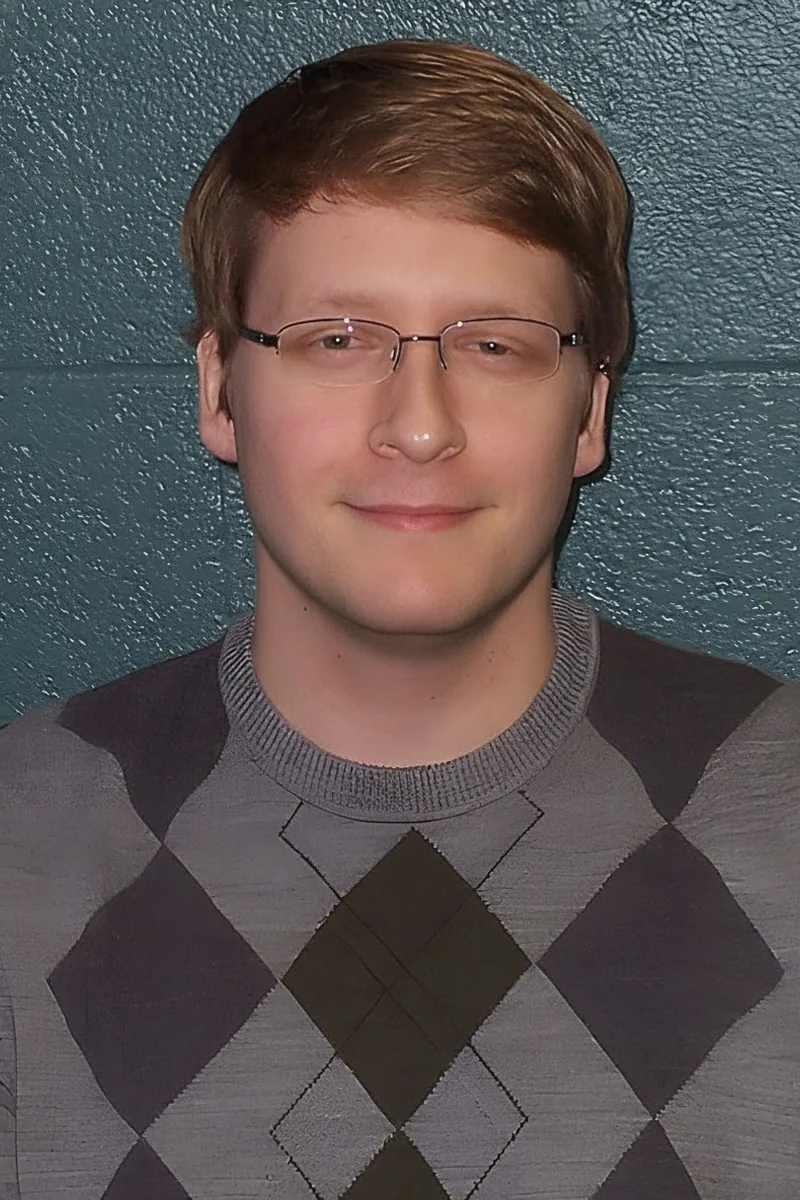
Alex's science tutoring is geared toward younger and general-level students who need support with concepts like the scientific method, earth science, and basic life science. His academic training in careful reading and analysis carries over naturally to interpreting lab data and understanding how to support a scientific claim with evidence.
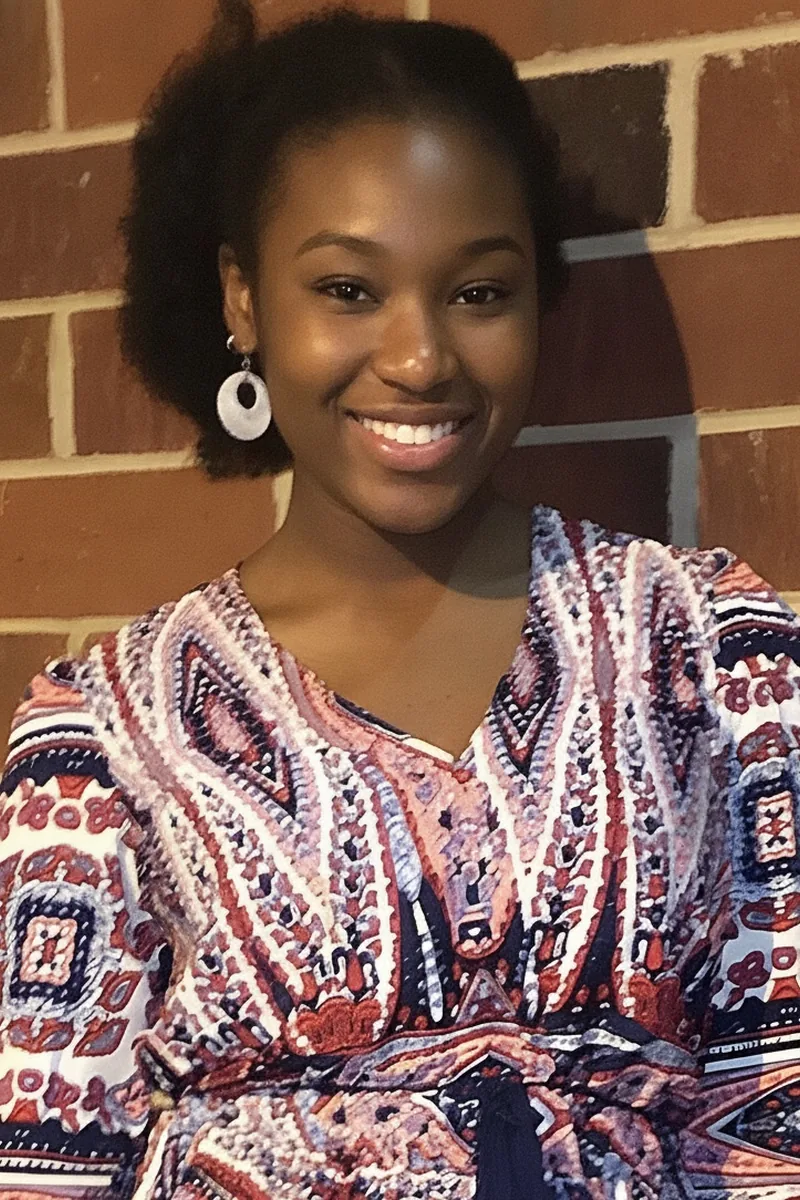
Ify treats science like a reading exercise as much as a content one — teaching students to pull meaning from diagrams, data tables, and dense textbook passages. Her biology background and 32 ACT (including the Science section's rapid-fire data interpretation) give her a practical toolkit for breaking down life science and physical science concepts at the middle and high school level.
Two chemical engineering degrees gave Earnest deep fluency in chemistry, physics, and biology at the molecular level — the exact overlap where most science courses live. He unpacks concepts like stoichiometry, thermodynamics, and cellular energetics by tying them back to tangible processes students can visualize.
Between her cell biology and developmental biology coursework at UNC Chapel Hill, Isabel knows how to make dense scientific material stick — especially when it involves processes with many steps, like mitosis or embryonic signaling pathways. She breaks complex diagrams and vocabulary into smaller cause-and-effect chains that students can reason through on their own.
A master's in physiology from Georgetown plus a chemistry minor and four years of medical school give Morgan unusual depth across the sciences, from cellular biology to human body systems to basic chemistry. She unpacks scientific concepts by connecting them to everyday questions — why muscles fatigue, how vaccines trigger immunity — so the material sticks.
Working as an economic researcher in the public sector means Rebecca spends her days doing what science classes ask students to learn — collecting data, testing hypotheses, and figuring out whether the evidence actually supports a conclusion. Her Berkeley training in economics and data science built fluency with graphs, statistical reasoning, and experimental design that she now applies to teaching students how to interpret results and think critically about variables. Rated 5.0 by students.
Jack's computer science training at UNC Chapel Hill means he approaches science the way working scientists do — building hypotheses, testing variables, and interpreting data logically. He's especially effective at breaking down the quantitative side of science, whether that's unit conversions in chemistry or analyzing motion graphs in physics, drawing on his strong math background to make the numbers click.
As a biology major and certified EMT, Daiven lives science in both the classroom and the field — he's studied cellular respiration in lecture and managed real physiological emergencies on calls. That dual perspective makes him especially effective at teaching anatomy, physiology, and life science concepts because he can ground textbook material in how the human body actually behaves. He also covers earth science and general chemistry fundamentals.
Pursuing a B.S. in Physics at NC State, Gatlin lives inside the scientific method daily — designing experiments, interpreting data, and building models that explain real phenomena. He applies that same framework when teaching general science concepts, whether that means walking through force diagrams, energy conservation, or how to set up and analyze a controlled experiment.
Cellular biology and botany are Madison's academic specialties at Guilford College, and that depth shows when she teaches broader science concepts — she can trace a topic like photosynthesis from the molecular level up to whole-organism ecology without losing a student along the way. She leans heavily on diagrams and visual models to make processes like the cell cycle or energy transfer intuitive rather than abstract.
Pre-med coursework at Michigan covered biology, chemistry, and physics in depth, so Cailee knows how to connect abstract scientific concepts — like energy conservation or cellular respiration — to concrete examples that actually make sense. She approaches each topic by building up from the underlying logic rather than expecting students to memorize vocabulary lists and diagrams cold.
As a physics major at UNC Chapel Hill, Shourya lives inside the scientific method daily — designing experiments, interpreting data, and connecting mathematical models to physical phenomena. He brings that same structured curiosity to science tutoring, breaking down topics like energy conservation or wave behavior into intuitive pieces rather than abstract definitions.
Studying chemistry at the college level means Srikavya lives inside scientific thinking every day — designing experiments, interpreting data, and connecting molecular behavior to observable phenomena. She brings that fluency to younger students tackling biology, physical science, or earth science, making sure they understand the reasoning behind each concept rather than just the vocabulary.
Reading-heavy science assignments — decoding a passage about ecosystems, pulling key details from a diagram caption, or figuring out what a word problem is actually asking — are where Traci's English and reading background becomes genuinely useful. Her psychology coursework at North Carolina Central also covered research design basics like forming hypotheses and identifying variables, so she can walk students through the scientific method with real understanding rather than rote steps.
A chemistry minor at UNC Charlotte means Kelsey spends serious time in labs and lectures working through reaction stoichiometry, molecular interactions, and data analysis. She tutors science at UNCC's academic excellence center and knows how to connect abstract scientific concepts — like energy transfer or chemical equilibrium — to concrete, visual explanations that click.
Studying economics and philosophy at UVA means Emma spends her time building arguments from evidence and reasoning through complex systems — skills that map directly onto scientific thinking like evaluating hypotheses and understanding cause-and-effect relationships. She's especially effective at helping younger students in elementary and middle school science grasp foundational concepts like ecosystems, states of matter, and the basics of experimental design. Rated 5.0 by students.
A statistics degree means Taylor spent years doing exactly what science courses ask students to do — collecting data, controlling variables, interpreting results, and figuring out whether a pattern is real or just noise. That quantitative backbone makes her especially sharp when it comes to the graphing, measurement, and experimental design components that often separate students who memorize science facts from those who actually understand them. Rated 4.9 by students.
Colleen approaches science the way she approaches history: by asking why things work, not just memorizing what happens. Her analytical training at the University of Michigan translates well to reading data tables, understanding the scientific method, and connecting cause-and-effect relationships across topics.
A civil engineering degree requires deep coursework across physics, chemistry, and applied science, so Matthew doesn't just recall formulas — he understands the physical intuition behind them. Whether a student is balancing chemical equations or analyzing forces on an object, he breaks problems into smaller pieces and shows how each concept connects to the next. Rated 5.0 by students.
Molly's background is rooted in the humanities rather than a lab science, so she brings a different kind of value here — structured study strategies, clear note-taking systems, and the ability to explain concepts in plain language. For students who struggle with dense science textbooks, that translation skill matters.
Testimonials
Because the right Science tutor makes all the difference.
Average Session Rating – Based on 3.4M Learner Ratings
Practice Science
Free practice tests, flashcards, and AI tutoring for Science
Other Charlotte Tutors
Related Science Tutors in Charlotte
Frequently Asked Questions
Many Charlotte students struggle with connecting abstract scientific concepts to real-world applications, particularly in chemistry and physics where visualization is critical. With an average student-teacher ratio of 16.8:1 across the district, classroom instruction often can't address individual gaps in foundational skills like math applications in science or lab technique proficiency. Personalized tutoring helps students build confidence in these areas by breaking down complex topics and providing targeted practice on problem areas.
Tutors working with Varsity Tutors understand North Carolina's science standards and the specific expectations for each grade level, from elementary life science through high school biology, chemistry, and physics. They work with your student's current coursework and assessments to ensure tutoring reinforces what's being taught in the classroom while filling knowledge gaps. This alignment means students see immediate improvements in class performance and test scores.
The first session focuses on understanding your student's current level, learning style, and specific challenges—whether that's lab report writing, problem-solving in physics, or memorization of biological processes. The tutor will assess which foundational concepts need reinforcement and discuss goals, whether improving grades, preparing for AP exams, or building confidence in science. From there, a personalized plan is developed to address your student's unique needs.
Yes—tutors can work with students on lab report writing, data analysis, experimental design, and understanding lab procedures. This is especially valuable for students taking biology, chemistry, or physics courses where hands-on lab work is a significant part of the grade. Personalized instruction allows tutors to walk through lab concepts step-by-step and help students understand the reasoning behind experimental methods.
Tutors can prepare students for standardized assessments like the NC EOC exams as well as AP Biology, Chemistry, and Physics exams by focusing on high-yield content, test-taking strategies, and practice problems that mirror actual exam formats. Rather than generic test prep, personalized instruction targets your student's weak areas—whether that's specific unit content or question types they consistently miss. Many students see significant score improvements with focused, one-on-one preparation.
Foundational gaps—like understanding the scientific method, atomic structure, or energy concepts—are common and absolutely addressable with personalized tutoring. Tutors can slow down and reteach concepts using different explanations, visuals, and examples until your student truly understands rather than just memorizes. Building this solid foundation makes advanced topics like stoichiometry or genetics much more manageable.
Tutors support students across all science disciplines: biology, chemistry, physics, earth science, environmental science, anatomy, and physiology. Whether your student is in middle school general science, taking a high school biology or chemistry course, or preparing for AP or honors-level science, Varsity Tutors can connect you with an expert tutor who specializes in that subject. Each science discipline has its own challenges, and specialized expertise makes a real difference.
In a classroom of 25+ students, teachers can't slow down for individual learning gaps or adjust explanations to match each student's learning style. Personalized tutoring provides one-on-one attention where the pace, depth, and teaching methods are customized to your student's needs. This targeted approach means faster progress on problem areas and more efficient use of study time—research consistently shows that personalized instruction significantly accelerates learning compared to classroom-only instruction.
Let’s find your perfect tutor
Answer a few quick questions. We’ll recommend the right plan and match you with a top 5% tutor.