Award-Winning Computer Science Tutors
serving Reno, NV
Computer Science
Tutors in Reno
Private 1-on-1 tutoring, weekly live classes for academic support, test prep & enrichment, practice tests and diagnostics, and more to elevate grades and test scores.
Based on 3.4M Learner Ratings
UniversitiesSchools & Universities
DeliveredHours Delivered
ProficiencyGrowth in Proficiency
Who needs tutoring?
No obligation. Takes ~1 minute.

I'm trying to work on personal projects. I really enjoy snowboarding, and have been doing that since the third grade. I also enjoy playing sports and video games.
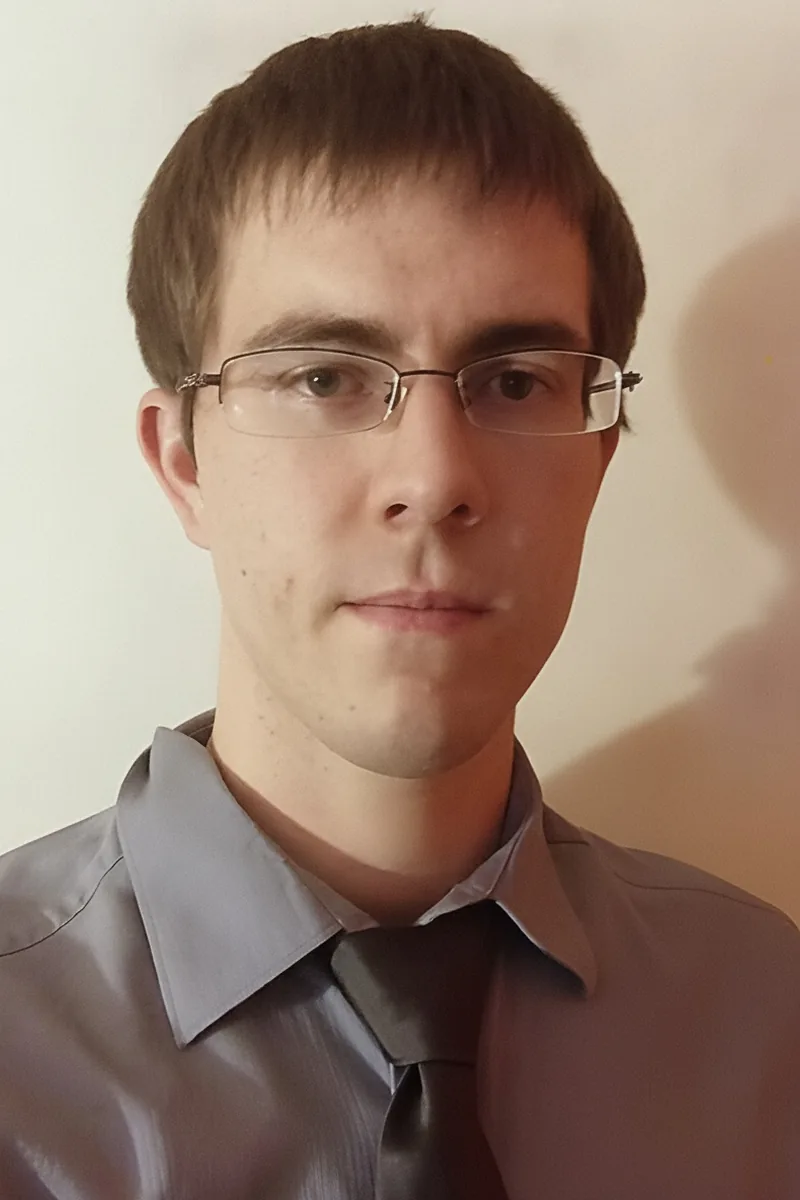
I am currently a Biology major at the University of Nevada Las Vegas. I am in the process of switching into Computer Science. My background is primarily in the sciences and math, mostly Biology and Chemistry. I also am proficient in Spanish; I have received two awards from the National Spanish exam and I passed the AP Spanish and Culture exam. Prior to college, I graduated with an Advanced Honors Diploma from Northwest Career and Technical Academy under the program area of Biotechnology. I have some tutoring experience with my peers and with friends of the family. Outside of school, my hobbies include video games and digital media.
From sorting algorithms and Big-O analysis to data structures like linked lists and binary trees, Rhamy covers the foundational CS concepts that show up in coursework and technical interviews alike. His computer engineering degree at Vanderbilt, paired with experience in multiple languages, lets him explain abstract ideas through concrete code. Rated 5.0 by students.
Holding both a B.S. in Computer Science from the University of Kentucky and a game development master's in progress at SCAD, Evan covers the full stack of CS fundamentals: data structures, algorithm analysis, object-oriented design, and software architecture. He connects abstract concepts like Big-O complexity or recursion to concrete implementations in C, C++, and Java so the theory actually sticks.
Eric treats coding problems the same way he treats logical puzzles — by breaking them apart, finding the pattern, and building a solution step by step. As a CS major at Washington University in St. Louis, he's deep in Java and JavaScript right now, which means he can walk students through everything from writing their first function to structuring a full object-oriented program. His approach emphasizes learning to think through problems algorithmically before jumping to syntax.
Julia is a computational science major at Stanford who writes code daily and understands the gap between knowing syntax and thinking like a programmer. She digs into core concepts like recursion, data structures, and algorithm design by walking through problems step by step until the logic becomes intuitive. Students learning Python, Java, or tackling their first real debugging challenge get someone who can explain the *why* behind every line.
Building AI systems and low-level software at Stanford — in both Python and C++ — Kevin knows where the theoretical meets the practical in computer science. His biocomputation specialization means he can explain not just how to implement an algorithm, but why certain computational approaches work better for different problem domains. Rated 5.0 by students.
Recursion, data structures, algorithmic complexity — these topics trip up students who try to memorize patterns without understanding why they work. Kevin holds both a bachelor's and master's in computer science from NYU, and he's the kind of tutor who will explain a concept three different ways until the logic genuinely lands. Rated 4.8 by students.
Ritesh's applied physics program at Cornell involves significant programming, from numerical simulations to data analysis, giving him hands-on fluency with core computer science concepts like algorithm design, data structures, and debugging logic. He unpacks topics such as recursion, sorting algorithms, and object-oriented principles by tying them to concrete problems rather than abstract definitions.
Between his AP Computer Science 5 and his engineering coursework at Vanderbilt, William has written code across contexts — from introductory Java to computational modeling in his chemical engineering classes. He breaks down abstract concepts like recursion, data structures, and algorithm efficiency by walking through concrete examples line by line. Students who can follow the logic but freeze when writing code from a blank screen tend to gain traction quickly with his approach.
As a computer science major at Boston University, Irene is immersed in the subject daily — from data structures and algorithms to object-oriented design. She breaks down abstract programming concepts into concrete steps, walking through how to trace logic, debug code, and think like a developer rather than just memorize syntax.
As an engineering student at Brown, Kashish works with programming languages and computational thinking daily — from writing algorithms to debugging code and understanding data structures like arrays, linked lists, and trees. She breaks down abstract CS concepts by connecting them to concrete problems, making topics like recursion or object-oriented design click for students encountering them for the first time. Her analytical precision and 5.0 rating make her a strong fit for introductory through intermediate computer science.
Elizabeth's computer science degree and professional software development career mean she teaches CS concepts the way they're actually used — not just as textbook definitions. Whether it's understanding recursion, tracing through data structures, or reasoning about algorithmic efficiency, she connects abstract ideas to real code she's written on the job.
Allison's CS degree from Dartmouth means she's worked through the full arc — from writing first programs to tackling data structures, algorithms, and computational theory. She unpacks abstract concepts like recursion and Big-O analysis by walking through concrete code examples, making the logic visible before the notation takes over.
Testimonials
Because the right Computer Science tutor makes all the difference.
Average Session Rating – Based on 3.4M Learner Ratings
Other Reno Tutors
Related Technology and Coding Tutors in Reno
Frequently Asked Questions
Your first session is all about understanding your goals and current level. A tutor will ask about the programming languages you're learning, specific topics that are challenging (like data structures or debugging), and what you're working toward—whether that's AP Computer Science, a class project, or building your own applications. From there, you'll develop a personalized plan that focuses on the areas where you need the most support.
Debugging is one of the most valuable skills in Computer Science, and it's hard to learn alone. Tutors work through errors with you step-by-step, teaching you how to read error messages, use debugging tools, and think through what your code is actually doing versus what you intended. This hands-on approach helps you develop problem-solving strategies you can apply to any code you write in the future.
Syntax is the rules of a specific programming language—how to write valid code. Logic is the thinking behind it—how to break down a problem and create a solution. Many students struggle because they focus too much on syntax and not enough on algorithmic thinking. A tutor helps you build strong logical foundations first, so learning new languages and tackling complex problems becomes much easier.
Data structures like arrays, linked lists, and trees are abstract concepts that are tough to visualize without hands-on practice. Tutors break them down with visual explanations, code examples, and practice problems that help you see how data is organized and why different structures matter for different tasks. Understanding data structures is crucial for writing efficient code and succeeding in more advanced Computer Science courses.
Absolutely. Project-based learning is one of the best ways to develop practical skills, and tutors can guide you through the entire process—from planning your application's structure to writing code to reviewing and improving what you've built. Whether you're interested in web development, game design, or data science projects, a tutor can help you apply what you're learning to something meaningful.
There are many directions in Computer Science—web development, data science, game development, artificial intelligence, and more. A tutor can help you explore your interests, discuss what skills each path requires, and guide you toward learning the right languages and concepts. This personalized approach helps you stay motivated because you're learning things that align with your actual goals.
Code review teaches you to think like a professional programmer. A tutor will look at your code and help you identify areas for improvement—clearer variable names, more efficient algorithms, better organization, and best practices. This feedback is invaluable because you learn not just whether your code works, but how to write code that's readable, maintainable, and elegant.
With over 100 schools across Reno's two school districts, Computer Science curricula and expectations vary. Varsity Tutors connects you with tutors who understand local standards and can support you whether you're in a foundational programming class, preparing for AP Computer Science, or working on school-specific projects. Personalized instruction ensures you get help tailored to your school's pace and requirements.
Let’s find your perfect tutor
Answer a few quick questions. We’ll recommend the right plan and match you with a top 5% tutor.