Award-Winning AP English Language and Composition Tutors
serving Baton Rouge, LA
AP English Language and Composition
Tutors in Baton Rouge
Private 1-on-1 tutoring, weekly live classes for academic support, test prep & enrichment, practice tests and diagnostics, and more to elevate grades and test scores.
Based on 3.4M Learner Ratings
UniversitiesSchools & Universities
DeliveredHours Delivered
ProficiencyGrowth in Proficiency
Who needs tutoring?
No obligation. Takes ~1 minute.
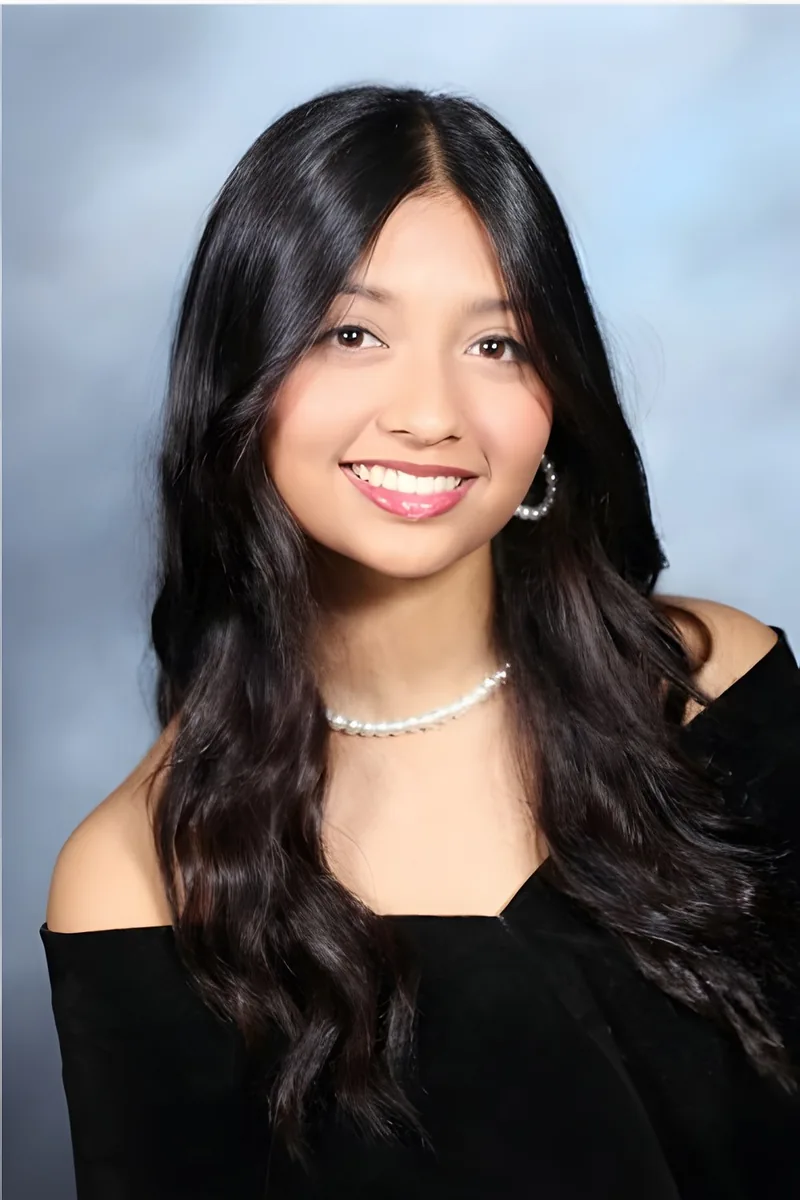
I am a rising second-year Honors student at the University of Florida, majoring in Health Science on the pre-medicine track. Through competitive academic programs, tutoring, and leadership experiences, I have learned how to explain complex concepts in ways that are engaging and easy to understand. Throughout my childhood, I competed in various spelling bees, including the Scripps National Spelling Bee, where I developed a deep appreciation for language, word origins, and effective communication. Later, I discovered HOSA's Medical Spelling competition, which perfectly combined my love for orthography with my growing passion for science and healthcare. I spent countless hours studying Taber's Medical Dictionary and organizing medical terminology into detailed study systems, further strengthening both my academic discipline and interest in medicine. My tutoring experience began with helping younger students prepare for spelling competitions before expan

I am a dedicated tutor with a genuine passion for helping students to improve their grades and fall in love with learning. I believe that every student has the potential to succeed, and my greatest joy comes from helping them discover their own strength and confidence. I am here to provide a supportive, patient, and encouraging space for growth.
AP Lang is really a course in argument — identifying how writers use rhetorical strategies and then deploying those same moves in your own essays. Eric's combination of deep reading habits and formal writing experience means he can dissect a passage's use of ethos, logos, and tone shifts, then coach students through crafting synthesis and argument essays that score well.
Studying linguistics at Yale sharpened William's ability to analyze how language actually functions — why a writer chooses one syntactic structure over another, how tone shifts at the paragraph level, what makes a concession land versus fall flat. That analytical training maps directly onto AP Lang's rhetorical analysis and synthesis essays, where the highest scores go to students who can explain the mechanics behind a writer's persuasive choices. He holds a 5.0 rating and a 1580 SAT, which speaks to his command of both timed writing and close reading under pressure.
Rhetorical analysis is the backbone of AP Lang, and most students underperform not because they can't identify ethos or logos but because they don't know how to explain *why* a rhetorical choice matters in context. Olivia digs into the synthesis and argument essays with equal attention, teaching students to build claims that go beyond restating sources. Her 1560 SAT reflects the same analytical reading and writing skills she brings to AP Lang prep.
The rhetorical analysis essay on AP Lang is where most students lose points, often because they summarize the author's argument instead of dissecting how it's constructed. Cassandra teaches students to spot specific persuasive moves — appeals to authority, strategic concessions, shifts in diction — and explain their effect on the audience. She's rated 4.9 across her subjects.
Rhetoric is the backbone of AP Lang, and most students underestimate how precisely they need to name what an author is doing — distinguishing a concession from a counterargument, or explaining why an anecdote functions as evidence. Hasan's literary training at Brown and his 5.0 tutoring rating reflect an ability to make these analytical moves concrete, especially in the synthesis and argument essays where students tend to lose points.
Theater training at Northwestern taught Merav something most AP Lang students struggle to learn on their own: how to read a text for its performative dimension — the way a writer's pacing, word choice, and tonal shifts are calculated to produce a specific response in an audience. She brings that performer's ear to the exam's free-response essays, teaching students to articulate not just which rhetorical moves an author makes but why those moves land. Rated 5.0 by students.
AP Lang is ultimately about argument — dissecting how writers use evidence, tone, and structure to persuade, then doing it yourself under timed conditions. Molly's experience editing for newspapers sharpened her ability to evaluate rhetorical choices quickly, and she walks students through synthesis and argument essays with an emphasis on building claims that actually hold up to scrutiny.
Rhetoric is the backbone of AP English Language, and Amy teaches students to dissect how authors use appeals, structure, and diction to build persuasive arguments. Her college-level English training means she can model the kind of sophisticated synthesis and argumentation the exam's free-response questions demand. She also tackles the multiple-choice section by showing students how to read like a writer — noticing choices an author made and why.
I'm a current PhD student in the history department at Georgetown University who is also an experienced instructor with Varsity Tutors. As a recipient of several degrees, the most recent being a BA in history from Hillsdale College and a MA in Russian, East European, and Eurasian Studies from Stanford University, I have long sought to make teaching my profession. Meanwhile, as a volunteer grade school teacher and a tutor with this company, I have many years' experience helping students reach their full potential. I am capable of teaching students in many subjects, including reading, mathematics, test prep, Latin, and especially writing, history, and literature. In practice, I am comfortable adapting to different learning styles and specific student preferences. Outside of my academic and career endeavors, I enjoy cooking, reading, and listening to and making music.
Denay's public policy training at the University of Chicago — where every seminar meant tearing apart policy arguments and rebuilding them with sharper evidence — maps directly onto what AP Lang essays require: identifying how authors construct claims, deploy data, and anticipate opposition. She teaches the synthesis essay as a policy brief in miniature, showing students how to integrate multiple sources into a single coherent argument rather than summarizing each one in sequence. Rated 5.0 by students.
AP Lang is ultimately about argument — how writers build it, how readers detect it, and how students construct their own on exam day. Shreya tackles rhetorical analysis by teaching students to identify specific moves like concession, juxtaposition, and shifts in tone, then translate those observations into thesis-driven essays that earn top scores.
Rhetoric is really applied philosophy: every AP Lang prompt asks students to dissect how an author persuades, and then do it themselves. Julie studies philosophy at Princeton, where she spends her days analyzing argument structure, identifying logical appeals, and writing precisely — the same toolkit that earns high scores on synthesis and rhetorical analysis essays.
Testimonials
Because the right AP English Language and Composition tutor makes all the difference.
Average Session Rating – Based on 3.4M Learner Ratings
Practice AP English Language and Composition
Free practice tests, flashcards, and AI tutoring for AP English Language and Composition
Nearby AP English Language and Composition Tutors
Other Baton Rouge Tutors
Related English Tutors in Baton Rouge
Frequently Asked Questions
AP English Language and Composition focuses on developing your ability to analyze and write persuasive arguments. The course emphasizes rhetorical analysis, understanding how authors use language and techniques to persuade audiences, and crafting your own evidence-based arguments. You'll study essays, speeches, and other texts while learning to identify rhetorical strategies like ethos, pathos, and logos—skills that are tested extensively on the AP exam.
The AP exam consists of three sections: a multiple-choice section (52 questions in 1 hour), a rhetorical analysis essay (40 minutes), and two argument essays (40 minutes each). The multiple-choice section tests reading comprehension and rhetorical analysis skills, while the free-response essays require you to analyze texts and construct persuasive arguments. Time management across all three sections is critical, as many students find the pacing challenging.
Score improvement depends on your starting point and commitment level. Students who work with tutors on targeted strategies—like mastering essay structure, improving reading comprehension speed, and practicing under timed conditions—typically see measurable gains. The most significant improvements come from consistent practice with feedback on your essays and identifying which rhetorical concepts you're struggling with, so you can focus your study time effectively.
Many students struggle with time management during the exam, especially balancing the multiple-choice section with three essays in under 3 hours. Others find it difficult to quickly identify rhetorical devices and strategies in unfamiliar texts, or they write argument essays that lack sufficient evidence and analysis. Additionally, understanding the subtle differences between the rhetorical analysis essay and the argument essays—and what each one requires—is a frequent source of confusion.
Strong AP essays require a clear thesis, specific textual evidence, and explicit analysis of how that evidence supports your argument. Many students focus too much on summarizing texts rather than analyzing them deeply. Working with a tutor on essay structure, learning to embed quotes effectively, and practicing timed writing under realistic exam conditions helps you develop the discipline and clarity the exam rewards. Regular feedback on your drafts is essential for identifying patterns in your writing that need improvement.
The multiple-choice section tests both comprehension and rhetorical analysis, so you need to read strategically rather than carefully. Many students benefit from reading the questions first to know what to look for, then scanning the passage for relevant details. Understanding common question formats—like those asking about tone, purpose, or rhetorical effect—helps you anticipate what the test makers are looking for. Practicing with released AP exams under timed conditions reveals your pacing issues and weak question types.
Varsity Tutors connects you with expert tutors in Baton Rouge who specialize in AP English Language and Composition. When you get matched with a tutor, you can discuss your specific challenges—whether that's essay writing, multiple-choice strategy, or test anxiety—so they can tailor their instruction to your needs. Tutors understand the AP curriculum deeply and can provide targeted feedback on your essays and help you develop a study plan leading up to test day.
Practice tests are invaluable because they simulate real exam conditions and help you identify which sections and question types give you trouble. Taking full-length practice exams under timed conditions reveals pacing problems early, so you can adjust your strategy. Beyond just taking practice tests, reviewing your mistakes with a tutor—understanding not just what you got wrong, but why—is what transforms practice into genuine improvement and builds confidence for test day.
Let’s find your perfect tutor
Answer a few quick questions. We’ll recommend the right plan and match you with a top 5% tutor.