Award-Winning Reading Tutors
serving Des Moines, IA
Award-Winning
Reading
Tutors in Des Moines
Private 1-on-1 tutoring, weekly live classes for academic support, test prep & enrichment, practice tests and diagnostics, and more to elevate grades and test scores.
Based on 3.4M Learner Ratings
UniversitiesSchools & Universities
DeliveredHours Delivered
ProficiencyGrowth in Proficiency
Who needs tutoring?
No obligation. Takes ~1 minute.

Strong readers don't just decode words — they identify an author's argument, evaluate evidence, and make inferences across paragraphs. Reid approaches reading comprehension as a teachable skill set, breaking down strategies for annotating, summarizing, and distinguishing main ideas from supporting details. His experience spans middle school through college-level texts.
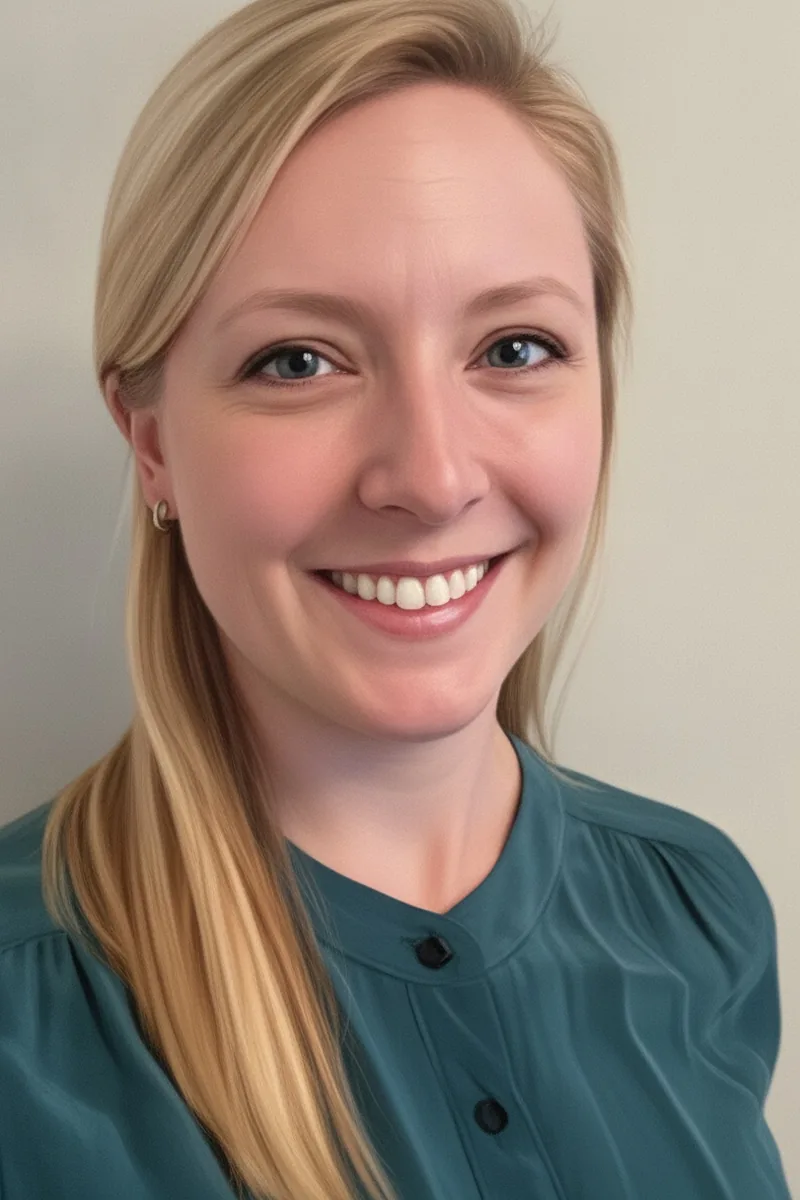
Struggling readers often need something more targeted than "read more" — they need someone who can pinpoint whether the breakdown is in decoding, fluency, vocabulary, or comprehension and then address that specific gap. Liz's Master's in Special Education gave her diagnostic tools and intervention strategies for students with learning disabilities, dyslexia, and ADHD, and she's applied them across a wide range of learners in Boston classrooms. She builds reading stamina and comprehension simultaneously, using texts matched to each student's level and interests.
Strong readers don't just decode words — they predict, question, and connect ideas across paragraphs in real time. Sabira teaches these active-reading strategies explicitly, whether a student is working through a challenging novel or tackling standardized-test passages, building the kind of comprehension habits that transfer across every subject.
Developing culturally literate curricula for middle and high schoolers — the kind where students actually want to read the assigned material — taught Elena that engagement isn't a bonus, it's the mechanism through which comprehension improves. Her McGill and Edinburgh training in religious studies means she's spent years pulling meaning from texts that are ancient, dense, and deliberately ambiguous, which translates into a knack for showing students how to wrestle with unfamiliar language and extract an author's argument even when the writing resists easy summary.
Years of parsing statutes, case law, and dense philosophical texts gave Emily a toolkit for breaking down any reading passage into its core claims and supporting evidence. She applies that same analytical approach to teach students how to identify main ideas, track an author's reasoning, and distinguish fact from inference — skills that transfer across every subject.
Close reading is second nature when your degrees are in Comparative Literature and German — Jacob spent years at Columbia and UC Berkeley dissecting texts across languages and literary traditions. He teaches students to identify rhetorical strategies, track thematic development, and annotate with purpose, turning passive reading into active analysis.
Years of working across French, Spanish, and English literary traditions as a comparative literature major trained Sash to read slowly and strategically — pulling apart syntax, identifying an author's rhetorical moves, and distinguishing main arguments from supporting detail. For students who rush through passages or struggle with comprehension on timed assignments, Sash teaches specific annotation and active-reading techniques that build real retention.
A background in cognitive science means Sugi understands how the brain processes text — why some students lose track of an author's argument mid-paragraph, and what strategies actually improve comprehension and retention. She teaches concrete techniques like annotation mapping and active questioning that turn passive reading into engaged analysis. Her perfect ACT score confirms she practices what she teaches.
A semester at Madrid's top-ranked university, reading upper-level history and literature alongside native Spanish speakers, forced Meghan to become the kind of reader who squeezes meaning from every sentence — a habit that stuck long after she came back to Northwestern. Her daily work as a trade journalist means she's still doing it professionally: scanning dense source material, pulling out what matters, and cutting through jargon. She brings that same precision to teaching students how to actively track what a passage is saying and why.
Twenty writing prizes before age eighteen doesn't happen without being a relentless, close reader first — Valerie built her reading skills by pulling apart texts from Greek tragedy to contemporary fiction at the University of Chicago. She teaches students to identify tone, track arguments, and make inferences by actually engaging with what's on the page rather than skimming for keywords.
A philosophy degree from Princeton and a history master's from Berkeley means Jeff spent years doing nothing but reading — dense primary sources, competing scholarly arguments, texts where a single paragraph can shift an entire interpretation. He taught undergraduates at Berkeley how to pull apart those kinds of passages, and that same approach carries over to any level: teaching students to track what an author is actually claiming, spot where the reasoning turns, and stop treating reading as passive absorption.
Stronger reading starts with knowing what to do when a passage doesn't make sense on the first try — rereading strategically, annotating for structure, and distinguishing main claims from supporting details. Jennifer, who scored a 1510 on the SAT and is completing her Secondary English MAT at NYU, teaches these active reading habits so students can tackle dense or unfamiliar texts with confidence.
Testimonials
Because the right Reading tutor makes all the difference.
Average Session Rating – Based on 3.4M Learner Ratings
Nearby Reading Tutors
Other Des Moines Tutors
Related English Tutors in Des Moines
Frequently Asked Questions
Many students struggle with reading comprehension, particularly when tackling complex texts or unfamiliar vocabulary. Others find it difficult to analyze what they read—identifying main ideas, understanding author's purpose, and making connections between concepts. With Des Moines' diverse student population across 77 schools, reading levels can vary significantly, and personalized instruction helps address each student's specific gaps rather than a one-size-fits-all classroom approach.
One-on-one reading instruction allows tutors to identify exactly where a student is struggling—whether it's decoding, fluency, vocabulary, or comprehension strategies—and target those areas directly. Tutors can also adapt pacing and material to match each student's interests and reading level, which increases engagement and retention. Research on personalized learning shows that tailored instruction significantly outperforms whole-class teaching for reading improvement.
Yes. Tutors work with students on developing strong thesis statements, supporting arguments with textual evidence, and organizing analytical essays effectively. They provide feedback on essay structure, help students articulate their interpretations clearly, and guide them through the revision process. This personalized feedback is especially valuable for students learning to move beyond plot summary to deeper critical thinking about literature.
Varsity Tutors connects students of all ages with reading specialists—from elementary students building foundational phonics and fluency skills to high school students analyzing Shakespeare or preparing for standardized reading tests. Whether a student needs help with early literacy, grade-level comprehension, or advanced analytical reading, tutors tailor their approach to meet students where they are developmentally.
During the first session, the tutor will assess the student's current reading level, identify specific challenges, and learn about their reading goals and interests. This might involve discussing recent reading assignments, listening to the student read aloud, or reviewing comprehension strategies they've tried. The tutor then creates a personalized plan focused on the areas that need the most support.
Absolutely. Tutors help students develop test-taking strategies specific to standardized reading assessments like the ACT Reading section, SAT Evidence-Based Reading, or state assessments. They teach time management, question analysis techniques, and how to find supporting evidence in passages. Personalized practice with targeted feedback helps students build confidence and improve their scores.
Rather than memorizing isolated word lists, tutors teach vocabulary in context—through reading passages, word families, and etymology. This approach helps students understand not just definitions but how words are actually used in literature and academic texts. Tutors also help students develop strategies for tackling unfamiliar words independently, which builds reading confidence and comprehension.
You can tell Varsity Tutors about your student's reading goals, grade level, and any specific challenges they're facing. We'll match them with a tutor who has expertise in those areas and understands how to work with students at that level. Once matched, you can schedule sessions at times that work for your family, and the tutor will personalize instruction based on your student's needs from day one.
Let’s find your perfect tutor
Answer a few quick questions. We’ll recommend the right plan and match you with a top 5% tutor.