Award-Winning French Tutors
serving Little Rock, AR
French
Tutors in Little Rock
Private 1-on-1 tutoring, weekly live classes for academic support, test prep & enrichment, practice tests and diagnostics, and more to elevate grades and test scores.
Based on 3.4M Learner Ratings
UniversitiesSchools & Universities
DeliveredHours Delivered
ProficiencyGrowth in Proficiency
Who needs tutoring?
No obligation. Takes ~1 minute.
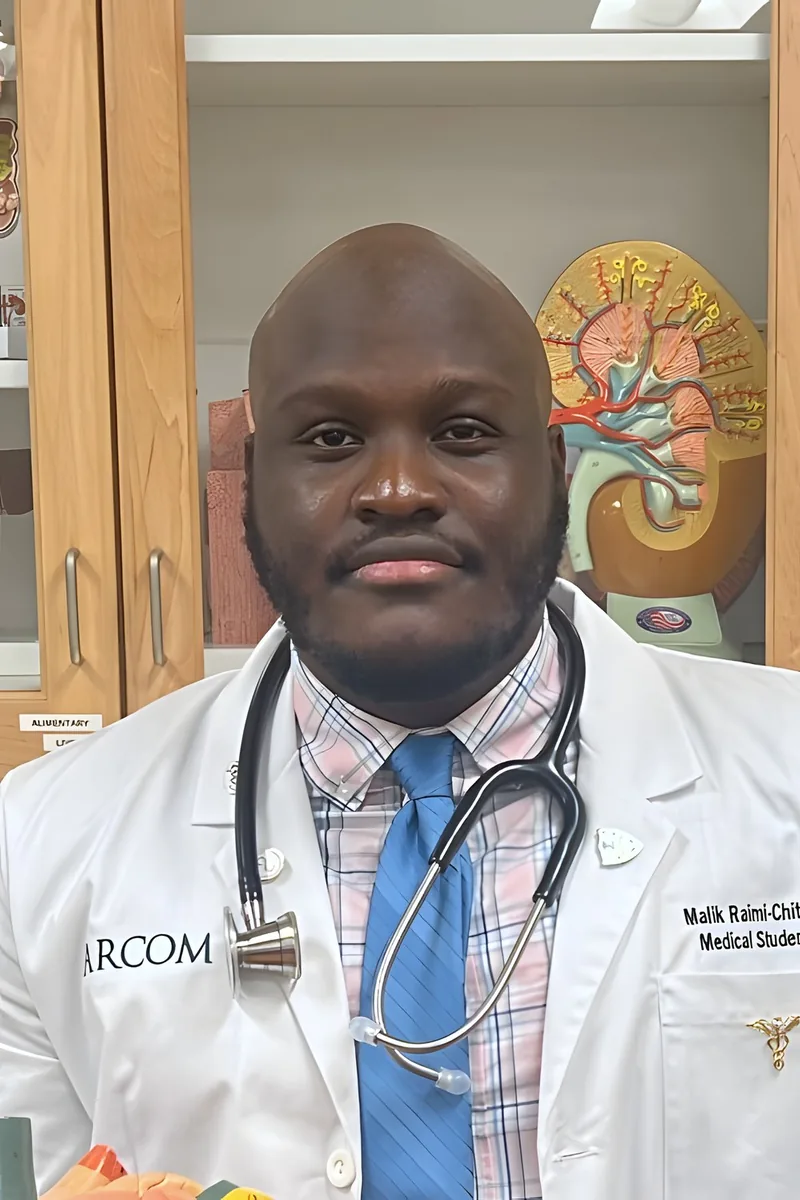
As a second-year medical student with a strong foundation in science and a passion for education, I specialize in making tough subjects easier to understand. I excel in math, biology, physics, and other challenging topics that often intimidate students and I genuinely enjoy helping others master them. My approach combines patience, clarity, and high-level understanding to break down complex ideas into manageable, confidence-boosting lessons. Whether it's reviewing homework or prepping for exams, I'm here to support and motivate students at any level below mine to reach their full academic potential. My interests include: Weightlifting and fitness training (especially strength and hypertrophy programs) Morning cardio and physical conditioning Studying medicine with a focus on anatomy, physiology, and clinical problem-solving Teaching and tutoring tough academic subjects like math, biology, and physics Watching anime as a way to relax and recharge (especially after a long day) Cooking (with a focus on high-protein, keto/carnivore meals)
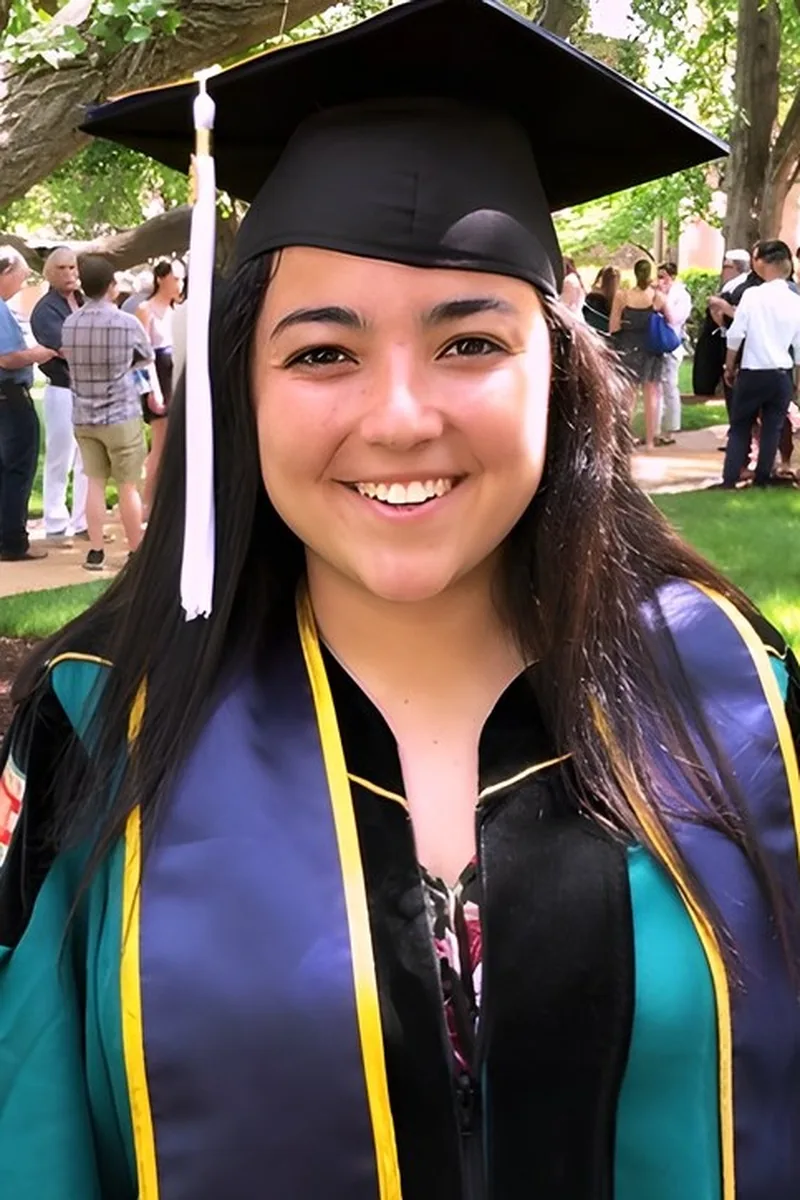
Spending a semester abroad in France during high school immersed Manuela in everyday French — navigating conversations, reading local news, and picking up the informal speech patterns that classroom French often skips. She pairs that real-world fluency with a Romance Languages degree, so she can unpack tricky concepts like the passé composé vs. imparfait distinction or pronoun placement in compound tenses with genuine clarity.
Learning French through all four levels gives Ariel a clear map of where students typically stall — whether it's gendered articles in the first year, passé composé versus imparfait in the second, or the subjunctive later on. She teaches grammar as a set of logical patterns rather than arbitrary rules, which makes conjugation and sentence structure feel less like guesswork.
Earning a full Bachelor of Arts in French means Julie didn't just study the language — she read, wrote, and argued in it at an advanced academic level. She digs into verb tenses, subjunctive triggers, and pronoun placement with the kind of precision that moves students past intermediate plateaus. Whether the goal is conversational fluency or mastering written grammar, her dual-degree background keeps lessons grounded in how French is actually used.
Studying both linguistics and psychology at the University of Chicago gave Sherry an unusual edge for teaching French — she understands how language systems are structured and how the brain actually acquires new ones. She applies that dual perspective to everything from gendered noun patterns to the nuances of French phonology, making unfamiliar sounds and grammar feel more logical. Rated 5.0 by students.
While French isn't Asta's primary language specialty, her background in language instruction — including ESL/ELL and Mandarin — means she understands how grammar systems work across languages and how to make verb conjugations and gendered nouns click for English speakers. She brings a structured, analytical approach to building reading and writing skills in French.
Having tutored French to middle and high school students, Emily knows exactly where learners tend to stall — verb conjugation patterns, gendered nouns, and the leap from translating word-by-word to thinking in full French sentences. She builds reading and conversation skills alongside grammar so that rules stick in context rather than in isolation.
Few tutors can match Claire's depth with French: she began at age five, earned a degree in it from Brown, TA'd university French courses, and lived entirely in French during a semester in Senegal. Whether a student is conjugating être for the first time or preparing to discuss Francophone literature, she adapts her teaching to the level and makes the language feel accessible rather than academic.
Growing up in Rwanda and Kenya, Caleb used French daily as a living language — not just a classroom exercise. He teaches verb conjugations, pronoun structures, and written composition by connecting grammar rules to how French actually sounds and functions in francophone Africa. His 35 ACT composite speaks to the analytical rigor he brings to language study.
Sarah teaches French through all four levels, from foundational verb conjugations and gendered nouns in French 1 through the literary analysis and advanced grammar of French 4. Her approach ties vocabulary and structure together so that irregular verbs and subjunctive constructions start to feel like patterns rather than exceptions.
Earning a certificate in French from Penn required sustained immersion in the language's grammar, literature, and oral communication — not just a semester or two of coursework. Giovanna also tutored French at Penn's Tutoring Center, where she regularly walked students through tricky concepts like passé composé versus imparfait and pronoun placement in complex sentences. Rated 4.9 by students.
Learning Spanish to a degree-level depth gave Sydney a strong grasp of Romance language mechanics — the gendered nouns, conjugation systems, and sentence structures that French shares with Spanish — which she uses to demystify French grammar for students who find it intimidating. She's particularly good at drawing cross-language parallels that make new vocabulary and verb patterns click faster. Rated 4.9 by students.
As a French major who studied the language through advanced literature and cultural analysis, Xaviera brings depth that goes well beyond conjugation drills. She connects grammar concepts like the subjunctive and passé composé to real usage — showing students how French actually sounds and functions in context. From beginning vocabulary to complex written expression, she adapts to each level.
Testimonials
Because the right French tutor makes all the difference.
Average Session Rating – Based on 3.4M Learner Ratings
Nearby French Tutors
Other Little Rock Tutors
Related Languages Tutors in Little Rock
Frequently Asked Questions
Speaking practice is one of the biggest advantages of personalized 1-on-1 French instruction. In a classroom setting, students often get limited opportunities to speak, but with a tutor, you get dedicated conversation time focused on your specific needs—whether that's building confidence, improving pronunciation, or mastering natural dialogue. Tutors can tailor conversations to your interests and proficiency level, making practice engaging and effective for developing real fluency.
French verb conjugation is notoriously complex because verbs change based on subject, tense, and mood—and there are many irregular verbs that don't follow standard patterns. A tutor can break conjugation into manageable chunks, show you the patterns and logic behind the rules, and provide targeted practice with the verbs you use most. Rather than memorizing endless charts, you'll learn to recognize patterns and apply them naturally through conversation and writing exercises.
Vocabulary sticks when you use it in context and encounter it repeatedly over time. Tutors use evidence-based strategies like spaced repetition, where you review words at strategic intervals, combined with real-world usage in conversation and writing. Instead of isolated word lists, you'll learn vocabulary connected to topics you care about, making it more meaningful and memorable.
The best approach combines both. Understanding grammar rules gives you a foundation, but natural fluency comes from hearing and using French in context. Tutors balance explicit grammar instruction with conversational practice, so you understand the 'why' behind the language while also developing an intuitive feel for how French actually sounds and flows. This blend helps you become both accurate and confident.
Language and culture are deeply connected—understanding French customs, media, history, and values gives context and meaning to what you're learning. Tutors can weave cultural elements into lessons through authentic materials like French films, news articles, or discussions about daily life in French-speaking countries. This immersion-style approach makes learning richer and helps you understand not just what to say, but when and why to say it.
Pronunciation requires hearing the sounds and practicing them repeatedly—something that's difficult to do alone. A tutor can model correct pronunciation, listen to your speech, and give you specific feedback on sounds that are challenging for English speakers, like the French 'r' or nasal vowels. With regular practice and guidance, you'll develop clearer pronunciation and build confidence speaking with native-like intonation.
Yes. Whether you're in a Little Rock public or private school, tutors understand French curriculum standards and can support your coursework—from foundational French I through advanced AP French. They can help you master material covered in class, prepare for tests and exams, or accelerate your learning if you want to move ahead. Personalized instruction complements classroom learning and addresses gaps specific to your needs.
Your first session is about getting to know each other and understanding your goals. The tutor will assess your current level—whether you're a complete beginner or building on existing skills—and ask about what you want to accomplish, whether that's passing a class, preparing for an exam, or becoming conversational. From there, you'll develop a personalized plan that focuses on your priorities and learning style.
Let’s find your perfect tutor
Answer a few quick questions. We’ll recommend the right plan and match you with a top 5% tutor.