Award-Winning Statistics Graduate Level Tutors
serving Denver, CO
Statistics Graduate Level
Tutors in Denver
Private 1-on-1 tutoring, weekly live classes for academic support, test prep & enrichment, practice tests and diagnostics, and more to elevate grades and test scores.
Based on 3.4M Learner Ratings
UniversitiesSchools & Universities
DeliveredHours Delivered
ProficiencyGrowth in Proficiency
Who needs tutoring?
No obligation. Takes ~1 minute.
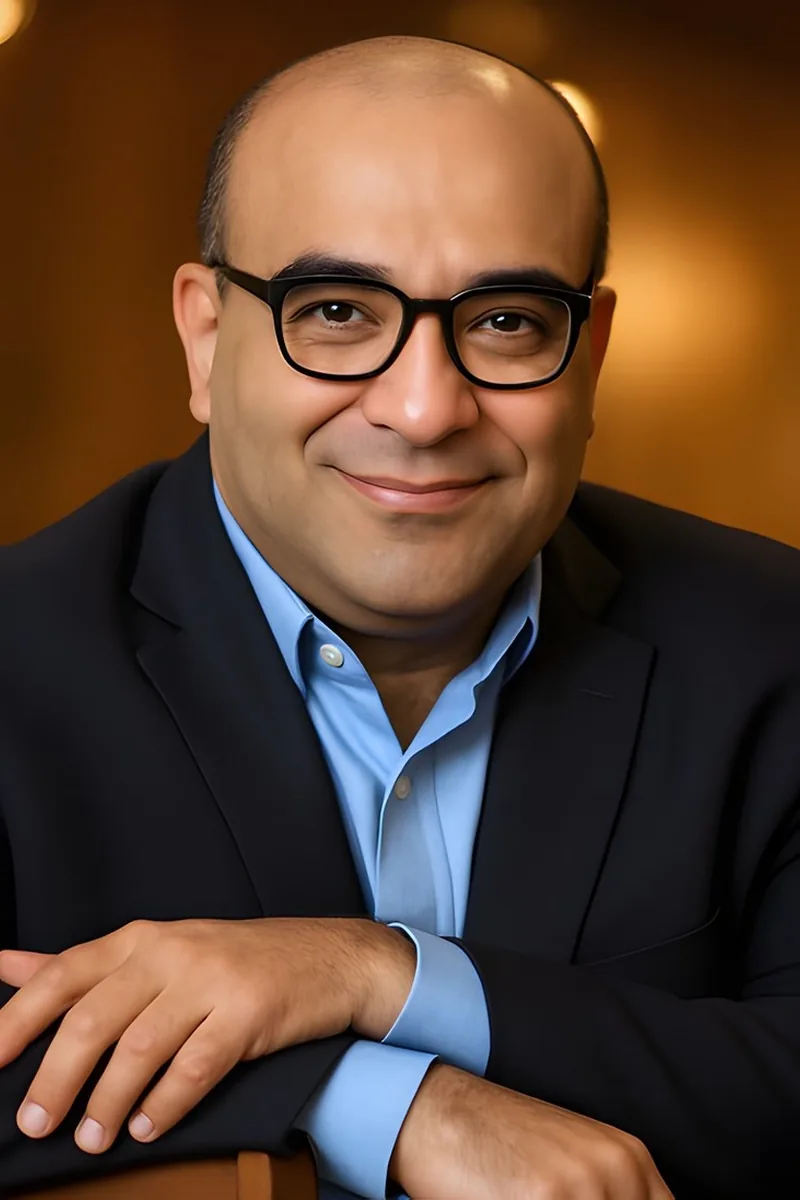
Graduate-level statistics demands fluency with theory — sufficiency, maximum likelihood estimation, Bayesian inference, and the mathematical underpinnings that introductory courses skip. Bahaeddine earned his PhD in Statistics and teaches at the university level, so he can walk through measure-theoretic probability or asymptotic theory with the rigor a graduate program expects.
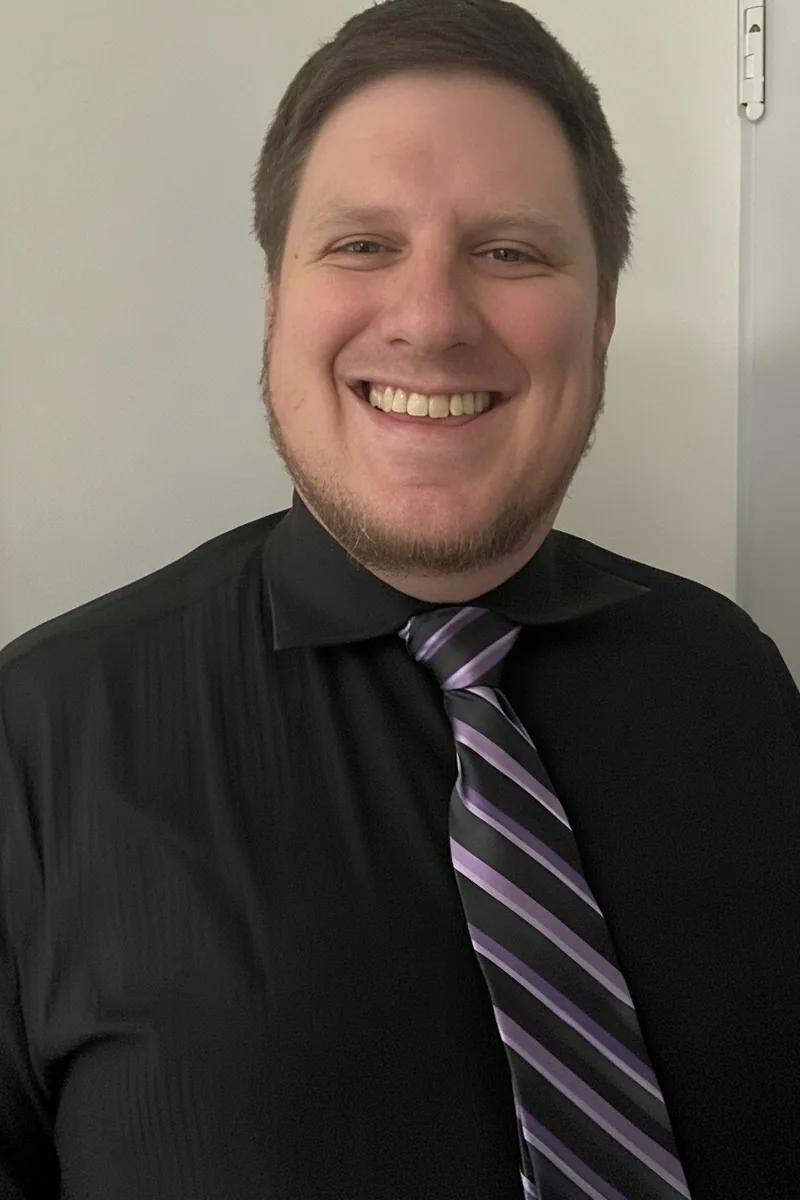
Graduate-level statistics trips up many students at the transition from descriptive methods to inferential reasoning — hypothesis testing, regression analysis, ANOVA, and the assumptions underlying each technique. Jason teaches these concepts at a technical college in Pittsburgh, which means he's constantly translating statistical theory into applied, real-world problem solving. His math and education background lets him break down dense material into steps that actually make sense.
Graduate-level statistics demands comfort with concepts like hypothesis testing, regression modeling, and ANOVA that go well beyond intro courses. Dillon's engineering background — including a master's in welding engineering technology — required heavy applied statistics work, from designing experiments to interpreting multivariate data in real research contexts. He teaches the reasoning behind each method so students can choose and defend the right analytical approach.
I am also interested in tutoring college students preparing for the GRE general test. For test preparation, I assign a decent amount of homework each week and I spend the majority of my sessions going over the questions my students answer incorrectly.
My tutoring approach is one of coaching, mentoring, and helping the student understand exactly what level and detail of help that they need to get ahead. Combining the personal discipline learned during 20 years as a Naval Officer with the unique expertise learned in one-on-one communication with peers and sailors as well as my five children, I can help you or your child succeed. A Bachelor's in Electrical Engineering, and a Math Minor help qualify me for tutoring in many subjects. My individualized tutoring methods also raised my step-son's Physics grade from a C to an A in one semester. I specialize in mathematics (basic arithmetic through calculus) but can help in many other subjects. Learning should be fun, but should also, at times, bring "Instant" results. I work to keep positive encouragement in every lesson, tutoring, or test preparation session. I speak fluent Spanish!
Graduate-level statistics often demands fluency with multivariate analysis, mixed models, and experimental design — topics Dan tackled extensively during his Master's in Plant Biology and Conservation, where statistical modeling was central to his research. He breaks down the logic behind tests like ANOVA, regression diagnostics, and maximum likelihood estimation so the methodology clicks, not just the software output. Rated 5.0 by students.
Graduate-level statistics demands fluency with proofs and derivations that introductory courses barely touch — moment-generating functions, maximum likelihood estimation, and the theory behind hypothesis testing. Victor's master's in Applied Mathematics gave him direct experience with these topics, and he brings that rigor to sessions while keeping notation and logic organized. He holds a 5.0 client rating.
Graduate-level statistics demands comfort with proofs and distributions that introductory courses barely mention — maximum likelihood estimation, Bayesian inference, multivariate hypothesis testing. Channing digs into the mathematical machinery behind these methods, connecting measure-theoretic ideas to practical applications so the theory actually sticks. His broad math background, spanning calculus through biostatistics, keeps the explanations rigorous without losing sight of real-world relevance.
Victor earned his B.S. in Economics with a statistics concentration from Purdue, where he tackled regression analysis, hypothesis testing, and probability distributions as core coursework. That quantitative foundation, combined with his time as a Supplemental Instruction Leader, means he can unpack dense concepts like multivariate analysis or ANOVA in ways that actually click. Rated 5.0 by students.
I am highly praised by my students and supervisors. Even today I still kept the communication with many students.
Graduate-level statistics demands comfort with concepts like maximum likelihood estimation, Bayesian inference, and hypothesis testing frameworks that go well beyond intro courses. Abhi's M.S. in Data Science from UIUC and current PhD work at NYU mean he uses these tools daily in research — he teaches the theory alongside the practical intuition for when and why each method applies.
Having earned a PhD in Statistics, Sam teaches graduate-level topics like maximum likelihood estimation, Bayesian inference, and multivariate analysis with the depth that comes from years of research-level work. He's particularly strong at bridging the gap between statistical theory and practical application — connecting proofs to the computational tools students actually use in their programs.
Testimonials
Because the right Statistics Graduate Level tutor makes all the difference.
Average Session Rating – Based on 3.4M Learner Ratings
Nearby Statistics Graduate Level Tutors
Other Denver Tutors
Related Math Tutors in Denver
Frequently Asked Questions
Graduate statistics programs usually cover advanced probability theory, statistical inference, hypothesis testing, regression analysis, experimental design, and multivariate methods. Depending on your program, you might also study Bayesian statistics, time series analysis, or specialized topics like causal inference or machine learning. A tutor can help you understand how these concepts build on each other and connect to your specific coursework and research needs.
Many graduate students struggle with the transition from procedural calculations to deep conceptual understanding—knowing not just how to run a test, but why it works and when it's appropriate. Interpreting complex proofs, understanding the mathematical foundations behind statistical methods, and applying theory to real research problems are also frequent pain points. Personalized tutoring helps you build confidence in these areas by breaking down abstract concepts and showing how they apply to your actual research.
Your first session is designed to understand your specific needs—whether you're preparing for comprehensive exams, working through a challenging course, or developing statistical methods for your thesis. The tutor will assess your current understanding, identify gaps, and create a personalized plan tailored to your goals. This foundation ensures every future session builds directly toward the outcomes that matter most to you.
Graduate statistics requires rigorous mathematical reasoning, and tutors help you move beyond memorization to truly understanding each step in a proof. They teach you how to organize your work logically, explain your reasoning clearly, and recognize the underlying patterns that connect different proofs. This deeper understanding makes it easier to tackle unfamiliar problems on exams and in your research.
Yes—many tutors work with graduate students to strengthen their statistical methodology, from selecting appropriate tests and designing analyses to interpreting results and communicating findings. Whether you're working with regression models, experimental designs, or advanced methods, a tutor can help you understand the statistical principles behind your research and ensure your analysis is sound.
Varsity Tutors connects you with tutors who have strong backgrounds in graduate-level statistics and often have research or professional experience in the field. You can discuss your specific needs—whether that's theoretical foundations, applied methods, or exam preparation—and get matched with someone who understands your program's requirements and your academic goals.
Comprehensive exams test both breadth and depth across statistics topics, and tutors help you identify weak areas, master difficult concepts, and develop problem-solving strategies under time pressure. They can work through past exams with you, teach you how to approach unfamiliar questions, and build the confidence you need to perform well.
Graduate statistics can feel intimidating, but personalized tutoring creates a supportive environment where you can ask questions without judgment and learn at your own pace. As concepts click and you see your progress, confidence naturally builds. Many students find that understanding the 'why' behind statistical methods—rather than just memorizing procedures—makes the material feel less abstract and more manageable.
Let’s find your perfect tutor
Answer a few quick questions. We’ll recommend the right plan and match you with a top 5% tutor.