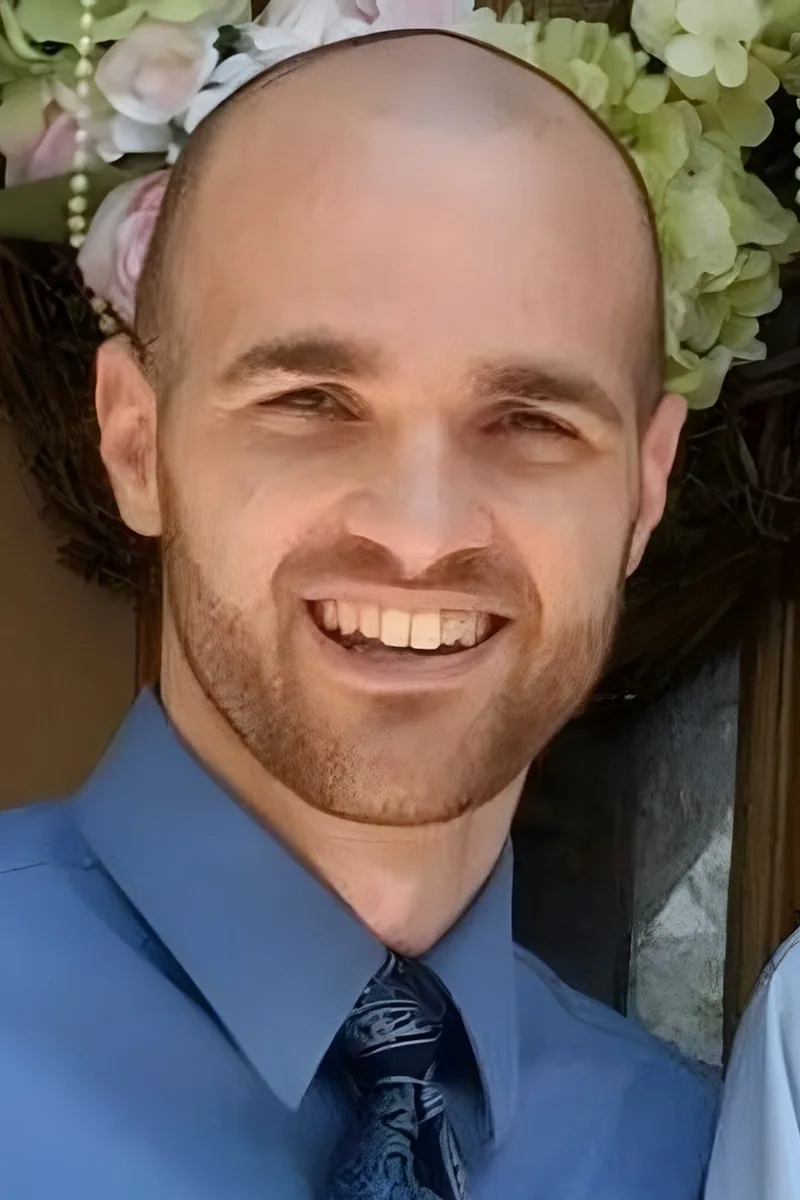
Certified Tutor
10+ years of tutoring
Aaron
Bachelors, Applied Math Missouri University of Science and Technology
PHD, Math The Texas AM University System Office
- I connect with people best through sharing ideas.
Test Scores
SAT ScoresPerfect Score
Composite1440
Math800
About Me
The majority of my spare time is spent trying to simplify or find alternate proofs of basic theorems to make them more intuitive.
Hobbies & Interests
juggling, board games, ping pong, baseball cards
Education
Bachelors, Applied Math - Missouri University of Science and Technology
PHD, Math - The Texas AM University System Office
Q&A with Aaron
Focusing on beauty solves many problems a teacher faces. If I am attending a lecture about The Great Gatsby, I will be eager if the speaker tells of the beauty she sees, rather than a quick and dirty type of analysis. I regularly talk to people who admit math wasn't their favorite subject in school. Some were self-conscious. Some had gaps they never filled. Some just didn't care. Whatever the case, I admit to them that math is my favorite art form with as much room for expression as sculpting or jazz. I claim that mathematicians are half artists, half observers of fine art. My conversants often tell me it is an epiphany for them to think of math as such, and that it helps heal their math wound. A marvelous way I have found to unveil beauty in the classroom is by using surprise. I like to present ideas from a simple perspective, discuss them briefly, then release a theorem. Thales' theorem (the diameter of a circle subtends a right angle to any point on the circumference) is a great example, especially with the aid of Java applets. After playing a bit with triangles by moving points around in a worksheet, it's surprising to be able to connect two structures as basic as a right triangle and a diameter. Next in importance to marveling at beauty, I want students to learn to think critically to solve problems. Understandably, some students have never had guidance past high school drills. All the more, problem solving should be emphasized and revisited throughout college curriculum. I have many years of experience in problem solving competitions and a collection of principles regarding problem solving that I like to follow. One is about inverse problems. Consider the following: if baseball cards are five cents apiece and shipping costs fifty cents, how many cards will one dollar buy? After making the arithmetic clear, students had better know how to calculate the forward problem, i.e. "How much will x number of cards cost?" I'm depending on them knowing the forward problem because we covered it last week, but it is important to bring it out in more than just a mention so the students have a comfortable base to start. It's like revisiting rational numbers before diving into irrationals. They are intrinsically tied, and it gives the class confidence to start with old material.
Connect with a tutor like Aaron
Who needs tutoring?
No obligation. Takes ~1 minute.
Tutors with Similar Experience

Certified Tutor
Aaron
Current Grad Student, Mechanical Engineering Duke University
Pre-AlgebraCalculus 221+ more

Certified Tutor
Mimi
Masters in Education, Education Harvard University
Middle School MathCalculus30+ more

Certified Tutor
Nina
Masters in biostatistics Columbia University
Statistics Graduate LevelStatistics22+ more
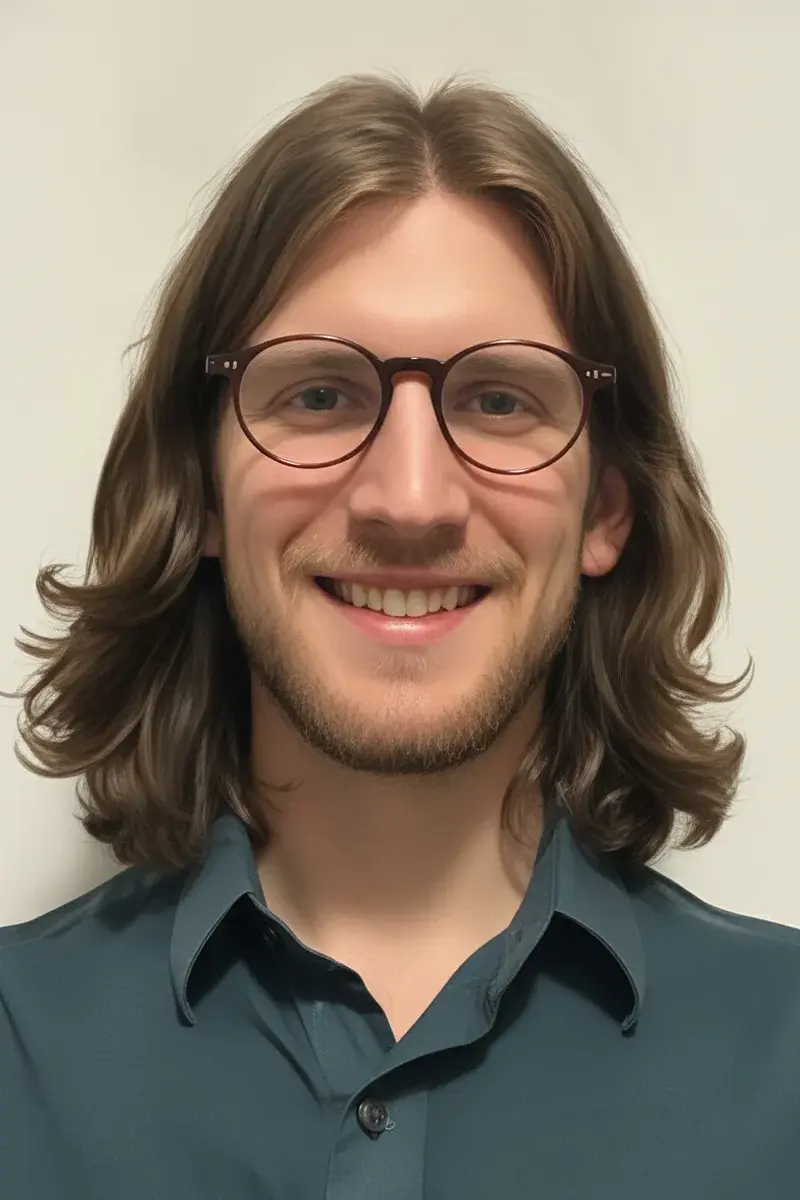
Certified Tutor
Reid
PHD, Education Harvard University
Pre-AlgebraMiddle School Math34+ more

Certified Tutor
Christopher
Bachelor of Science, Mechanical Engineering Harvard College
AP Calculus ABCollege Algebra50+ more
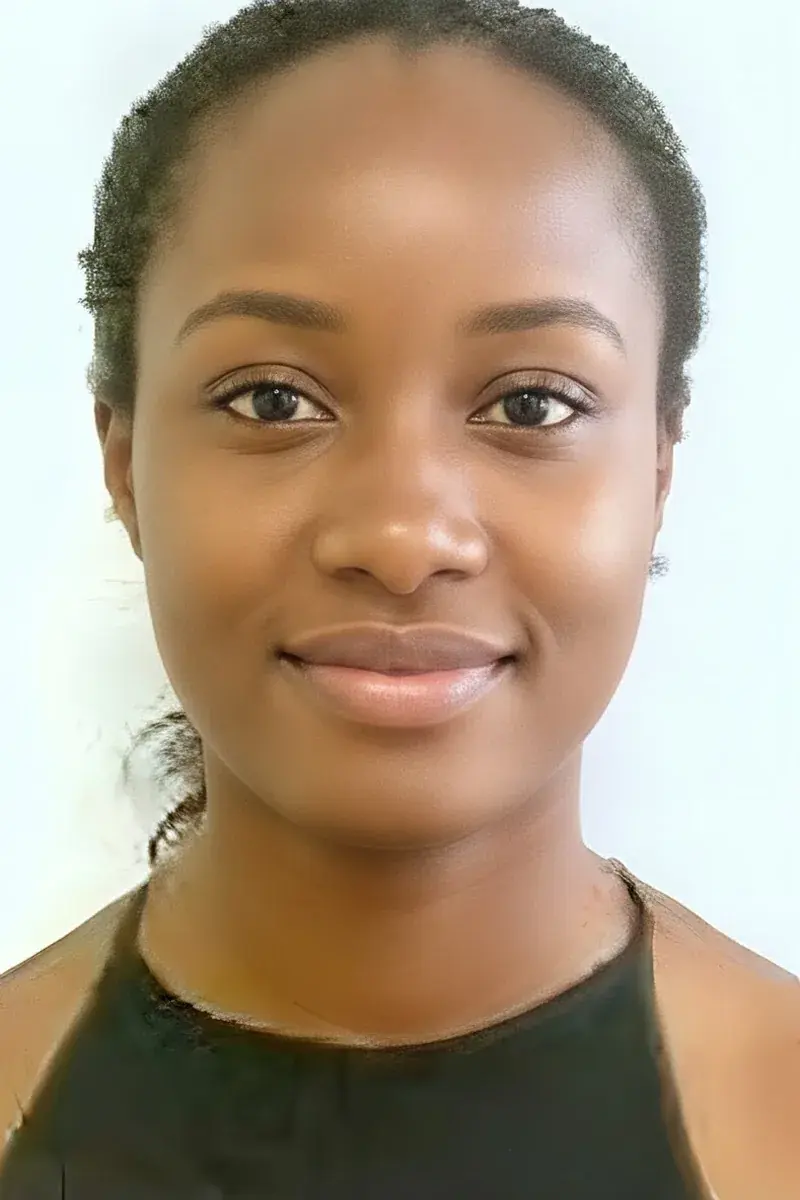
Certified Tutor
Solange
Bachelor in Arts (Sociology & Women's Studies) Harvard University
CalculusAlgebra30+ more


Let’s find your perfect tutor
Answer a few quick questions. We’ll recommend the right plan and match you with a top 5% tutor.