Award-Winning Literature Tutors
serving New York, NY
Literature
Tutors in New York
Private 1-on-1 tutoring, weekly live classes for academic support, test prep & enrichment, practice tests and diagnostics, and more to elevate grades and test scores.
Based on 3.4M Learner Ratings
UniversitiesSchools & Universities
DeliveredHours Delivered
ProficiencyGrowth in Proficiency
Who needs tutoring?
No obligation. Takes ~1 minute.
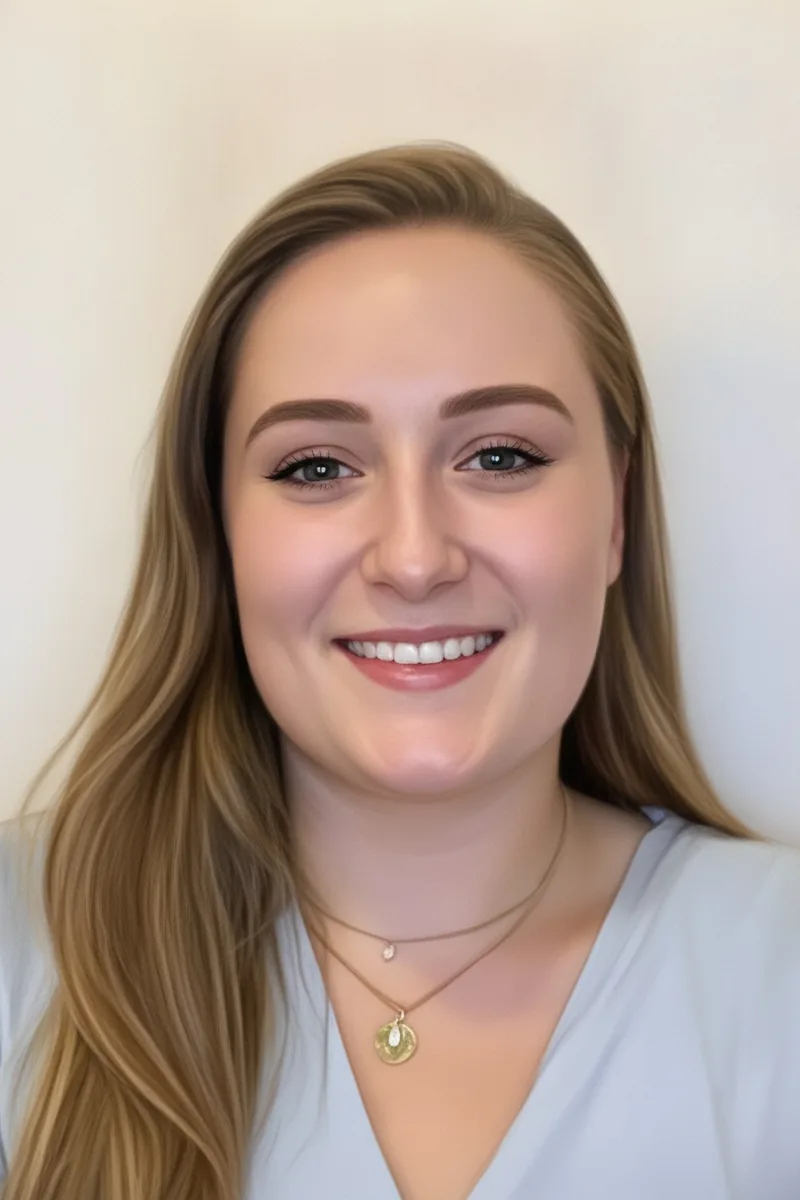
Analyzing literature requires more than identifying themes on a checklist. Mimi's art history training at Dartmouth taught her close-reading techniques that transfer directly to literary analysis — examining how an author's choices in structure, imagery, and point of view create meaning, then building that observation into a well-supported interpretation.
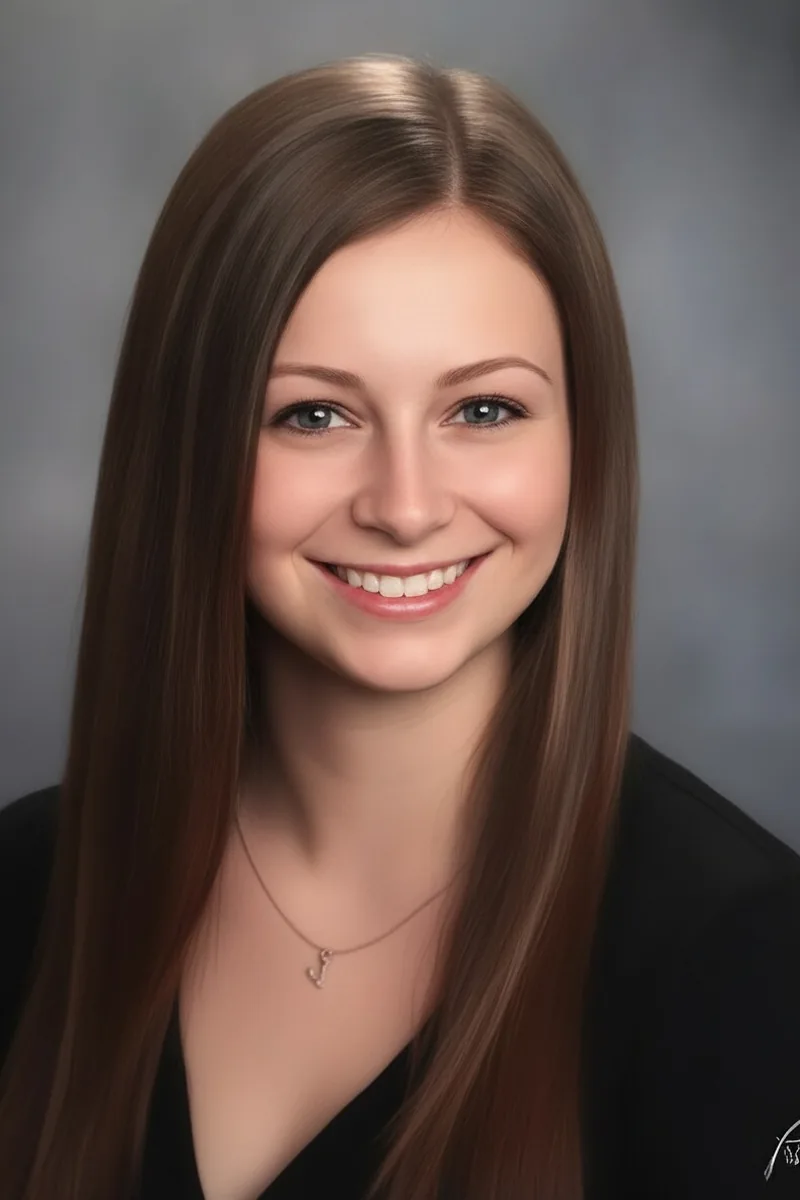
Neurobiology training at Northwestern meant Nina spent years reading dense research papers where every word choice in a methods section or discussion carried interpretive weight — a habit that sharpens literary close reading more than most people expect. She teaches students to zero in on how a specific passage's syntax, imagery, or repetition builds an argument beneath the surface, then organize those observations into essays that do more than summarize. Rated 5.0 by students.
Reading literature closely is really an exercise in argument — figuring out what a text is doing, not just what it says, and then building a case with evidence from the page. Justin's background in philosophy and his experience with essay editing give him a sharp eye for how to construct a literary analysis that's both original and well-supported. He tackles everything from close reading of imagery and syntax to structuring a thesis that holds up across multiple paragraphs.
College essays, SAT Reading passages, and Harvard chemistry papers all have something in common — they demand the ability to read closely and figure out what a writer is actually doing beneath the surface. James applies that same precision to literature, teaching students to trace how specific choices in imagery, dialogue, or structure build toward a theme they can argue convincingly in an essay. Rated 4.9 by students.
Reading a novel closely means tracking more than plot — it means noticing how an author uses imagery, point of view, and structure to build meaning. Sherry's psychology training adds a layer most literature tutors don't have: she can unpack character motivation and unreliable narration through a behavioral lens that makes analysis essays richer and more original.
A Yale science major who chose to keep literature on her plate, Zosia reads closely and argues precisely — skills she brings to everything from poetry explication to thematic analysis of novels. She teaches students how to build a literary argument from textual evidence rather than summary, whether the assignment involves Shakespeare or Toni Morrison.
Reading a novel closely means asking what the text is doing, not just what it's about — why Fitzgerald uses Nick as narrator, or how Morrison's syntax mirrors her characters' fractured memories. Jennifer's English BA and current MAT residency in secondary ELA give her deep practice in teaching students to build interpretive arguments grounded in textual evidence.
A science major who reads critically might sound unusual, but Josef's Cornell coursework bridged life sciences and social studies, which required close analysis of arguments across genres. He teaches students to dissect an author's choices — structure, imagery, point of view — and build interpretive claims supported by textual evidence.
College essays, grammar, and English already sit in Jai's regular teaching rotation, so when he picks up a literary text, he's reading with a writer's eye — tracking how an author's sentence rhythms, word choices, and structural decisions create effects that go beyond the story itself. His Stanford EECS training adds an unexpected edge: he's wired to ask how something works, which is exactly the question that turns a surface-level book report into a real piece of literary analysis.
Studying comparative literature at Princeton under Joyce Carol Oates meant reading across centuries, genres, and national traditions — then building arguments about how those texts speak to each other. Sash teaches students to move past plot summary and dig into the interpretive work that literature classes actually reward: analyzing imagery, tracking narrative structure, and constructing a thesis that says something surprising about a text.
Reading upper-level literature courses at a Spanish university — analyzing texts in a second language alongside native speakers — forced Meghan to slow down and interrogate every word on the page. She brings that same close-reading intensity to poetry, novels, and drama, teaching students to trace how an author's choices in diction, structure, and point of view create meaning.
Reading a novel for class and actually analyzing it are two different skills, and the gap usually shows up when students sit down to write about theme or symbolism. Garrett approaches literature by teaching close-reading techniques — pulling apart sentence-level choices an author makes and connecting them to larger arguments about the text. His wide-ranging reading habits across genres give him genuine enthusiasm for whatever's on the syllabus.
Studying government at Harvard means Richard reads dense, argument-driven texts constantly — a skill that translates directly to literary analysis, where the challenge is building an interpretation supported by textual evidence. He teaches students to move past plot summary and dig into how an author's choices with structure, diction, and point of view create meaning. His approach turns close reading from a vague classroom buzzword into a concrete, repeatable skill.
A history degree and a life immersed in music give Vivian an unusually wide lens for literary analysis — she connects themes in a novel to their historical moment and teaches students to build interpretive arguments grounded in textual evidence. Whether it's close-reading a passage from Toni Morrison or unpacking symbolism in Shakespeare, she treats literature as a conversation between reader and text rather than a hunt for the "right" answer.
Reading a novel and analyzing a novel are two different skills, and Michelle bridges that gap by teaching students to trace motifs, unpack symbolism, and build interpretive arguments grounded in the text. Her Religious Studies background adds an unusual lens — she's especially strong at contextualizing literature within the cultural and philosophical traditions that shaped it.
Reading widely — from novels to scientific papers — trained Judah to pay attention to how authors build arguments and develop themes beneath the surface of a text. He digs into literary devices like unreliable narration, symbolism, and structural choices, showing students how to move from "I liked it" to a precise, evidence-grounded interpretation.
Reading a novel for class and actually analyzing it are two different skills, and the gap usually shows up when students try to write about theme or symbolism without a clear method. Emma approaches literary analysis the way she was trained to evaluate research — by identifying an author's choices, weighing evidence from the text, and building an argument around it. Her background spans American literature and high school English, so she's comfortable with everything from Fitzgerald to Morrison.
Reading literature through a cross-disciplinary lens — asking how a novel's structure mirrors its argument, or why an author's historical moment shapes their metaphors — is the approach Matthew brings from his Stanford humanities coursework. He teaches students to build close-reading skills that move beyond plot summary into genuine textual analysis. His 4.9 rating speaks to how well that analytical-yet-creative mindset clicks with students.
Studying African and African American literature at Duke meant Camille spent years doing close readings of texts where historical context, narrative voice, and symbolism are inseparable. She teaches students to build interpretive arguments by anchoring claims in specific passages — identifying how an author's word choice or structure creates meaning. Her Columbia work in narrative medicine adds another layer of sophistication to how she approaches storytelling and point of view.
Reading literature well means doing more than summarizing plot — it means noticing how an author's choices in diction, structure, and imagery shape meaning. Brian spent two years on the editorial staff at Stuyvesant, sharpening his close-reading instincts across genres. He teaches students to build interpretive arguments grounded in textual evidence, whether they're unpacking a Shakespeare soliloquy or a contemporary novel.
Studying English at Trinity College Dublin — a program steeped in close reading from Chaucer through contemporary postcolonial fiction — gave Ayako the tools to unpack how literary devices actually function in a text. She teaches students to build arguments around imagery, narrative structure, and authorial intent rather than defaulting to surface-level plot summary.
Reading literature analytically — identifying how an author's diction shapes tone, or how a narrative structure reinforces theme — is a skill Tony sharpened through four years of humanities coursework at Yale. He teaches close reading as a layered process: first understanding what a text says, then unpacking how and why it says it. That approach translates directly to writing stronger literary essays and tackling timed AP-style prompts.
Reading a novel for class and actually analyzing it are two different skills, and the gap usually shows up when students try to write about theme or characterization without a framework. Vansh teaches close-reading techniques — tracking motifs, identifying narrative shifts, connecting authorial choices to meaning — that turn surface-level summaries into real literary arguments.
Julia treats literature as an argument the author is making, teaching students to trace how imagery, structure, and narrative voice build toward meaning. Instead of handing over an interpretation, she uses Socratic questioning to push students to defend their readings with textual evidence — a skill that transfers directly to class discussions and literary essays. Rated 4.8 by her students.
Trained in the History of Science & Medicine at Yale, Christopher reads literature through the lens of ideas — how a novel's structure, imagery, and narrative voice reflect the intellectual world its author inhabited. He teaches students to move from surface-level plot summary to real analytical work: close reading passages, building thesis-driven arguments, and supporting claims with textual evidence. His approach is especially strong for students tackling essay-heavy English courses.
Reading a novel for class and actually analyzing it are two very different tasks, and the gap between them is where most students lose points. Samantha's English background means she can teach close-reading techniques — tracking imagery, identifying narrative structure, unpacking an unreliable narrator — that turn vague impressions into precise literary arguments.
Kelly's scientific training might seem distant from literature, but analyzing a research paper and unpacking a novel require the same core skill: reading closely for argument, evidence, and structure. She teaches students to identify how authors build themes through imagery, dialogue, and narrative choices — then translate those observations into clear, well-supported analytical writing.
Reading literature well means doing more than summarizing plot — it means noticing how an author's choices in imagery, structure, and voice shape meaning. Natalie's experience studying behavior at Penn gives her a unique lens for analyzing characters' motivations and the psychological tensions that drive literary conflict.
Reading literature well means doing more than summarizing plot; it means noticing how an author's choices — symbolism, narrative structure, shifts in tone — create meaning. Bina's philosophy background trained her to dissect arguments and assumptions in texts, a skill she now applies to everything from Shakespeare's soliloquies to modern novels.
Reading literature through the lens of philosophy and political theory gives Gerard an unusual angle on texts. Whether a student is unpacking symbolism in a novel or tracing an author's argument across a collection of essays, he pushes them to articulate not just what a text means but how it builds that meaning line by line.
An avid reader who counts books among his primary hobbies, Shun approaches literature by digging into how authors use structure, imagery, and narrative voice to build meaning. Whether a student is analyzing a Shakespeare soliloquy or unpacking symbolism in a contemporary novel, he pushes them to ground every interpretation in the text itself.
Studying political science at MIT required close reading of dense, argument-driven texts — a skill that translates directly to literary analysis. Stephanie teaches students to dissect how an author builds meaning through structure, imagery, and voice, whether the assignment involves Shakespeare's sonnets or a contemporary novel.
Reading a novel for class is one thing; building an argument about its themes, symbols, or narrative structure is something else entirely. Micah approaches literature by teaching students how to move from close reading — pulling apart a single passage's diction and imagery — to constructing a thesis they can defend with textual evidence. His background spans everything from essay-heavy college coursework to tutoring younger students in reading comprehension.
An avid reader outside the classroom, Daniel brings genuine curiosity to literary analysis rather than a formulaic checklist approach. He teaches students to trace how an author's choices — structure, diction, point of view — build meaning across a text, turning close reading from a vague skill into a repeatable process.
Sam's American literature coursework at Cornell pairs naturally with his broader teaching across writing and essay analysis, giving him a practical grip on how literary texts function as arguments. He walks students through the craft of connecting a specific passage — a metaphor, a shift in diction, a structural choice — to a larger interpretive claim they can defend in an essay. Rated 5.0 by students.
Studying both film and philosophy at Cornell taught Christian to read texts on multiple levels — tracking not just plot and character but the structural choices an author makes and the ideas those choices serve. He unpacks everything from close reading of poetry and prose style to broader thematic analysis, giving students the vocabulary and confidence to build original interpretations rather than recycling SparkNotes summaries.
Between his arts education and years of voracious reading, Matthew approaches literature by connecting texts to the larger questions they're wrestling with — power, identity, morality — rather than treating each novel as an isolated assignment. He's particularly effective at teaching close reading techniques: unpacking how syntax, imagery, and narrative structure create meaning beyond the surface plot. Students come away writing stronger analytical paragraphs because they learn to anchor every claim in specific textual evidence.
An avid reader who studied political science with honors at Brown, Lyall brings a sharp analytical lens to literature — teaching students to dissect authorial intent, trace thematic development, and build arguments about texts that go beyond surface-level summary. His debate coaching background means he's especially good at showing how to defend a literary interpretation with textual evidence.
A philosophy major and avid reader — from Junot Díaz to George R. R. Martin — Nicolas brings genuine literary curiosity to close reading, theme analysis, and unpacking an author's craft. His training in philosophical argumentation translates directly into the kind of textual interpretation literature courses demand, whether students are dissecting a Shakespeare soliloquy or writing a comparative essay on postcolonial fiction.
Reading a novel or poem closely means asking uncomfortable questions about what the text is actually doing beneath its surface. David's liberal arts training in American and comparative literature gives him range across genres and periods, from Hawthorne's symbolism to Toni Morrison's narrative structure. He teaches students to build interpretive arguments that hold up under scrutiny, not just summarize plot.
Testimonials
Because the right Literature tutor makes all the difference.
Average Session Rating – Based on 3.4M Learner Ratings
Nearby Literature Tutors
Other New York Tutors
Related English Tutors in New York
Frequently Asked Questions
Varsity Tutors connects students in New York with tutors who specialize in literary analysis, essay writing, and comprehension of classic and contemporary texts. Whether you're working on AP Literature essays, analyzing poetry, or building stronger close-reading skills, tutors provide personalized feedback on your writing and help you develop a stronger analytical voice.
Expert tutors work with you on thesis development, evidence selection, and argumentation—the core skills for strong literary analysis. Through personalized 1-on-1 instruction, you'll get feedback on multiple drafts, learn how to balance summary with analysis, and develop a writing process that turns your ideas into compelling essays.
Varsity Tutors matches you with tutors based on your specific goals, whether that's preparing for AP Literature, improving close-reading skills, or tackling challenging texts like Shakespeare or contemporary novels. You can specify your schedule and learning style, and we connect you with a tutor who fits your needs.
In a typical New York classroom with an average student-teacher ratio of 11.3:1, teachers have limited time for individual feedback on writing and analysis. Personalized 1-on-1 tutoring gives you dedicated time to work through challenging texts, receive detailed feedback on essays, and develop strategies tailored to your learning style.
Yes—tutors work with you on the entire writing process, from brainstorming and outlining to revision and editing. They help you organize complex literary arguments, break through writer's block with concrete strategies, and develop confidence in your own analytical voice through personalized guidance.
Your first session is a chance to discuss your current challenges—whether that's understanding difficult texts, improving essay structure, or preparing for an exam. The tutor will assess your strengths and goals, then create a personalized plan that focuses on the areas where you need the most support.
Tutors teach active reading strategies like annotation, contextual analysis, and identifying literary devices that deepen your understanding of texts. They help you move beyond surface-level comprehension to develop the critical thinking skills needed for strong literary analysis and interpretation.
Let’s find your perfect tutor
Answer a few quick questions. We’ll recommend the right plan and match you with a top 5% tutor.