Award-Winning Literature Tutors
serving Buffalo, NY
Literature
Tutors in Buffalo
Private 1-on-1 tutoring, weekly live classes for academic support, test prep & enrichment, practice tests and diagnostics, and more to elevate grades and test scores.
Based on 3.4M Learner Ratings
UniversitiesSchools & Universities
DeliveredHours Delivered
ProficiencyGrowth in Proficiency
Who needs tutoring?
No obligation. Takes ~1 minute.
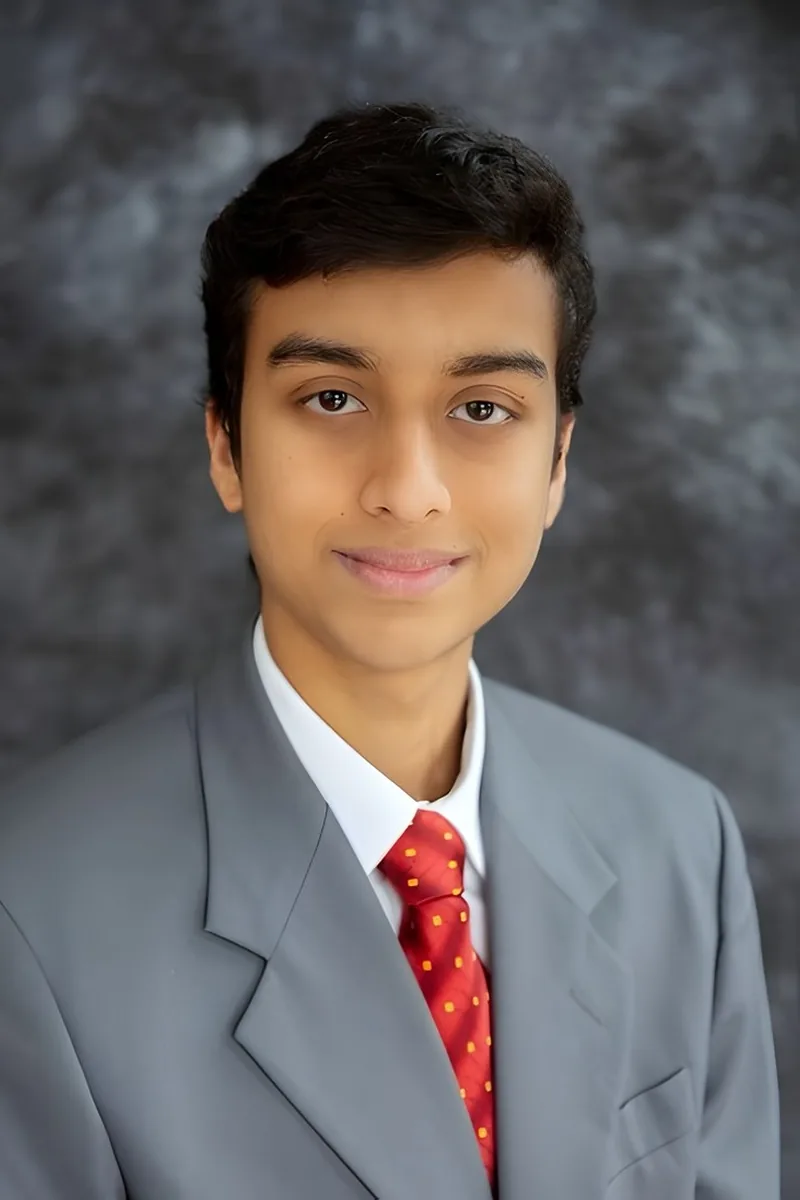
Unpacking a poem or novel gets easier once a student stops asking "what does this mean?" and starts asking "what is this doing?" — examining how imagery, structure, and point of view create an effect. Sharan approaches literary analysis with that lens, teaching students to build interpretive arguments grounded in textual evidence rather than plot summary.

Reading closely and building an argument from textual evidence are skills Sophia sharpened across years of graduate-level research and academic writing. She teaches students to dig into a passage's structure — examining how an author uses imagery, tone shifts, or narrative perspective — rather than defaulting to surface-level plot summary.
Reading literature closely is really about building an argument from textual evidence — a skill that overlaps more with logical reasoning than most students expect. Daniel's training in mathematical logic at UB sharpened his ability to trace how an author constructs meaning through structure, imagery, and word choice. He teaches students to move from surface-level summary to analytical claims they can defend in essays and class discussions.
Literary analysis clicks when students stop summarizing plot and start asking why an author made a specific craft choice — why Fitzgerald uses color the way he does, or what an unreliable narrator accomplishes that a straightforward one can't. Deana approaches texts through close reading of language and structure, turning vague reactions into precise, evidence-driven interpretations.
Sabry approaches literature the way a scientist approaches data: by asking what the evidence actually supports. He teaches students to anchor their interpretations in textual details — word choice, structure, recurring imagery — and construct arguments that hold up under scrutiny. This analytical framework is especially useful for students who feel confident reading but struggle to write convincing literary analysis.
Reading widely across genres — from literary fiction to scientific writing — gives Sourav an unusual lens for literary analysis. He teaches students to build arguments around textual evidence, breaking down how authors use structure, imagery, and tone to create meaning rather than just summarizing plot.
Shakespeare in the Park isn't just a summer hobby for James — it reflects a genuine love of literary analysis that he brings to close reading of poetry, drama, and prose. He teaches students to trace how an author's choices in diction, structure, and imagery build toward meaning, rather than just summarizing plot. His approach is especially useful for students transitioning from surface-level reading to the kind of interpretive work expected in honors and AP-level courses.
Philosophy training sharpens one skill that matters enormously in literature: the ability to build an argument about a text and defend it with evidence. Michaela applies that rigor to poetry analysis, novel interpretation, and close reading, teaching students to move from gut reactions to claims they can articulate clearly on the page.
Reading a novel or poem closely means asking what choices the author made and why — examining symbolism, narrative structure, and tone rather than just summarizing plot. Ryan's love of books and writing gives him a natural instinct for pulling apart texts, and he teaches students to build interpretive arguments grounded in specific textual evidence.
Reading closely and building an argument from textual evidence are skills Alex sharpened across both his science and humanities coursework at Syracuse. He approaches literature by teaching students to track patterns — recurring imagery, shifts in tone, unreliable narration — and turn those observations into analytical claims that hold up in class discussions and essays.
A print journalism degree sharpened Tess's ability to read closely and pull meaning from complex texts — skills she now brings to literary analysis, from dissecting symbolism in novels to tracing character development across a narrative arc. She teaches students to build arguments about what they read, connecting themes to historical context and authorial intent.
Reading a novel and actually analyzing it are two very different things. Caroline earned her degree in English Literature, so she's spent years unpacking symbolism in Toni Morrison, unreliable narration in Nabokov, and the political undertones of Victorian fiction — the kind of layered reading that turns a surface-level book report into a sharp literary argument. She connects each text to its historical moment, giving students a framework that works across any assigned reading.
Reading a novel closely is a lot like analyzing a biochemical pathway — every detail connects to a larger system. Ashutosh teaches students to trace themes, symbolism, and character development across a text so they can build interpretive arguments rather than just summarize plot. Rated 5.0 by students.
Analyzing literature requires more than identifying themes on a checklist. Mimi's art history training at Dartmouth taught her close-reading techniques that transfer directly to literary analysis — examining how an author's choices in structure, imagery, and point of view create meaning, then building that observation into a well-supported interpretation.
Neurobiology training at Northwestern meant Nina spent years reading dense research papers where every word choice in a methods section or discussion carried interpretive weight — a habit that sharpens literary close reading more than most people expect. She teaches students to zero in on how a specific passage's syntax, imagery, or repetition builds an argument beneath the surface, then organize those observations into essays that do more than summarize. Rated 5.0 by students.
Reading literature well means learning to sit with ambiguity — tracking unreliable narrators, unpacking symbolism, and building interpretive arguments that go beyond plot summary. Reid's background in sociology sharpens his approach to literary analysis, connecting texts to the cultural and historical forces that shaped them. He teaches students to construct close readings that hold up under scrutiny.
A Harvard sociology and women's studies graduate, Solange reads literature through multiple lenses — examining how power, identity, and social context shape a text's meaning. She teaches students to move from surface-level plot summary to constructing original interpretive arguments, whether they're unpacking symbolism in Gatsby or analyzing narrative voice in Toni Morrison.
Reading literature well means doing more than following the plot — it means noticing how an unreliable narrator shifts tone, or why an author chose a particular image to close a chapter. Liz earned her BA in History with a Humanities minor at Washington University in St. Louis, where analyzing primary texts and literary sources was daily work. She teaches students to annotate with purpose and build interpretive arguments that hold up in class discussion and on essays.
Reading literature closely is really an exercise in argument — figuring out what a text is doing, not just what it says, and then building a case with evidence from the page. Justin's background in philosophy and his experience with essay editing give him a sharp eye for how to construct a literary analysis that's both original and well-supported. He tackles everything from close reading of imagery and syntax to structuring a thesis that holds up across multiple paragraphs.
Reading literature well means arguing with the text — asking why a character acts, what a symbol carries, how structure shapes meaning. Daniel's sociology training sharpens his approach to literary analysis, especially when it comes to examining how authors represent class, identity, and power on the page.
College essays, SAT Reading passages, and Harvard chemistry papers all have something in common — they demand the ability to read closely and figure out what a writer is actually doing beneath the surface. James applies that same precision to literature, teaching students to trace how specific choices in imagery, dialogue, or structure build toward a theme they can argue convincingly in an essay. Rated 4.9 by students.
Reading literature well means doing more than summarizing plot — it means noticing how an author's word choice, structure, and imagery build meaning beneath the surface. Sabira is an avid reader herself and teaches students to annotate with purpose, pulling specific textual evidence to support interpretations rather than guessing at themes.
Reading literature well means noticing what an author is doing with language — why Fitzgerald chooses a color, how Toni Morrison manipulates chronology, what a shift in point of view accomplishes. Sung is a devoted reader who treats literary analysis as a skill that can be taught, not an innate talent. He walks students through close-reading techniques that turn vague impressions into precise, text-grounded arguments.
Reading a novel closely means tracking more than plot — it means noticing how an author uses imagery, point of view, and structure to build meaning. Sherry's psychology training adds a layer most literature tutors don't have: she can unpack character motivation and unreliable narration through a behavioral lens that makes analysis essays richer and more original.
Studying philosophy at Princeton means spending entire semesters pulling apart dense texts — tracing arguments, weighing rhetorical choices, and reading between the lines. Julie brings that same close-reading discipline to literature, whether a student is unpacking symbolism in Beloved or analyzing narrative structure in a short story.
Reading a novel closely means asking what the text is doing, not just what it's about — why Fitzgerald uses Nick as narrator, or how Morrison's syntax mirrors her characters' fractured memories. Jennifer's English BA and current MAT residency in secondary ELA give her deep practice in teaching students to build interpretive arguments grounded in textual evidence.
A science major who reads critically might sound unusual, but Josef's Cornell coursework bridged life sciences and social studies, which required close analysis of arguments across genres. He teaches students to dissect an author's choices — structure, imagery, point of view — and build interpretive claims supported by textual evidence.
While engineering is Matthew's primary focus, his Princeton coursework includes close reading and analytical writing across disciplines. He brings that structured, evidence-driven thinking to literary analysis — teaching students to build arguments around textual details rather than relying on summary.
Reading a novel is one thing — building an argument about its themes, symbols, and narrative structure is another skill entirely. Maya, a Yale-trained writer with a Religious Studies background, teaches students to move between close reading and big-picture literary analysis, whether they're unpacking Toni Morrison's use of memory or tracing allegory in Dostoevsky. Rated 5.0 by students.
Studying comparative literature at Princeton under Joyce Carol Oates meant reading across centuries, genres, and national traditions — then building arguments about how those texts speak to each other. Sash teaches students to move past plot summary and dig into the interpretive work that literature classes actually reward: analyzing imagery, tracking narrative structure, and constructing a thesis that says something surprising about a text.
Reading upper-level literature courses at a Spanish university — analyzing texts in a second language alongside native speakers — forced Meghan to slow down and interrogate every word on the page. She brings that same close-reading intensity to poetry, novels, and drama, teaching students to trace how an author's choices in diction, structure, and point of view create meaning.
College essays, grammar, and English already sit in Jai's regular teaching rotation, so when he picks up a literary text, he's reading with a writer's eye — tracking how an author's sentence rhythms, word choices, and structural decisions create effects that go beyond the story itself. His Stanford EECS training adds an unexpected edge: he's wired to ask how something works, which is exactly the question that turns a surface-level book report into a real piece of literary analysis.
A Yale science major who chose to keep literature on her plate, Zosia reads closely and argues precisely — skills she brings to everything from poetry explication to thematic analysis of novels. She teaches students how to build a literary argument from textual evidence rather than summary, whether the assignment involves Shakespeare or Toni Morrison.
Studying government at Harvard means Richard reads dense, argument-driven texts constantly — a skill that translates directly to literary analysis, where the challenge is building an interpretation supported by textual evidence. He teaches students to move past plot summary and dig into how an author's choices with structure, diction, and point of view create meaning. His approach turns close reading from a vague classroom buzzword into a concrete, repeatable skill.
Reading a novel for class and actually analyzing it are two different skills, and the gap usually shows up when students sit down to write about theme or symbolism. Garrett approaches literature by teaching close-reading techniques — pulling apart sentence-level choices an author makes and connecting them to larger arguments about the text. His wide-ranging reading habits across genres give him genuine enthusiasm for whatever's on the syllabus.
A history degree and a life immersed in music give Vivian an unusually wide lens for literary analysis — she connects themes in a novel to their historical moment and teaches students to build interpretive arguments grounded in textual evidence. Whether it's close-reading a passage from Toni Morrison or unpacking symbolism in Shakespeare, she treats literature as a conversation between reader and text rather than a hunt for the "right" answer.
Trained in the History of Science & Medicine at Yale, Christopher reads literature through the lens of ideas — how a novel's structure, imagery, and narrative voice reflect the intellectual world its author inhabited. He teaches students to move from surface-level plot summary to real analytical work: close reading passages, building thesis-driven arguments, and supporting claims with textual evidence. His approach is especially strong for students tackling essay-heavy English courses.
Ian approaches literature the way a physicist approaches a problem: by asking what's really going on beneath the surface and building an argument from evidence. Whether the text is a Shakespeare play or a modernist novel, he teaches students to construct close readings that connect literary devices — imagery, tone shifts, unreliable narration — to larger thematic claims.
Studying African and African American literature at Duke meant Camille spent years doing close readings of texts where historical context, narrative voice, and symbolism are inseparable. She teaches students to build interpretive arguments by anchoring claims in specific passages — identifying how an author's word choice or structure creates meaning. Her Columbia work in narrative medicine adds another layer of sophistication to how she approaches storytelling and point of view.
Linguistics training is essentially practice in close reading — examining how word choice, syntax, and structure create meaning. Nicholas applies that same lens to poetry, novels, and drama, teaching students to build interpretive arguments grounded in textual evidence rather than plot summary. Whether it's unpacking imagery in Dickinson or tracking narrative perspective in Morrison, he makes the analytical moves concrete.
Testimonials
Because the right Literature tutor makes all the difference.
Average Session Rating – Based on 3.4M Learner Ratings
Nearby Literature Tutors
Other Buffalo Tutors
Related English Tutors in Buffalo
Frequently Asked Questions
Your first session is all about understanding your goals and learning style. A tutor will discuss what you're currently reading or studying, identify specific challenges (whether that's analyzing themes, writing essays, or understanding complex texts), and create a personalized plan. This helps establish a foundation for meaningful progress in the sessions ahead.
Tutors provide personalized feedback on every stage of your writing—from developing a strong thesis and organizing your arguments to refining your analysis and polishing your prose. Rather than just marking errors, they help you understand why certain structures work, how to support claims with textual evidence, and how to develop your unique voice as a writer. This targeted guidance accelerates improvement far more than self-editing alone.
Tutors help you move beyond plot summary to deeper analysis—teaching you how to identify themes, analyze symbolism, understand character motivation, and examine an author's style and purpose. They work with you on close reading techniques, help you formulate interpretive arguments, and show you how to support those arguments with specific textual evidence. These skills apply across all literature courses and standardized tests like the SAT and AP English exams.
Absolutely. Tutors can help you develop strategies for tackling difficult texts, breaking down complex passages, and identifying key ideas. They work with you on active reading techniques, help you build vocabulary in context, and teach you how to ask the right questions while reading. With personalized practice and feedback, you'll develop confidence and comprehension skills that stick.
Yes. Tutors can guide you through MLA, APA, and Chicago style formatting, helping you properly cite sources and avoid plagiarism. Beyond just teaching the rules, they explain the reasoning behind citation practices and help you integrate sources smoothly into your writing. This support is especially valuable for research papers and longer essays where citation accuracy matters.
Tutors work with you on pre-writing strategies like brainstorming, outlining, and mapping ideas to overcome writer's block before it starts. If organization is your challenge, they help you structure arguments logically, create effective outlines, and understand how to build paragraphs that support your main ideas. Having someone to talk through your ideas with often breaks through mental blocks and clarifies your thinking.
Varsity Tutors connects Buffalo students with tutors who understand New York State standards and common literature curricula. Whether you're studying classic texts, contemporary literature, or preparing for Regents exams, tutors tailor their approach to your specific coursework and learning goals. With 98 schools across 24 school districts in the Buffalo area, tutors are familiar with the diverse literature programs students encounter.
Varsity Tutors matches you with tutors based on your specific goals, whether that's improving essay writing, preparing for AP Literature, or building reading comprehension skills. You can discuss your needs upfront, and the matching process ensures you connect with someone who has relevant expertise and a teaching style that works for you. Most students find the right fit quickly and see meaningful progress within a few sessions.
Let’s find your perfect tutor
Answer a few quick questions. We’ll recommend the right plan and match you with a top 5% tutor.