Award-Winning MCAT Tutors
serving New York, NY
MCAT
Tutors in New York
Private 1-on-1 tutoring, weekly live classes for academic support, test prep & enrichment, practice tests and diagnostics, and more to elevate grades and test scores.
Based on 3.4M Learner Ratings
UniversitiesSchools & Universities
DeliveredHours Delivered
ProficiencyGrowth in Proficiency
Who needs tutoring?
No obligation. Takes ~1 minute.
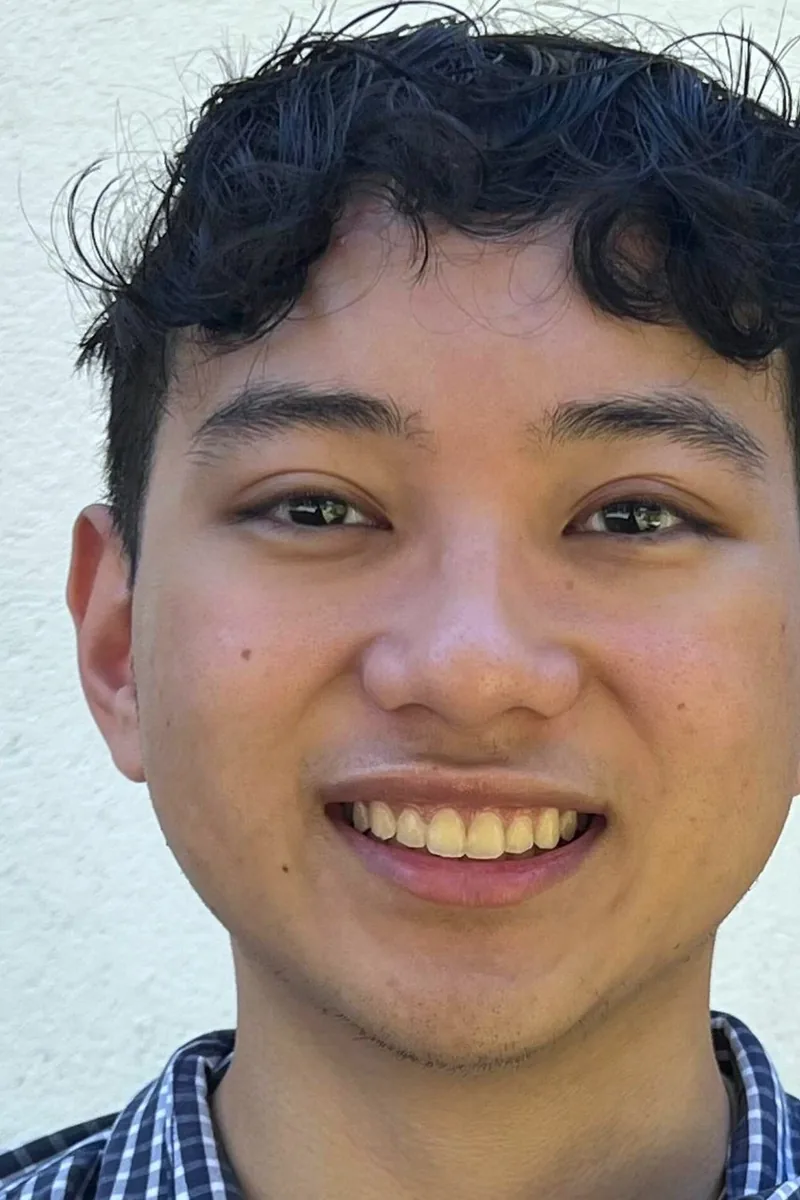
As an incoming medical student (starting 2026) and a graduate in Biological Sciences from SUNY Binghamton, I utilize a unique student-focused approach to tutoring. With over two years of experience in premed subjects (including MCAT topics) ranging from introductory biology to organic chemistry I specialize in breaking down complex topics into manageable concepts. My teaching philosophy is built on fostering a supportive environment where I adapt to each student's learning style, ensuring they not only achieve their academic goals but also develop a deeper appreciation for the material.

Howdy! My name is Karthik, and I look forward to meeting you. I've been tutoring for over 10 years, and am excited to give you the tools to achieve success! I've seen it all, from frustrated parents who need their 8 year old to learn how to read, to high school/college students just needing a grade boost to pass a class, to retirees who finally have enough time to pick up that language they never got around to. I've personally taken courses on, passed tests for, and used the knowledge in real life for all the subjects I tutor, so I know not just how to learn, but also how to apply. If you'd like to get your personlized gameplan to never need tutoring again, help me help you and book a session today!
As a medical student who has already cleared both USMLE Step 1 and Step 2 CK, Jiatian knows the MCAT's content landscape from the other side — which biochemistry pathways, physics concepts, and psychology theories actually matter most and how the exam tests them. She teaches a question-attack strategy for CARS and the science sections that trains students to extract key data from dense passages before even looking at answer choices. Her Rice University science background and firsthand board exam experience mean she can connect MCAT topics to the bigger picture of what medical schools expect.
Ning earned her Doctor of Medicine degree, which means she didn't just study MCAT content — she applied it through years of medical training. She breaks down each section's strategy differently, from amino acid structure questions in the Biological Foundations section to passage-based reasoning in CARS, treating the exam as four distinct challenges rather than one monolithic test. Rated 4.9 by students.
I am a graduate of Emory University, where I received my Bachelor of Science in Neuroscience and Behavioral Biology with a minor in Dance and Movement Studies. Throughout college, I have trained extensively tutoring students of various ages across many subjects. As an "Emory Reads" tutor for four years, I helped alleviate education inequality by providing weekly tutoring to students in Atlanta's lowest performing elementary schools to enhance reading comprehension and mathematics skills. I worked with the schools to transition engaged learning to an online format. I am a firm proponent of education, and am committed to providing my students with the best learning experience achievable. I am passionate about helping struggling students face the challenges of early education, and help them build a solid foundation for the future. I also served several semesters working with high school and college-age students. As a Teaching Assistant for college-level physics, I developed a sincere bond with my students as I strived to help them achieve there academic goals. I also worked as a peer-editor for papers and personal statements, as appointed by my professors who recognized my strong writing skills. For three years, I tutored and mentored high school students who were passionate about pursuing the sciences in college. I helped them through their AP coursework, preparing for standardized tests, and the college application process. I have worked with students to get into Ivy League universities, Berkeley, UCLA, NYU, and more. I am looking forward to being able to helping every student reach their personal potential, and sharing the joy of eventual success!
As a passionate tutor with a Bachelor's degree in Neuroscience and Psychology from Indiana University. For the past 3 years, I have been working as an MCAT tutor. I have over 2 years of experience helping students excel in subjects such as Anatomy & Physiology, AP Biology, and Psychology. My approach centers on fostering a supportive learning environment where students feel empowered to ask questions and engage deeply with the material. I believe that understanding the 'why' behind concepts is crucial for long-term retention, so I strive to connect lessons to real-world applications. I am motivated by witnessing my students' growth and confidence, particularly as they navigate the challenges of college applications and advanced coursework. In my free time, I enjoy reading about the latest developments in neuroscience, which further enriches my teaching and keeps me engaged with the subject matter.
Scoring well on the MCAT requires more than content mastery — it demands the ability to synthesize biology, chemistry, physics, psychology, and critical reading under extreme time pressure. Miya's microbiology and immunology background covers the science sections deeply, and her experience tutoring English and reading gives her a practical edge when coaching the CARS section. She builds study plans around each student's weakest content areas and drills passage-based reasoning from day one.
Testimonials
Because the right MCAT tutor makes all the difference.
Average Session Rating – Based on 3.4M Learner Ratings
Practice MCAT
Free practice tests, flashcards, and AI tutoring for MCAT
Other New York Tutors
Related Graduate Test Prep Tutors in New York
Frequently Asked Questions
MCAT score improvement depends on your starting point and study commitment. Most students see meaningful gains of 3-7 points when working with a tutor who can identify weak areas and develop a targeted strategy. Students who start in the 490-500 range often see larger percentage improvements than those already scoring 510+. The key is consistent practice combined with expert feedback on your test-taking approach—tutors help you understand not just the content, but the reasoning behind each answer.
The MCAT Chemical and Physical Foundations section and Biological and Biochemical Foundations section challenge many students because they require rapid content recall plus reasoning skills. However, the Psychology, Social, and Biological Foundations section trips up students who underestimate its psychology content. Personalized tutoring helps by: pinpointing which specific topics are causing confusion, teaching efficient problem-solving strategies for your learning style, and building confidence through targeted practice on your weak areas. A tutor can also help you manage pacing—many students know the content but rush through passages.
Timing is a learnable skill. Many students struggle because they're perfecting content knowledge but haven't practiced strategic skimming or learned to recognize high-value versus low-value questions. Tutors help by teaching you to work through full-length practice tests under timed conditions, analyzing where you're losing time, and helping you develop a personalized pacing strategy. Some students need to skip difficult questions earlier; others benefit from reading passages differently. The goal isn't to read faster—it's to read smarter and make strategic choices about where to invest your time.
Practice tests serve two purposes: diagnostic and confidence-building. Early on (weeks 1-4 of prep), take a diagnostic test to establish your baseline and identify weak content areas. Mid-prep, use full-length practice tests 2-3 times weekly to build stamina and refine strategies. In your final 2 weeks, space out practice tests every 3-4 days to maintain confidence without overtraining. More importantly, your review process matters most—spend 2-3 hours analyzing each test with a tutor to understand why you missed questions, not just the correct answers. This helps you avoid repeating mistakes on test day.
Test anxiety often stems from feeling unprepared or uncertain about your approach. Personalized tutoring builds confidence by giving you a clear study plan, helping you understand test content deeply rather than superficially, and simulating test conditions repeatedly so the format feels familiar on exam day. Tutors also help you develop a mental toolkit: breaking down complex passages into manageable pieces, using process-of-elimination strategically, and recognizing when to move on versus spending extra time. Many students find that anxiety decreases significantly once they've worked through dozens of practice questions with expert feedback and understand their own thought process.
Most students benefit from 3-4 months of preparation, though timelines vary based on your current knowledge and target score. A structured timeline looks like: Month 1 (content review + diagnostic testing), Month 2 (targeted skill-building), Month 3 (full-length practice tests + refinement). Tutoring accelerates this process by helping you skip topics you've mastered and spending focused time on weak areas—potentially compressing your timeline or improving your score without extending it. Starting with a tutor early (even during content review) helps you learn efficiently rather than wasting time on material you already know.
MCAT passages are dense and require you to extract main ideas while managing scientific terminology and complex logic—not just read carefully. Many students read word-for-word when they should scan strategically. Tutors help by teaching you to identify passage structure, anticipate question types, and navigate questions efficiently. They also help you manage the psychology aspect of the test: CARS (Chemical and Physical Foundations, Biological and Biochemical Foundations) pulls questions from humanities and social sciences, so if you're science-focused, a tutor can help you build comfort with unfamiliar subjects. Practice with feedback on your annotation strategy and question approach transforms reading comprehension from a weakness into a manageable section.
Let’s find your perfect tutor
Answer a few quick questions. We’ll recommend the right plan and match you with a top 5% tutor.