Award-Winning Literature Tutors
serving Brooklyn, NY
Literature
Tutors in Brooklyn
Private 1-on-1 tutoring, weekly live classes for academic support, test prep & enrichment, practice tests and diagnostics, and more to elevate grades and test scores.
Based on 3.4M Learner Ratings
UniversitiesSchools & Universities
DeliveredHours Delivered
ProficiencyGrowth in Proficiency
Who needs tutoring?
No obligation. Takes ~1 minute.
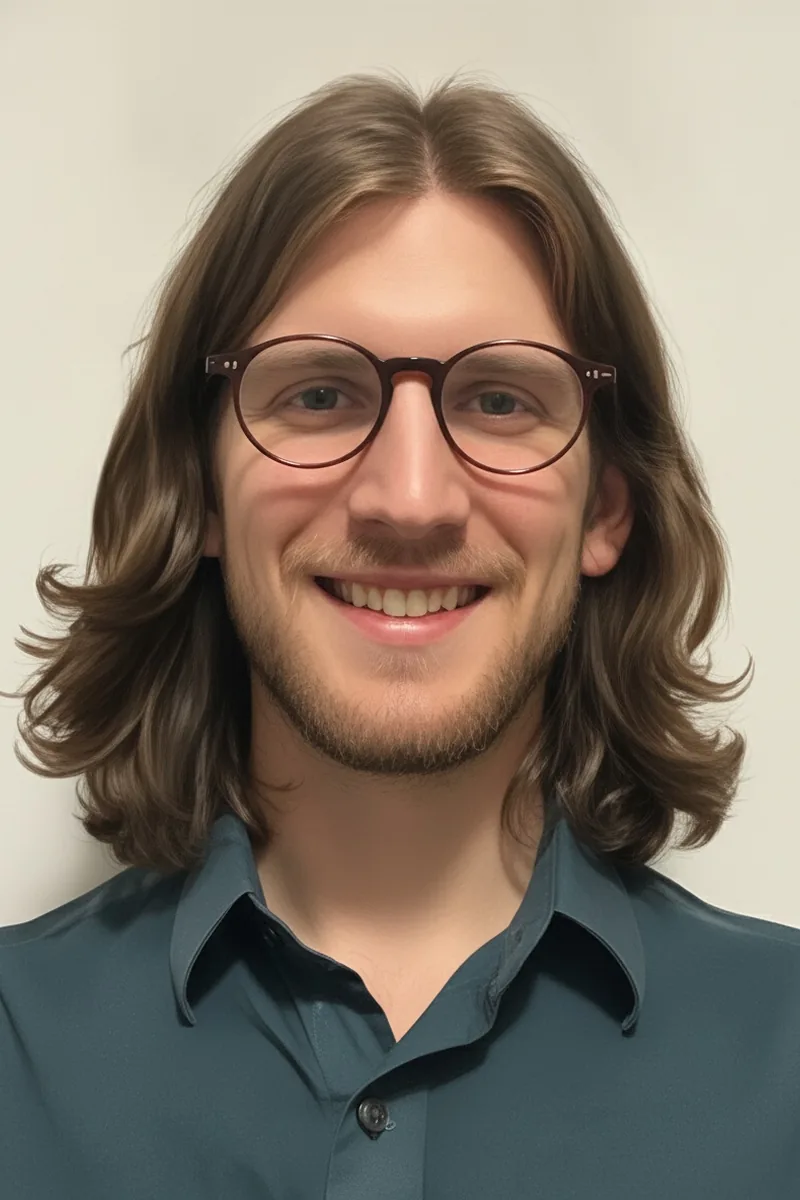
Reading literature well means learning to sit with ambiguity — tracking unreliable narrators, unpacking symbolism, and building interpretive arguments that go beyond plot summary. Reid's background in sociology sharpens his approach to literary analysis, connecting texts to the cultural and historical forces that shaped them. He teaches students to construct close readings that hold up under scrutiny.
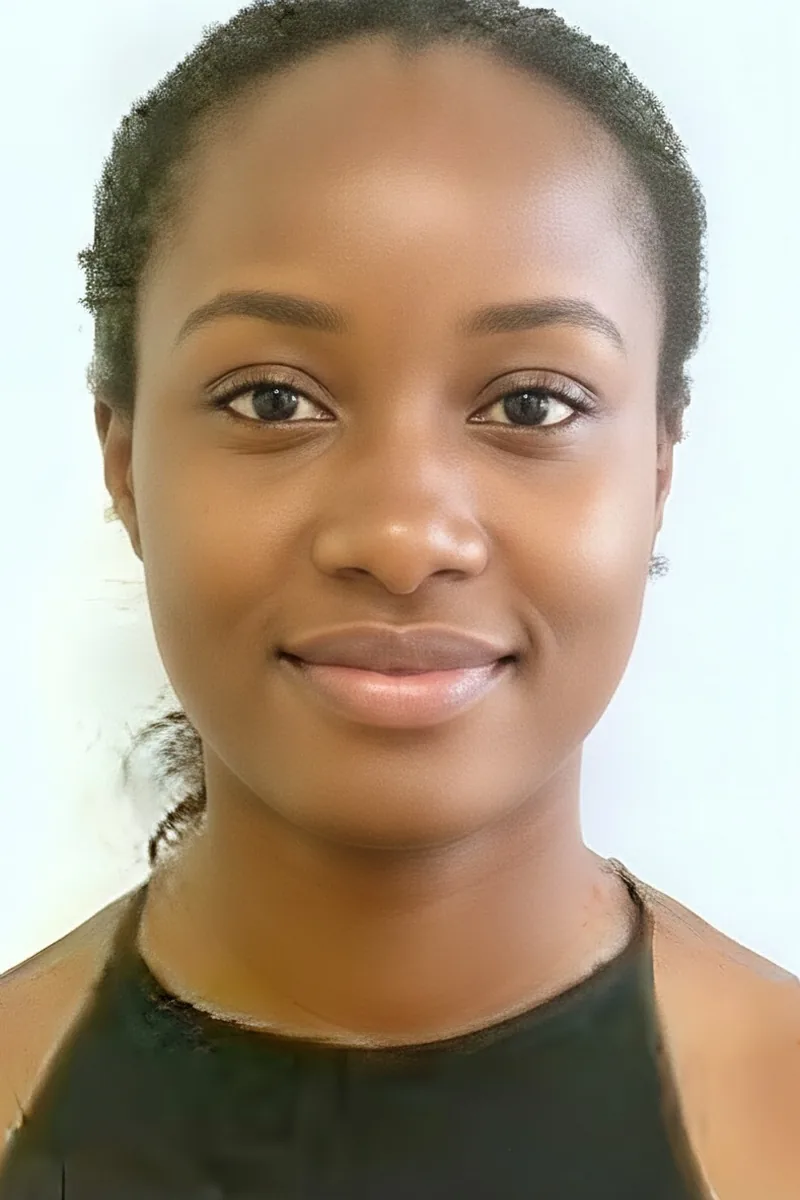
A Harvard sociology and women's studies graduate, Solange reads literature through multiple lenses — examining how power, identity, and social context shape a text's meaning. She teaches students to move from surface-level plot summary to constructing original interpretive arguments, whether they're unpacking symbolism in Gatsby or analyzing narrative voice in Toni Morrison.
Reading literature well means arguing with the text — asking why a character acts, what a symbol carries, how structure shapes meaning. Daniel's sociology training sharpens his approach to literary analysis, especially when it comes to examining how authors represent class, identity, and power on the page.
Reading literature well means doing more than summarizing plot — it means noticing how an author's word choice, structure, and imagery build meaning beneath the surface. Sabira is an avid reader herself and teaches students to annotate with purpose, pulling specific textual evidence to support interpretations rather than guessing at themes.
Reading a novel is one thing — building an argument about its themes, symbols, and narrative structure is another skill entirely. Maya, a Yale-trained writer with a Religious Studies background, teaches students to move between close reading and big-picture literary analysis, whether they're unpacking Toni Morrison's use of memory or tracing allegory in Dostoevsky. Rated 5.0 by students.
Studying philosophy at Princeton means spending entire semesters pulling apart dense texts — tracing arguments, weighing rhetorical choices, and reading between the lines. Julie brings that same close-reading discipline to literature, whether a student is unpacking symbolism in Beloved or analyzing narrative structure in a short story.
Reading literature well means arguing with the text — asking why Hamlet delays, what Toni Morrison's syntax is doing to the reader, or how an unreliable narrator reshapes a story's meaning. Moon's three degrees, including one in philosophy, give him a cross-disciplinary lens for close reading that turns passive summarizing into genuine analytical thinking.
Ian approaches literature the way a physicist approaches a problem: by asking what's really going on beneath the surface and building an argument from evidence. Whether the text is a Shakespeare play or a modernist novel, he teaches students to construct close readings that connect literary devices — imagery, tone shifts, unreliable narration — to larger thematic claims.
Reading literature well means arguing with the text — asking why an author chose this metaphor, this structure, this unreliable narrator. Allen's Yale coursework in ethics and political theory sharpened his ability to build interpretive arguments from close textual evidence, and he brings that same rigor to poetry explication, novel analysis, and drama. Students come away writing more persuasive literary essays because they learn to treat every claim as something that needs proof from the page.
Literary analysis is really about building an argument — identifying how an author uses imagery, structure, or point of view to create meaning, then defending that reading with textual evidence. Rachel studied history and political science, disciplines that demand the same close-reading and argumentation skills literature courses require. She teaches students to move from vague impressions of a text to precise, well-supported interpretations.
Reading a poem or novel closely means noticing what the author chose *not* to do as much as what's on the page — why this metaphor, why this narrator, why this structure. Noah's philosophy training sharpened his ability to unpack argument and meaning in dense texts, a skill he applies to everything from Shakespeare's sonnets to Toni Morrison's prose.
Reading literature well means doing more than following the plot — it means noticing how an author's choices about structure, point of view, and imagery shape meaning. Michelle's graduate work at Columbia in American Studies immersed her in literary analysis across genres and time periods, from slave narratives to contemporary fiction. She teaches students to build interpretive arguments grounded in textual evidence.
From Homer's epics to Ovid's Metamorphoses, Sarah's Classics training immersed her in the literary traditions that shaped nearly every major Western author students encounter in school. She teaches close reading as a skill — unpacking imagery, tracking narrative structure, and building interpretive arguments — whether the text is a Shakespeare sonnet or a Toni Morrison novel.
From close-reading Shakespeare's soliloquies to unpacking the unreliable narrator in modern fiction, Dana approaches literature as an exercise in asking better questions about a text. Her coursework in American literature and comparative literature means she's comfortable across genres and periods, and she teaches students to build interpretive arguments that go beyond plot summary. The goal is always a reading that's both original and grounded in textual evidence.
Philosophy and literature share a core skill: reading a text closely enough to see what the author is really doing beneath the surface. Lucas digs into themes, narrative structure, and rhetorical choices across poetry and prose, teaching students to build interpretive arguments that go beyond plot summary.
Analyzing literature is really about building an argument from evidence — a skill David sharpened through years of economics research and business strategy. He teaches students to read for subtext, identify how authors use structure and language to develop themes, and turn those observations into clear, defensible interpretations.
Reading a novel for plot and reading it for meaning require different muscles entirely — tracking symbolism in *The Great Gatsby* or analyzing narrative voice in *Beloved* demands close, deliberate attention to language. Harry's theater background gives him a performer's instinct for subtext, and he brings that same attention to what's happening beneath the surface of a poem, short story, or novel.
Anna reads literature the way her neuroscience training taught her to read research — pulling apart structure, identifying patterns, and asking what the author is really arguing beneath the surface. She's particularly sharp on close reading techniques, teaching students to trace motifs, analyze narrative voice, and build interpretive claims grounded in textual evidence. Rated 5.0 by students.
Reading literature at Dartmouth meant dissecting everything from Shakespeare's sonnets to postcolonial novels, and Ben learned to treat a text like an argument that needs unpacking. He teaches students to identify how literary devices — imagery, unreliable narration, structural choices — actually build meaning, so analysis goes deeper than plot summary.
Manolya's analytical training in math and computer science at MIT gives her a surprisingly effective lens for literature — she treats a text like a system, breaking down how narrative structure, symbolism, and authorial choices create meaning. Students working on close reading or literary analysis essays get someone who teaches them to build arguments from textual evidence with logical precision.
Studying French literature in its original language — including a semester immersed in coursework in Toulouse — trained Laura to read closely and argue precisely about texts. She applies that same analytical rigor to English-language literature, walking students through how to build a thesis from textual evidence rather than plot summary. Whether the assignment involves poetry, novels, or drama, she emphasizes the interpretive skills that transfer across genres.
Reading literature closely is really about learning to ask better questions of a text — why this metaphor here, what shifts in the final stanza, how an unreliable narrator reshapes the plot. Violet's liberal arts training at Brown, where cross-disciplinary reading is the norm, taught her to connect literary analysis to history, philosophy, and art. She walks students through close-reading techniques that make essay writing about literature feel less like guesswork.
Breaking down a poem or novel passage starts with learning to read slowly and deliberately — something Tameem emphasizes before jumping to analysis. He walks students through close-reading techniques like tracking imagery patterns, identifying narrative shifts, and building interpretive claims that go beyond surface-level plot summary.
Religion and philosophy coursework at Pomona meant Miranda spent four years doing close readings of dense, layered texts — from ancient scriptures to postmodern theory. She brings that same analytical rigor to literary analysis, teaching students to trace how imagery, narrative structure, and authorial choices build meaning across a work.
Reading literature and criticism is one of Duncan's genuine off-the-clock interests, and that enthusiasm shows up in how he teaches close reading, thematic analysis, and argumentative writing about texts. His University of Chicago education — where rigorous textual interpretation is baked into every course — trained him to unpack prose and poetry at the sentence level.
Studying European history at Johns Hopkins meant reading dense primary sources — political treatises, philosophical essays, personal letters — and extracting meaning from subtext and structure. Alexander applies that same close-reading discipline to literature, teaching students how to analyze an author's choices around imagery, tone, and narrative perspective rather than just summarizing plot.
Reading a novel closely is really an exercise in argumentation: what claim can you make about a text, and what specific passages support it? Tim's philosophy degree trained him in exactly this kind of analytical reasoning, and his comparative literature teaching covers everything from Shakespeare's use of soliloquy to the unreliable narration in modern fiction. Students leave sessions not just understanding a book better but knowing how to write about it persuasively.
Reading literature analytically is really about making connections between ideas that seem unrelated on the surface — a skill Abismael applies naturally from his cross-disciplinary background. He teaches students to build arguments around theme, symbolism, and authorial intent by challenging them with probing questions about the text rather than handing over interpretations.
Corey's cognitive science degree trained him to analyze how humans construct meaning from text — a skill that translates directly into close reading of poetry, fiction, and drama. He teaches students to unpack literary devices like symbolism and narrative structure by asking precise questions about *why* an author made a particular choice, turning passive reading into active interpretation.
Reading literature well means doing more than summarizing plot — it means noticing how an author's formal choices create meaning. Willow's philosophy training at UCLA sharpened her ability to unpack arguments embedded in literary texts, from the structure of a Kafka parable to the rhetoric of a Shakespearean soliloquy. She graduated with departmental honors in both of her majors, each of which demanded intensive textual analysis.
Reading a novel is one thing; analyzing how an author uses symbolism, narrative structure, or unreliable narration to build meaning is another skill entirely. Samantha's anthropology background adds an unusual lens to literary analysis, connecting texts to the cultural contexts that shaped them. She's especially strong at teaching students to build interpretive arguments grounded in textual evidence.
Though Robert's degrees are in engineering and education, his teaching career covers English and literature alongside math. He approaches literary analysis the way an engineer approaches a system — breaking a text into its moving parts, examining how structure, tone, and figurative language create meaning, and teaching students to build arguments from textual evidence rather than summary.
Reading a novel closely means learning to ask why an author made specific choices — why Toni Morrison fragments a timeline, why Junot Díaz code-switches mid-sentence. Katarah graduated from Brown's Literary Arts program, where dissecting craft across poetry, fiction, and nonfiction was daily practice, and she brings that same close-reading rigor to every text.
Reading literature closely means learning to ask better questions — why an author chose this structure, what a recurring image actually does, how unreliable narration reshapes meaning. Esteban lists reading and writing among his core interests and brings his Harvard-trained analytical rigor to literary analysis, whether a student is unpacking a Shakespeare soliloquy or a contemporary novel.
Reading a novel closely means asking questions the text doesn't answer directly — what a symbol accumulates across chapters, why an author shifts point of view, how historical context shapes a character's choices. Jeanette's background in psychology gives her a distinctive lens for unpacking character motivation and narrative structure. She teaches students to build interpretive arguments grounded in textual evidence, whether they're analyzing poetry, short fiction, or full-length novels.
Reading literature analytically means learning to ask better questions of a text — why does the author shift point of view here, what does this recurring image accumulate across chapters, how does structure reinforce theme. Rebecca approaches literary analysis the way she approaches scientific inquiry: observe closely, form a claim, and defend it with evidence from the page.
Trained in anthropology and comparative art, Sarah reads literature as cultural artifact — examining how a novel's structure, imagery, and voice reflect the world it came from. She's especially effective with students tackling American literature, teaching them to build close-reading arguments that move beyond plot summary into genuine textual analysis.
Reading a novel for class and actually analyzing it are two very different skills. Bryan teaches students to dig into literary devices — symbolism, narrative structure, unreliable narration — and turn close-reading observations into arguments that hold up in essays and class discussions. His liberal arts education at Brown immersed him in exactly this kind of critical textual work.
A PhD and a career spent teaching at the university level mean Martin has spent decades inside difficult texts — analyzing narrative structure, unpacking symbolism, and situating literature within its cultural moment. He's particularly strong at teaching close reading, showing students how to build an interpretation from specific textual evidence rather than vague impressions.
Elizabeth's Harvard background in Women, Gender, and Sexuality Studies means she reads literature through lenses most tutors don't — examining how power, identity, and social context shape a text's meaning. She teaches students to build close-reading arguments that go beyond plot summary, whether they're analyzing a Shakespeare sonnet or a Toni Morrison novel.
Testimonials
Because the right Literature tutor makes all the difference.
Average Session Rating – Based on 3.4M Learner Ratings
Nearby Literature Tutors
Other Brooklyn Tutors
Related English Tutors in Brooklyn
Frequently Asked Questions
Brooklyn's literature programs typically focus on close reading, literary analysis, and written response to texts. Students study novels, short stories, poetry, and drama while developing skills in identifying themes, analyzing character development, and understanding narrative techniques. Depending on grade level, students may also explore historical context, compare texts across genres, and write analytical essays that support interpretations with textual evidence.
Tutors work with you to break down how authors use literary devices—like symbolism, imagery, tone, and point of view—to create meaning. They'll guide you through the process of moving from surface-level observations to deeper interpretations, help you find specific evidence from the text to support your analysis, and show you how to organize these insights into coherent essays. This personalized feedback helps you develop the critical thinking skills needed for standardized tests and college-level literature courses.
A strong literary analysis essay typically includes an introduction with a clear thesis statement, body paragraphs that each focus on one literary device or theme with textual evidence, and a conclusion that reinforces your interpretation. The key is ensuring your thesis makes an argument about how the author's choices create meaning—not just summarizing the plot. Tutors can help you develop a thesis, organize your evidence logically, and revise your drafts to strengthen your argument and eliminate repetition.
Writer's block often happens when you're trying to write the perfect introduction first. Instead, tutors recommend starting with a quick free-write about the text, jotting down observations about characters or scenes that stand out to you. Once you have raw ideas, you can identify patterns, develop a thesis, and then organize those thoughts into an outline. Personalized tutoring sessions can help you move through this process with confidence, turning scattered observations into a focused argument.
Active reading strategies like annotating (marking important passages, noting questions), summarizing sections in your own words, and discussing the text with someone else all improve comprehension. Tutors can help you slow down, identify what's confusing, and ask the right questions about character motivation, plot structure, and theme. They'll also help you connect unfamiliar vocabulary or historical context to what you're reading, making dense texts more accessible.
Most high school and college literature courses use MLA format, while social sciences typically use APA. Your teacher will specify which format to use—check your assignment sheet or syllabus. Tutors can teach you the rules for both formats, help you format your works cited page correctly, and show you how to integrate quotations smoothly into your writing with proper in-text citations. Consistent, accurate citations strengthen your credibility as a writer.
Your first session is a chance to discuss your specific goals—whether that's improving essay grades, preparing for an exam, or developing stronger reading skills. A tutor will ask about the texts you're studying, any assignments you're working on, and areas where you feel stuck. From there, you'll create a personalized plan that focuses on your needs, whether that's close reading strategies, thesis development, revision techniques, or test preparation.
Varsity Tutors connects you with expert tutors who have strong backgrounds in literature and experience working with Brooklyn students at your grade level. You can specify your needs—whether you need help with a specific book, essay writing, or standardized test prep—and we'll match you with someone who fits your learning style. Most students meet with their tutor regularly to build momentum and see consistent improvement in their reading and writing skills.
Let’s find your perfect tutor
Answer a few quick questions. We’ll recommend the right plan and match you with a top 5% tutor.