Award-Winning Java Tutors
serving San Francisco, CA
Java
Tutors in San Francisco
Private 1-on-1 tutoring, weekly live classes for academic support, test prep & enrichment, practice tests and diagnostics, and more to elevate grades and test scores.
Based on 3.4M Learner Ratings
UniversitiesSchools & Universities
DeliveredHours Delivered
ProficiencyGrowth in Proficiency
Who needs tutoring?
No obligation. Takes ~1 minute.
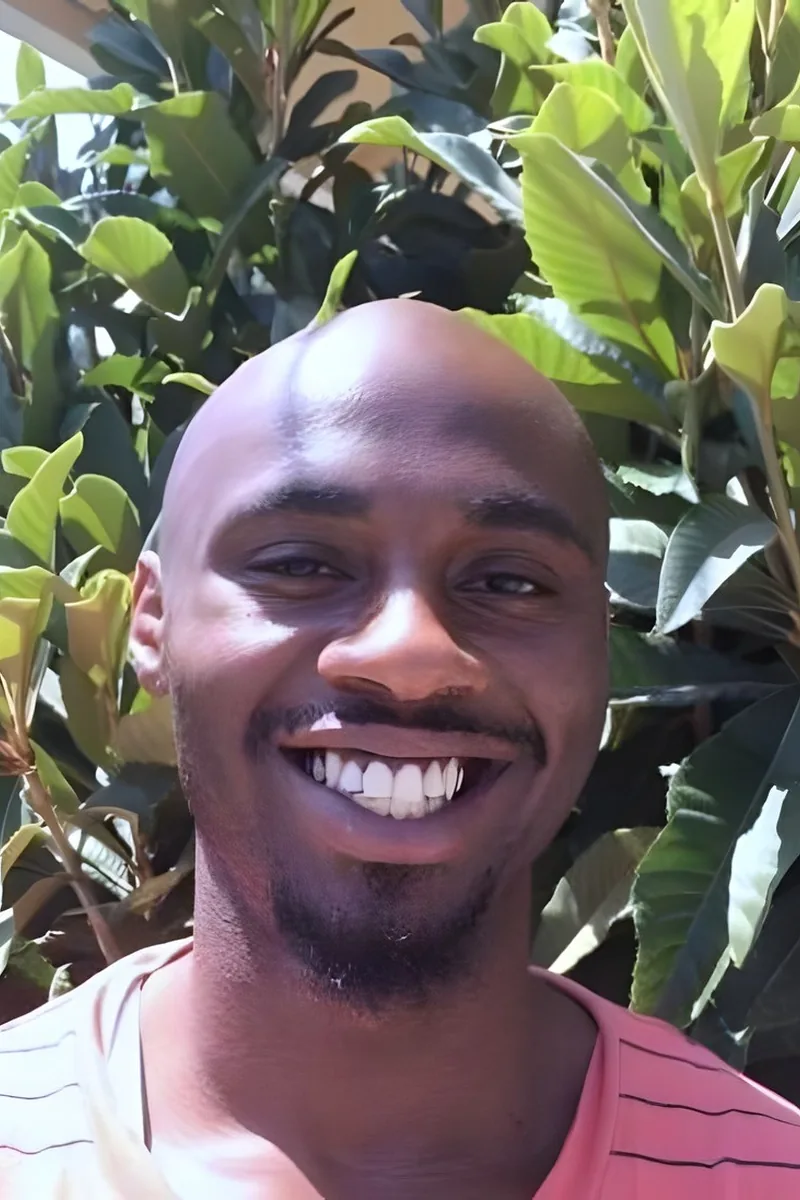
Brian learned Java as part of his Computer Science curriculum at Caltech, where coursework emphasized not just syntax but algorithmic thinking — data structures, object-oriented design, and writing code that scales. He breaks down concepts like inheritance, polymorphism, and exception handling by tying them to real programming problems rather than abstract definitions.
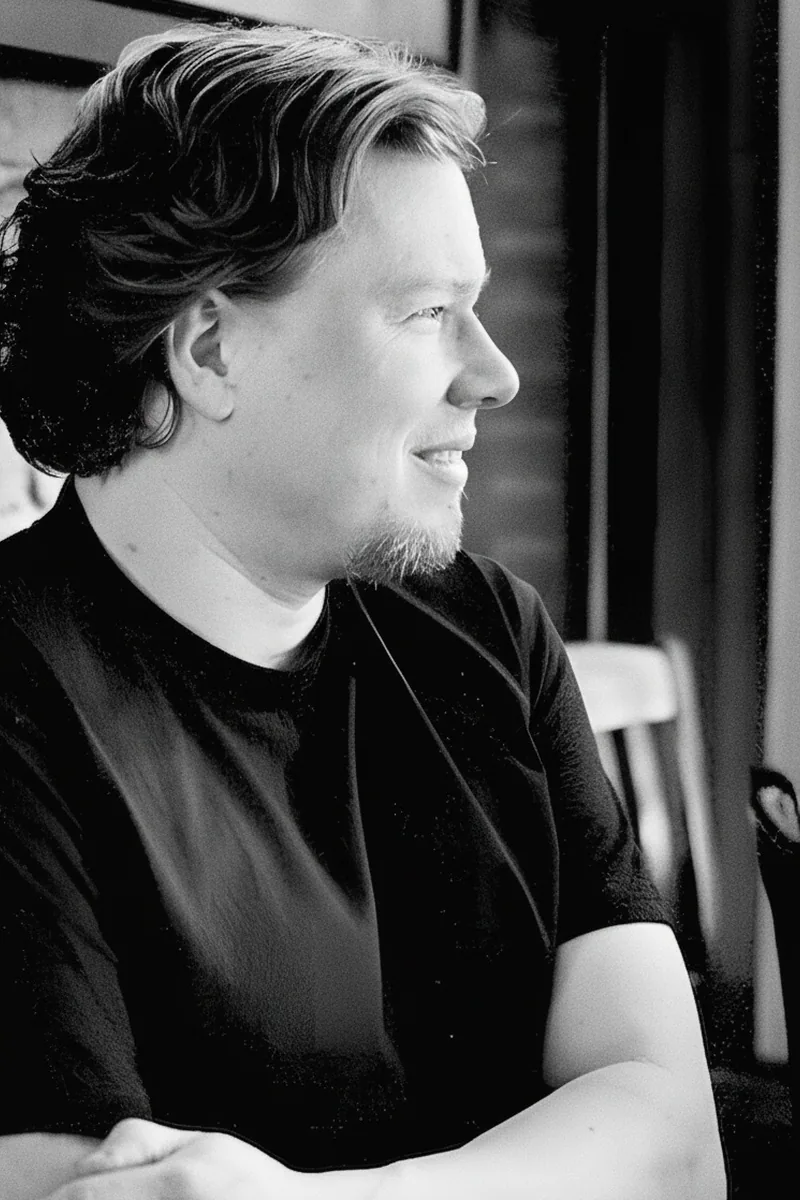
Java's object-oriented structure can feel overwhelming the first time a student encounters classes, inheritance, and polymorphism all at once. Dennis unpacks each concept with hands-on coding exercises, building small programs that make abstract ideas like encapsulation tangible. He teaches across multiple CS levels — from AP to college courses — so he knows exactly where beginners tend to get stuck and how to get them unstuck.
Data Analytics majors at Ohio State don't just run queries — Vishank's coursework in database management means he writes Java to manipulate, process, and structure real datasets, which gives him a practical angle on teaching fundamentals like arrays, methods, and file I/O. He connects programming concepts to data problems that produce meaningful output, making early Java assignments feel less abstract. Rated 4.9 by students.
Object-oriented programming clicks once you stop memorizing syntax and start understanding why classes, inheritance, and polymorphism exist in the first place. Ryan teaches Java by building small projects that make abstract concepts tangible — writing a linked list from scratch, for instance, or designing a simple game loop that uses interfaces. His CS coursework at Cornell keeps him current with the language features and design patterns students encounter in both AP and college-level courses.
Hailey's mathematics background at UGA gives her a structural approach to Java — she treats concepts like loops, conditionals, and object-oriented design as logical systems to reason through, not just syntax to memorize. She's particularly effective at walking through how methods, classes, and data structures connect to solve real problems.
Sabrina programs in Java as part of her electrical engineering coursework at Princeton, where the language shows up in everything from data structures assignments to algorithm design. She's strong at explaining object-oriented concepts like inheritance and polymorphism in plain terms, then walking through how to debug and test code systematically.
Dylan's computer science minor at Vanderbilt gives him hands-on experience writing Java for coursework and projects, from object-oriented design patterns to data structures like arrays, linked lists, and hash maps. He explains concepts by tracing through code line by line, making sure students understand what's happening in memory — not just what compiles.
Samuel's applied math program at Caltech involves heavy computational work in Java, from implementing data structures like linked lists and hash maps to writing algorithms for numerical analysis. He teaches not just syntax but the logic underneath — how to trace through a loop, debug a NullPointerException, and design a class hierarchy that actually makes sense.
Java's object-oriented model clicks once a student truly understands how classes, inheritance, and polymorphism work together — not just in toy examples but in real codebases. Brandon brings two years of professional software development experience alongside his master's research, so he can walk through everything from basic syntax and data structures to design patterns and multithreading. He's particularly strong on the debugging mindset that turns frustrating compiler errors into learning moments.
Object-oriented thinking comes naturally to someone trained in engineering systems, and Earnest applies that logic to teaching Java concepts like inheritance, polymorphism, and exception handling. He walks students through building actual programs step by step, so abstract ideas like class hierarchies and data structures click through hands-on practice.
Object-oriented programming clicks faster when someone walks you through why classes, inheritance, and polymorphism are designed the way they are — not just how to make the code compile. Joel, pursuing computer science at Cornell alongside his physics major, digs into Java fundamentals like data structures, recursion, and algorithm design with real problem-solving context.
Learning Java means getting comfortable with object-oriented thinking — classes, inheritance, polymorphism — before the syntax even matters. As an electrical engineering student at Duke, Brooke writes code regularly and breaks down programming logic into small, testable steps so students can debug their own reasoning, not just their compiler errors.
Object-oriented thinking — classes, inheritance, polymorphism — trips up a lot of new Java programmers because the concepts feel abstract until you build something with them. Ashton approaches Java the way his Rice engineering coursework demands: by writing real code, debugging it line by line, and understanding why the compiler complains, not just how to make it stop.
Learning Java alongside engineering coursework at Johns Hopkins means Bidyut understands how to teach object-oriented thinking — inheritance, polymorphism, data structures — in ways that connect to real problem-solving rather than abstract exercises. He walks through debugging and program design step by step, building the kind of fluency that makes writing classes and methods feel intuitive.
Testimonials
Because the right Java tutor makes all the difference.
Average Session Rating – Based on 3.4M Learner Ratings
Nearby Java Tutors
Other San Francisco Tutors
Related Technology and Coding Tutors in San Francisco
Frequently Asked Questions
Your first session is all about understanding where you're starting from. A tutor will assess your current programming experience, discuss your goals (whether that's passing AP Computer Science, building web applications, or preparing for technical interviews), and identify specific challenges like debugging or understanding object-oriented concepts. From there, they'll create a personalized plan that matches your learning pace and objectives.
Both matter, but logic comes first. Understanding how to break down problems algorithmically and think through solutions is more important than memorizing syntax—you can always look up syntax. A tutor helps you build strong foundational logic skills while learning Java syntax as the tool to express those ideas. This approach makes it easier to pick up other languages later and solve complex problems confidently.
Debugging is a skill, not just trial-and-error. Tutors teach you systematic approaches: reading error messages carefully, using debugging tools, tracing code execution step-by-step, and understanding why errors happen. Rather than just telling you the fix, they guide you through the problem-solving process so you develop the ability to catch and fix errors independently in future projects.
Data structures (arrays, lists, maps, trees) are fundamental to writing efficient code and solving real problems. Many students struggle because they learn them in isolation rather than seeing them in action. Tutors teach data structures through hands-on coding practice and real-world examples—building applications where you actually need to choose the right structure for the job, which makes the concepts stick.
Absolutely. Project-based learning is one of the most effective ways to master Java. Tutors can guide you through building real applications—whether that's a game, a web backend, or a data analysis tool—while teaching you best practices like code organization, testing, and version control. You'll learn Java in context, solve actual problems, and build a portfolio piece you can be proud of.
That's completely normal. A tutor can help you explore different paths by building small projects in each area and seeing what resonates with you. Java is versatile—it's used in web development (Spring framework), data science (libraries like Apache Spark), Android app development, and more. Your tutor can tailor sessions to help you discover your interests while building core Java skills that apply everywhere.
Yes. Tutors in San Francisco are familiar with Java curricula used across the Bay Area's schools and districts, including AP Computer Science A preparation. Whether you need help with your school's specific course requirements, assignments, or standardized test prep, a tutor can align their instruction with what your school expects while also helping you develop deeper understanding beyond the minimum.
Object-oriented programming (OOP) is abstract and confusing when taught only through lectures. Tutors teach OOP by building real objects—creating classes, using inheritance, and applying polymorphism in actual code you write. Seeing how classes interact in a working program makes concepts like encapsulation and abstraction click in a way that theory alone can't achieve.
Let’s find your perfect tutor
Answer a few quick questions. We’ll recommend the right plan and match you with a top 5% tutor.