Award-Winning German Tutors
serving Charlotte, NC
German
Tutors in Charlotte
Private 1-on-1 tutoring, weekly live classes for academic support, test prep & enrichment, practice tests and diagnostics, and more to elevate grades and test scores.
Based on 3.4M Learner Ratings
UniversitiesSchools & Universities
DeliveredHours Delivered
ProficiencyGrowth in Proficiency
Who needs tutoring?
No obligation. Takes ~1 minute.

Learning German means wrestling with case endings, separable verbs, and a sentence structure that puts the verb in places English speakers don't expect. Susie has studied German extensively and teaches grammar as a logical system — once students see the patterns behind accusative versus dative, for instance, the rules stop feeling arbitrary. She pairs structural drills with reading and listening practice to build real fluency.
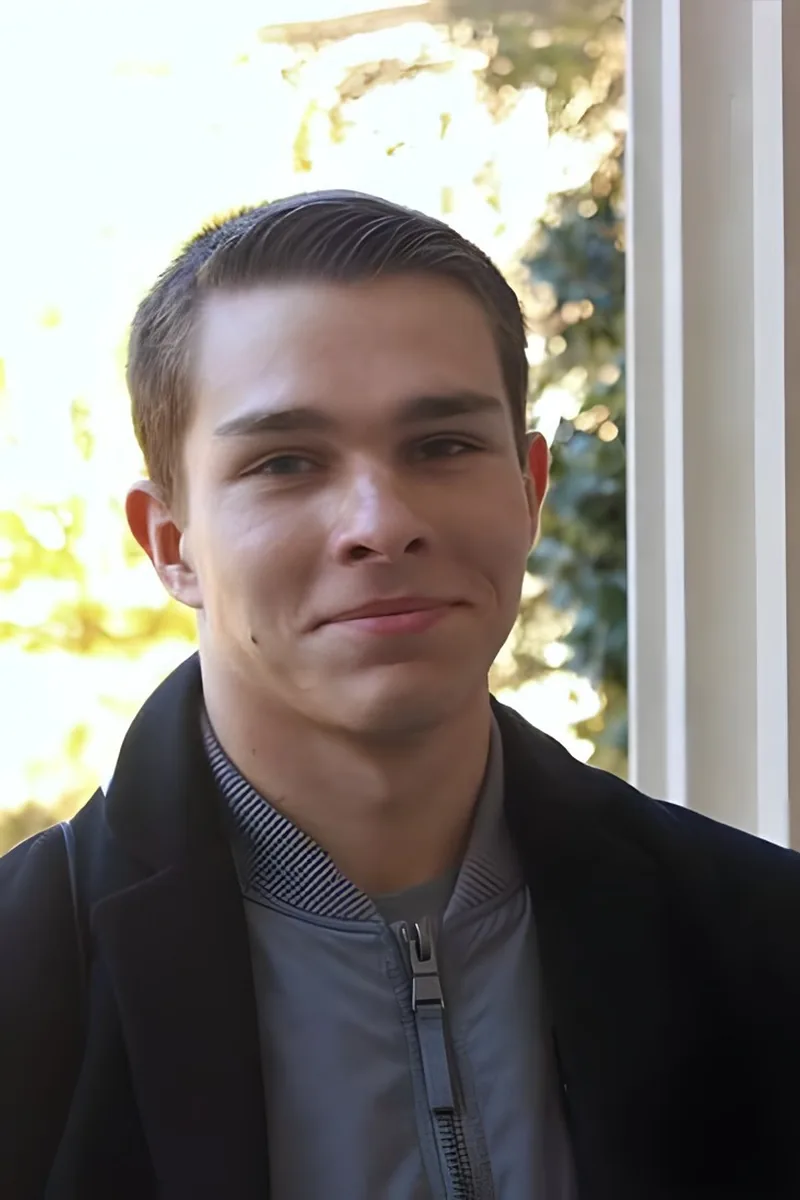
A pre-med student at UNC with minors in chemistry and biology, Dimitry also carries German through the advanced level — an uncommon combination that means he's used to toggling between technical and linguistic precision. He approaches German grammar with the same diagnostic thinking he brings to the sciences, making case systems and verb conjugation feel less like arbitrary rules and more like solvable puzzles. Rated 4.9 by students.
German's case system and word order rules can feel overwhelming until someone maps out the underlying patterns. Kathleen teaches German through German 2 level, breaking down accusative vs. dative usage, separable verbs, and subordinate clause structure so students internalize the grammar rather than just memorize tables.
Hannah studied German alongside Biblical and modern Hebrew at Wellesley, building the kind of cross-linguistic awareness that makes her especially effective at unpacking German grammar — case systems, verb placement, and the gendered noun patterns that trip up English speakers. She's taught German 1 through 3 and tailors her approach to each student's level, whether they're conjugating sein for the first time or tackling subordinate clauses.
Grace brings structured thinking and high energy to German lessons, tackling everything from noun genders and case endings to building conversational confidence. While her primary academic focus is American Studies, her experience teaching across multiple subjects means she knows how to break down tricky grammar rules and make vocabulary practice stick.
Hani studied German through two levels and brings an engineer's systematic approach to the language — mapping out case declensions, verb conjugation patterns, and word-order rules as logical structures rather than lists to memorize. For students working through German 1 or 2, he connects grammar concepts to practical sentence-building so that rules like accusative vs. dative stop feeling arbitrary.
German isn't Lesleigh's core subject, but her graduate training in classical and modern languages gives her a strong grasp of how Germanic grammar systems work — case endings, word order, and verb placement that trip up English speakers. She approaches German the way she approaches Latin: by teaching students to recognize structural patterns rather than memorize phrase lists.
Kelsey has studied German through advanced levels, tackling complex grammar structures like subjunctive mood, relative clauses, and case-driven syntax. She breaks down tricky concepts like dative prepositions and adjective endings by connecting them to patterns rather than rote memorization tables, making the logic of German grammar feel less arbitrary.
Learning multiple languages — Mandarin, Japanese, French, and German — gave Jacob firsthand insight into what makes German grammar click for English speakers and where the friction points are. He tackles case endings, word order, and verb conjugation by drawing comparisons across languages, which makes abstract rules more concrete. Students consistently rate him 5.0.
Three levels of German instruction give Ben a clear picture of where students stumble — whether it's navigating noun cases, mastering separable verbs, or building confidence with spoken conversation. He approaches German grammar as a logical system with predictable patterns, which makes concepts like dative prepositions and adjective endings feel less arbitrary and more manageable.
Joshua teaches German across three levels, with particular attention to case systems and verb conjugation patterns that trip up English speakers. His approach connects grammar rules to the underlying logic of the language, drawing on the same analytical rigor he developed studying philosophy.
Carolyn's academic training in theology and religious studies required extensive work with German-language primary texts — a tradition where precise reading comprehension and command of complex sentence structures are non-negotiable. She teaches German 1 through German 4, bringing that text-heavy background to bear on vocabulary acquisition and the grammatical logic behind cases and word order.
Learning German grammar — cases, verb conjugation, word order — rewards the same kind of systematic pattern recognition that Eric uses in his science background. He tackles tricky concepts like accusative vs. dative case by connecting rules to practical usage, so the logic behind the language starts to feel intuitive rather than arbitrary.
Jay minored in German at Penn State and has studied the language across all four levels, from foundational grammar and case systems to advanced literary and academic texts. He breaks down tricky concepts like adjective endings, subordinate clause word order, and the subjunctive mood in ways that make German's structural logic click rather than feel like arbitrary rules.
As a native German speaker from Austria, Silvia teaches the language the way it's actually spoken — with attention to cases, gendered articles, and verb placement that trips up English speakers most. She tutored her own son in German for four years to maintain his fluency, so she understands exactly where American students stumble with dative versus accusative or separable prefix verbs. Her 5.0 rating speaks to how naturally she makes those tricky grammar patterns stick.
Learning German means wrestling with case endings, separable verbs, and a word-order system that feels alien to English speakers. John breaks these structures down systematically, connecting grammar rules to patterns students can actually internalize rather than just memorize from a chart. His experience across every level of German coursework means he can adjust complexity on the fly.
Testimonials
Because the right German tutor makes all the difference.
Average Session Rating – Based on 3.4M Learner Ratings
Other Charlotte Tutors
Related Languages Tutors in Charlotte
Frequently Asked Questions
Your first session is designed to assess your current level across reading, writing, speaking, and listening skills. A tutor will discuss your goals—whether you're preparing for an AP German exam, building conversational fluency, or strengthening grammar fundamentals—and create a personalized learning plan tailored to your needs. This initial conversation helps establish the right pace and focus areas for your ongoing instruction.
In a classroom setting, students often get limited speaking time; with personalized 1-on-1 instruction, you have a dedicated partner for real conversation practice every session. Tutors can provide immediate feedback on pronunciation, help you develop natural accent patterns, and create low-pressure environments where you can practice freely. This consistent, focused speaking practice is one of the most effective ways to build confidence and fluency in German.
German grammar—particularly verb conjugation, case systems, and gendered nouns—can feel overwhelming in traditional classes. Personalized tutoring breaks these concepts into manageable pieces, using targeted practice and real-world examples to make patterns stick. Rather than memorizing rules in isolation, tutors help you understand when and why to use different conjugations, so grammar becomes intuitive rather than something you're constantly looking up.
Effective vocabulary learning relies on spaced repetition and retrieval practice—seeing words in context multiple times over increasing intervals. Tutors use techniques like thematic vocabulary building, contextual conversation, and active recall exercises to help new words stick. They'll also connect vocabulary to cultural context, which makes words more memorable and helps you understand how Germans actually use language in real situations.
Language and culture are inseparable—understanding German culture, media, history, and customs helps you grasp nuances that textbooks alone can't teach. Tutors often incorporate authentic materials like German films, news articles, music, and literature into lessons, giving you exposure to real-world language while building cultural knowledge. This immersion-style approach makes learning more engaging and prepares you to use German in authentic contexts.
According to language learning research, reaching professional-level proficiency in German typically requires around 900 hours of study for English speakers. However, conversational fluency—the ability to hold everyday conversations—can develop much faster with consistent, focused practice. With personalized tutoring and regular practice outside sessions, many students achieve practical conversational ability within several months, though the timeline depends on your starting level, frequency of tutoring, and personal practice.
Yes. Varsity Tutors connects you with tutors experienced in North Carolina's language standards and the specific curricula used across Charlotte's 31 school districts. Whether you're working toward AP German exams, preparing for language placement tests, or meeting high school language requirements, tutors understand local expectations and can align instruction with your school's approach while providing personalized support.
Absolutely. Personalized instruction addresses all four language skills—reading, writing, speaking, and listening—so you develop balanced proficiency. Tutors can guide you through complex texts, help you build writing skills from sentence construction to essay composition, and provide detailed feedback on grammar and style. This comprehensive approach ensures you're not just strong in one area, but developing confidence across all aspects of German communication.
Let’s find your perfect tutor
Answer a few quick questions. We’ll recommend the right plan and match you with a top 5% tutor.