Award-Winning German Tutors
serving Raleigh, NC
German
Tutors in Raleigh
Private 1-on-1 tutoring, weekly live classes for academic support, test prep & enrichment, practice tests and diagnostics, and more to elevate grades and test scores.
Based on 3.4M Learner Ratings
UniversitiesSchools & Universities
DeliveredHours Delivered
ProficiencyGrowth in Proficiency
Who needs tutoring?
No obligation. Takes ~1 minute.
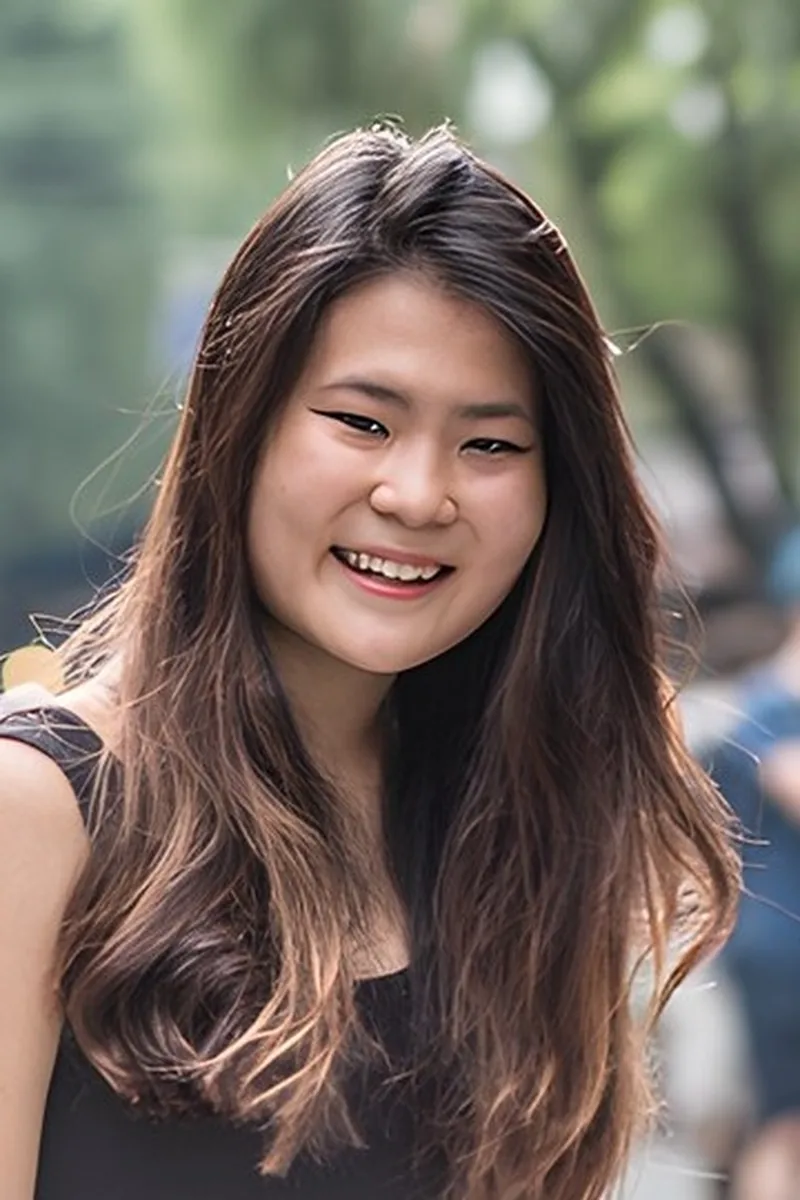
Learning German means wrestling with case endings, separable verbs, and a sentence structure that puts the verb in places English speakers don't expect. Susie has studied German extensively and teaches grammar as a logical system — once students see the patterns behind accusative versus dative, for instance, the rules stop feeling arbitrary. She pairs structural drills with reading and listening practice to build real fluency.
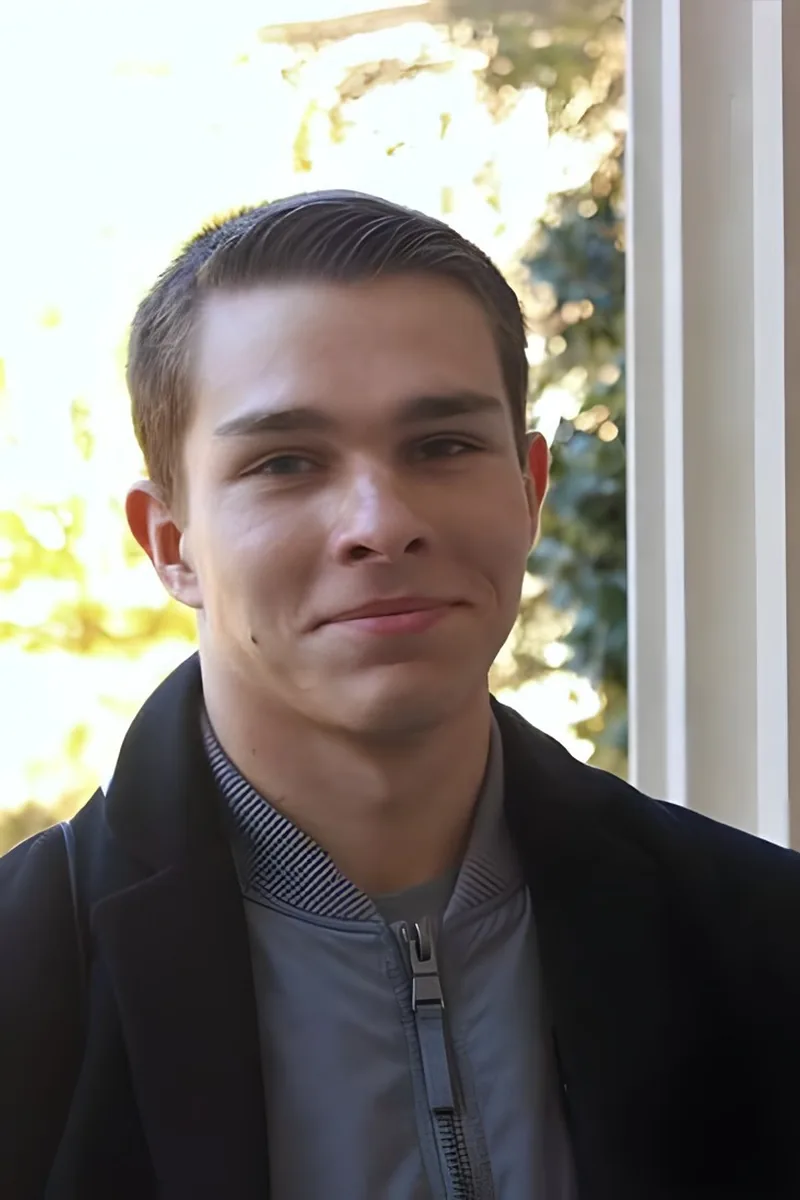
A pre-med student at UNC with minors in chemistry and biology, Dimitry also carries German through the advanced level — an uncommon combination that means he's used to toggling between technical and linguistic precision. He approaches German grammar with the same diagnostic thinking he brings to the sciences, making case systems and verb conjugation feel less like arbitrary rules and more like solvable puzzles. Rated 4.9 by students.
German's case system and word order rules can feel overwhelming until someone maps out the underlying patterns. Kathleen teaches German through German 2 level, breaking down accusative vs. dative usage, separable verbs, and subordinate clause structure so students internalize the grammar rather than just memorize tables.
Hannah studied German alongside Biblical and modern Hebrew at Wellesley, building the kind of cross-linguistic awareness that makes her especially effective at unpacking German grammar — case systems, verb placement, and the gendered noun patterns that trip up English speakers. She's taught German 1 through 3 and tailors her approach to each student's level, whether they're conjugating sein for the first time or tackling subordinate clauses.
Willow didn't just study German in a classroom — she earned departmental honors in German Studies at UCLA and spent time at Humboldt Universität Berlin immersed in the language. She tackles grammar concepts like case endings, subordinate clause word order, and verb conjugation patterns by connecting them to how native speakers actually think about sentence structure. That academic depth paired with real immersion experience makes a difference for students at any level.
German's case system, separable prefixes, and word order rules intimidate a lot of learners, but Jamie tackles them through immersion in compelling, context-rich material rather than isolated grammar exercises. Students pick up Akkusativ and Dativ distinctions by hearing and reading them repeatedly in stories and cultural content that actually holds their attention. The result is German that sticks because it was acquired, not just memorized.
Jay minored in German at Penn State and has studied the language across all four levels, from foundational grammar and case systems to advanced literary and academic texts. He breaks down tricky concepts like adjective endings, subordinate clause word order, and the subjunctive mood in ways that make German's structural logic click rather than feel like arbitrary rules.
Jonas teaches German with attention to the structural logic of the language — case endings, verb placement, and the way compound words build meaning from smaller parts. His background in Classical Greek means he's comfortable explaining grammatical concepts like dative versus accusative in terms that actually clarify rather than confuse. Students working through noun declensions or separable-prefix verbs get explanations rooted in how the language thinks, not just how to memorize tables.
A Master's degree in Germanic Languages from Columbia, combined with years living and teaching in Austria, means Jacquelyn doesn't just know textbook German — she knows how dative prepositions sound in a Salzburg café and why Konjunktiv II matters in real conversation. She scored highly enough on the SAT Subject Test in German with Listening to tutor it, and she tackles everything from case endings to advanced reading comprehension.
Teaching German at every level from beginner to advanced, Nadja is a native-level speaker who understands the grammar hurdles — case endings, separable verbs, subordinate clause word order — that trip up English speakers most. She integrates conversation practice with structured grammar drills so students build fluency and accuracy at the same time.
German's case system and word order trip up almost every English speaker, but those patterns become predictable once a student understands the underlying logic. Nicole teaches German at multiple levels — from basic noun genders and accusative/dative distinctions through advanced reading and composition — drawing on her formal linguistics training to make the grammar feel like a puzzle rather than a burden. Her 4.9 rating speaks to how well that analytical approach lands with students.
Cornelia teaches German across all four levels, from nominative case basics to navigating subordinate clauses and the subjunctive mood. She integrates games, images, and cultural context into grammar-heavy lessons — an approach that keeps vocabulary and case endings from feeling like pure memorization. Her 5.0 rating speaks to how well that method lands with students.
German's case system and word order trip up almost every learner at some point — accusative versus dative, verb placement in subordinate clauses, adjective endings that seem to follow no pattern. Jhanelle, who holds a degree in German Studies, breaks these grammar rules into logical systems and builds conversational confidence alongside them so students can actually use what they learn.
Nicholas's primary expertise is in mathematics and statistics, not German — but he's conversational in the language and brings the same structured, analytical thinking that defines his math tutoring to learning grammar rules and vocabulary. For students who respond better to logical pattern-based explanations of things like case endings and verb placement, his approach can be a surprisingly good fit.
Studying German at Carleton College means Amanda uses the language daily — in coursework, in conversation, and in reading original texts. She walks students through everything from noun cases and gendered articles in German 1 to more complex subordinate clause structures in German 2, building each lesson around practical usage so grammar rules actually stick.
German's case system and word-order rules can overwhelm students who try to absorb them all at once. Elizabeth breaks the four cases down methodically — nominative, accusative, dative, genitive — linking each to specific prepositions and verb patterns so students build reliable instincts rather than guessing at endings.
Testimonials
Because the right German tutor makes all the difference.
Average Session Rating – Based on 3.4M Learner Ratings
Other Raleigh Tutors
Related Languages Tutors in Raleigh
Frequently Asked Questions
Your first session is an opportunity to connect with a tutor and establish your learning goals. The tutor will assess your current level across reading, writing, speaking, and listening, identify specific challenges (like verb conjugation or pronunciation), and discuss what you want to achieve—whether that's passing an exam, building conversation skills, or preparing for travel. This helps create a personalized plan tailored to your needs.
In a classroom setting, students for students in Raleigh often get limited speaking time. With personalized 1-on-1 instruction, you practice conversation in every session with a tutor who can correct pronunciation, model natural speech patterns, and adjust difficulty in real time. This consistent speaking practice is one of the most effective ways to build confidence and fluency—something that's difficult to replicate in group settings.
German grammar—especially noun cases, gender, and verb conjugation—is often challenging because there are many rules with exceptions. Expert tutors help by teaching grammar in context rather than isolation, showing you how cases and conjugations work in real sentences and conversations. This approach makes patterns stick better than memorization alone, and tutors can focus on the specific rules giving you the most trouble.
Vocabulary sticks best through spaced repetition and active use rather than cramming. Tutors use evidence-based strategies like retrieval practice (testing yourself regularly), connecting new words to familiar concepts, and practicing vocabulary in conversational contexts. A personalized approach means your tutor focuses on the words and topics most relevant to your goals, making learning more efficient.
Yes—one of the biggest advantages of 1-on-1 instruction is immediate feedback on pronunciation. A tutor can identify which sounds are challenging for you (like the German 'ü' or 'ch'), model correct pronunciation, and give you targeted practice. Over time, this personalized coaching helps you develop more natural-sounding speech and builds confidence in speaking.
Many tutors incorporate cultural context into lessons because understanding German-speaking cultures enhances language learning and makes it more meaningful. This might include discussing traditions, media, history, or current events in German-speaking countries. Learning language alongside culture helps with comprehension, provides conversation topics, and gives you a richer appreciation for what you're studying.
Expert tutors are familiar with exam formats, scoring rubrics, and common challenge areas. Whether you're preparing for a school exam, AP German, or proficiency test, a tutor can create a focused study plan, practice test-style questions with you, and target weak areas. They'll also help you develop strategies for each section—reading comprehension, writing essays, listening tasks, and speaking components.
Immersion-style learning means practicing German as much as possible during your session, even if you're a beginner. A tutor might conduct parts of the lesson entirely in German, use gestures and context to help you understand, and encourage you to think and respond in German. This approach accelerates learning because your brain adapts to processing the language directly, rather than translating to and from English.
Let’s find your perfect tutor
Answer a few quick questions. We’ll recommend the right plan and match you with a top 5% tutor.