Award-Winning AP Chinese Language and Culture Tutors
serving Provo, UT
AP Chinese Language and Culture
Tutors in Provo
Private 1-on-1 tutoring, weekly live classes for academic support, test prep & enrichment, practice tests and diagnostics, and more to elevate grades and test scores.
Based on 3.4M Learner Ratings
UniversitiesSchools & Universities
DeliveredHours Delivered
ProficiencyGrowth in Proficiency
Who needs tutoring?
No obligation. Takes ~1 minute.
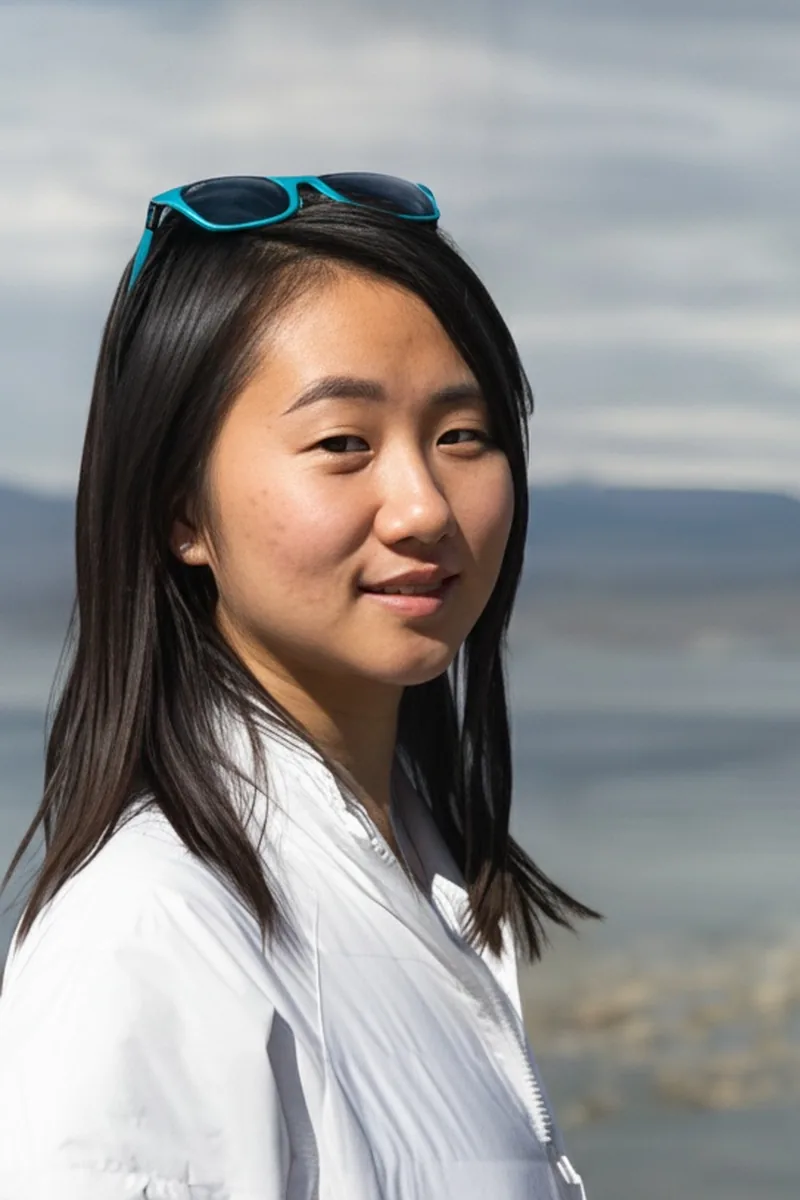
The cultural presentation component of AP Chinese Language and Culture catches many students off guard because it requires genuine knowledge of Chinese traditions, geography, and social customs — not just language proficiency. Christine grew up in Shanghai and brings firsthand cultural context to topics like festival traditions, family structures, and regional differences that students need for both the exam and the interpersonal tasks. Her native fluency means she can coach pronunciation and tonal accuracy in real time.
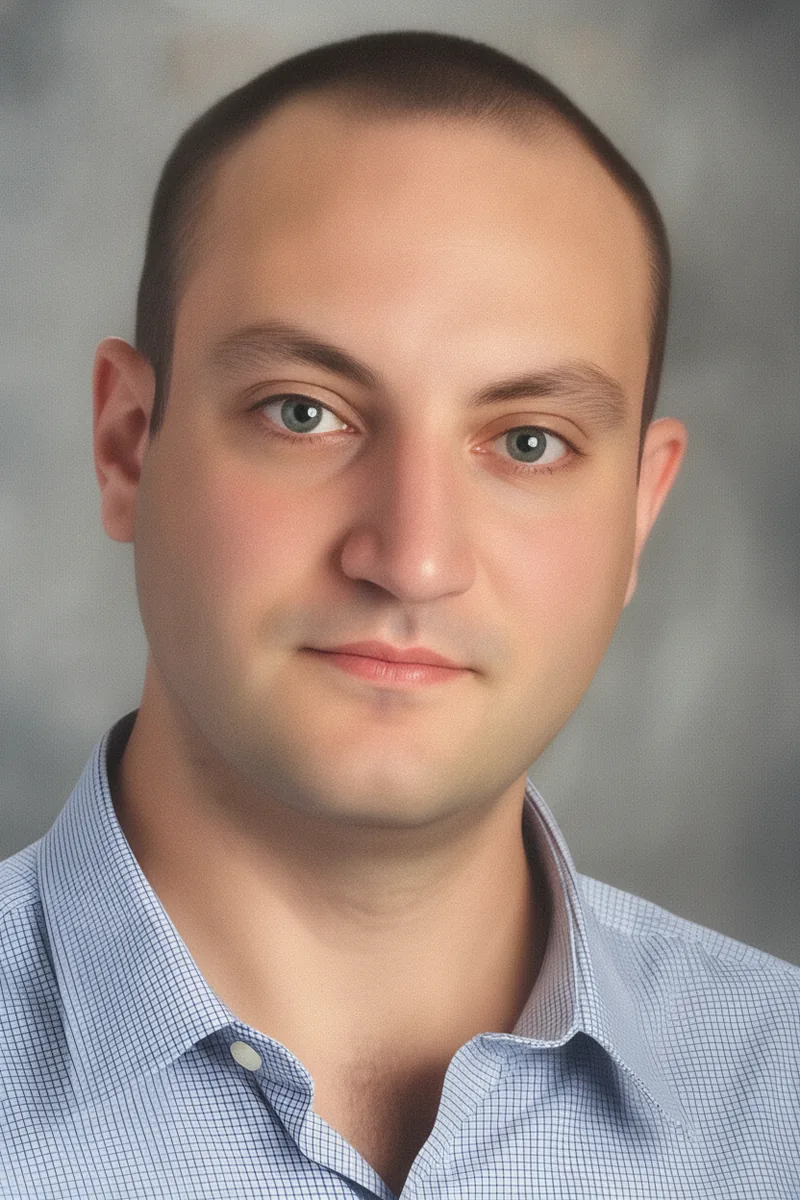
Throughout the ages, the religious and philosophical leaders of the Far East considered teaching the noblest occupation-- one of true wisdom and selflessness. Having had the great fortune to experience the transformative power of wonderful teachers, I've come to agree with this viewpointI've found my calling in education. I haven't always known that teaching was the vocation for me. Even though I've always taught, on some level, as a T.A., a private tutor, a classroom teacher, or a friend, I tried different jobs in the private sector for several years. However, upon much introspectionmy own enlightenmentI realized that teaching is my true calling. I have a passion for teaching, which is unmatched by any other field. Why do I teach? I teach because I know that I will learn something new from each teaching experience, with every student, with every day, without exception, and because this path is one that I know is beneficial to others and to society as a whole. I teach, because I believe I can do it well. I approach the job with a balance of both diligence and patience, and confidence and humility, with extreme focus and an open mind. I am very patient, which is incredibly important, because learning takes time and involves challenges. When I teach I project a sense of confidence, because as a lifelong perfectionist, I really do my homework! Before each lesson, I make sure I am thoroughly prepared so that I can teach lucidly and coherently and know how to anticipate questions and readily answer them. My confidence helps establish my authority in the classroom. I also strive to make what I teach relevant to my students' lives by drawing on my experiences as a student and teacher. I strive to be an educator like my own favorite teachersa teacher who is passionate about and has profound knowledge of his specialty, who believes in the unparalleled importance of education, and who inspires his students with his devotion.
The cultural component of AP Chinese Language and Culture trips up students who only study vocabulary lists — the exam expects nuanced comparisons between Chinese and American cultural practices, from family structures to educational values. Li connects language instruction to these cultural contexts, drawing on her own bicultural academic experience across speech science and medicine.
The AP Chinese exam's cultural comparison essays reward students who can draw on genuine cross-cultural experience — and as a Mandarin Chinese speaker studying at the University of Minnesota, Amy lives that dual perspective daily. She also teaches across multiple Mandarin levels, so she can identify gaps in a student's formal written register or listening comprehension and target those specific weaknesses before exam day.
As a fluent Mandarin speaker studying at Columbia, Zhenyi knows firsthand what it takes to operate at a high level in both English and Chinese — and the AP Chinese exam tests exactly that kind of bilingual agility. She digs into the exam's interpersonal and presentational communication tasks, coaching students on formal register, cultural comparisons, and the idiomatic phrasing that separates a 4 from a 5. Her native fluency means she can catch tonal and grammatical subtleties that non-native instructors often miss.
The cultural comparison essay on the AP Chinese Language and Culture exam trips up even strong speakers because it requires analytical writing, not just language proficiency. Julie's philosophy training at Princeton sharpens exactly that skill — breaking down a prompt, organizing a clear argument, and supporting it with specific cultural knowledge. She brings that structured thinking to every section of the exam.
Ten years teaching Mandarin in public schools — from absolute beginners through AP — means Paulkey has watched hundreds of students hit the same walls on the AP Chinese exam, especially the interpersonal response tasks where students freeze up trying to produce spontaneous, culturally appropriate Mandarin in real time. He pairs that classroom experience with a computer science background that makes his prep unusually structured: timed drills, systematic vocabulary review, and targeted practice on the listening comprehension passages that reward quick processing over perfect translation.
The AP Chinese Language and Culture exam tests far more than vocabulary — it demands cultural fluency, the ability to compare perspectives, and comfort producing spoken and written Mandarin under timed pressure. Hannah holds a master's degree in Chinese Studies and is fully fluent in reading, writing, and spoken Mandarin, so she can prepare students for every section of the exam with real cultural context behind each response.
With dual degrees in Chinese Studies — both a bachelor's and a master's — Ting brings academic depth to the interpretive reading passages on the AP Chinese exam, where students encounter literary and historical texts that go beyond conversational Mandarin. She teaches across five levels of Mandarin Chinese, so she can pinpoint exactly where a student's grammar or character recognition is falling short and address it before exam day. Rated 5.0 by students.
Wei's PhD research in language acquisition at UGA directly informs how she teaches the AP Chinese exam's trickiest section: presentational writing, where students must produce organized, culturally grounded Mandarin that reads as more than translated English. Her background teaching bilingual Chinese American children means she's skilled at diagnosing whether a student's errors stem from interference between their two languages — a distinction that changes the entire tutoring approach. Rated 5.0 by students.
Having studied French through level 4 and Mandarin Chinese across multiple levels, Noah approaches AP Chinese prep as someone who understands the mechanics of learning tonal languages from the inside — particularly the listening comprehension sections where untrained ears miss contextual shifts in rapid spoken Mandarin. His actuarial science training also lends an unusually methodical structure to exam prep, breaking the cultural comparison essays into scoreable components so students know exactly what earns points.
Fifteen years growing up in Taiwan gave James native-level Mandarin and the kind of deep cultural intuition that's hard to teach from a textbook — especially useful for the AP exam's interpersonal speaking prompts, where natural tone, register, and cultural awareness separate top scores. He also tutors across five levels of Mandarin, so he can quickly pinpoint whether a student's struggle is grammatical, vocabulary-based, or rooted in unfamiliarity with formal written Chinese. Rated 5.0 by students.
Testimonials
Because the right AP Chinese Language and Culture tutor makes all the difference.
Average Session Rating – Based on 3.4M Learner Ratings
Nearby AP Chinese Language and Culture Tutors
Other Provo Tutors
Related Languages Tutors in Provo
Frequently Asked Questions
The AP Chinese Language and Culture exam tests proficiency across interpersonal, interpretive, and presentational communication modes. You'll encounter reading comprehension, listening comprehension, written response, and speaking tasks that assess your ability to understand and produce Chinese in real-world contexts. The exam emphasizes cultural knowledge alongside language skills, so you'll need familiarity with Chinese-speaking communities and cultural practices.
AP Chinese requires sustained language acquisition—the College Board estimates roughly 600+ hours of study to reach the proficiency level tested on the exam. Unlike content-based APs, you can't cram language skills; they develop through consistent listening, speaking, reading, and writing practice over months. Many students underestimate the speaking and listening sections, which require real-time comprehension and spontaneous response without the ability to review or revise.
Varsity Tutors connects you with expert tutors who can target your specific weak areas—whether that's tonal accuracy, character recognition, or cultural context questions. A tutor can provide real-time feedback on your speaking and listening skills, help you develop efficient reading strategies for time-pressured sections, and create a personalized study schedule that builds proficiency systematically. For students in Provo attending schools across the four local districts, having individualized instruction ensures you're not held back by classroom pacing.
If you're a heritage speaker or have studied Chinese for several years, you might need 2-3 months of focused preparation. If you're learning Chinese as a new language, plan for at least a full school year of consistent study, ideally starting in the fall for a May exam. The key is regular practice—even 30-45 minutes daily is more effective than cramming, since language skills require spaced repetition and ongoing exposure to develop fluency.
Many students struggle with the listening section because they're used to reading-based instruction and haven't built sufficient listening stamina. The timed speaking response (where you have only 10 seconds to prepare before recording) causes anxiety for students who need processing time. Additionally, the cultural knowledge component catches students off guard—you need to understand contemporary Chinese culture, not just historical facts, and this requires exposure beyond textbooks.
A score of 3 or higher is considered passing and earns college credit at most universities. Most students aiming for competitive schools target a 4 or 5. With consistent effort and personalized tutoring, students typically see measurable improvement in specific sections within 4-6 weeks—especially in speaking fluency and reading speed. However, reaching a 5 usually requires sustained preparation over months, not weeks, since language proficiency can't be rushed.
Practice tests are essential for understanding the exam format and building test-taking stamina, but they serve a different purpose than in content-based APs. Rather than drilling full practice exams repeatedly, focus on targeted practice with individual sections—timed reading passages, recorded listening segments, and speaking prompts. A tutor can help you analyze which question types trip you up and develop strategies to address those patterns, then use practice materials to reinforce improvements.
Varsity Tutors connects you with tutors who have expertise in AP Chinese and understand the specific demands of the exam—including cultural knowledge, tonal accuracy, and time management strategies. When you reach out, you can discuss your current proficiency level, target score, and timeline so you get matched with someone whose experience aligns with your needs. For students in Provo, this means access to specialized instruction without geographic limitations.
Let’s find your perfect tutor
Answer a few quick questions. We’ll recommend the right plan and match you with a top 5% tutor.