Award-Winning AP English Literature and Composition Tutors
serving Greenville, SC
AP English Literature and Composition
Tutors in Greenville
Private 1-on-1 tutoring, weekly live classes for academic support, test prep & enrichment, practice tests and diagnostics, and more to elevate grades and test scores.
Based on 3.4M Learner Ratings
UniversitiesSchools & Universities
DeliveredHours Delivered
ProficiencyGrowth in Proficiency
Who needs tutoring?
No obligation. Takes ~1 minute.

I am currently pursuing a degree in Chemical Engineering and Spanish at Virginia Tech. I have a strong academic record in my fields. I enjoy sharing knowledge and helping others overcome learning challenges. Through previous tutoring, I have developed excellent communication, organization, and problem-solving skills. I am comfortable using online learning technologies and am committed to providing engaging, supportive lessons that help students reach their full potential.
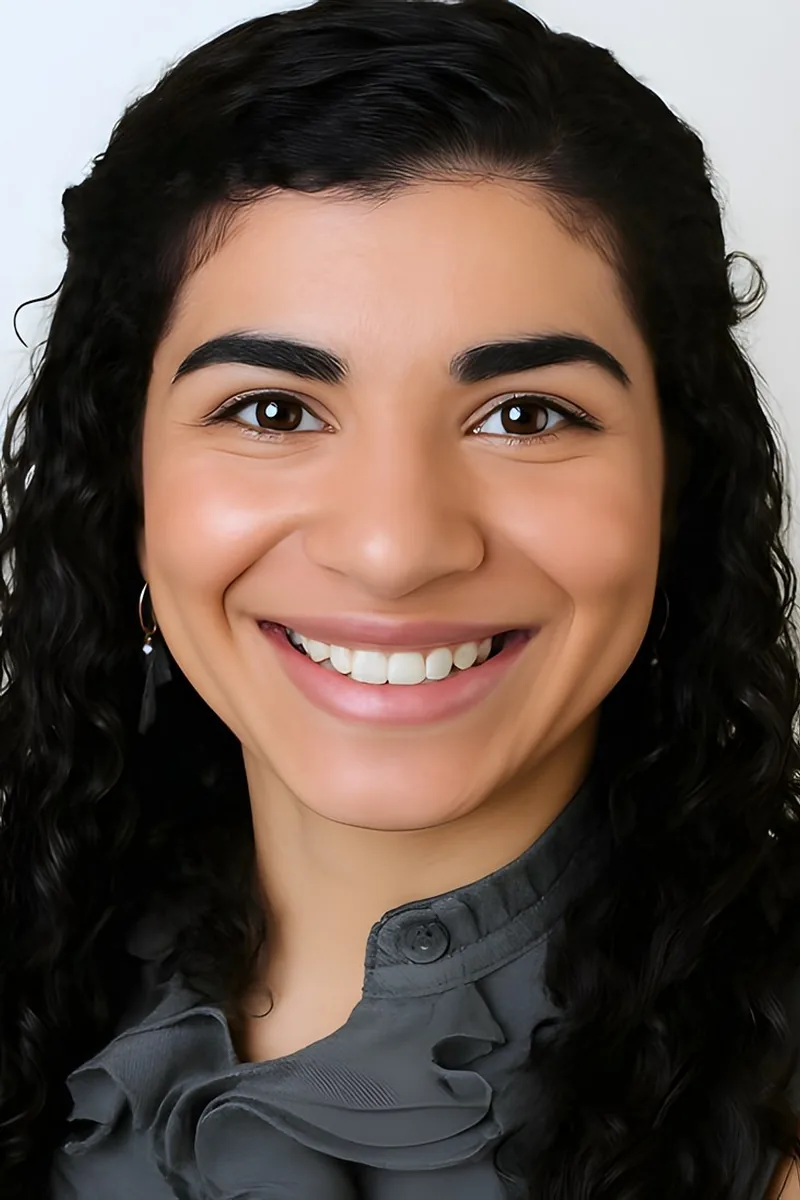
AP English Lit asks students to do something genuinely difficult: write a persuasive literary argument under timed conditions about a poem or passage they've never seen before. Paula's approach digs into close reading techniques — tracking imagery patterns, shifts in tone, narrative perspective — so that students walk into the exam knowing how to generate an original thesis on the spot. Her background in both Psychology and Communication Studies sharpens the way she unpacks character motivation and authorial intent.
AP Lit asks students to do something uncomfortable: defend an interpretation of a poem or passage they've never seen before, in forty minutes, with textual evidence. Cassandra approaches this as an analytical challenge, teaching students to identify literary devices like tone shifts and figurative language and then convert those observations into a coherent argument. Her science background actually sharpens this process — she treats close reading like hypothesis testing.
AP Lit asks students to do something most haven't practiced: build a literary argument under time pressure using only the text in front of them. Rebecca teaches close-reading strategies for poetry and prose — identifying shifts in tone, tracking imagery patterns, and constructing thesis-driven free-response essays that earn high marks.
AP Lit asks students to do something genuinely difficult: read a poem or prose passage cold and produce a polished literary argument in forty minutes. Jean's dual background in history and law sharpened her ability to construct tight, evidence-driven arguments under pressure — exactly the skill this exam rewards. She teaches students to move past plot summary and dig into how literary devices like imagery, tone shifts, and narrative structure create meaning.
AP Lit essays live or die on how well a student can connect a specific literary device — a symbol, a shift in narrative voice, an ironic reversal — to the work's larger meaning. Julie's philosophy background at Princeton trained her to construct tight, thesis-driven arguments from textual evidence, exactly the skill the exam's free-response questions demand.
AP Lit asks students to do something genuinely difficult: read a poem or prose passage cold and produce a polished analytical essay under time pressure. Merav's MFA in Theater Arts means she spent years dissecting dramatic texts for subtext, imagery, and structural choices — exactly the interpretive muscles this exam tests. She teaches students to build a thesis from a single, well-chosen literary device rather than summarizing plot.
A PhD in Religion and a bachelor's in philosophy gave Chang deep experience doing exactly what AP Lit demands: close reading of complex texts and constructing interpretive arguments under pressure. He teaches students to move beyond plot summary and build thesis-driven essays that analyze literary devices, narrative structure, and authorial intent with real textual evidence.
AP Lit's free-response questions demand more than plot summary — they require students to argue how literary devices create meaning within a specific passage. Nicole earned her English Literature degree from McGill, where close reading of poetry, drama, and prose fiction was the daily expectation. She teaches students to build essays around a controlling interpretation rather than defaulting to vague thematic statements.
AP English Literature asks students to do something genuinely difficult: read a poem or prose passage they've never seen and write a polished analytical essay in forty minutes. Amy digs into the specific skills that earn high scores — identifying literary devices like free indirect discourse or shifts in tone, then weaving those observations into a thesis-driven argument. As a college English major and lifelong reader, she knows this territory intimately.
AP English Lit lives at the intersection of close reading and persuasive writing, and Joanne has spent years sharpening both skills — first through her English degree at Santa Clara and then through graduate work at Michigan. She digs into how students construct thesis-driven essays on poetry and prose, teaching them to move from surface-level plot summary to arguments about imagery, structure, and narrative voice that earn top scores.
AP English Literature asks students to do exactly what Winnie was trained for: read a poem or prose passage cold and produce a sharp, thesis-driven essay under time constraints. Her comparative literature background means she can teach students to analyze imagery, narrative voice, and structural choices across traditions — from Victorian novels to postcolonial fiction — with the specificity the exam demands.
Teaching literature courses at UVA and the North Carolina Governor's School gave Anna a front-row seat to the exact skills AP Lit demands: reading a poem or passage cold, identifying how literary devices generate meaning, and building an argument about it under time pressure. Her dissertation on 20th-century American fiction means she's deeply familiar with the novels and movements that frequently appear on the exam. She treats literary analysis as a learnable craft, not an innate talent.
Testimonials
Because the right AP English Literature and Composition tutor makes all the difference.
Average Session Rating – Based on 3.4M Learner Ratings
Practice AP English Literature and Composition
Free practice tests, flashcards, and AI tutoring for AP English Literature and Composition
Nearby AP English Literature and Composition Tutors
Other Greenville Tutors
Related English Tutors in Greenville
Frequently Asked Questions
The AP English Literature and Composition exam tests your ability to analyze and interpret literary texts through close reading and essay writing. The exam has two sections: a multiple-choice section (55 questions in 60 minutes) covering poetry, prose, and drama, and a free-response section (3 essays in 135 minutes) where you analyze provided texts or write from your own reading. Success requires understanding literary devices, rhetorical strategies, and the ability to construct well-supported arguments about literature.
Score improvement depends on your starting point and how consistently you engage with tutoring. Most students who work with a tutor see meaningful gains—typically 2-4 points on the AP scale (1-5)—when they focus on targeted practice with essay writing and close reading strategies. The key is identifying your specific weaknesses, whether that's analyzing poetry, managing essay timing, or understanding complex prose passages, and addressing them systematically over several months.
Students often struggle most with time management during the free-response essays—crafting three well-developed essays in 2 hours and 15 minutes is demanding. Many also find it challenging to move beyond surface-level analysis to identify deeper literary meaning and support claims with specific textual evidence. Additionally, the multiple-choice section requires quick, accurate analysis of unfamiliar texts, which can be intimidating without practice and strategic reading techniques.
Varsity Tutors connects you with expert tutors who tailor instruction to your needs—whether you're building foundational close-reading skills, perfecting essay structure, or refining your test-taking strategy. A typical tutoring plan includes analyzing practice passages together, writing and reviewing essays with detailed feedback, studying specific literary devices and rhetorical strategies, and taking full-length practice exams to build stamina and identify remaining weak areas. Your tutor will help you develop a personalized study schedule leading up to test day.
The three essays require different approaches: the poetry analysis, prose analysis, and open-ended prompt each demand careful planning before writing. Successful students spend 2-3 minutes analyzing the prompt and planning their argument, then 30-35 minutes writing each essay with a clear thesis, topic sentences, and specific textual evidence. Many students benefit from learning a consistent essay template that ensures they hit all the rubric requirements—strong argument, relevant evidence, and clear analysis—even under time pressure.
Multiple-choice success comes from developing efficient close-reading strategies and practicing with real AP passages. Many students rush through passages without annotating key details, then second-guess themselves on answer choices. A tutor can teach you how to identify the main idea and tone quickly, mark important literary devices as you read, and use process-of-elimination effectively to narrow down answer choices. Regular practice with timed passages helps you build both accuracy and speed.
Ideally, students benefit most from starting tutoring 3-4 months before the May exam, which allows time to build strong close-reading habits, write and refine multiple essays, and take several full-length practice tests. However, even 6-8 weeks of focused tutoring can help if you're already familiar with the material and mainly need to refine your essay writing and test-taking strategy. Starting earlier gives you more flexibility to address gaps and build confidence gradually.
Varsity Tutors connects you with expert tutors in Greenville who specialize in AP English Literature and Composition. When you reach out, you'll be matched with a tutor whose expertise and teaching style fit your needs—whether you prefer someone who focuses heavily on essay technique, test-taking strategy, or literary analysis. You can discuss your goals, current challenges, and preferred meeting schedule to ensure a good fit from the start.
Let’s find your perfect tutor
Answer a few quick questions. We’ll recommend the right plan and match you with a top 5% tutor.