Award-Winning Special Education Tutors
serving Charleston, SC
Special Education
Tutors in Charleston
Private 1-on-1 tutoring, weekly live classes for academic support, test prep & enrichment, practice tests and diagnostics, and more to elevate grades and test scores.
Based on 3.4M Learner Ratings
UniversitiesSchools & Universities
DeliveredHours Delivered
ProficiencyGrowth in Proficiency
Who needs tutoring?
No obligation. Takes ~1 minute.
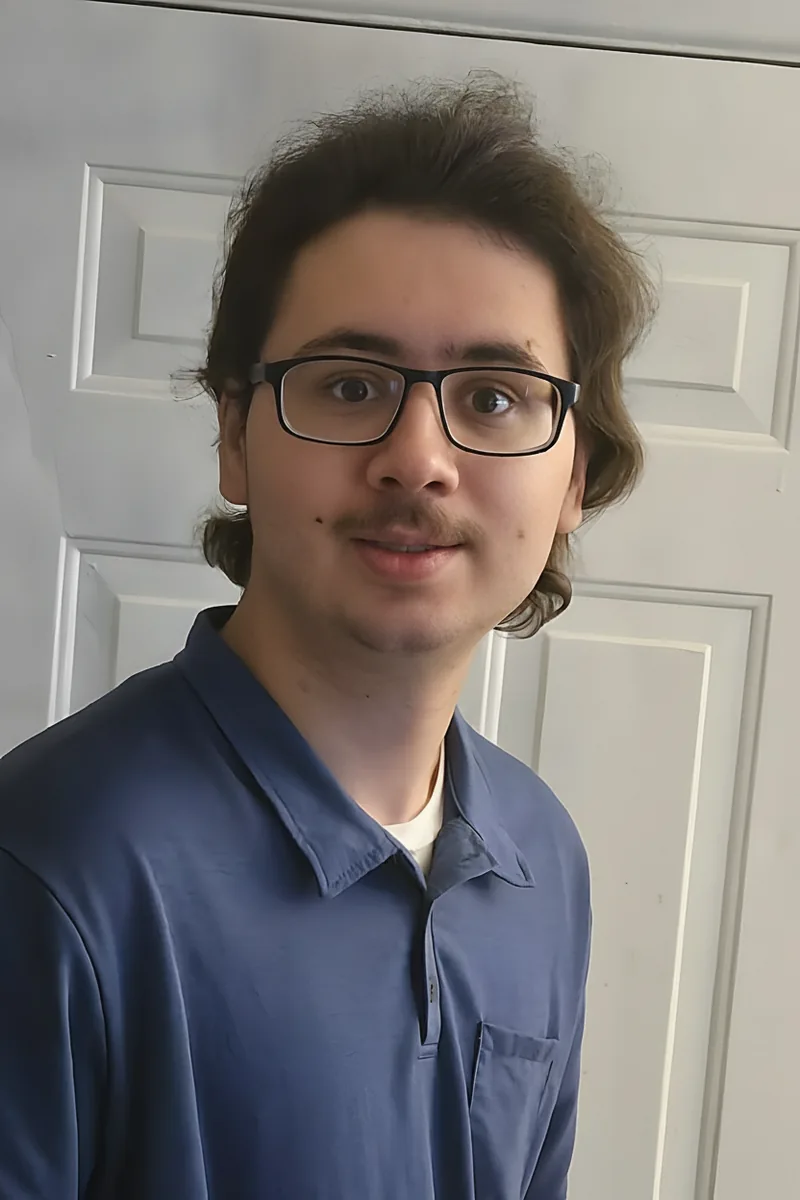
I've helped several hundred students in a wide variety of subjects, from executive functioning to computer science to standardized testing. I also help students with general support in math and English. Most of my students are around 9-17, but I work well with students who are older and a little younger as well. I also work very well with students who have specific obstacles or requirements, such as neurodiversity support or schedules that change a lot. Most of my background is in computer science, from my college major to my experience hands-on over the past 10 years. Regardless of the subject, I believe every student's needs are unique and every student is able to achieve great things with the right preparation and support. My number one goal is to provide that whenever I can, both to the student and to their parents. I communicate with parents outside of sessions a lot to establish their expectations, better understand students, and recommend ways they can directly support their children in their journey as well.
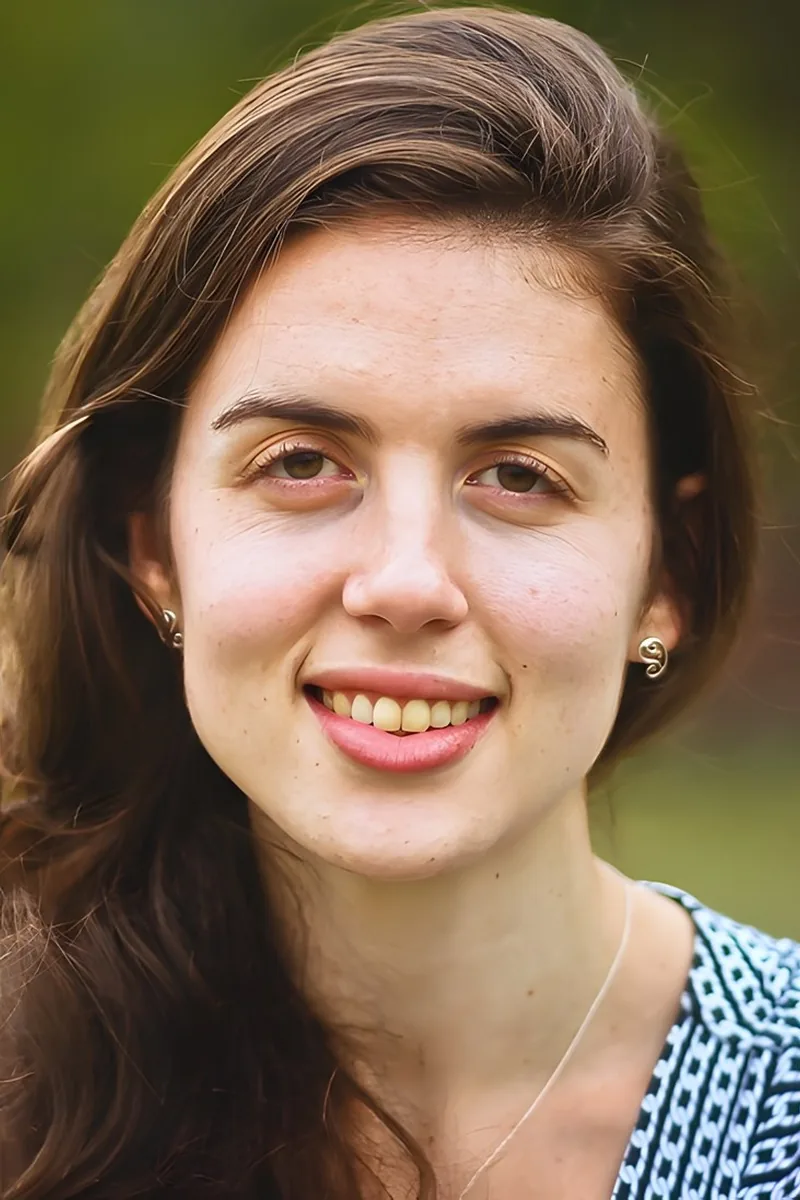
Alison spent six years teaching diverse learners in Brooklyn public schools, including students with IEPs and varied learning profiles, so she knows how to adapt pacing, instructions, and materials on the fly. She pairs that classroom experience with formal mindfulness training, which gives her concrete strategies for students dealing with attention challenges, test anxiety, or sensory overwhelm. The goal is always building independence — not just getting through tonight's homework.
James holds a Master's in Education and brings deep experience adapting lessons for students with diverse learning needs, whether that means restructuring a math problem into smaller visual steps or reframing a reading assignment to reduce cognitive overload. He identifies where a student feels confident and builds outward from that anchor point. His 5.0 rating speaks to the trust and patience he brings to every session.
Loretta holds a degree in Special Education alongside her math and secondary education credentials, which means she understands IEP goals, learning accommodations, and differentiated instruction from the inside out. She breaks concepts into manageable steps and adapts her pacing to each student's processing style — whether that means using visual models for abstract ideas or building in structured repetition. Her background practicing law also sharpens her ability to advocate for students navigating the special education system.
As a practicing Special Education Social Worker in Minneapolis, Emily understands IEPs, accommodations, and learning differences from the inside — not just as theory. She adapts her approach to each student's specific needs, whether that means breaking reading passages into smaller chunks, using visual supports for math, or building executive functioning skills like task initiation and self-monitoring.
Twelve years of combined elementary and special education classroom experience give Elizabeth a deep understanding of how learning differences like dyslexia, ADHD, and processing disorders actually show up in day-to-day schoolwork. Now working as an Educational Diagnostician, she identifies where a student's learning profile creates specific barriers and adapts instruction accordingly — adjusting pacing, breaking multi-step tasks into manageable pieces, and choosing strategies matched to how each learner processes information.
Every learner absorbs material differently, and Daniel's experience tutoring students from pre-K through 12th grade has given him a practical toolkit for adapting explanations on the fly. He breaks concepts into smaller, more concrete steps and uses real-world examples — from superhero storylines to song lyrics — to make abstract ideas tangible. His goal is always to build a student's confidence in finding answers independently, not just following instructions.
Occupational therapy is fundamentally about adapting tasks so people can succeed despite neurological, developmental, or learning differences — and that's the perspective Alex brings to tutoring. Currently in Washington University's OT Doctorate program with a neuroscience background, Alex understands how conditions like ADHD, dyslexia, and sensory processing challenges affect learning and tailors strategies accordingly, from breaking assignments into smaller steps to using multisensory approaches for retention.
A PhD in neuroscience means Elliot understands learning differences at the biological level — how attention, working memory, and processing speed vary across brains and what that means for instruction. He explicitly welcomes learners on the spectrum and tailors pacing, scaffolding, and sensory considerations to each student rather than defaulting to one-size-fits-all methods. His 5.0 rating speaks to that individualized care.
Mati brings both professional and personal insight to special education — her doctoral work centered on learning disabilities, and as a mother of two children with dyslexia, she's navigated IEP meetings, accommodation plans, and reading interventions from every side of the table. She teaches strategies for decoding, multisensory learning, and self-advocacy that address the specific barriers a student faces. Rated 5.0 by students.
Clinical psychology training fundamentally changes how you understand a struggling learner — Danny's PhD work gives him insight into the cognitive, emotional, and behavioral dimensions that shape how students with learning differences engage with academic material. He draws on formal counseling psychology methods to identify what's actually getting in the way, then adapts instruction accordingly, whether the barrier is processing speed, attention, anxiety around schoolwork, or something else entirely. Rated 5.0 by families.
I am a graduate of UC San Diego with a Bachelors in Neuroscience through the Psychology department. After graduating, I went to Michigan Technological University and did some graduate work, before moving to Texas to be closer to my parents. I did my alternative certification program through Texas Teachers and am highly qualified to teach Science for grades 7-12. I have been a teacher in public and charter schools for the last four years, and have tutoring experience extending over ten years behind me as well.
Theresa adapts her teaching pace, format, and explanations to match how each learner actually processes information, whether that means visual organizers for reading comprehension or step-by-step scaffolding in math. Her range across subjects — from writing to algebra to study skills — means she can meet a student's needs without constantly switching tutors.
Testimonials
Because the right Special Education tutor makes all the difference.
Average Session Rating – Based on 3.4M Learner Ratings
Nearby Special Education Tutors
Other Charleston Tutors
Related Learning Differences Tutors in Charleston
Frequently Asked Questions
Special education tutoring provides personalized 1-on-1 instruction tailored to each student's unique learning needs, whether they have an IEP (Individualized Education Program), 504 plan, or specific learning differences. Tutors work with students on academic skills, executive functioning, social-emotional learning, and self-advocacy—all customized to support their goals and learning style. For students in Charleston, this means instruction that complements what's happening in the classroom while addressing individual challenges.
Varsity Tutors connects you with tutors who understand IEP and 504 accommodations and can reinforce the goals outlined in your child's plan. Before starting, you can share your child's documentation so tutors know which areas to focus on—whether that's reading comprehension, math problem-solving, organization skills, or test-taking strategies. This personalized approach ensures tutoring directly supports your child's documented needs and school-based goals.
Students often struggle with foundational skills like reading fluency, math computation, or written expression; executive functioning challenges such as organization and time management; and keeping up with grade-level content when learning differences slow processing speed. Many also face social-emotional challenges or difficulty advocating for themselves. Personalized tutoring addresses these specific barriers one-on-one, allowing students to build confidence and master skills at their own pace without the pressure of a classroom setting.
In a classroom of 13-14 students per teacher (Charleston's average), it's difficult for teachers to customize instruction for every learning style and pace. Personalized 1-on-1 tutoring removes distractions, allows tutors to adjust explanations in real time, and gives students space to ask questions without self-consciousness. Tutors can also use multi-sensory approaches, break concepts into smaller steps, and provide immediate feedback—all proven strategies that help students with learning differences retain information and build skills faster.
Tutors work on academic skills (reading, writing, math), executive functioning (planning, organizing, time management), study strategies, test-taking skills, and self-advocacy. They also help students build confidence and resilience by celebrating progress and creating a low-pressure learning environment. The focus is always on measurable improvement—whether that's increasing reading fluency, improving test scores, or mastering a specific math concept your child has struggled with.
Varsity Tutors connects you with tutors who have experience working with students who have learning differences, ADHD, autism, dyslexia, and other special needs. When you reach out, share details about your child's diagnosis, IEP goals, and specific challenges so we can match you with someone who has relevant expertise and teaching experience. This personalized matching ensures your child works with a tutor who understands their needs and knows effective strategies to help them succeed.
The first session is typically an assessment and relationship-building time. The tutor will learn about your child's learning style, strengths, challenges, and goals—and your child gets to know their tutor in a low-pressure environment. They might work on a skill or concept to see where your child is at, but the main focus is understanding your child's needs so the tutor can create a personalized plan. This foundation helps tutoring be effective from session two onward.
Progress looks different for every student—it might be improved reading fluency scores, better grades on math tests, completing assignments more independently, or increased confidence in class participation. Tutors track progress through regular assessments, work samples, and feedback from you and your child's school. You'll see concrete evidence of growth, whether that's skill mastery, improved academic performance, or your child feeling more capable and confident in their learning.
Let’s find your perfect tutor
Answer a few quick questions. We’ll recommend the right plan and match you with a top 5% tutor.