Award-Winning English Tutors
serving Charleston, SC
English
Tutors in Charleston
Private 1-on-1 tutoring, weekly live classes for academic support, test prep & enrichment, practice tests and diagnostics, and more to elevate grades and test scores.
Based on 3.4M Learner Ratings
UniversitiesSchools & Universities
DeliveredHours Delivered
ProficiencyGrowth in Proficiency
Who needs tutoring?
No obligation. Takes ~1 minute.
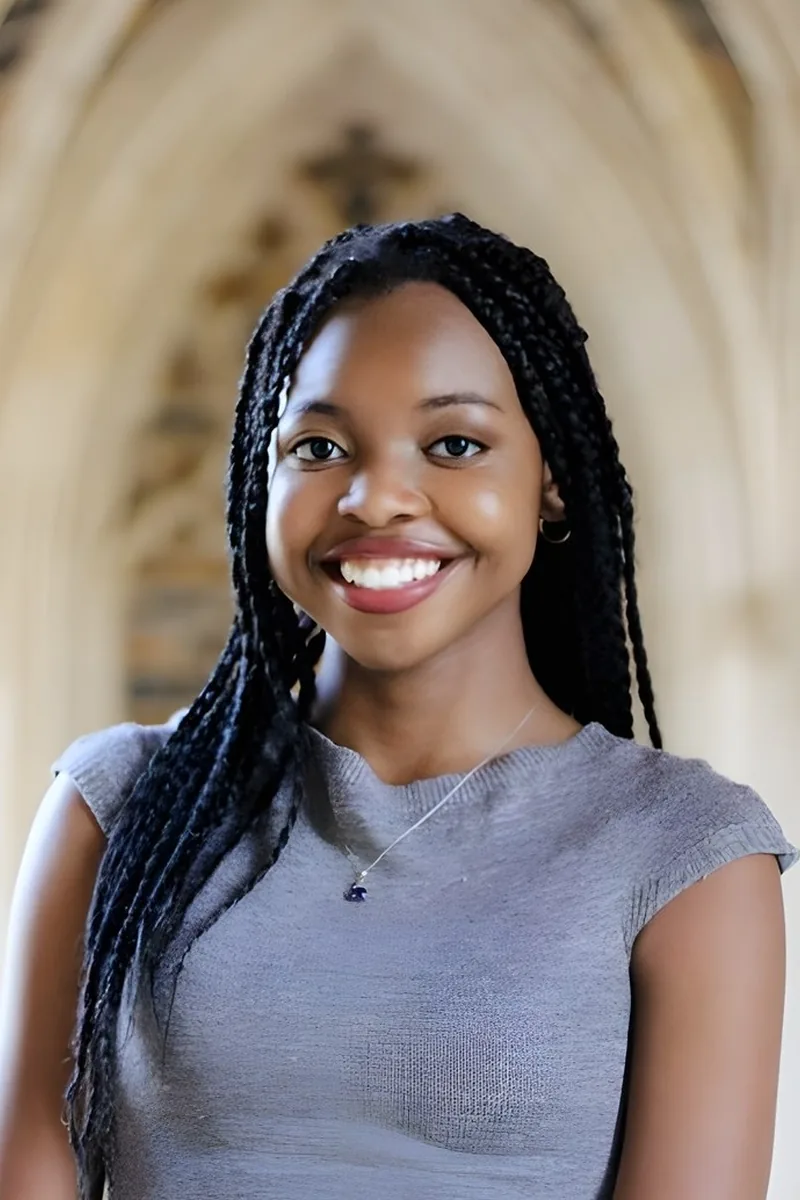
From personal statements for medical school to K-10 art education, Lenique has spent years teaching people to express ideas clearly — a skill that sits at the heart of every English classroom. She tackles reading comprehension by showing students how to pull apart an author's argument, and strengthens writing by walking through structure and evidence one paragraph at a time.
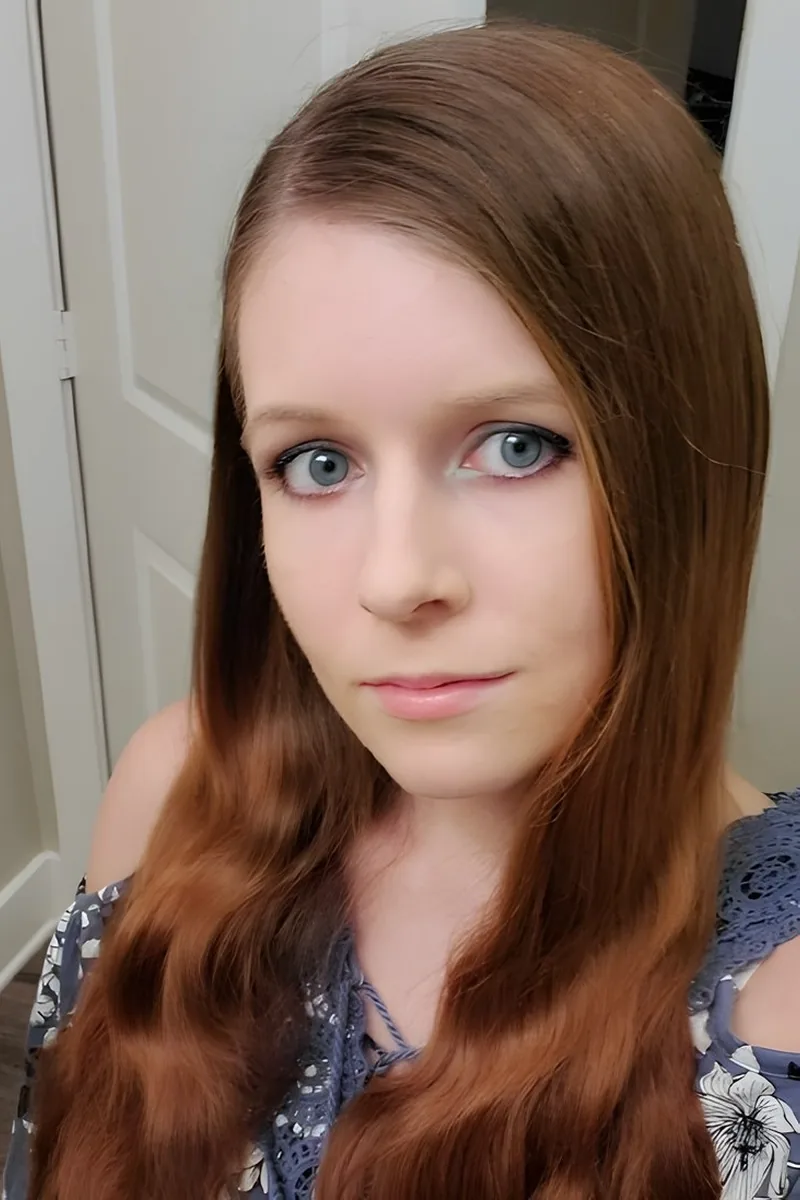
Between her chemistry coursework and her Spanish minor at UGA, Katheryn spent college reading and writing across disciplines — analytical essays, research summaries, literary analysis. She approaches English by connecting reading comprehension to clear, structured writing, walking students through how to build an argument from a thesis statement to supporting evidence. Rated 4.8 by students.
Strong English skills come down to two things: reading critically and writing clearly. Rachael tackles both by teaching students to identify an author's argument or purpose first, then use that analysis as fuel for their own structured essays. Her background in scientific writing — where every sentence needs to be exact — gives her a useful lens for cutting filler and strengthening thesis statements.
Reading widely across biology, psychology, and the humanities gave David an unusual lens for English — he treats every text as an argument to be dissected, whether it's a novel's use of symbolism or an essay's rhetorical structure. He's especially sharp at teaching students how to build thesis statements and weave textual evidence into analytical paragraphs. Rated 5.0 by students.
Reading comprehension and analytical writing reinforce each other, and Kelly leans into that connection when teaching English. She walks students through how to annotate a passage for argument structure — not just plot — and then turn those annotations into clear, evidence-driven paragraphs. Her teaching spans middle school through college-level coursework, so she adjusts complexity to match exactly where a student is.
Engineering coursework demands precise, structured writing — and Janay applies that same clarity to breaking down English concepts like thesis development, grammar mechanics, and essay organization. She's tutored peers through college study groups and knows how to pinpoint where an argument loses focus or where sentence structure gets tangled. Her experience with college essays and literature analysis gives her a practical toolkit for students working on everything from reading comprehension to polished final drafts.
Between SAT Reading, ACT English, college essays, and literature, Saad has spent years working across every corner of English — from close-reading arguments in nonfiction passages to tightening thesis statements in student writing. His engineering mindset means he teaches essay structure and textual analysis with unusual precision, showing students exactly where an argument gains or loses its power.
Math majors aren't the first people you'd expect to tutor English, but Garrick's experience with college essays and essay editing means he knows how to build a logical argument on the page — structuring a thesis, sequencing evidence, and cutting the filler that weakens a point. That same precision he brings to proofs carries over when he's walking through grammar mechanics or tightening a draft's clarity.
I am currently a Senior at Florida Atlantic University, pursuing a Bachelor of Arts in English with honors. I have gained valuable experience teaching a diverse range of subjects. I have had the opportunity to teach writing, reading, critical thinking, and beginner's Spanish to students from grade 6 through undergraduate college. This experience has honed my communication and instructional skills, allowing me to engage with students of various age groups and learning styles. I am excited to continue applying my skills and interests as a tutor because I planning to pursue my PhD in literature after graduating with the goal to become a professor. I am committed to contributing meaningfully to the fields of literature, education, and language.
I am currently pursuing a degree in Chemical Engineering and Spanish at Virginia Tech. I have a strong academic record in my fields. I enjoy sharing knowledge and helping others overcome learning challenges. Through previous tutoring, I have developed excellent communication, organization, and problem-solving skills. I am comfortable using online learning technologies and am committed to providing engaging, supportive lessons that help students reach their full potential.
I've helped several hundred students in a wide variety of subjects, from executive functioning to computer science to standardized testing. I also help students with general support in math and English. Most of my students are around 9-17, but I work well with students who are older and a little younger as well. I also work very well with students who have specific obstacles or requirements, such as neurodiversity support or schedules that change a lot. Most of my background is in computer science, from my college major to my experience hands-on over the past 10 years. Regardless of the subject, I believe every student's needs are unique and every student is able to achieve great things with the right preparation and support. My number one goal is to provide that whenever I can, both to the student and to their parents. I communicate with parents outside of sessions a lot to establish their expectations, better understand students, and recommend ways they can directly support their children in their journey as well.
Years of scientific and musical writing have given Rachelle a sharp eye for structure, clarity, and argument — skills she applies when tutoring English. She teaches students to organize essays around a clear thesis, choose evidence that actually supports their claims, and revise sentences for precision rather than just length.
Most English tutoring boils down to two things: understanding what you read and saying what you mean in writing. Asta's background at the University of Chicago, where analytical writing was woven into every political science seminar, means she can walk students through close reading, thesis development, and evidence-based argumentation with real precision. Rated 5.0 by students.
Running a tutoring program at a charter school meant Liz saw every kind of English learner — the reluctant reader, the student who could discuss a novel but froze during essays, the kid who needed phonics reinforcement alongside literary analysis. Her master's in special education sharpened her ability to adapt reading and writing instruction on the fly, matching the approach to how each student actually learns.
Between reading classics for pleasure and writing across multiple disciplines at Harvard, Christopher brings genuine enthusiasm to English that students pick up on quickly. He digs into thesis construction, close reading, and evidence integration — the skills that separate a B essay from an A — rather than vague advice about "being more descriptive." Rated 4.8 by his students.
College essays, literary analysis, and close reading all require the same core skill: making a clear argument backed by specific evidence. James sharpened this through years of writing lab reports and analytical papers at Harvard, and he now applies that structured thinking to help students craft sharper thesis statements and more persuasive prose. His 4.9 rating speaks to how well that analytical approach translates.
Reading closely and writing clearly are skills David sharpened through Stanford's cognitive science program, where every paper required synthesizing research across disciplines into a coherent argument. He tackles English by connecting analytical reading — identifying tone, structure, and authorial intent — directly to the writing process, so students see how strong readers become stronger writers.
Between his senior thesis at Harvard, his SAT Writing coaching, and his background in American literature, Henry brings a deep well of reading and writing experience to English tutoring. He's especially strong at teaching students how to build a thesis from a close reading — pulling specific textual evidence and weaving it into an argument that actually says something, rather than summarizing the plot.
Between literature coursework, college essay coaching, and extensive technical writing, Zosia engages with English from multiple angles — close reading, argument construction, and revision craft. She's particularly effective at teaching students how to build a thesis that does real analytical work and then support it with textual evidence that goes beyond surface-level summary. Her writing-intensive Yale education gave her the tools to break down both fiction and nonfiction with precision.
Tom's PhD in American Studies meant years of wrestling with dense literary and historical texts, then turning that analysis into precise, compelling academic prose. He teaches English by zeroing in on the specific skill a student is missing — whether that's grammar mechanics, integrating quotations, or structuring a comparative essay — rather than running through a generic checklist. Rated 4.9 by students.
Strong English skills — close reading, thesis construction, evidence integration — are exactly what medical school admissions essays and MCAT verbal sections demanded of Sydny throughout her premed and medical training. She breaks down reading passages by teaching students to identify an author's argument before worrying about style, then builds that analytical habit into their own writing. Her background in psychology also sharpens her approach to interpreting character motivation and narrative voice in literature.
Nina's Northwestern liberal arts education required extensive essay writing, close reading, and literary analysis alongside her science coursework. She's particularly strong at teaching thesis development and paragraph-level organization — showing students how to move from a vague reaction to a text into a specific, well-supported argument.
Engineering majors don't usually come to mind for English tutoring, but Phillip's experience crafting college essays and editing academic writing at Brown sharpened his ability to break down sentence structure, argumentation, and grammar in ways that click for analytically minded students. Rated 5.0 by students, he's especially effective at teaching thesis development and evidence integration for literary analysis essays.
Most people don't expect an engineer to be strong in English, but Jai's 1590 SAT reflects serious reading comprehension and writing ability alongside his quantitative skills. He teaches essay structure and close reading with the same logical precision he applies to code — identifying a thesis, mapping an argument's evidence, and spotting where reasoning breaks down. Students preparing for AP English, college essays, or standardized-test passages get a tutor who treats writing as a craft with learnable mechanics.
Testimonials
Because the right English tutor makes all the difference.
Average Session Rating – Based on 3.4M Learner Ratings
Nearby English Tutors
Other Charleston Tutors
Related English Tutors in Charleston
Frequently Asked Questions
Many Charleston students struggle with reading comprehension, essay writing, and grammar mechanics—challenges that are common across South Carolina schools. With an average student-teacher ratio of 13.9:1 in Charleston classrooms, students often don't get individualized feedback on their writing or targeted help with specific skills like thesis development, citation formatting, or literary analysis. Personalized tutoring addresses these gaps by focusing on the exact areas where a student needs support, whether that's building confidence with complex texts or mastering the writing process.
In a classroom setting, teachers must pace instruction for 20+ students with varying needs, which means some students move too quickly while others fall behind. Personalized 1-on-1 instruction allows tutors to adapt their teaching style, pacing, and materials to match each student's learning preferences and goals. Whether a student needs to strengthen foundational reading skills, prepare for AP Literature, or develop a stronger voice in their writing, a tutor can create a customized plan that focuses entirely on that student's growth.
Tutors working with Charleston students are familiar with South Carolina College and Career Readiness Standards for English Language Arts, which emphasize critical reading, analytical writing, and communication skills across grade levels. Whether your student is working on elementary reading fluency, middle school essay structure, or high school literary analysis, tutors can align their instruction with grade-level expectations and help students master the specific skills they need to succeed in their current coursework and standardized assessments.
Strong writing requires ongoing feedback and practice—two things personalized tutoring provides consistently. Tutors work with students through the entire writing process: brainstorming ideas, organizing thoughts, drafting, revising, and editing. They provide specific, actionable feedback on elements like thesis clarity, paragraph structure, evidence use, and voice, helping students understand not just what to fix but why it matters. Over time, students internalize these skills and become more confident, independent writers.
Yes. Many students struggle not with reading itself but with understanding what they've read and analyzing text deeply. Tutors teach evidence-based strategies for active reading, annotation, and comprehension—skills that transfer across all subjects. For students tackling challenging texts in AP Literature, honors English, or standardized test prep, personalized instruction helps them develop the analytical tools to understand character motivation, theme, symbolism, and author's purpose with confidence.
Yes. Varsity Tutors connects students with tutors who specialize in SAT and ACT reading and writing sections, as well as AP English Language and AP English Literature exams. Test prep tutoring focuses on both content knowledge and test-specific strategies—like time management, question types, and essay approaches. Tutors can identify a student's specific weak areas and create a targeted prep plan that builds skills and confidence leading up to test day.
The first session is about getting to know your student and understanding their goals. A tutor will assess current skill level, identify specific challenges, and learn about learning preferences and interests. They'll discuss what success looks like—whether that's improving grades, preparing for a test, building confidence, or developing a particular skill like essay writing. From there, the tutor creates a personalized plan and begins instruction tailored to your student's needs.
Varsity Tutors connects you with expert tutors in Charleston who match your student's needs, schedule, and learning style. You can specify what you're looking for—whether it's help with a specific grade level, writing skills, test prep, or literary analysis—and we'll match your student with a tutor who has the right expertise. The process is straightforward, and you can start personalized instruction on a schedule that works for your family.
Let’s find your perfect tutor
Answer a few quick questions. We’ll recommend the right plan and match you with a top 5% tutor.