Award-Winning Mandarin Chinese Tutors
serving Portland, OR
Mandarin Chinese
Tutors in Portland
Private 1-on-1 tutoring, weekly live classes for academic support, test prep & enrichment, practice tests and diagnostics, and more to elevate grades and test scores.
Based on 3.4M Learner Ratings
UniversitiesSchools & Universities
DeliveredHours Delivered
ProficiencyGrowth in Proficiency
Who needs tutoring?
No obligation. Takes ~1 minute.
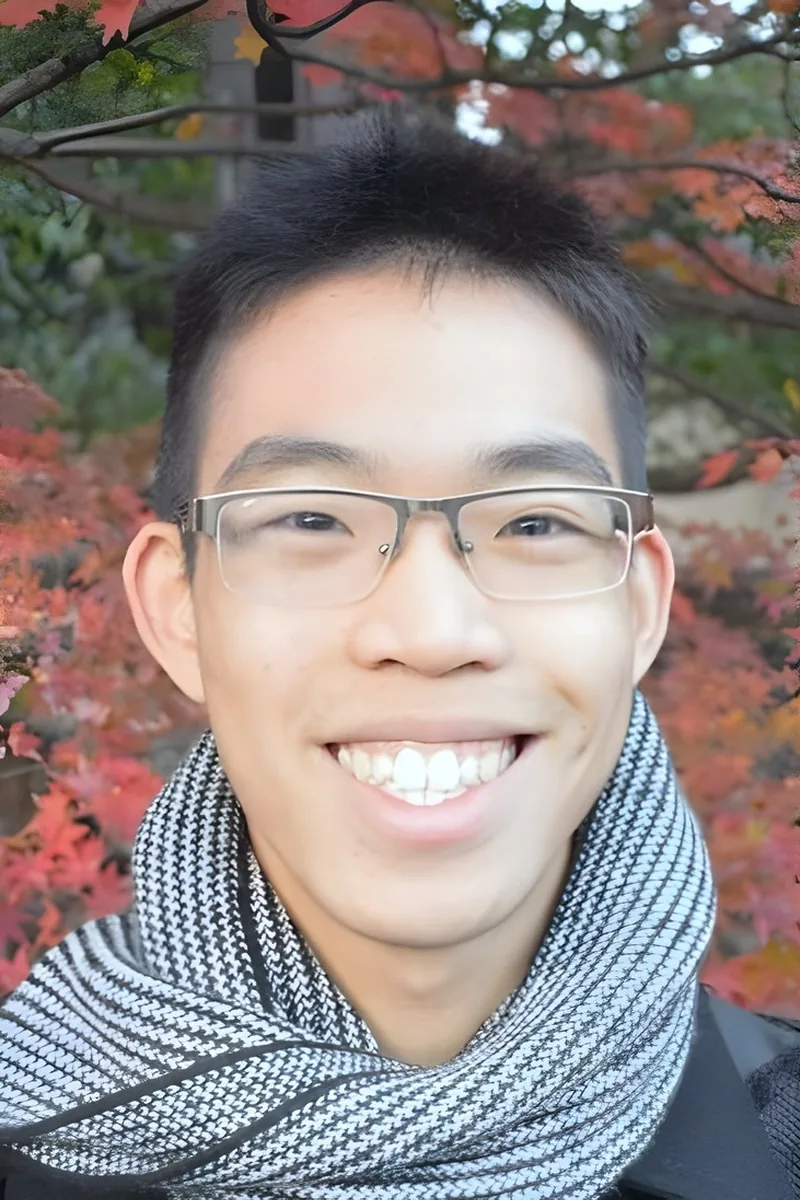
Learning Mandarin means juggling tones, characters, and a grammar system that works nothing like English — all at once. Andrew studied Asian languages and cultures at the university level and creates a low-pressure environment where students practice reading, writing, and speaking from day one, whether they're tackling pinyin basics or working through classical text excerpts.
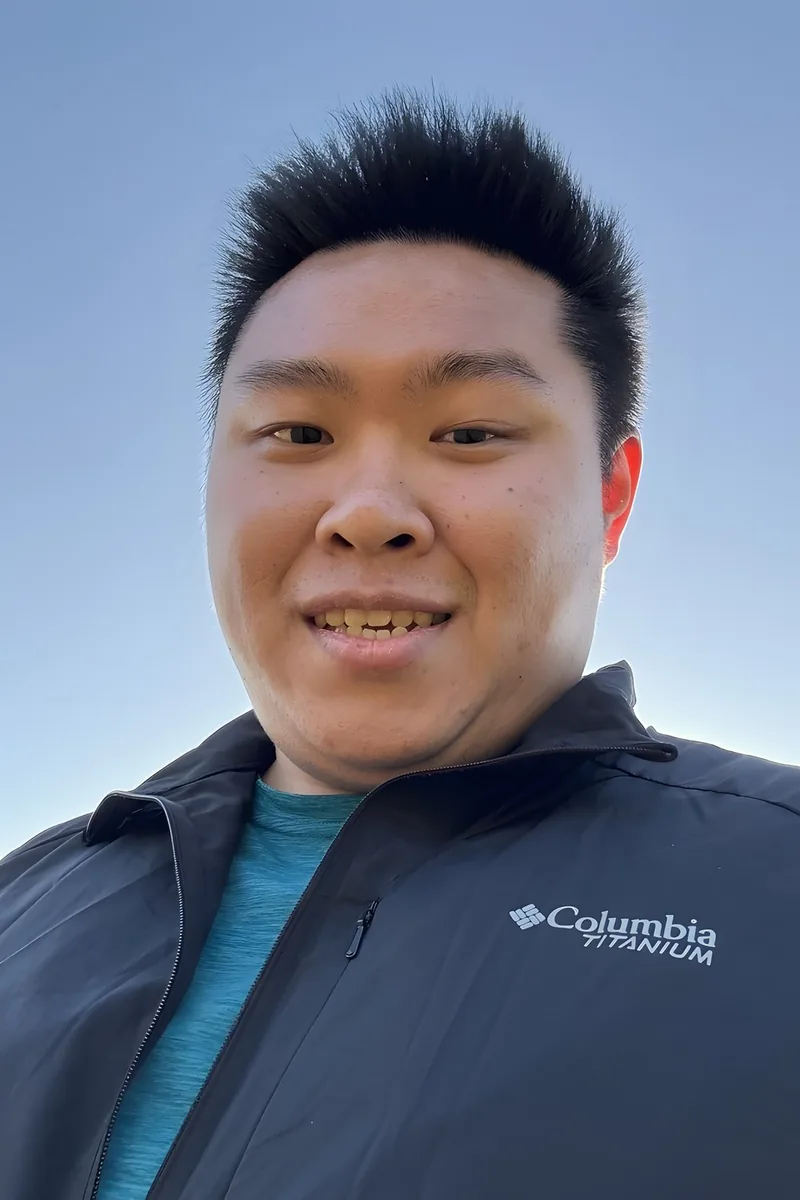
Born in Indonesia and having studied in China, I now reside in the beautiful Pacific Northwest as a father of two. With a Bachelor of Science in Mechanical Engineering from Shanghai Jiao Tong University, I currently work as a software developer for an EdTech startup. My passion for STEM and world languages being a native Mandarin speaker, fluent in Bahasa Indonesia, and conversational in French enhances my teaching approach. With over 5 years of teaching experience, particularly in Mathematics, I focus on fostering a growth mindset in my students. I believe in cultivating an environment where improvement is prioritized over arbitrary scores, and I am excited to support students with diverse learning goals.
I am a full time college professor teaching Mathematics and engineering courses.
Learning Mandarin Chinese means tackling tones, character writing, and sentence structures that have almost nothing in common with English — which is exactly why the right teaching approach matters so much. Kama adjusts explanations based on how each student learns, whether that means drilling pinyin pronunciation, breaking down radical components in characters, or practicing grammar patterns through conversation. The flexibility keeps students from hitting the wall that makes so many quit early.
Cindy is a heritage Mandarin speaker who also passed the SAT Subject Test in Chinese with Listening, giving her both native fluency and an understanding of how the language looks from a learner's perspective. She tackles everything from tone drilling and character stroke order to reading comprehension of longer passages, adjusting her approach based on whether a student is building from scratch or refining existing skills.
Connie is a Chinese language major at Dartmouth, which means she's tackled everything from character stroke order and tonal pronunciation to classical grammar structures and formal essay composition. That academic depth lets her explain the logic behind Mandarin's grammar and writing system instead of relying on rote memorization. Whether a student is working through radicals or sentence patterns, she connects each piece to the bigger linguistic picture.
Kelly teaches Mandarin through all four levels, breaking down tonal pronunciation, character stroke order, and sentence structure in ways that build real fluency. Her approach connects vocabulary to practical contexts — ordering food, navigating directions, discussing current events — so grammar patterns stick through use rather than rote drills. Rated 5.0 by students.
Learning Mandarin means tackling tonal pronunciation, character writing, and a grammar system that works nothing like English — all at once. Evelyn speaks Mandarin natively and teaches students to internalize tones and sentence patterns rather than just memorize vocabulary lists. She understands the specific stumbling blocks English speakers face with Mandarin because she navigated the reverse journey herself.
JF grew up speaking Mandarin at home and tested that fluency on the SAT Subject Test in Chinese with Listening. He brings a native speaker's intuition for natural phrasing and colloquial usage, which means he can explain why certain word orders sound right to Chinese ears — something textbooks rarely cover well. Rated 5.0 by students.
Caroline majored in Chinese at Notre Dame, building fluency across reading, writing, and spoken Mandarin over four years of intensive study. She breaks down tonal pronunciation, character stroke order, and sentence structure (like the placement of time words before verbs) in ways that make the language's logic click for newer learners. Rated 5.0 by students.
As a Mandarin speaker comfortable with both conversational and academic Chinese, Jennifer teaches tonal pronunciation, character recognition, and sentence structure in a way that builds practical fluency. She connects new vocabulary to real contexts — ordering food, describing daily routines, reading simple news articles — so the language sticks beyond flashcard drills.
As a native Shanghai speaker and ICA-certified Mandarin instructor with formal accreditation in teaching Chinese as a foreign language, Angela tackles everything from tonal pronunciation and stroke-order writing to classical grammar structures. She designs lessons around how English speakers actually struggle with Mandarin — distinguishing tones, parsing measure words, and building sentence patterns that don't map neatly onto English syntax.
Learning Mandarin from a linguist is a different experience than learning it from someone who simply speaks it. Wei's research in language acquisition means she understands exactly why tonal distinctions trip up English speakers, how to build character recognition systematically, and when to push conversational fluency versus grammatical accuracy. Her 5.0 rating speaks to how well that approach works.
Mandarin's tonal system and character-based writing can feel overwhelming without someone who knows how to sequence the learning. Cynthia teaches through all four levels of Mandarin and unpacks tricky concepts like tone pairs, radical recognition, and measure words in ways that build genuine reading and speaking ability.
Yan is a Chinese language tutor who brings both native fluency and formal teaching training to Mandarin instruction. She tackles tones, character writing, and conversational patterns by designing custom materials that match each student's level — whether they're learning pinyin basics or preparing for more advanced reading and composition. Her four years of classroom teaching in Boston sharpened her ability to explain tricky grammar structures in ways that actually stick.
Paul's unusual combination of advanced degrees in French literature and fluency in Mandarin means he understands language acquisition from multiple angles — he knows firsthand what it takes to internalize a tonal system, master character writing, and think in a completely different grammatical framework. He teaches conversational Mandarin at every level, drawing on that multilingual perspective to clarify the patterns and logic behind structures that feel opaque to English speakers. Rated 5.0 by students.
Testimonials
Because the right Mandarin Chinese tutor makes all the difference.
Average Session Rating – Based on 3.4M Learner Ratings
Nearby Mandarin Chinese Tutors
Other Portland Tutors
Related Languages Tutors in Portland
Frequently Asked Questions
Fluency depends on your starting level and learning intensity. The U.S. Foreign Service Institute estimates roughly 2,200 hours of study to reach professional proficiency in Mandarin—typically 1-2 years with consistent practice. Personalized 1-on-1 instruction accelerates this timeline by focusing on your specific goals, whether that's conversational ability, business communication, or test preparation. Many students see meaningful progress in speaking and listening within 3-6 months of regular tutoring.
Speaking is essential because Mandarin relies heavily on tones, pronunciation, and natural rhythm—skills you can't develop through textbooks alone. In a classroom setting with 17+ students, speaking time is limited. Personalized tutoring gives you dedicated conversation practice with expert tutors who can correct your tones, model natural speech patterns, and build your confidence speaking in real-world scenarios. This consistent oral practice is one of the fastest ways to develop fluency and overcome pronunciation barriers.
That depends on your goals. If you want conversational fluency, speaking and listening are priorities—reading and writing can develop alongside. However, learning characters strengthens your overall comprehension and cultural understanding. A tutor can help you decide which characters to focus on based on your objectives, whether that's HSK test preparation, business communication, or personal enrichment. Most students find that learning to recognize characters (reading) is easier than writing them by hand, though typing in Mandarin is increasingly practical.
Tones are challenging because English speakers aren't used to pitch affecting word meaning—but they're learnable with focused practice. Expert tutors can demonstrate correct tone production, listen to your pronunciation in real-time, and give immediate feedback to help you adjust. Personalized instruction also addresses your specific accent patterns and helps you internalize tones through repetition and conversation. Most students notice significant improvement in tone accuracy within weeks of consistent 1-on-1 practice.
Vocabulary sticks when you use it in context and revisit it regularly—not through isolated memorization. Personalized tutoring incorporates spaced repetition and retrieval practice, meaning you learn words, use them in conversation, and encounter them again in different contexts. Tutors can also connect vocabulary to cultural contexts and real-world situations, which makes words more memorable. Building vocabulary through dialogue and storytelling is far more effective than flashcard drilling alone.
The most effective approach combines both. Understanding grammar rules gives you a framework, but natural usage—how native speakers actually speak—is what builds real fluency. Expert tutors balance explicit grammar instruction with conversational practice, so you learn the "why" behind sentence structure while also absorbing natural speech patterns. This hybrid approach helps you avoid textbook-sounding speech and develop intuition for what sounds right in Mandarin.
Language and culture are inseparable. Understanding Chinese customs, idioms, and communication styles helps you use Mandarin authentically and avoid misunderstandings. Tutors can share cultural insights—like how formal vs. informal speech reflects respect, or how idioms reveal values—that make language lessons more meaningful. This immersion-style learning deepens your connection to the language and helps you communicate with cultural awareness, not just grammatical accuracy.
Your first session is an assessment and goal-setting conversation. A tutor will evaluate your current level across speaking, listening, reading, and writing, then learn about your objectives—whether that's preparing for the HSK exam, improving business communication, or conversational fluency. Together, you'll create a personalized learning plan that focuses on your priorities and learning style. This foundation ensures every session afterward is targeted and efficient.
Let’s find your perfect tutor
Answer a few quick questions. We’ll recommend the right plan and match you with a top 5% tutor.