Award-Winning Statistics Tutors
serving Oklahoma City, OK
Statistics
Tutors in Oklahoma City
Private 1-on-1 tutoring, weekly live classes for academic support, test prep & enrichment, practice tests and diagnostics, and more to elevate grades and test scores.
Based on 3.4M Learner Ratings
UniversitiesSchools & Universities
DeliveredHours Delivered
ProficiencyGrowth in Proficiency
Who needs tutoring?
No obligation. Takes ~1 minute.
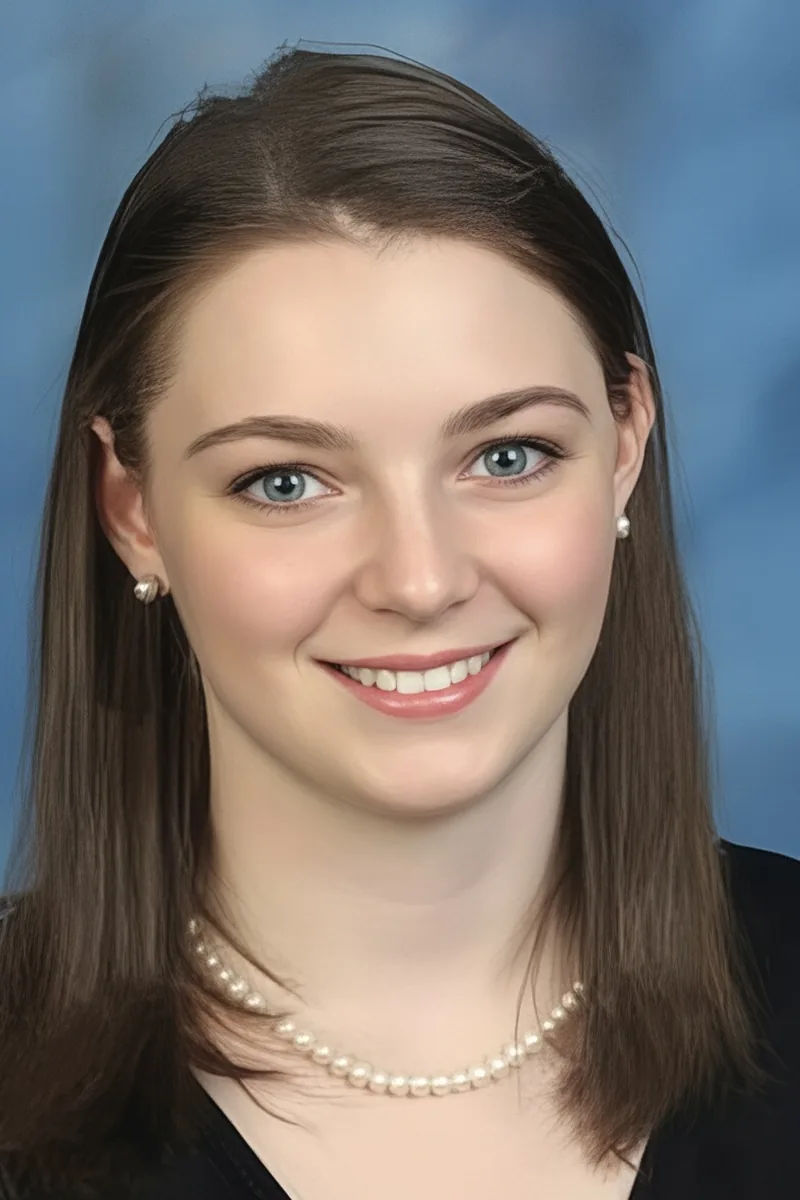
Kate's psychology PhD research means she uses statistics daily — running t-tests, interpreting p-values, building regression models, and cleaning messy datasets in SPSS. That hands-on fluency lets her explain not just how to calculate a standard deviation or confidence interval, but why those numbers actually matter when you're drawing conclusions from data.
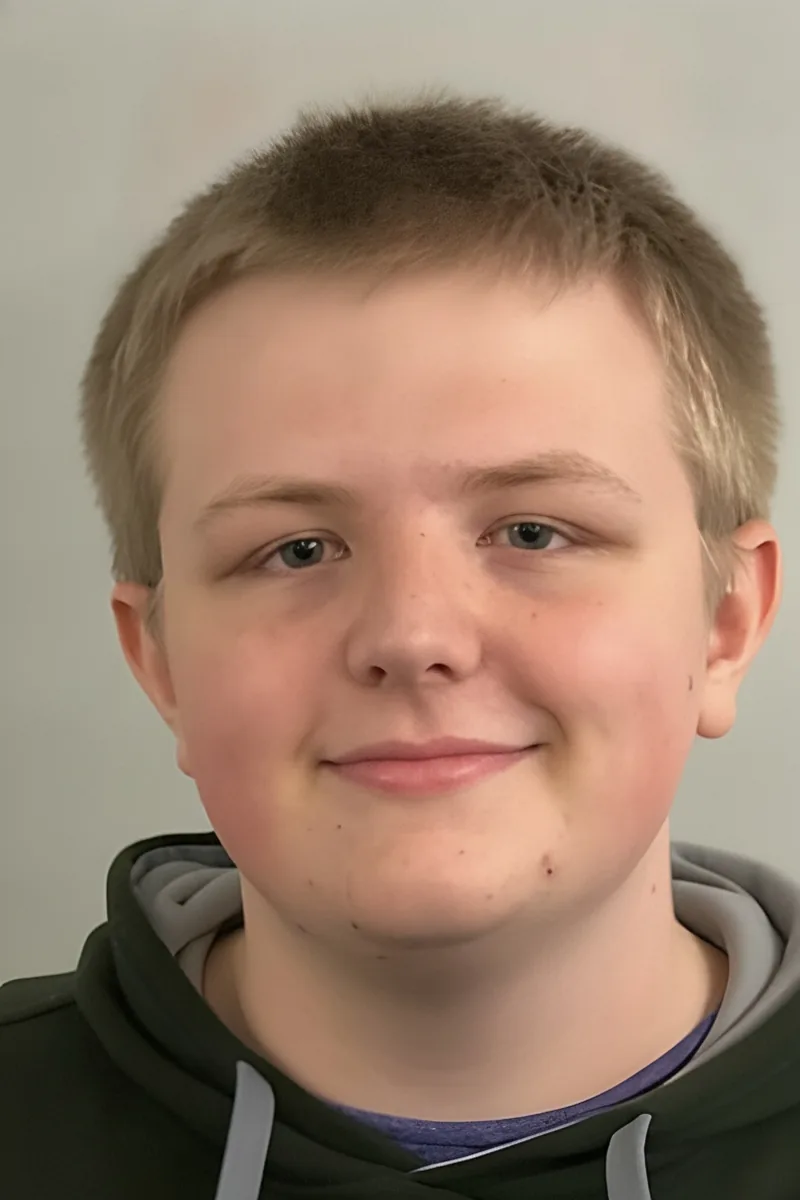
Studying computer science at Northwestern meant Naythen spent serious time with probability distributions, hypothesis testing, and data analysis — statistics was baked into his coursework, not an elective afterthought. He teaches concepts like standard deviation and confidence intervals by grounding them in real datasets and practical questions. Students walk away understanding what the numbers actually tell them, not just how to punch formulas into a calculator.
Industrial and systems engineering runs on statistics — probability distributions, hypothesis testing, regression analysis — so Lily doesn't just know the formulas, she knows what they're actually used for. She connects abstract concepts like standard deviation and confidence intervals to real decision-making scenarios, which makes the material stick far better than rote calculation drills.
Pre-engineering coursework forced Alexander to treat statistics as a decision-making tool — using probability distributions and regression analysis to evaluate whether a design will actually perform under real conditions. He leans into that engineering mindset when teaching, walking students through how to set up a hypothesis test or interpret variability in a dataset by asking them targeted questions until the reasoning clicks on its own.
Probability distributions, hypothesis testing, and regression analysis are central to both engineering and business — and Caroline has graduate-level training in both. Her mechanical engineering M.S. from WashU built her statistical modeling skills, while her current MBA at MIT Sloan sharpens how she interprets data for real-world decisions. She teaches the reasoning behind each method so formulas stop feeling like black boxes.
Understanding statistics means learning to ask the right questions about data before running any test: Is the sample random? What's the shape of the distribution? Could this result have happened by chance? Ethan's policy background gave him years of practice interrogating datasets and translating statistical output into plain-language conclusions, a skill he now brings directly to topics like hypothesis testing and regression analysis.
As an economics major at Yale, Conor uses statistical methods constantly — regression analysis, probability distributions, hypothesis testing — so he teaches statistics as a practical toolkit rather than an abstract set of formulas. He's especially sharp at walking through the logic behind concepts like p-values and confidence intervals, which tend to confuse students who try to memorize procedures without understanding what the numbers actually mean.
Interpreting a p-value or choosing between a z-test and a t-test trips up even strong math students because statistics demands a different kind of reasoning than algebra or calculus. Natasha's biostatistics background and MIT engineering training mean she can explain hypothesis testing, confidence intervals, and regression analysis through real experimental contexts. She's rated 4.9 by students.
A public policy background is surprisingly useful for teaching statistics — Noel spent his University of Chicago coursework interpreting real datasets, evaluating survey methodology, and distinguishing correlation from causation in policy research. He brings that same lens to topics like hypothesis testing, confidence intervals, and probability distributions, grounding abstract formulas in concrete examples that make the reasoning intuitive.
As experienced and passionated educator with a Bachelor's degree in Computer Science from Rice University, I am passionate about empowering students to achieve their academic goals. With over 3 years of tutoring experience in subjects such as AP Computer Science A, Machine Learning, and SAT Math, I adapt to different learning styles and create a supportive learning environment. My teaching philosophy centers on personalized instruction, where I connect with each student to understand their unique learning styles and challenges. I take pride in guiding students through the complexities of computer science and college application essays, equipping them with the skills they need for future success. Outside of tutoring, I enjoy exploring new technologies and engaging in coding projects to improve my teaching approach.
A year as a course assistant in Harvard's math department gave Richard a front-row seat to where students get tripped up — and in statistics, it's almost always the jump from computing a value to interpreting what it means. He teaches concepts like variability, correlation, and probability by connecting the math to the kind of data-driven arguments he encounters in his government coursework, where a misread confidence interval can derail an entire policy claim.
Jonathan holds an MS in Statistics, which means probability distributions, hypothesis testing, and regression analysis aren't just textbook topics for him — they're the core of his graduate training. He breaks down intimidating formulas like Bayes' theorem or ANOVA tables by connecting them to the real-world questions they were designed to answer.
Working as a research assistant in Yale's cognitive neuroscience lab meant Emily ran statistical analyses regularly — hypothesis testing, probability distributions, and interpreting p-values were part of her daily routine. That hands-on experience makes her especially effective at explaining why a statistical method works, not just how to execute it on a calculator.
A Quantitative Methods minor at Vanderbilt means Heather spent semesters immersed in regression analysis, hypothesis testing, and probability — the exact material that trips up most statistics students. She teaches the reasoning behind each test so students can choose the right method on their own, not just follow a decision flowchart. Her 4.9 rating speaks to that approach.
A neurobiology degree from Harvard meant designing experiments, interpreting data sets, and living inside statistical analysis for four years. Katherine teaches statistics with that research lens — connecting probability distributions, hypothesis testing, and confidence intervals to how they're actually used in published studies. Rated 5.0 by students.
As a Statistics major at Northwestern, Jake lives in this material daily — regression analysis, probability distributions, confidence intervals, and hypothesis testing are part of his coursework, not just something he once studied for a test. That proximity to the subject means he explains concepts with the kind of fluency that comes from constant use. He holds a 5.0 client rating.
Testimonials
Because the right Statistics tutor makes all the difference.
Average Session Rating – Based on 3.4M Learner Ratings
Practice Statistics
Free practice tests, flashcards, and AI tutoring for Statistics
Nearby Statistics Tutors
Other Oklahoma City Tutors
Related Math Tutors in Oklahoma City
Frequently Asked Questions
Statistics requires both conceptual understanding and practical application—students often struggle with interpreting what statistical measures actually mean, not just calculating them. Common pain points include understanding probability concepts, reading and creating graphs correctly, distinguishing between correlation and causation, and applying the right statistical test to real-world scenarios. Many students also find word problems challenging because they require translating real situations into statistical language and choosing appropriate methods to solve them.
During an initial session, a tutor will assess your current understanding of Statistics fundamentals, identify specific areas where you're struggling, and learn about your learning style and goals. Whether you're working through descriptive statistics, probability, hypothesis testing, or data analysis, the tutor will use this time to create a personalized plan that aligns with your curriculum and addresses your unique challenges. This foundation helps ensure every future session builds on what you need most.
Statistics tutoring focuses on building conceptual understanding by helping you see the reasoning behind each method and formula. Rather than memorizing steps, tutors help you understand what a standard deviation actually represents, why we use confidence intervals, or how a p-value informs decision-making. This deeper comprehension makes it easier to tackle unfamiliar problems, choose the right approach, and explain your reasoning—skills that are essential for Statistics success and beyond.
Yes—Statistics is taught using various approaches and textbooks across Oklahoma City schools, and tutors are experienced working with different curricula and teaching methods. Whether your course emphasizes traditional hypothesis testing, Bayesian approaches, simulation-based methods, or data science applications, Varsity Tutors connects you with tutors who can align with your specific course structure and help you succeed within that framework.
Word problems require translating real-world scenarios into statistical questions and choosing appropriate methods—skills that improve with guided practice. Tutors help you develop a systematic approach: identifying what you're asked to find, recognizing which statistical concepts apply, and executing the solution step-by-step. With personalized instruction, you'll build confidence recognizing problem types and develop strategies that work across different contexts.
Absolutely. Statistics anxiety is common, especially when concepts feel abstract or disconnected from real life. Personalized tutoring breaks down intimidating topics into manageable pieces, celebrates progress, and helps you see Statistics as a logical, learnable skill rather than something mysterious. As you experience success with targeted practice and see how statistical thinking applies to real situations, confidence naturally builds.
Yes—tutors experienced in AP Statistics help students master both the content and test-taking strategies needed for success on the AP exam. This includes understanding the entire Statistics curriculum (exploratory data analysis, sampling and experimentation, probability, and inference), practicing free-response questions, and learning how to communicate statistical reasoning clearly. Personalized preparation focuses on your specific weak areas and builds the conceptual depth that AP graders expect.
Varsity Tutors matches you with expert tutors based on your specific Statistics needs, schedule, and learning preferences. Simply tell us what you're working on—whether it's a specific unit, test prep, or building foundational understanding—and we'll connect you with a tutor ready to provide personalized instruction. The process is straightforward, and you can get started quickly with flexible scheduling that works for you.
Let’s find your perfect tutor
Answer a few quick questions. We’ll recommend the right plan and match you with a top 5% tutor.