Award-Winning Anatomy Tutors
serving Cincinnati, OH
Anatomy
Tutors in Cincinnati
Private 1-on-1 tutoring, weekly live classes for academic support, test prep & enrichment, practice tests and diagnostics, and more to elevate grades and test scores.
Based on 3.4M Learner Ratings
UniversitiesSchools & Universities
DeliveredHours Delivered
ProficiencyGrowth in Proficiency
Who needs tutoring?
No obligation. Takes ~1 minute.
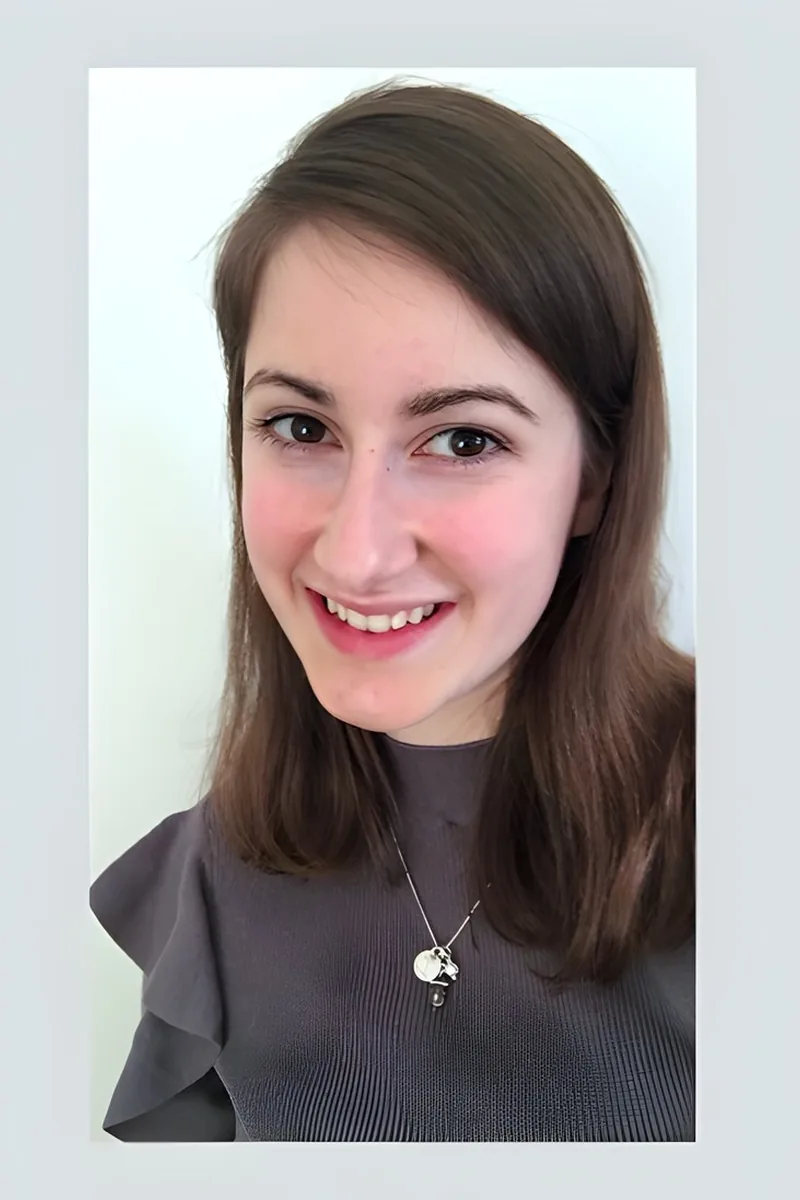
I am currently a P1 pharmacy student. I have had numerous opportunities to tutor students of various ages primarily in subjects that pertain to my program of study, especially chemistry. Throughout my years of study, I have come to the realization that only after meticulous examination of all the possible scenarios and exceptions of a particular phenomenon can we recognize patterns that may have facilitated our initial attempt to understand it in the first place. As a tutor, I hope to serve as a guide that aids students in discerning such patterns and integrating concepts to achieve a thorough and holistic understanding of the subject being studied. Besides tutoring, I enjoy playing the piano and cello, biking, and reading.
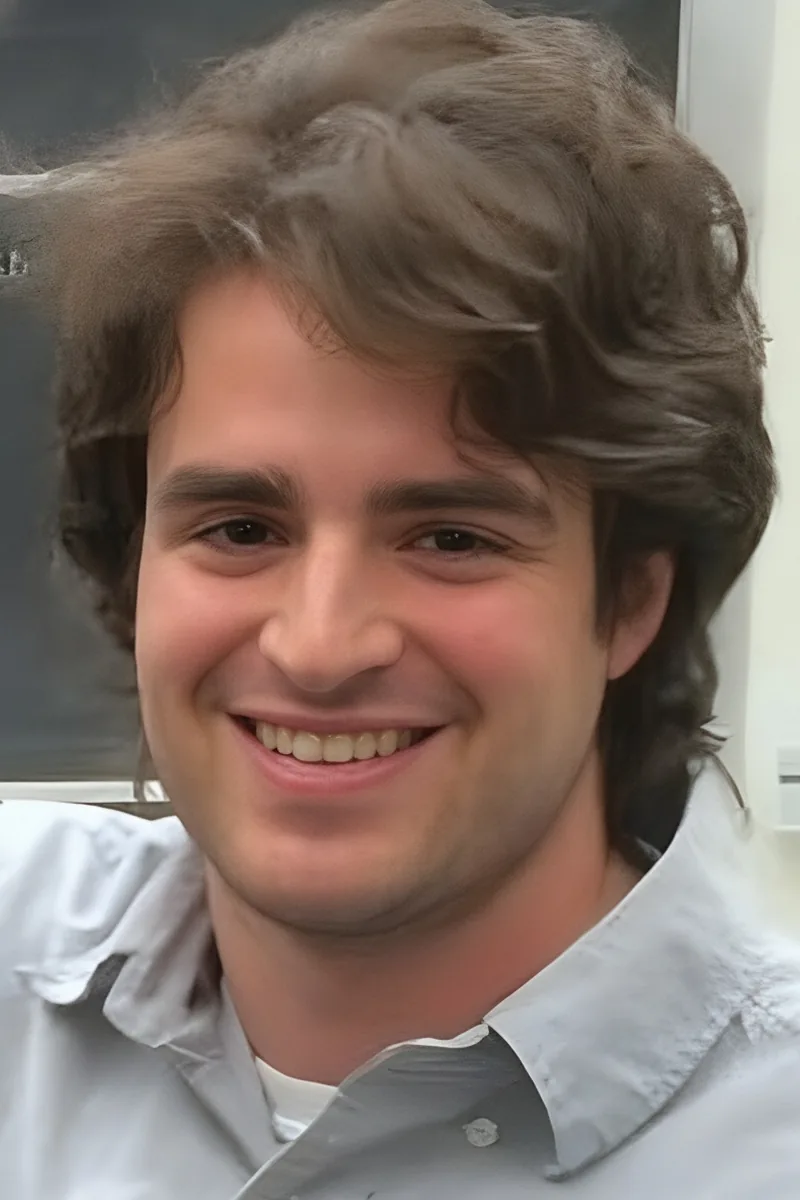
Learning anatomy often feels like memorizing a phone book — until someone shows you the logic behind how structures are named and organized. Nikolas spent his Exercise Science program at Ohio State dissecting musculoskeletal relationships, nerve pathways, and organ systems, so he teaches anatomy through spatial reasoning and functional connections rather than pure rote recall.
Memorizing every bone, muscle, and nerve pathway in anatomy feels impossible until you start learning structures by their functional relationships. Hyerin, currently in medical school, tackles anatomy the same way she learned it — by connecting each structure to what it does, how it's innervated, and what happens when it fails. Rated 4.9 by students.
Jonathan's nutrition degree at Ohio State required coursework in microbiology, molecular genetics, and biochemistry — subjects that build directly on understanding how the body's structures support its chemistry. He teaches anatomy by grounding organ systems and tissue layers in their nutritional and metabolic roles, giving students a reason to remember what each structure actually does. His nursing training adds a clinical lens that connects textbook diagrams to real patient scenarios.
I am an upbeat and patient tutor. I like to make learning as fun as possible, and I'm constantly learning new things.
I am a fourth year medical student at Case Western Reserve University and will be starting my surgical training in 2020 at NYU. I graduated from Skidmore College in 2014 with a BA in Biology and a Music Minor (violin). I tutored extensively from 2014-2016 while working in Boston, MA as a research coordinator and I am comfortable teaching MCAT and STEP 1 board exam material. I believe that every student has the potential to achieve their goals and I look forward to making this process rewarding, exciting and fun!
I am a recent college graduate looking for opportunities to tutor and get involved with education before I attend medical school this fall. I have a bachelor's of science from the University of Akron and my academic areas of focus where I am best prepared to teach are animal and cell physiology, immunology, biochemistry, and preparing for the MCAT. I took the MCAT this past January and am hoping to share some of the techniques that worked for me while the test is still fresh in my mind. For the ACT I would feel comfortable teaching the reading and science sections since those are my strong points.
I am currently working towards my masters degree in education from Cleveland State University. Right now I'm working full time as a research associate at a biotech company in Cleveland, but I've been tutoring part time since my early college years. I've also spent a lot of one-on-one time with students while coaching high school sailing and instructing summer camps.
I am very skilled at tutoring the mathematics and verbal section of the SAT, as well as the Physical and Chemical, CARS and Bio and Biochem sections of the MCAT. I also love teaching chemistry, biochemistry and biology at the highschool, AP or college level.
I am from a suburb of Columbus, OH where I graduated highschool with over a 4.0, played soccer and lacrosse, and was heavily involved in peer collaboration, both in school and out of school, for students with disabilities. I went on to attend the University of Michigan where I graduated Honors in Cellular and Molecular Biology and Applied Statistics. During which time, I lead informal tutor and study groups for my peers in difficult courses such as microbiology, organic chemistry, and biostatistics, to name a few. Since graduating, I have moved back to my hometown where I worked as Data Analyst for roughly 8 months before changing paths and shifting back to medicine where I work now as a Medical Assistant for a local dermatology practice. I plan to get my Master's in Physician Assistant Studies in the new few years.
Memorizing every bone, muscle, and nerve pathway in anatomy can feel overwhelming without a system. Krishna approaches the subject by linking structure to function — explaining why the brachial plexus is organized the way it is, or how the histology of the small intestine relates to nutrient absorption. Her pre-med coursework and biology research background at Cornell keep her explanations grounded in clinical relevance.
Medical school means Timothy is learning anatomy at the most rigorous level right now, which keeps every muscle origin, nerve pathway, and organ system fresh in his mind. He tackles the memorization challenge head-on with spatial reasoning tricks and mnemonic strategies that make structures like the brachial plexus or cranial nerves far more manageable.
A PhD in biophysics and a clinical research fellowship at MGH mean Amin has studied the human body at every scale — from molecular interactions up to whole-organ systems — which gives him an unusual ability to explain why anatomical structures are shaped and positioned the way they are. He's particularly strong on topics where physiology and anatomy overlap, like cardiovascular or renal system architecture, where understanding the underlying chemistry makes the spatial relationships click.
Jennifer's biological sciences degree means she studied anatomy alongside physiology, microbiology, and chemistry — so she naturally teaches structures in the context of the larger systems they belong to, which is especially useful for topics like cardiovascular or respiratory anatomy where form and function are inseparable. Her current path toward PA studies keeps her actively reviewing organ systems and tissue-level detail at a clinical depth that matches what university anatomy courses demand.
Knowing anatomy means building a mental map of the body that holds up under pressure — during practicals, in clinical rotations, and beyond. Alex is entering Washington University's OT doctorate program, where anatomy is foundational to everything from musculoskeletal assessment to neuroanatomy. That upcoming clinical training, combined with a neuroscience background, means Alex teaches structures in the context of function, not just flash-card labels.
Studying tissue engineering at Tufts meant Kelly had to know anatomical structures inside and out — not just their names, but how their form supports their function. She teaches musculoskeletal, cardiovascular, and nervous system anatomy by linking each structure to the physiological role it plays, which makes retention far more durable than flashcard memorization alone.
Studying anatomy means memorizing hundreds of structures, but retention depends on understanding how those structures function together. Gita's background in biology and physiology means she can explain why the brachial plexus is organized the way it is, or how the nephron's architecture drives filtration — turning rote memorization into something that actually sticks.
Four years of medical school at Harvard meant Jean didn't just study anatomy from a textbook — she learned it through cadaver dissection, clinical rotations, and diagnostic reasoning. She teaches students to think spatially about structures like the brachial plexus or the abdominal vasculature, building the kind of three-dimensional understanding that makes identification and relationships between structures click.
Memorizing every bone, muscle, and nerve feels overwhelming until there's a system behind it. Meghan uses spatial reasoning techniques and functional groupings — like learning forearm muscles by their action on the wrist and fingers — to turn anatomy's massive vocabulary into something organized and retrievable. Her medical training keeps her fluent in exactly the level of detail most anatomy courses demand.
Three years of dental school at Penn means Josh doesn't just know anatomy from a textbook — he's studied it through cadaver dissection and clinical application, especially the musculoskeletal and nervous systems of the head and neck. That hands-on depth translates into vivid explanations of structures, origins, insertions, and innervations that stick better than rote flashcard drilling.
I am currently working towards a doctorate in medicine from New Jersey Medical School. Throughout high school, college, and graduate school, I have tutored students ranging in age from elementary school to college freshmen in a variety of subjects particularly math and science. My favorite subject to tutor is math because it is very methodical and visual. Having a passion to help others, I am drawn to tutoring for the opportunity to share my knowledge with others. My family and friends have described me as being patient, compassionate, and personableall of the qualities that I believe I bring to my students. Outside of tutoring, I like Notre Dame football, dogs (especially my family's German Shepherd!), yoga, cooking, and reading.
Memorizing every bone, muscle, and nerve pathway in anatomy can feel overwhelming without a framework. Shayan teaches structural relationships rather than isolated labels — once a student understands why the brachial plexus is organized the way it is, the individual nerve branches become far easier to recall. His pre-health background at Penn keeps the clinical relevance front and center.
Testimonials
Because the right Anatomy tutor makes all the difference.
Average Session Rating – Based on 3.4M Learner Ratings
Practice Anatomy
Free practice tests, flashcards, and AI tutoring for Anatomy
Other Cincinnati Tutors
Related Science Tutors in Cincinnati
Frequently Asked Questions
Many students memorize bone names or muscle origins without grasping how structures relate to function—which makes the material harder to retain and apply. Personalized 1-on-1 instruction helps you connect anatomical structures to their real-world purposes: why certain joints move the way they do, how muscle groups work together, or how organ systems depend on each other. This deeper understanding not only sticks better in your memory but also prepares you for exams that test reasoning, not just recall.
Anatomy is inherently visual and spatial, and many students find it challenging to translate flat textbook images into mental 3D models. Tutors can use multiple approaches—drawing structures from different angles, using physical models, working through dissection photos, or even leveraging digital anatomy tools—to help you build accurate mental images. Once you can visualize how structures fit together in three dimensions, understanding their relationships and functions becomes much clearer.
Lab practicals require you to identify structures quickly and explain their relationships under pressure—a skill that goes beyond lecture preparation. Personalized tutoring can help you practice identifying structures on models and specimens, understand what you're looking at during dissections, and develop strategies for organizing anatomical information in ways that support practical exams. Tutors can also help you connect lab observations to lecture concepts, deepening your understanding of how anatomy works in real tissue.
Students often struggle with the nervous system (due to its complexity and abstract nature), cardiovascular anatomy (the heart's chambers and blood flow pathways), and musculoskeletal anatomy (memorizing origins, insertions, and actions of dozens of muscles). Additionally, understanding how these systems integrate—rather than viewing them in isolation—trips up many learners. Tutors experienced in anatomy can anticipate these pain points and use targeted strategies to help you master both individual topics and the bigger picture of how your body works as an integrated system.
Effective anatomy study combines strategic memorization with active learning: spacing out your review over time, testing yourself repeatedly on structures and their functions, drawing and labeling diagrams from memory, and teaching concepts back to someone else. Rather than cramming lists of terms, organize information by system, region, or function—this builds mental frameworks that make recall easier and more meaningful. A tutor can help you develop a personalized study plan that matches your learning style and ensures you're building understanding alongside memorization.
Your first session is about understanding your specific challenges and goals. A tutor will assess your current knowledge, identify which topics are causing confusion (whether it's terminology, visualization, system integration, or exam preparation), and learn how you learn best. From there, they'll work with you to create a personalized plan that targets your weak areas and builds on your strengths, whether that means diving into a difficult system, prepping for a lab practical, or developing better study strategies.
Look for tutors with strong background in human anatomy—ideally with experience in healthcare, biology, or related fields—and a track record of helping students succeed in anatomy courses. Beyond subject expertise, the best tutors can explain complex concepts clearly, adapt their teaching to your learning style, and help you understand not just what structures are, but why they matter. Varsity Tutors connects you with tutors who have both the anatomical knowledge and the teaching skills to help you move from confusion to confidence.
Ideally, starting several weeks before an exam gives you time to build understanding systematically rather than cramming. However, even a few focused sessions before a test can help you identify gaps, clarify confusing concepts, and develop last-minute study strategies. If you're preparing for a major exam like the MCAT anatomy section or a cumulative final, working with a tutor throughout the course ensures you're building a strong foundation from the start, making final review much more efficient.
Let’s find your perfect tutor
Answer a few quick questions. We’ll recommend the right plan and match you with a top 5% tutor.