Award-Winning AP Biology Tutors
serving Cincinnati, OH
AP Biology
Tutors in Cincinnati
Private 1-on-1 tutoring, weekly live classes for academic support, test prep & enrichment, practice tests and diagnostics, and more to elevate grades and test scores.
Based on 3.4M Learner Ratings
UniversitiesSchools & Universities
DeliveredHours Delivered
ProficiencyGrowth in Proficiency
Who needs tutoring?
No obligation. Takes ~1 minute.
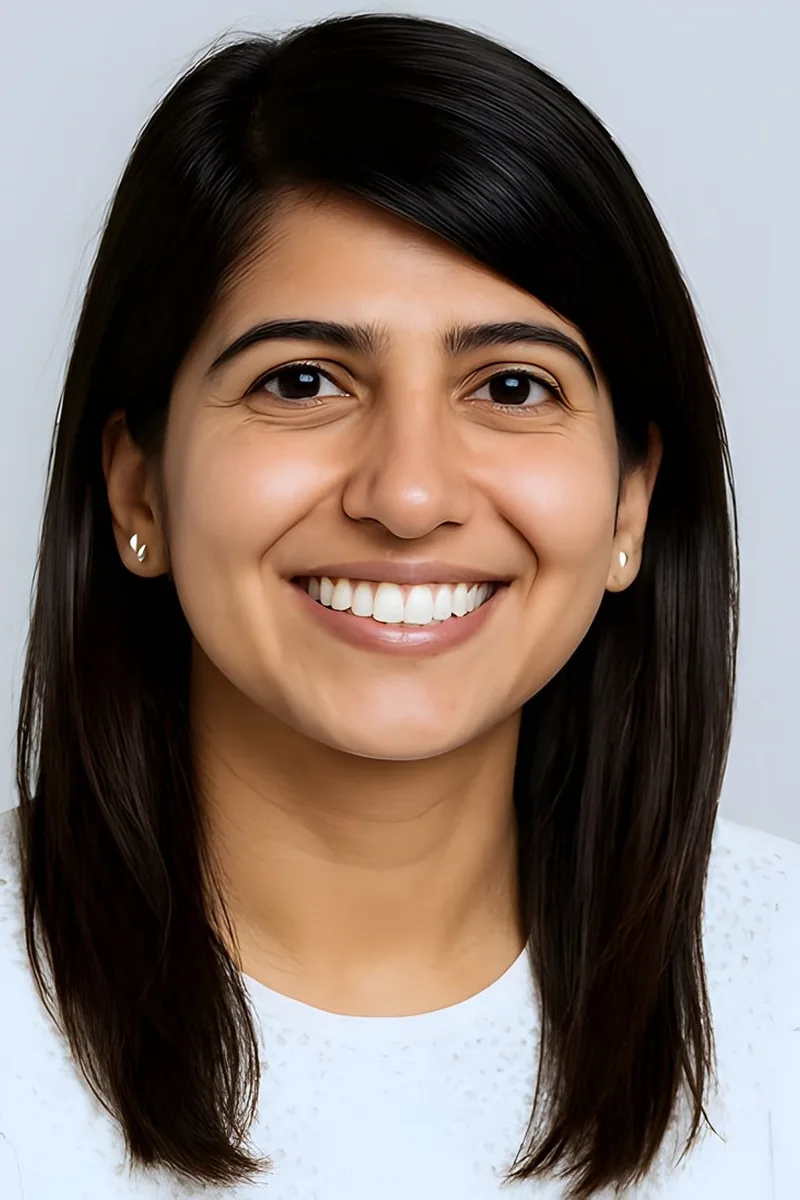
Eshita's neuroscience degree meant living inside the AP Bio curriculum — signal transduction, gene expression, cellular energetics — long before she started tutoring it. She teaches students to think in systems, connecting how a mutation in one pathway cascades through physiology, which is exactly the kind of reasoning the AP free-response questions demand. Rated 5.0 by students.
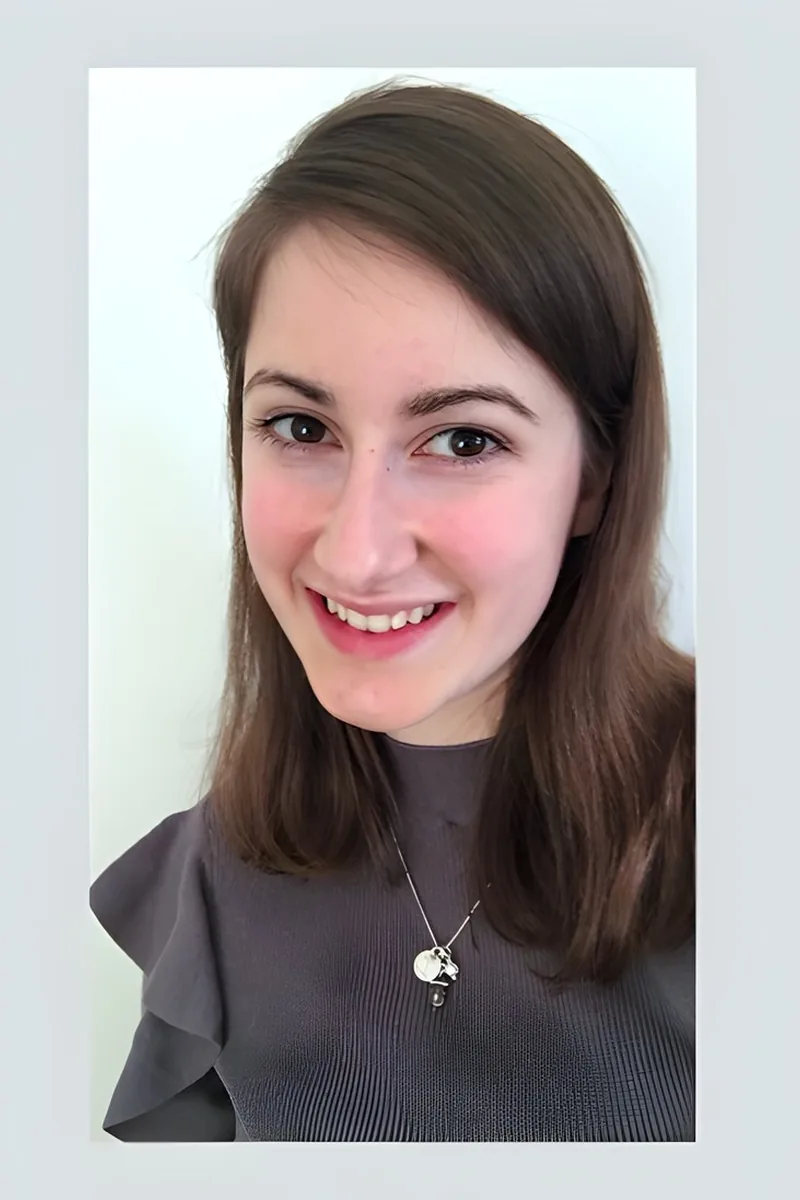
Pharmacy students have to master biochemistry at a level where they can predict how drugs interact with enzymes, receptors, and metabolic pathways — which means Lillian has worked through AP Bio's toughest content (cellular energetics, signal transduction, protein structure-function relationships) with real clinical stakes attached. She's especially sharp at teaching students to spot the patterns in biological systems, like recognizing how feedback inhibition shows up in both hormonal regulation and enzyme kinetics, rather than treating each unit as isolated material. Rated 4.9 by students.
William's psychology degree gave him serious coursework in neuroscience and biological systems — the kind where you trace a neural signal from receptor to brain region to behavioral output, which is exactly the thinking AP Bio's units on cell communication and nervous system function demand. He scored a 34 on the ACT, so he's familiar with high-stakes science reasoning under time pressure, and his planned PhD in neuropsychology means he can teach the behavioral biology and physiology content from a depth most undergrad tutors can't match.
Coordinating a tutoring program for pre-health students at Sewanee gave Samuel a clear picture of where biology students get stuck — particularly in molecular and cell biology, which he also tutored one-on-one. His English major actually sharpens his AP Bio teaching: he pushes students to construct written arguments about biological processes (why does this enzyme behave differently at a new pH?) instead of just labeling diagrams, which is exactly the analytical skill the free-response section demands. Rated 5.0 by students.
Vishank's Data Analytics focus on biomedical and public health analysis means he regularly works with biological datasets — gene expression patterns, epidemiological models, population genetics — which gives him an unusual quantitative angle on AP Bio's ecology, evolution, and heredity units. He's especially effective at teaching students to interpret the data-heavy experimental questions the exam throws at them, since reading graphs and spotting statistical trends is literally what his degree trains him to do. Rated 4.9 by students.
Four years of medical school means Sanjul has built the kind of deep, interconnected understanding of biology — from cellular respiration and membrane dynamics to organ-system physiology — that lets him explain *why* a process works, not just walk through a diagram. He's especially sharp on the genetics-to-physiology pipeline, connecting how mutations in DNA replication ripple through gene expression and ultimately alter how an organism functions, which is exactly the multi-step reasoning AP Bio's free-response questions reward. Rated 5.0 by students.
Neuroscience and AP Biology share a huge amount of territory — cell signaling, genetics, membrane transport, and the nervous system all overlap directly with Sunay's major at Emory. He teaches the exam's trickiest free-response questions by connecting molecular-level detail to big-picture biological systems, which is exactly the kind of reasoning the AP readers reward.
Alyssa's linguistics research at the University of Vermont has trained her to break complex systems into structural patterns — a skill that translates surprisingly well to AP Bio topics like gene expression and protein synthesis, where students need to follow sequential, rule-governed processes. She's strongest when teaching students to read and interpret data-rich questions, applying the same analytical precision her research demands to the exam's lab-based free-response prompts.
Studying for AP Biology while already in medical school gives Hyerin an unusual advantage: she knows exactly which cellular respiration pathways, genetics problems, and ecological concepts the exam emphasizes because she's still actively using them. She digs into the data-analysis and experimental-design questions that cost students the most points on the free-response section, turning those into scoring opportunities.
Before starting surgical training at NYU, Camille spent years in a Boston research lab and then medical school at Case Western — which means she's applied AP Bio concepts like cell signaling, organ system physiology, and heredity in both bench science and clinical contexts. She's especially good at teaching students how to trace biological processes across levels of organization, from molecular events up to whole-organism responses, which is exactly the kind of multi-scale reasoning the exam's free-response questions reward. Rated 4.9 by students.
Joseph's path from biomedical engineering into medical school at Ohio University means he's taken collegiate-level biology courses with labs spanning cell biology, genetics, ecology, and physiology — the exact domains AP Biology tests. He digs into the trickiest exam topics, like signal transduction pathways and Hardy-Weinberg equilibrium, with the precision of someone who needed that knowledge for both engineering applications and medical admissions.
Susie's biochemistry degree from Swarthmore means she's worked through the molecular machinery behind AP Bio's hardest units — enzyme regulation, metabolic pathways, protein structure-function relationships — at a level where she can explain the logic driving each process, not just the vocabulary. Her research experience at the Cleveland Clinic and NIH adds a practical dimension, especially when teaching students to interpret experimental data and design controlled experiments the way the free-response section demands. Rated 5.0 by students.
As a dedicated Biology major at The Ohio State University, I am passionate about guiding students through the intricacies of science and mathematics. With over 2 years of tutoring experience, I specialize in AP Biology, AP Chemistry, and various levels of calculus, fostering a deep understanding of these subjects. My teaching philosophy emphasizes interactive learning and effective study habits, ensuring students not only grasp concepts but can also apply them to solve problems independently. I believe in the potential of every student to succeed, and I strive to create a supportive environment where they can thrive. Outside of academics, I enjoy sports, solving Rubik's cubes, and immersing myself in music, which keeps my approach to tutoring dynamic and engaging. I am committed to helping the next generation of learners achieve their fullest potential.
Having just taken the MCAT and earned his natural sciences degree, Nathan knows the depth of biological reasoning the AP Bio exam demands — from analyzing chi-square data in genetics problems to explaining feedback loops in endocrine regulation. He breaks down each unit's big ideas and ties them to the kind of experimental-design questions that trip students up on the free-response section.
Christine is a biology major at UChicago, where the program's emphasis on primary literature and experimental design mirrors exactly what AP Bio's lab-based free-response questions demand. Her subject list — genetics, microbiology, ecology — shows she's covered the exam's content from the molecular scale up to population dynamics, so she can teach students to build the cross-unit connections between, say, how mutations arise at the DNA level and how they drive evolutionary change in populations. Rated 4.9 by students.
The AP Biology exam punishes memorization without understanding, especially on those grid-in and free-response questions about cellular energetics or heredity. Emily teaches across nearly every branch of biology — from molecular to evolutionary to ecology — which means she can show students how Unit 1 concepts thread through Unit 8 instead of treating each topic as isolated. Her M.S. in Education informs how she structures review for the exam's four big ideas.
AP Bio covers an enormous range — from molecular genetics to ecosystem dynamics — and the exam tests whether students can apply concepts to unfamiliar experimental scenarios. JF's mathematical and computational science training at Stanford sharpens the data-analysis and graph-interpretation skills that the redesigned AP Bio exam leans on heavily. That analytical lens turns intimidating free-response questions into structured problem-solving exercises.
Dental school at UMKC required Nik to master the same molecular biology, genetics, and physiology that AP Bio covers — but at a clinical depth where understanding how a mutation affects protein folding actually matters for diagnosing patients. His biology degree gave him the foundational content, and his 4.9 rating from students suggests he's figured out how to make dense topics like cellular energetics and heredity click for others, not just himself.
Cellular respiration, gene regulation, ecological energy flow — AP Biology demands that students think across scales, from molecules to ecosystems, often within a single free-response question. Sharan is deep in this material as a Human Biology major on the premed track at Cornell, and she unpacks complex processes like signal transduction by walking through each step with clear cause-and-effect reasoning.
Annabel is a molecular biology major heading to medical school, so the content on the AP Bio exam — from cellular respiration and signal transduction to gene regulation and evolutionary evidence — is material she uses daily in her coursework and lab work. She teaches students to think in the way the exam rewards: interpreting data sets, designing experiments, and connecting molecular details to big-picture biological themes.
Working in a Yale research lab that uses CRISPR-Cas9 gives Matthew a perspective on AP Biology that most tutors can't offer — he connects textbook topics like gene regulation, signal transduction, and evolution to experiments happening right now. He's especially sharp on the free-response questions, where students need to design experiments and interpret data rather than just recall facts.
Saniya's neuroscience degree at Rhodes College required her to learn biology from the molecular scale up — gene expression, cell signaling, neural communication — which means she's tackled AP Bio's toughest conceptual territory in a context where every pathway had to connect to a bigger physiological story. She's continued auditing advanced coursework in anatomy, histology, and embryology since graduating, so the organism-level units on body systems and development are still sharp. Rated 5.0 by students.
The premedicine track at Rochester means Ian has taken the full sequence of biology courses — genetics, cell biology, physiology — alongside the chemistry that makes AP Bio's trickier units on enzyme kinetics and cellular energetics click. He's especially good at unpacking how molecules actually behave during processes like photosynthesis or signal transduction, giving students the mechanistic detail that earns full credit on free-response questions. Holds a 5.0 rating.
Christina's computer science background gives her an unusual edge for AP Bio's data analysis and experimental design questions — she's comfortable with statistical reasoning, interpreting graphs, and the kind of algorithmic thinking that makes tracing metabolic pathways or gene expression cascades more systematic. Her ACT score of 34 also signals strong science reading skills, which matters for an exam where decoding dense passages and pulling evidence from figures is half the battle.
Few tutors bring a neuroscience specialization to AP Biology, which means Jhonatan can unpack signal transduction, membrane potentials, and nervous system physiology with a depth most students never get in the classroom. He also tackles the broader curriculum — from cellular respiration energetics to Hardy-Weinberg equilibrium — by tying each unit back to the four Big Ideas the exam is built around.
Cellular respiration, genetics, and evolution each require a different kind of thinking — sometimes quantitative, sometimes conceptual, sometimes both at once. Nima breaks down processes like the electron transport chain or Hardy-Weinberg equilibrium into logical steps, drawing on the same analytical rigor that earned him a full merit scholarship to Duke.
As a pre-med biosciences major at Rice University, Tegan is studying the same cellular processes, genetics, and ecological concepts that AP Bio covers — but at the college level, which means she can explain the *why* behind topics like enzyme kinetics or signal transduction rather than just the textbook summary. She's especially good at breaking down the plant biology and photosynthesis material that many students rush past, connecting light reactions and carbon fixation to the energy flow concepts the exam circles back to repeatedly. Rated 4.9 by students.
Dennis's physics research — simulating turbulent plasmas at Princeton and building optical filters at Norfolk State — might seem distant from AP Bio, but it trained him to think in systems and trace energy through complex processes, which is exactly what cellular energetics and ecosystem dynamics demand. His 36 ACT and strong science foundation mean he can teach students to reason through photosynthesis and respiration as energy transfer problems, not just memorization lists, which pays off on the exam's data-analysis and free-response questions.
Testimonials
Because the right AP Biology tutor makes all the difference.
Average Session Rating – Based on 3.4M Learner Ratings
Practice AP Biology
Free practice tests, flashcards, and AI tutoring for AP Biology
Other Cincinnati Tutors
Related Science Tutors in Cincinnati
Frequently Asked Questions
AP Biology covers eight major units: chemistry of life, cell structure and function, cellular transport, cell communication and division, heredity, gene expression and regulation, natural selection, and ecology. The exam tests your understanding of these concepts through multiple-choice questions, free-response questions, and lab-based scenarios. Most students spend the school year building knowledge progressively across these units, with review and practice intensifying in the weeks before the May exam.
Score improvement depends on your starting point and study consistency, but students typically see meaningful gains with focused preparation. If you're struggling with specific units or exam strategies, targeted tutoring can help you identify weak areas and develop a study plan to address them. Many students find that understanding difficult concepts like photosynthesis, cellular respiration, or genetics—combined with practice on the actual exam format—leads to noticeable score increases.
Students often find photosynthesis, cellular respiration, genetics (including meiosis and Punnett squares), and evolution concepts most difficult. These topics require both conceptual understanding and the ability to apply knowledge to new scenarios—which is exactly what the AP exam tests. A tutor can break down these complex processes step-by-step, use visual aids to clarify mechanisms, and provide targeted practice so these topics become manageable.
The AP Biology exam has two sections: a 90-minute multiple-choice section (60 questions) and a 90-minute free-response section (6 questions, including 2 long essays and 4 short answers). Success requires both content knowledge and test-taking strategy—knowing how to manage your time, identify what each question is really asking, and explain biological concepts clearly in writing. Tutors can help you practice under timed conditions and develop strategies for each question type.
Ideally, you'll engage with tutoring throughout the school year as you learn each unit, rather than cramming in the final weeks. This allows you to build a strong foundation and address gaps before they compound. If you're starting later in the year, intensive tutoring in the 8-10 weeks before the May exam can still help you review, practice under timed conditions, and boost your score—though earlier preparation generally yields better results.
An effective AP Biology tutor should have strong subject knowledge—ideally a science background or AP Biology teaching experience—and understand the specific demands of the AP exam. They should be able to explain complex concepts clearly, help you practice the free-response format, and provide feedback on your understanding. Varsity Tutors connects you with expert tutors who specialize in AP Biology and know how to help students in Cincinnati succeed on this challenging exam.
Free-response questions require you to explain biological concepts in your own words, often with diagrams or examples. Strong answers use precise terminology, show clear reasoning, and directly address what the question asks. A tutor can help you practice writing under timed conditions, review rubrics so you understand what graders are looking for, and give feedback on how to structure answers that earn full credit.
Your first session is typically an opportunity to discuss your goals, identify which topics are most challenging, and assess your current understanding of the AP Biology curriculum. A tutor will ask about your learning style, timeline for the exam, and any specific concerns—like test anxiety or time management. From there, you'll develop a personalized study plan focused on the areas where you need the most help.
Let’s find your perfect tutor
Answer a few quick questions. We’ll recommend the right plan and match you with a top 5% tutor.