Award-Winning Anatomy Tutors
serving Toledo, OH
Anatomy
Tutors in Toledo
Private 1-on-1 tutoring, weekly live classes for academic support, test prep & enrichment, practice tests and diagnostics, and more to elevate grades and test scores.
Based on 3.4M Learner Ratings
UniversitiesSchools & Universities
DeliveredHours Delivered
ProficiencyGrowth in Proficiency
Who needs tutoring?
No obligation. Takes ~1 minute.
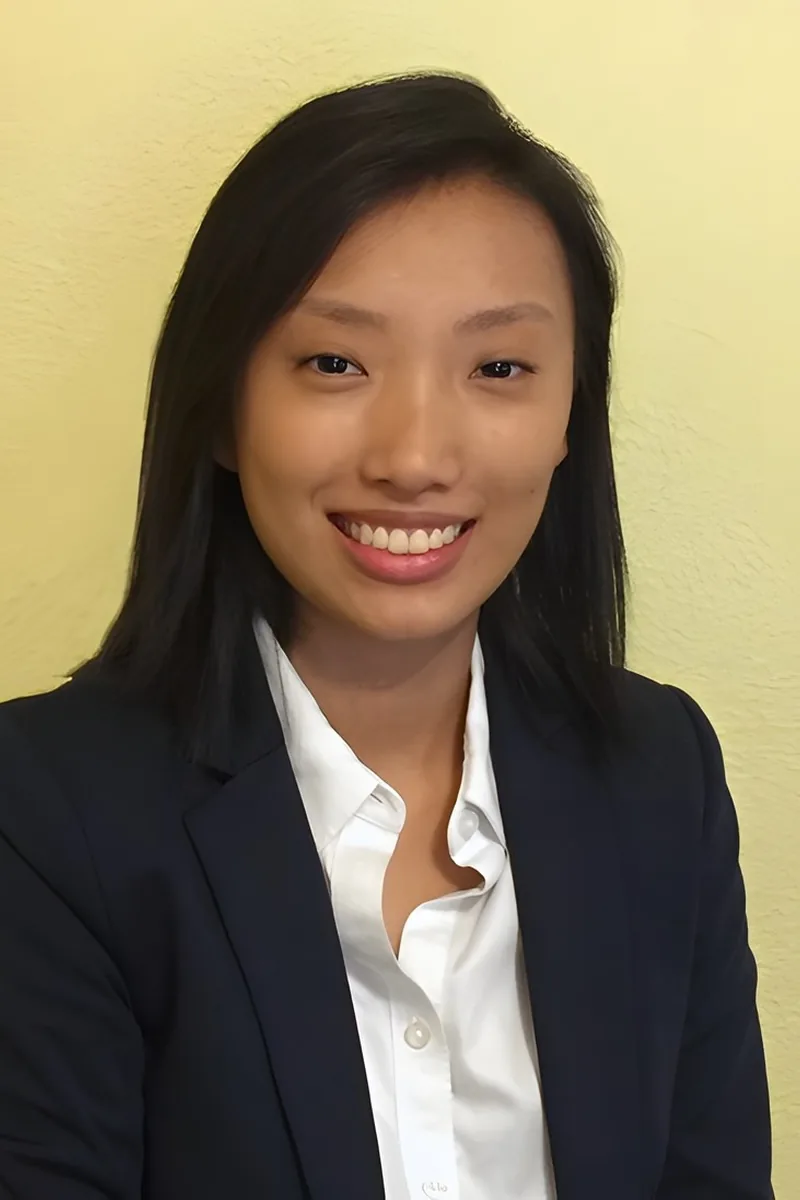
Memorizing every bone, muscle, and nerve pathway in anatomy feels impossible until you start learning structures by their functional relationships. Hyerin, currently in medical school, tackles anatomy the same way she learned it — by connecting each structure to what it does, how it's innervated, and what happens when it fails. Rated 4.9 by students.
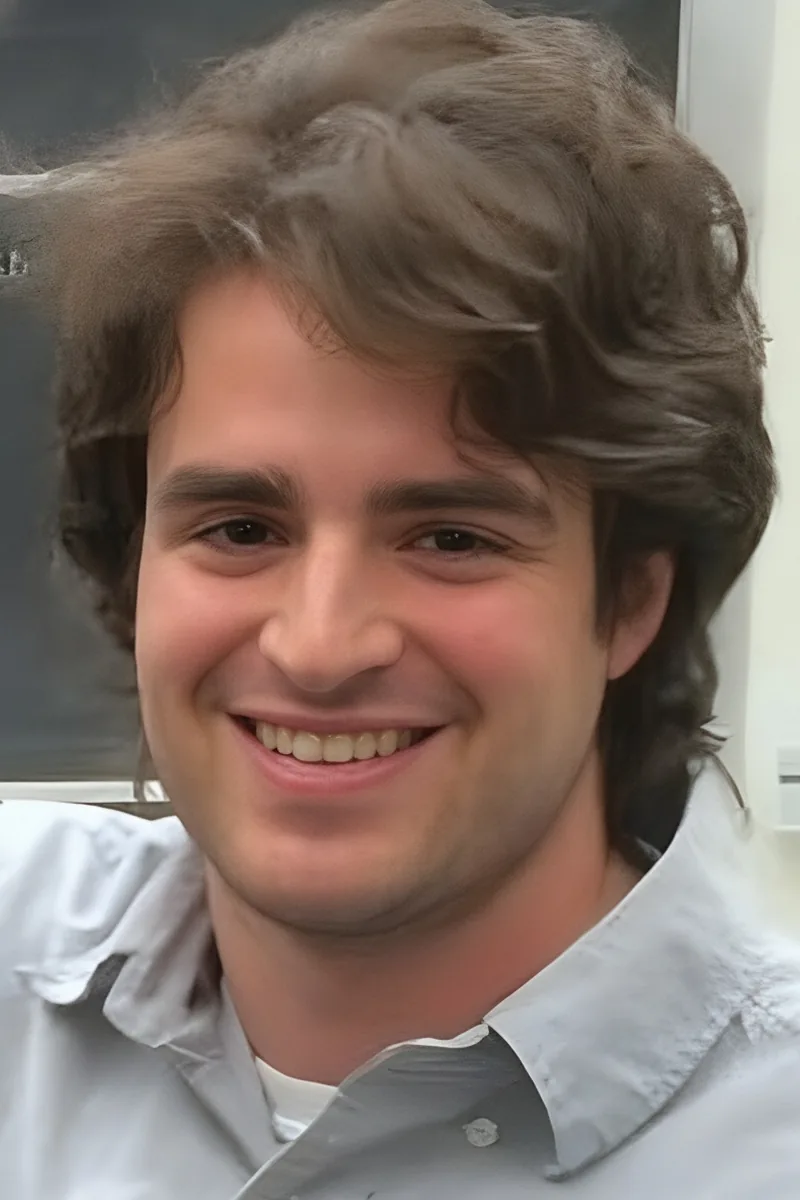
Learning anatomy often feels like memorizing a phone book — until someone shows you the logic behind how structures are named and organized. Nikolas spent his Exercise Science program at Ohio State dissecting musculoskeletal relationships, nerve pathways, and organ systems, so he teaches anatomy through spatial reasoning and functional connections rather than pure rote recall.
Jonathan's nutrition degree at Ohio State required coursework in microbiology, molecular genetics, and biochemistry — subjects that build directly on understanding how the body's structures support its chemistry. He teaches anatomy by grounding organ systems and tissue layers in their nutritional and metabolic roles, giving students a reason to remember what each structure actually does. His nursing training adds a clinical lens that connects textbook diagrams to real patient scenarios.
I am an upbeat and patient tutor. I like to make learning as fun as possible, and I'm constantly learning new things.
I am currently a P1 pharmacy student. I have had numerous opportunities to tutor students of various ages primarily in subjects that pertain to my program of study, especially chemistry. Throughout my years of study, I have come to the realization that only after meticulous examination of all the possible scenarios and exceptions of a particular phenomenon can we recognize patterns that may have facilitated our initial attempt to understand it in the first place. As a tutor, I hope to serve as a guide that aids students in discerning such patterns and integrating concepts to achieve a thorough and holistic understanding of the subject being studied. Besides tutoring, I enjoy playing the piano and cello, biking, and reading.
I am a fourth year medical student at Case Western Reserve University and will be starting my surgical training in 2020 at NYU. I graduated from Skidmore College in 2014 with a BA in Biology and a Music Minor (violin). I tutored extensively from 2014-2016 while working in Boston, MA as a research coordinator and I am comfortable teaching MCAT and STEP 1 board exam material. I believe that every student has the potential to achieve their goals and I look forward to making this process rewarding, exciting and fun!
I am a recent college graduate looking for opportunities to tutor and get involved with education before I attend medical school this fall. I have a bachelor's of science from the University of Akron and my academic areas of focus where I am best prepared to teach are animal and cell physiology, immunology, biochemistry, and preparing for the MCAT. I took the MCAT this past January and am hoping to share some of the techniques that worked for me while the test is still fresh in my mind. For the ACT I would feel comfortable teaching the reading and science sections since those are my strong points.
I am currently working towards my masters degree in education from Cleveland State University. Right now I'm working full time as a research associate at a biotech company in Cleveland, but I've been tutoring part time since my early college years. I've also spent a lot of one-on-one time with students while coaching high school sailing and instructing summer camps.
I am very skilled at tutoring the mathematics and verbal section of the SAT, as well as the Physical and Chemical, CARS and Bio and Biochem sections of the MCAT. I also love teaching chemistry, biochemistry and biology at the highschool, AP or college level.
I am from a suburb of Columbus, OH where I graduated highschool with over a 4.0, played soccer and lacrosse, and was heavily involved in peer collaboration, both in school and out of school, for students with disabilities. I went on to attend the University of Michigan where I graduated Honors in Cellular and Molecular Biology and Applied Statistics. During which time, I lead informal tutor and study groups for my peers in difficult courses such as microbiology, organic chemistry, and biostatistics, to name a few. Since graduating, I have moved back to my hometown where I worked as Data Analyst for roughly 8 months before changing paths and shifting back to medicine where I work now as a Medical Assistant for a local dermatology practice. I plan to get my Master's in Physician Assistant Studies in the new few years.
Memorizing every bone, muscle, and organ system in anatomy can feel overwhelming without a strategy. Karishma's psychology background gives her insight into how memory actually works, and she teaches students to use spatial relationships and functional groupings — like linking muscle attachments to their actions — so the material organizes itself rather than piling up.
Studying pharmacology at Tulane meant knowing exactly where every nerve, vessel, and organ sits — because drug delivery depends on it. Helen teaches anatomy by building spatial understanding of body regions and systems rather than relying on brute-force memorization of isolated terms. Her 5.0 rating speaks to how well that approach lands.
Studying tissue engineering at Tufts meant Kelly had to know anatomical structures inside and out — not just their names, but how their form supports their function. She teaches musculoskeletal, cardiovascular, and nervous system anatomy by linking each structure to the physiological role it plays, which makes retention far more durable than flashcard memorization alone.
Belinda's neuroscience degree required her to learn anatomy from the brain outward — tracing cranial nerves, mapping spinal cord regions, and understanding how the central and peripheral nervous systems connect to every major organ system. That top-down perspective means she teaches body structures as parts of functional circuits rather than standalone vocabulary, which is especially effective for students struggling to see how individual bones, muscles, and vessels fit into the bigger picture. Rated 5.0 by students.
Fourth-year medical students don't just memorize anatomy — they use it daily in clinical rotations, which is exactly where Michael is right now at Albert Einstein College of Medicine. He teaches structures like nerve plexuses and organ relationships by grounding them in the clinical cases he's actively encountering, giving students a functional hook for material that otherwise feels like pure memorization.
Memorizing every muscle insertion and nerve pathway in anatomy can feel impossible without a system. Shachi uses a regional approach, teaching students to build mental maps of structures layer by layer — bones first, then muscles, vasculature, and innervation — so that spatial relationships anchor the memorization. Her medical training background means she connects anatomical structures to their clinical significance, which makes details stick.
Four years of medical school at Harvard meant Jean didn't just study anatomy from a textbook — she learned it through cadaver dissection, clinical rotations, and diagnostic reasoning. She teaches students to think spatially about structures like the brachial plexus or the abdominal vasculature, building the kind of three-dimensional understanding that makes identification and relationships between structures click.
Currently in medical school after graduating summa cum laude from Duke with a cell and molecular biology concentration, Emily learned anatomy through cadaver dissection and clinical coursework where knowing the layers of the abdominal wall or the path of the femoral nerve isn't optional. She teaches the subject by anchoring each structure to its physiological role — so students understand what a muscle does before they try to memorize its origin, insertion, and innervation. Rated 5.0 by students.
Medical school at the doctoral level means learning anatomy twice — once from textbooks and once from the body itself, where the relationship between a nerve's path and the tissue it innervates becomes tangible. Daniel's training gave him that layered understanding, and he teaches structures like organ systems and musculoskeletal attachments by connecting them to the physiological roles students encounter in his physiology and biology sessions. That cross-subject fluency means students leave with more than labeled diagrams — they understand how the parts actually work together.
A PhD in biophysics and a clinical research fellowship at MGH mean Amin has studied the human body at every scale — from molecular interactions up to whole-organ systems — which gives him an unusual ability to explain why anatomical structures are shaped and positioned the way they are. He's particularly strong on topics where physiology and anatomy overlap, like cardiovascular or renal system architecture, where understanding the underlying chemistry makes the spatial relationships click.
Memorizing 206 bones and hundreds of muscles is one thing; understanding how they relate spatially and functionally is another challenge entirely. Anni's biomedical graduate training and her path toward medical school mean she teaches anatomy the way clinicians think about it — connecting structure to function so that the brachial plexus or the layers of the GI tract actually make sense.
Memorizing every muscle insertion and nerve pathway in anatomy can feel overwhelming without a framework for organizing the material. Rachelle teaches students to approach structures by functional systems — grouping muscles by movement, tracing blood supply logically — so that recall becomes intuitive rather than brute force. Her disciplined study habits, honed through a philosophy degree and military service, translate directly into efficient anatomy prep.
Testimonials
Because the right Anatomy tutor makes all the difference.
Average Session Rating – Based on 3.4M Learner Ratings
Practice Anatomy
Free practice tests, flashcards, and AI tutoring for Anatomy
Other Toledo Tutors
Related Science Tutors in Toledo
Frequently Asked Questions
Anatomy requires mastering complex terminology, spatial relationships, and interconnected systems—all at once. Many students struggle with visualizing 3D structures from 2D diagrams, memorizing hundreds of terms without understanding their meaning, and connecting anatomical structures to their actual functions in the body. Personalized 1-on-1 instruction helps break these concepts into manageable pieces and builds genuine understanding rather than rote memorization.
Anatomy is far more than memorization—it's about understanding how structures relate to function and how different systems work together. While terminology is important, the real skill is being able to explain why a bone is shaped a certain way, how muscles create movement, or how blood vessels are positioned to serve specific tissues. Expert tutors help students move beyond flashcards to develop the conceptual framework that makes anatomy stick and makes exams easier.
Lab work is where anatomy comes alive, but it can be overwhelming without proper preparation and guidance. Tutors can help you understand what to expect before lab, interpret what you're observing during dissections, and connect lab findings back to lecture material. This preparation builds confidence and helps you get the most out of hands-on learning experiences.
Visualizing 3D anatomy from textbook images is a major hurdle for many students. Expert tutors use multiple strategies—drawing structures together, using models, relating anatomy to your own body, and breaking complex systems into smaller, understandable parts. This multi-sensory approach helps concepts click and makes it easier to recall details on exams and in real-world applications.
Your first session is about understanding where you are and where you want to go. The tutor will assess your current knowledge, identify specific challenging topics (whether that's neuroanatomy, cardiovascular systems, or terminology), and learn your learning style. From there, you'll build a personalized plan that targets your needs—whether you're preparing for an exam, catching up on missed material, or aiming for mastery.
Toledo has a diverse range of schools and learning environments, and Anatomy instruction can vary significantly. With an average student-teacher ratio of 17.1:1 in local schools, many students don't get the individualized attention needed to master complex anatomical concepts. Personalized 1-on-1 tutoring fills that gap, letting you move at your own pace and focus on the specific systems and concepts that challenge you most.
Rather than learning systems in isolation, expert tutors help you see how they interconnect—how the nervous system controls muscles, how the cardiovascular system delivers oxygen, how the skeletal system provides structure. Starting with foundational concepts (basic cell structure, tissue types) and building systematically makes later systems easier to understand. A tutor can create a logical learning sequence tailored to your course and help you make these connections explicit.
Anatomy exams often combine multiple question types—identification, labeling, short answer, and practical components—each requiring different skills. Tutors help you practice retrieval (recalling information under pressure), interpret exam-style questions, review weak areas, and develop strategies for tackling different question formats. Regular practice and targeted feedback in the weeks leading up to an exam significantly boosts both confidence and performance.
Let’s find your perfect tutor
Answer a few quick questions. We’ll recommend the right plan and match you with a top 5% tutor.