Award-Winning History Tutors
serving Charlotte, NC
Award-Winning
History
Tutors in Charlotte
Private 1-on-1 tutoring, weekly live classes for academic support, test prep & enrichment, practice tests and diagnostics, and more to elevate grades and test scores.
Based on 3.4M Learner Ratings
UniversitiesSchools & Universities
DeliveredHours Delivered
ProficiencyGrowth in Proficiency
Who needs tutoring?
No obligation. Takes ~1 minute.

Studying history at the graduate level taught Alex to treat the past as a set of arguments rather than a list of facts to memorize. He digs into cause-and-effect reasoning and source analysis with students, whether they're covering ancient civilizations or the Cold War. His particular strength is American social and religious history, where his two degrees give him real depth.
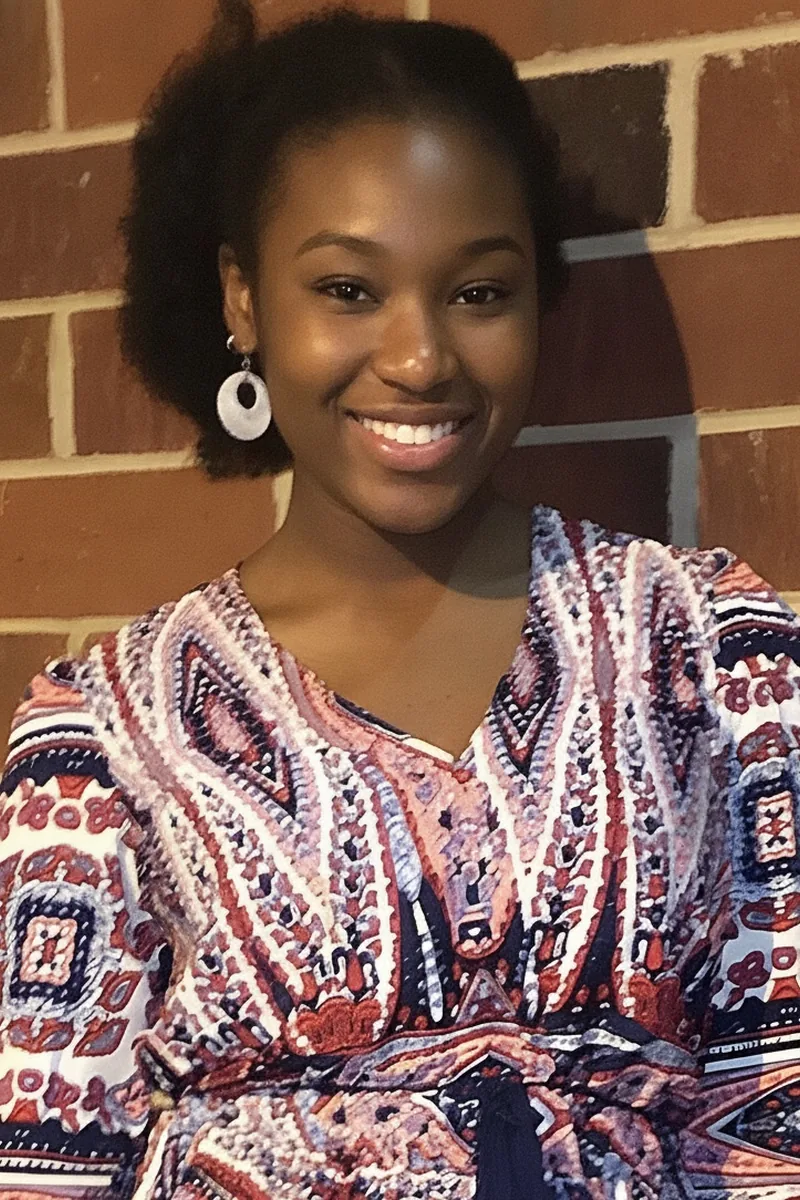
Memorizing dates and names only gets a student so far in history — the real skill is building causal arguments about why events unfolded the way they did. Ify approaches history by teaching students to read primary sources critically and structure essays around evidence-based claims. She keeps sessions conversational and judgment-free, so students feel comfortable working through ideas out loud.
Earnest treats history as an exercise in cause-and-effect reasoning, teaching students to trace how economic pressures, technological shifts, and political decisions connect across eras. His engineering mindset lends itself well to helping students construct evidence-based arguments for document-based questions and analytical essays.
Growing up in Charlotte — a city whose rapid transformation from textile hub to banking capital is itself a lesson in economic and demographic change — gave Isabel an early sense of how history plays out in real places. At UNC Chapel Hill, her broad coursework across sciences and humanities reinforced the skill history rewards most: pulling together evidence from different domains to build a coherent argument. She's especially effective at teaching students to move from a pile of sources to a clear, thesis-driven essay.
An anthropology background gives Morgan an unusual lens for history: she approaches events through cultural systems, power dynamics, and material conditions rather than just dates and names. She teaches students to construct document-based arguments and connect causes across time periods.
As an economic researcher in the public sector, Rebecca deals daily with the question of how policy decisions ripple through communities — which is really what history is about. She teaches students to analyze primary sources and trace cause-and-effect chains rather than memorize dates, connecting political, economic, and social forces into a coherent narrative. Her Berkeley background in economics and data science adds an analytical edge to understanding historical patterns.
Computer science students learn to think in systems — tracing how one input cascades through layers of logic to produce an outcome — and Jack brings that exact habit to history, where he teaches students to map how political decisions, economic pressures, and cultural shifts interconnect rather than treating them as separate facts to memorize. His strong writing and analytical reading skills, reflected in a 1540 SAT, translate directly to the document analysis and thesis-driven essays that history courses actually grade on.
Strong history students don't just recall events — they explain why those events mattered and how they connect to broader patterns. Daiven teaches students to read primary sources critically, identify cause-and-effect relationships, and build written arguments supported by specific evidence. His CLEP coursework in both American history and social sciences gives him a solid grasp of the content from multiple angles.
Physics majors spend their days building causal models — figuring out which forces and initial conditions produce which outcomes — and Gatlin brings that same cause-and-effect reasoning to history essays and document analysis. He teaches students to treat historical events like systems, tracing how economic pressures, political decisions, and social tensions interact to produce revolutions, wars, and policy shifts. Rated 4.8 by students.
Most science majors treat history as a list of facts to memorize, but Madison's biology training at Guilford actually built a useful habit: tracing how one change cascades into larger consequences, the same thinking behind ecological systems and evolutionary pressures. She applies that cause-and-effect instinct to teaching students how to construct historical arguments — connecting events like industrialization or public health crises to their deeper political and economic roots. Rated 5.0 by students.
Treating history as a set of arguments rather than a list of dates changes how students engage with everything from DBQs to essay exams. Cailee's liberal arts education at Michigan emphasized analyzing primary sources and understanding cause-and-effect chains across political, social, and economic dimensions. She teaches students to build evidence-driven claims that go beyond surface-level summary.
Physics trains you to ask 'why does this system behave this way?' — and Shourya brings that same causal thinking to history, pushing students to trace how political, economic, and technological forces interacted to produce specific outcomes. His approach to document analysis mirrors how a physicist reads a problem: identify the key variables, strip away the noise, and build an argument from what the evidence actually supports. Rated 4.9 by students.
Chemistry trains you to trace how one reaction triggers the next — a way of thinking that maps surprisingly well onto historical causation, where economic shifts, political decisions, and social movements cascade into each other. Srikavya uses that chain-of-consequences approach to teach students how to organize essays around why events unfolded, not just what happened. She's particularly effective at breaking down essay prompts and helping students pull specific evidence into structured arguments.
Every history text is really an argument disguised as a story, and Traci teaches students to read it that way — identifying bias, evaluating sources, and connecting cause to effect across events. Her psychology studies at North Carolina Central University sharpen her ability to unpack why people and societies made the choices they did. She brings that same analytical lens to timelines, primary documents, and essay prompts.
Emma approaches history as a discipline built on evidence and interpretation, not dates to memorize. Studying philosophy and economics at UVA taught her to read primary sources critically and construct cause-and-effect arguments — skills she now applies to everything from DBQ essays to understanding how economic forces shaped major turning points.
Most history assignments aren't really asking students to recall dates — they're asking them to build an argument from evidence. Kelsey approaches history through that lens, teaching students to read primary sources critically and organize their analysis into essays with clear, defensible claims.
Most students think history is about memorizing dates, but Colleen — a lifelong history buff who earned her Michigan degree in the subject — treats it as an argument built from evidence. She teaches students to read primary sources critically, identify bias, and construct essays that explain *why* events unfolded the way they did, not just *when*.
Statistics is fundamentally about asking whether the data actually supports the claim — and that same skepticism is exactly what good historical analysis requires. Taylor teaches students to interrogate sources the way a statistician interrogates a dataset: checking for bias, weighing the strength of evidence, and distinguishing correlation from causation in political and social narratives. Rated 4.9 by students.
Matthew approaches history the way he approaches engineering problems: by examining cause and effect, weighing evidence, and asking what structural forces drove an outcome. He teaches students to analyze primary sources and construct arguments rather than just memorize dates, which is especially useful for essay-based exams and AP-style document analysis.
Reading history critically — evaluating sources, recognizing bias, and constructing evidence-based arguments — overlaps heavily with the skills Molly sharpens daily as a journalism major at UNC Chapel Hill. She approaches history as a discipline built on interpretation, walking students through how to analyze primary documents and write persuasive historical essays.
Testimonials
Because the right History tutor makes all the difference.
Average Session Rating – Based on 3.4M Learner Ratings
Other Charlotte Tutors
Related Social Studies Tutors in Charlotte
Frequently Asked Questions
Varsity Tutors connects Charlotte students with expert tutors across all history disciplines—from U.S. History and World History to AP European History, AP U.S. History, and specialized topics like North Carolina history. Tutors work with students at every level, whether they're building foundational skills in elementary grades, preparing for state assessments, or tackling college-level coursework.
Many students struggle with synthesizing large amounts of information, understanding cause-and-effect relationships between events, and developing strong analytical writing skills—all critical for history success. Others find it difficult to remember dates and details, or to connect historical concepts to broader themes. Personalized tutoring helps students develop organizational strategies, practice essay writing with feedback, and learn to think like historians rather than just memorizing facts.
In a classroom of 16-18 students (Charlotte's average student-teacher ratio), teachers must move at a pace that works for the whole group, which can leave struggling students behind or hold advanced learners back. Personalized tutoring adapts to your student's specific needs—whether that's extra practice with document analysis, targeted essay revision, or accelerated preparation for AP exams. Tutors can also spend time on the exact topics your student finds confusing rather than moving on with the curriculum.
The first session focuses on understanding your student's current level, learning goals, and specific challenges—whether that's test anxiety, essay writing, or mastering a particular historical period. The tutor will assess what's working and what isn't, then create a personalized plan. This might include targeted practice with primary sources, structured note-taking strategies, or essay feedback cycles tailored to your student's needs.
Yes. Tutors working with Charlotte students are familiar with North Carolina's Standard Course of Study for history, as well as specific requirements from individual school districts and high schools. They can reinforce what's being taught in class, help students prepare for state assessments like EOC exams, and provide extra support on topics that align with your student's current unit or course.
Absolutely. Expert tutors help students master AP U.S. History, AP European History, and AP World History through targeted practice with the exam format, document-based questions (DBQs), short-answer questions, and long-essay questions. Tutors teach students how to analyze primary and secondary sources, develop strong historical arguments, and manage time effectively on test day—skills that lead to measurable score improvements.
Many students see meaningful progress within 4-6 weeks of consistent tutoring, especially when working on specific skills like essay writing or document analysis. For standardized test preparation, students often benefit from 8-12 weeks of focused study. Results depend on frequency of sessions, the student's starting point, and their engagement—but personalized instruction typically produces faster progress than classroom learning alone.
Varsity Tutors connects students with tutors who have strong academic backgrounds in history and proven teaching experience. Many hold advanced degrees, have taught history in schools, or specialize in specific areas like American history, world history, or test preparation. All tutors are vetted for subject expertise and the ability to explain complex historical concepts clearly to students at different levels.
Let’s find your perfect tutor
Answer a few quick questions. We’ll recommend the right plan and match you with a top 5% tutor.