Award-Winning History Tutors
serving Durham, NC
Award-Winning
History
Tutors in Durham
Private 1-on-1 tutoring, weekly live classes for academic support, test prep & enrichment, practice tests and diagnostics, and more to elevate grades and test scores.
Based on 3.4M Learner Ratings
UniversitiesSchools & Universities
DeliveredHours Delivered
ProficiencyGrowth in Proficiency
Who needs tutoring?
No obligation. Takes ~1 minute.
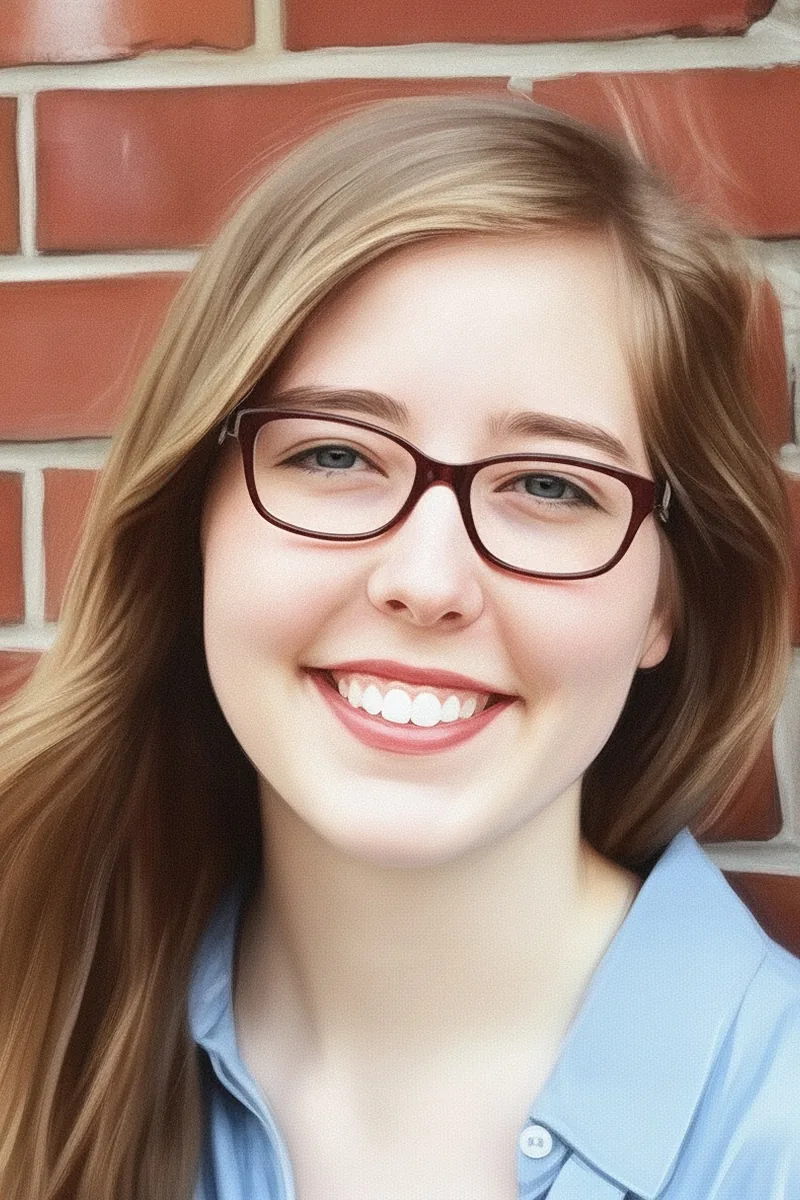
A psychology degree from Duke reshapes how you approach history — Frances reads political movements, revolutions, and policy debates through the question of what people feared, wanted, and believed at the time, which is exactly the kind of analysis that earns high marks on essays and DBQs. Her magna cum laude honors and professional writing background mean she's equally sharp on the craft side, coaching students to build tight, thesis-driven arguments from primary source evidence.

Reading memoirs and modern classics for fun — Eric counts Catcher in the Rye among his favorites — means he already thinks about how individual stories sit inside larger cultural and historical moments. His biomedical engineering coursework at Duke also drilled the habit of tracing systems back to root causes, which he applies to teaching students how to build causal arguments in history essays and document-based questions. Rated 5.0 by students.
An International Relations degree means Simon spent years studying how nations interact — treaty negotiations, border disputes, ideological rivalries — which is essentially modern history viewed through the lens of power and diplomacy. That training makes him especially effective at teaching students to analyze foreign policy decisions and geopolitical shifts in essays and DBQs, connecting individual events to the larger systems driving them. Rated 5.0 by students.
Callie approaches history the way she approaches scientific research: by teaching students to evaluate sources critically, weigh competing interpretations, and build evidence-based arguments. She's particularly effective at showing students how to write document-based essays that go beyond summarizing events and actually analyze cause, context, and consequence.
Writing for The Chronicle at Duke means Natalie regularly researches context, weighs competing accounts, and builds arguments on deadline — the same muscles history coursework demands. Her economics studies add a practical dimension, giving her a framework for explaining how fiscal policy and resource allocation drove events from industrialization to the New Deal. She teaches students to construct thesis-driven essays where every paragraph earns its place with specific evidence.
A neuroscience degree trains you to ask how people perceive, decide, and remember — questions that cut right to the heart of understanding historical actors and the societies they built. Julie brings that cognitive lens to primary source analysis and essay writing, pushing students to examine how belief systems and decision-making shaped events from the French Revolution to the Cold War. Rated 5.0 by students.
Understanding history means learning to read sources critically — asking who wrote something, why, and what they left out. Tammy applies the same evidence-evaluation skills she honed in her biochemistry and global health studies at Duke, where analyzing data in context was a daily requirement. She walks students through how to construct a thesis from primary documents and defend it with specificity.
Studying medical sociology at Duke means Zhong spends his time investigating how institutions, power structures, and social conditions shape human outcomes — which is exactly what good historical analysis demands. He teaches students to pull apart primary sources and build arguments around the social forces driving events, especially in areas where politics, public health, and inequality intersect. His 1590 SAT reflects the kind of close reading and analytical writing that history coursework rewards.
Studying economics at Duke gave Devanshi a habit of reading historical events through the lens of cause, consequence, and competing interests — not just memorizing dates and names. She teaches students to construct arguments using primary and secondary sources, which is exactly what document-based questions and history essays demand.
Growing up in Puerto Rico gave Eric a firsthand perspective on how colonialism, statehood debates, and economic policy shape a community's identity — the kind of lived context that makes historical analysis feel concrete rather than abstract. His math education background means he's wired to teach systematically, breaking document-based questions into clear steps: identify the claim, find the evidence, build the argument. Rated 5.0 by students.
Gregory approaches history the way he approaches any text: by asking what argument is being made, by whom, and for what purpose. His theology background gives him particular depth with religious and intellectual history — the Reformation, the Great Awakenings, Enlightenment thought — and how these movements shaped political and social change. He teaches students to read primary sources critically rather than treating the textbook as the final word.
Emmanuel approaches history the way he approaches medicine — by asking what caused what, and what evidence supports that claim. His background in critical care and clinical research means he's comfortable teaching students to evaluate primary sources, trace cause-and-effect chains, and construct arguments that go beyond surface-level summaries of events.
Two graduate degrees steeped in ancient history — a BA in History and Religious Studies from Duke and an MA from Yale focused on the ancient world — mean Justin doesn't just know historical content, he knows how historians actually think about evidence, periodization, and causation. He brings that training to bear on everything from document-based questions to thematic essays, teaching students to build arguments that connect religious, economic, and political forces rather than narrating events in sequence. Rated 5.0 by students.
Studying economics at Duke means Roger constantly engages with historical context — trade policy, institutional development, the causes and consequences of major economic shifts. He teaches history as a discipline built on evidence and argument, walking students through how to analyze primary sources and connect events into causal chains. That analytical framework turns memorization-heavy material into something students can actually reason through.
A Dartmouth history major now pursuing a PhD in Education at Boston College, Jennifer treats history as an exercise in argument — teaching students to interrogate primary sources, identify bias, and build thesis-driven essays rather than memorize dates. Whether the topic is the French Revolution or Cold War diplomacy, she connects events to the larger structures of power and change that make history click. Rated 5.0 by students.
A fourth-year medical student with a biochemistry background, Jordan isn't the obvious pick for history — but medical training sharpens exactly the skills history demands: sifting through dense material, weighing conflicting evidence, and building a coherent argument under pressure. He applies that same structured thinking to essay organization and source analysis, making him a strong fit for students who need help turning raw historical content into clear, thesis-driven writing.
Jordan approaches history the way an engineer approaches a system: by asking how the pieces connect and why certain outcomes followed from specific conditions. That analytical framework turns what can feel like rote memorization of dates and events into a process of building cause-and-effect chains students can actually reason through.
Studying public policy at Duke means constantly connecting historical context to present-day decisions — why Bretton Woods still shapes trade, or how Reconstruction-era choices echo in modern housing policy. Matt teaches students to build cause-and-effect arguments from primary sources rather than treating history as a list of dates to recall.
While history isn't her primary discipline, Molly's love of reading and writing gives her strong analytical tools for the subject. She approaches historical questions the way she approaches scientific ones — examining evidence, questioning sources, and building arguments — which is especially useful for students learning to write document-based essays.
While history isn't her primary discipline, Erinn's engineering education required extensive analysis of how scientific and technological developments shaped societies — from the Industrial Revolution to modern bioethics debates. She teaches students to build cause-and-effect arguments and support claims with specific evidence, skills that transfer directly to history essays and document-based questions.
Two theology degrees — one focused on Systematic and Historical Theology — mean Myles has spent years tracing how ideas about authority, justice, and human nature shaped civilizations from the Roman Empire through the Reformation and beyond. That intellectual history lens is especially useful for students who struggle to connect religious movements, political upheavals, and cultural shifts into coherent essay arguments. Rated 5.0 by students.
Treating history as a set of arguments rather than a list of dates changes how students engage with the material. Bailey's interdisciplinary program at Duke and Duke Kunshan University — where she studied across American and global contexts — gave her practice analyzing primary sources and connecting political, economic, and social forces across time periods. She teaches students to read historical documents critically and build evidence-driven responses.
Biomedical engineering at Duke isn't all lab work — Beepul's coursework weaves in the history of medical innovation, public health policy, and the ethical debates that shaped modern science. That background gives him a practical angle on teaching students to organize essay responses around clear claims supported by specific historical evidence. He's a good fit for students who need structure and logical reasoning brought to a subject that can feel overwhelming.
Behavioral science at Duke trained Anastasia to ask the question that makes history essays click: why do groups of people act the way they do under pressure? She brings that lens to everything from analyzing the causes of social movements to unpacking how propaganda shaped public opinion during wartime. Rated 5.0 by students.
Susie approaches history the way she approaches debugging: trace the cause-and-effect chain until the bigger picture makes sense. Rather than drilling dates, she teaches students to read primary sources critically and build arguments that connect events to their political, economic, and social contexts. That analytical framework makes essay prompts and document-based questions far more manageable.
Neuroscience research is essentially detective work — tracing how one cellular event cascades into larger systemic changes — and Kristina brings that same cause-and-effect reasoning to historical analysis. Her experience teaching undergraduates and graduate students at Duke and Washington University in St. Louis means she knows how to walk someone through complex material and show them how to build an argument from evidence, whether that evidence is a brain scan or a primary source document. Rated 5.0 by students.
An English and Political Science double major at Duke, Arial reads historical texts the way her coursework trained her to — closely, with an eye for whose voice is being amplified and whose is being left out. That literary and political lens is particularly useful when students need to unpack primary sources, evaluate competing narratives, or build a thesis that goes beyond surface-level summary. She treats history essays as arguments that need the same careful structure and evidence as a strong literary analysis.
Fifteen years of teaching across wildly different subjects — from rock climbing to essay writing — trained Sonja to explain unfamiliar material by anchoring it in what a student already understands, which is exactly what history requires when connecting distant events to modern life. Her environmental science degree also gives her a concrete angle on topics like industrialization, westward expansion, and resource conflicts, where ecological cause-and-effect makes the politics click. Rated 5.0 by students.
While history isn't Elisa's primary discipline, her engineering education included studying how infrastructure, industrialization, and urban planning shaped societies — from Roman aqueducts to the Interstate Highway System. She brings that concrete, cause-and-effect lens to historical reasoning and document analysis.
Reading a historical source is really about asking the right questions — who wrote it, what they wanted, and what they left out. Timothy's double major in Economics and Psychology at Emory trained him to analyze human behavior and institutional incentives, which turns out to be exactly how you make sense of cause-and-effect in history. He teaches students to build arguments from evidence rather than just memorize dates and names.
Tristan treats history the way his linguistics training treats language: as a system shaped by context, power, and change over time. He teaches students to read primary sources critically and build document-based arguments rather than just memorize dates and names. His broad humanities background at William & Mary — spanning French, Latin, and English — gives him strong footing across European, colonial, and world history topics.
Rayhan earned his History degree from Duke University and currently teaches middle school History with 7-12 certification, so he knows how to break down everything from ancient civilizations to modern geopolitics at the right level of depth. He treats history as an argument — teaching students to weigh evidence, identify bias in primary sources, and build interpretive claims rather than just memorize dates. Rated 5.0 by students.
Biology majors spend four years reading primary literature and building arguments from evidence — Amanda channels that same skill into history, where she teaches students to dissect documents and construct thesis-driven essays about cause and effect. Her Duke coursework in Spanish and literature also means she can help students engage with Latin American and European historical sources in ways that go beyond surface-level summaries. Rated 5.0 by students.
Memorizing dates and names rarely produces real understanding of history — what matters is learning to ask why events unfolded the way they did and how to support an interpretation with evidence. Future treats history as an exercise in argumentation, teaching students to read primary sources critically and connect causes to consequences. Her liberal arts training at Penn reinforces the analytical reading and writing skills that history courses demand.
Emily treats history as a set of stories worth arguing about — teaching students to look at primary sources, ask who wrote them and why, and build their own interpretations from evidence. Her science background adds an unexpected edge, especially when covering topics like the Industrial Revolution or the history of environmental policy, where she can connect scientific developments to their social consequences.
Cellular and molecular biology training means Julia spends most of her time evaluating evidence, building arguments from data, and distinguishing correlation from causation — skills that map directly onto analyzing historical sources and writing document-based essays. She's especially effective at teaching students to dissect primary sources the way a scientist dissects a research paper: identifying the claim, weighing the evidence, and spotting what's been left out. Rated 4.8 by students.
Kailee treats history as a puzzle rather than a list of dates, teaching students to ask why events unfolded the way they did and how to back up their answers with evidence. Her science background brings an unexpected edge — she's trained to evaluate sources and trace cause-and-effect chains, which maps directly onto historical analysis.
Kathleen treats history as an exercise in constructing and evaluating arguments from evidence, not memorizing dates. Her analytical training across multiple disciplines sharpens how she teaches students to read primary sources critically, identify cause-and-effect chains, and write document-based essays that earn top marks.
Nursing school immerses you in case studies — piecing together a patient's history from scattered records, lab results, and clinical notes to figure out what's actually going on. Emily brings that same investigative habit to history, teaching students to read primary sources like diagnostic clues and build arguments around why events unfolded, not just when. Her graduate-level research and writing experience translates directly to the document analysis and essay structure that history courses demand.
Lane's degree in Social and Global Studies means history isn't just a list of dates and battles — it's a way of understanding how trade networks, political revolutions, and cultural movements shaped the world students actually live in. He teaches students to trace cause-and-effect chains across eras, building the kind of analytical thinking that turns a memorized timeline into a real argument.
Testimonials
Because the right History tutor makes all the difference.
Average Session Rating – Based on 3.4M Learner Ratings
Other Durham Tutors
Related Social Studies Tutors in Durham
Frequently Asked Questions
Varsity Tutors matches Durham students with expert History tutors for 1-on-1 instruction. We pair each student with a tutor based on their specific needs, learning style, and goals.
Whether you need homework help, exam prep, or want to get ahead, our History tutors are ready to help.
Common challenges include gaps from earlier material, difficulty with specific concepts, and trouble applying learning to new problems. These issues can snowball quickly in History.
A tutor identifies where you're stuck, fills in gaps, and provides targeted practice. The 1-on-1 format means you get help exactly where you need it.
Tutors work with your student's actual coursework—homework assignments, class notes, and upcoming tests. This keeps tutoring directly relevant to what's happening in the classroom.
When you share information about your student's school and curriculum, we can match you with a tutor who has relevant experience.
All tutors complete background checks, credential verification, and teaching evaluation. Many of our History tutors hold advanced degrees or have years of teaching experience.
You can review tutor profiles to find someone with the right background for your student's level and needs.
Many students see improved grades within a few weeks, along with better understanding of History concepts and more confidence tackling challenging material.
Tutors track progress and adjust their approach to ensure continued improvement.
Most students benefit from 1-2 sessions per week. More frequent sessions help if your student is significantly behind or has an important exam coming up.
Your tutor can recommend a schedule based on your student's specific situation and goals.
Tutoring is purchased in packages of hours, with rates varying by tutor experience. Varsity Tutors offers several options to fit different budgets and needs.
You can discuss pricing during your consultation to find what works best.
Your tutor will assess where your student is, discuss goals, and start working on priority areas. Most students bring current homework or upcoming test material to focus on.
By the end, you'll have a clear sense of how the tutor can help and a plan for moving forward.
Let’s find your perfect tutor
Answer a few quick questions. We’ll recommend the right plan and match you with a top 5% tutor.