Award-Winning History Tutors
serving Bronx, NY
History
Tutors in Bronx
Private 1-on-1 tutoring, weekly live classes for academic support, test prep & enrichment, practice tests and diagnostics, and more to elevate grades and test scores.
Based on 3.4M Learner Ratings
UniversitiesSchools & Universities
DeliveredHours Delivered
ProficiencyGrowth in Proficiency
Who needs tutoring?
No obligation. Takes ~1 minute.
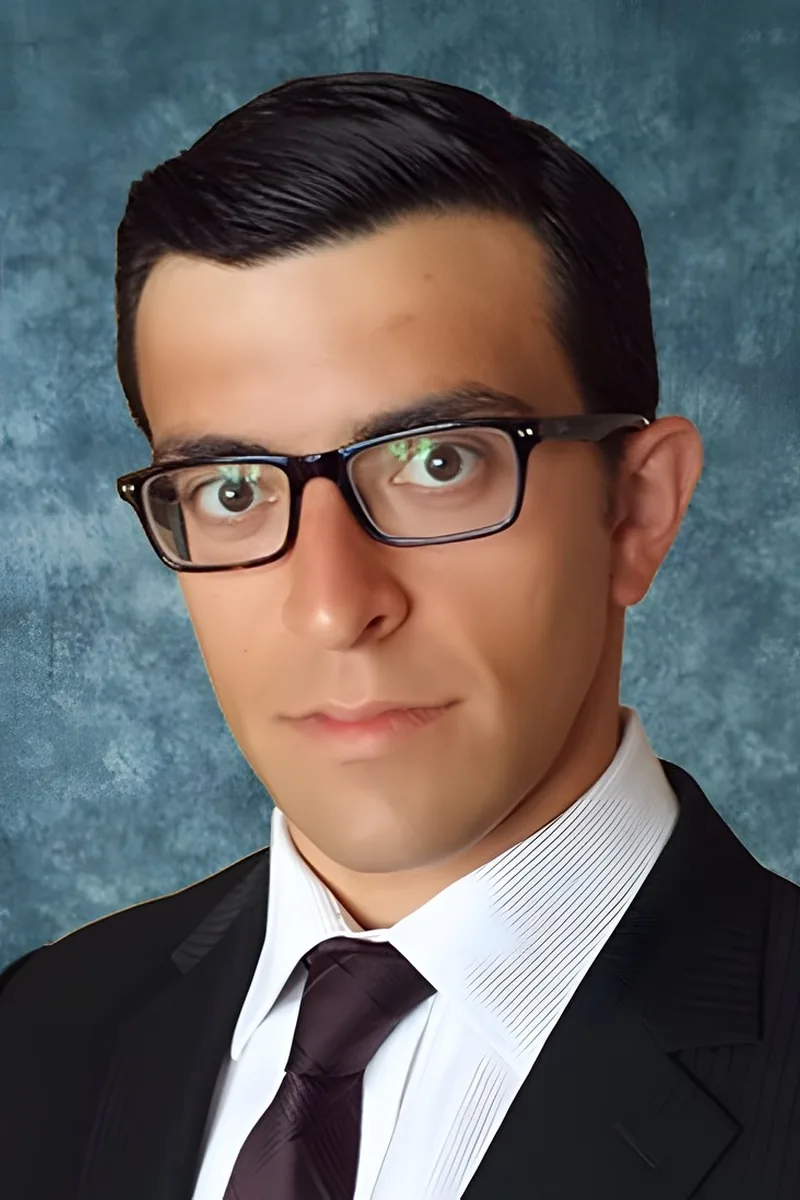
Medical school trains you to take a patient's full history — piecing together scattered details into a coherent narrative that explains how someone got where they are. Michael applies that same diagnostic thinking to historical analysis, teaching students to trace how political, cultural, and economic pressures converged to produce turning points like revolutions or policy shifts. His Writing Center experience at Yeshiva also means he knows how to sharpen a thesis-driven essay, which is where most history grades are actually won or lost.
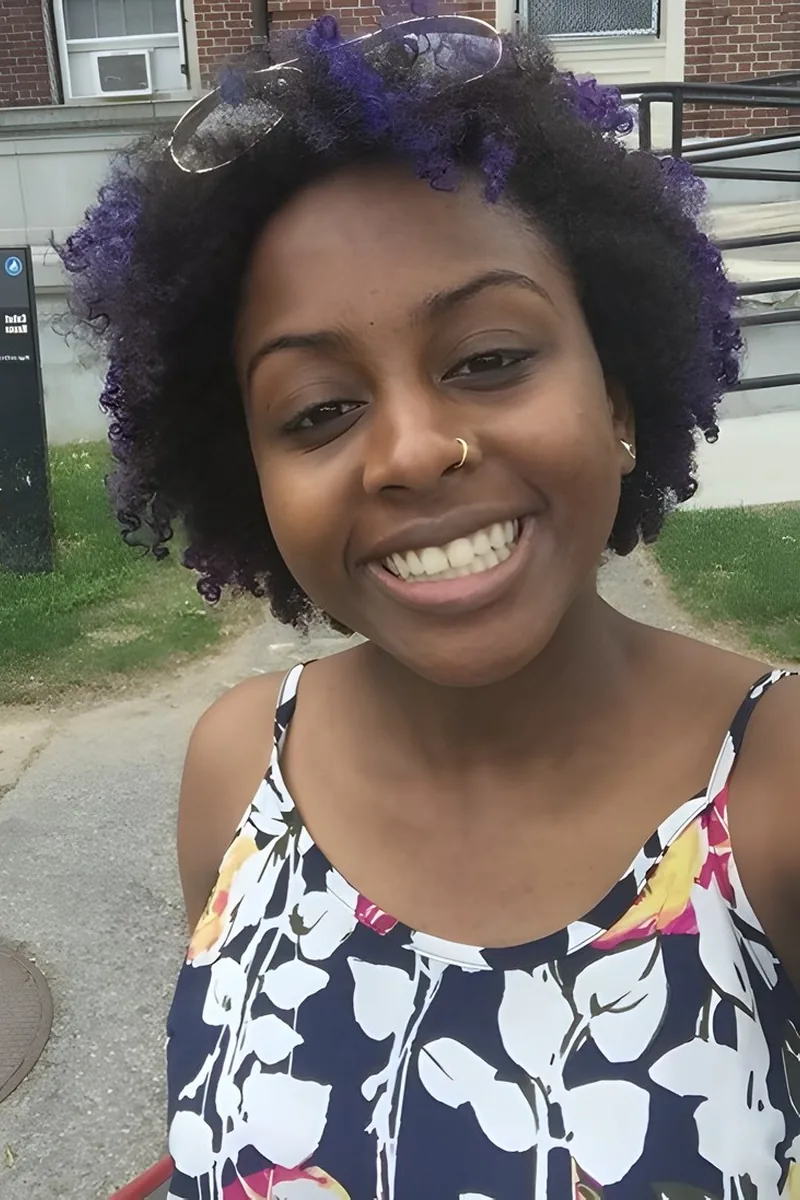
Studying African American Studies at Harvard means Gabriela doesn't just know historical events — she knows how to interrogate primary sources, weigh conflicting accounts, and construct arguments grounded in evidence. She teaches students to approach history as a discipline of interpretation rather than a list of dates to memorize. Whether it's a DBQ essay or a chapter exam, she unpacks the reasoning skills that make the content stick.
Nicholas treats history less as a set of dates to memorize and more as a series of cause-and-effect chains worth understanding. Whether a student is working through the lead-up to World War I or analyzing Reconstruction-era policies, he emphasizes building arguments from evidence — a skill that transfers directly to essay exams and document-based questions.
Too many history courses feel like a parade of dates and names with no connective thread. Devon, whose master's work in African Studies required deep engagement with colonialism, diaspora, and political movements, teaches students to analyze causes, trace consequences, and argue from evidence. He's especially effective at connecting overlooked histories to the broader narratives students encounter in class.
Reading history well is really about reading arguments well — identifying a source's bias, weighing competing accounts, and constructing a thesis from evidence. Ivan has spent ten years teaching English in NYC classrooms, and the document analysis and persuasive writing skills he sharpens daily transfer naturally to history essays and DBQs.
Strong history writing isn't about recounting events — it's about constructing an argument from evidence and understanding why sources contradict each other. Dan's literary training in comparative literature sharpened his ability to analyze primary documents, identify rhetorical strategies, and build interpretive claims. He teaches students to read historical texts the way a scholar does: skeptically, contextually, and with an eye toward what's left unsaid.
Abigail treats history as a discipline of competing interpretations, not a list of dates to memorize. Her work at the European Parliament and the United Nations gave her firsthand exposure to how political decisions shape the historical record, and she brings that perspective into sessions — teaching students to evaluate primary sources, identify causation, and write evidence-driven arguments.
Cofounding a college and career readiness program for local high school students meant Victoria spent years teaching teenagers to read critically, build arguments, and connect ideas across disciplines — all core history skills. Her Cornell training in Biology and Society, which examines how scientific developments intertwine with political movements, social policy, and cultural shifts, gives her a natural way to unpack the *human* forces behind historical events. She's especially effective when students need to move from knowing facts to writing essays that explain why those facts mattered.
While history isn't Taylor's primary discipline, her neuroscience and liberal arts training at Washington University required extensive work with primary sources, argumentative writing, and evidence-based reasoning. She approaches historical topics by teaching students to build clear, thesis-driven arguments rather than just memorize dates and names.
A year teaching third graders in New York City with City Year taught Samantha something about history that textbooks don't — how to make distant events feel immediate and relevant to someone who wasn't there. Her science background at UCLA means she naturally looks for cause-and-effect chains in historical material, which is exactly the kind of thinking that DBQs and essay prompts reward. She's especially comfortable walking students through how to pull a clear argument out of a pile of sources and dates.
Engineering coursework at Carnegie Mellon drills one thing relentlessly: tracing how systems fail by working backward from outcomes to root causes. Chimdi brings that same diagnostic thinking to history, teaching students to unpack why events like revolutions or policy collapses happened by analyzing the political and economic pressures that built up beforehand — the kind of causal reasoning that earns top marks on essays and DBQs.
Studying anthropology at Fordham meant Laura spent years analyzing how societies organize, conflict, and evolve — skills that map directly onto historical thinking. She teaches students to read primary sources critically and build arguments that connect causes to consequences, rather than treating history as a list of dates. Rated 5.0 by students.
Treating history as a set of competing arguments rather than a list of dates changes how students engage with the material. Zarrin's philosophy background at Mount Holyoke trained her to evaluate claims, weigh evidence, and identify assumptions — skills she now applies to teaching historical analysis. She's especially effective at connecting cause-and-effect reasoning across different periods and regions.
A psychology major at Boston University, June reads historical events through the question that drives her field: why do people behave the way they do? She applies that lens to help students unpack the motivations behind political movements, social upheavals, and policy decisions — the kind of causal reasoning that turns a mediocre essay into a sharp one.
Joshua approaches history as a discipline built on reading and argumentation — skills his English background sharpened at Fordham. He teaches students to dissect primary sources, identify authorial bias, and construct thesis-driven essays that treat historical events as debates rather than facts to memorize. Rated 5.0 by students, he's especially effective for assignments where strong writing separates a B from an A.
Holding a degree in political science, Charles approaches history as a discipline built on cause-and-effect reasoning and competing interpretations — not memorized dates. He teaches students to read primary sources critically, connect events to broader political and economic forces, and write document-based essays that make a clear argument rather than just summarizing what happened.
Memorizing dates and names only gets a student so far — the real challenge in history is constructing cause-and-effect arguments from messy, contradictory sources. Miguel approaches each unit by teaching students to read primary documents critically, identify bias, and connect events across political, economic, and social dimensions rather than treating each chapter as an isolated story.
Studying classics at Swarthmore means living inside ancient history — tracing how political systems, economies, and cultural movements shaped civilizations from Mesopotamia through Rome. Nathaniel approaches history as an exercise in reading sources critically and constructing arguments from evidence, skills that transfer whether a student is tackling AP World or a college-level survey course.
Ava treats history the way her Fordham philosophy courses taught her to treat any text: by asking who wrote it, what they wanted, and what they left out. That analytical habit turns rote memorization of dates into genuine understanding of cause and effect, whether students are covering the Constitutional Convention or the Civil Rights Movement.
International relations and economics are inseparable from history — and Gregory's background in both fields at Fordham and Seton Hall means he teaches historical events through the political and economic forces that drove them. Whether it's tracing the causes of World War I through alliance systems or analyzing Cold War proxy conflicts, he connects the dots between events rather than treating them as isolated facts.
Years of reading and writing across genres — from literature to college essays to editorial work — trained Jonathan to do what history courses actually test: pull a coherent argument out of complicated, sometimes contradictory material. His math background adds an unusual edge, pushing students to think about historical causation with the same rigor they'd bring to a proof — no hand-waving, no vague claims, just evidence linked tightly to a thesis.
Studying economics and finance at Fordham gave Cole a lens for understanding history through cause and effect — trade policies, resource conflicts, shifts in political power. He teaches students to analyze primary sources and build document-based arguments, connecting events like the Industrial Revolution or Cold War diplomacy to the economic forces driving them.
While history isn't Jonathan's primary discipline, his liberal arts training and love of reading give him strong instincts for source analysis and argumentative writing — two skills that drive success in any history course. He's especially effective at teaching students how to structure a document-based essay with a clear thesis and well-organized evidence.
A PhD in physics might seem like an odd fit for history, but Muhammed's training is fundamentally about building causal models — figuring out which forces produce which outcomes and testing those explanations against evidence. He applies that same discipline to historical analysis, teaching students to treat events like the Industrial Revolution or the fall of empires as systems with identifiable drivers rather than just sequences to memorize. It's a more analytical approach that pays off especially on essay prompts asking students to explain *why* something happened.
Understanding history means learning to read sources critically and construct arguments about cause and effect, not just recall events in order. Vicquaja approaches historical topics through an economics and psychology lens, connecting political decisions to economic pressures and group behavior patterns in ways that make the material click for students who struggle with pure memorization.
Mimi's art history training at Dartmouth taught her to read history through objects — a propaganda poster, a cathedral floor plan, a photograph's framing — which makes her approach to the subject unusually vivid. She teaches students to analyze primary sources the way a museum educator would: examining context, audience, and purpose before drawing conclusions. This builds the kind of evidence-based reasoning that shows up in strong DBQ essays and class discussions alike.
Neurobiology training at Northwestern taught Nina to read research through layers of context — why a study was funded, which assumptions shaped its design, which cultural forces made certain questions worth asking. That same instinct for interrogating the *why behind the what* translates directly to history, where she teaches students to dig into the motivations and conditions behind events rather than summarizing outcomes. Rated 5.0 by students.
A sociology degree from Wesleyan and a PhD in Education mean Reid reads history the way a sociologist does — tracing how institutions, class structures, and cultural norms shaped the events that textbooks often present as inevitable. That lens is particularly effective for teaching students to write essays that explain social movements, policy shifts, and political upheavals through systemic causes rather than just individual actors. His 32 ACT reflects the kind of analytical reading and argumentation that history coursework consistently rewards.
Running a charter middle school's tutoring program in Boston — and earning a master's in special education along the way — gave Liz years of practice adapting how she teaches the same historical material to students who process information very differently. Her History degree from Washington University in St. Louis means the content knowledge runs deep, especially around primary source analysis and constructing document-based arguments. That combination of subject expertise and individualized instructional strategy is particularly useful for students who've struggled with history's heavy reading and writing demands.
A sociology degree is essentially a history degree with a different question — not just *what* happened, but *why* social structures made it likely. Solange uses that training to teach students how to read primary sources critically, connect events to broader patterns of migration, inequality, or governance, and build arguments that go beyond surface-level timelines. She's especially strong on American social history and modern global movements.
A PhD program at the University of Chicago immersed Justin in an intellectual culture where historical context matters — understanding how ideas developed over time and why certain arguments won out over others. He applies that same rigor to history tutoring, teaching students to evaluate sources critically and construct essays that do more than recite facts.
Years of reading and writing across genres — Sabira lists books, writing, and art among her core interests — gave her a habit of close reading that pays off when students need to analyze primary sources or craft thesis-driven historical arguments. Her applied math training at Johns Hopkins adds an unexpected edge: she's comfortable with data-heavy history topics like demographic shifts, economic causes of conflict, and interpreting statistical evidence in document-based questions. Rated 5.0 by students.
While history isn't his core subject, James's Harvard education required rigorous engagement with primary sources and argumentative writing across disciplines. He approaches history the way he approaches science — by teaching students to evaluate evidence, identify cause-and-effect relationships, and build claims that hold up under scrutiny. That analytical framework translates especially well to document-based questions and essay exams.
A sociology degree means Daniel sees history through the lens of social structures, movements, and power dynamics rather than just names and dates. He teaches students to analyze primary sources and build cause-and-effect arguments, skills that transfer directly to document-based questions and research essays. His 5.0 rating speaks to how well that analytical approach lands.
Sung's chemistry training built a habit of asking what's actually driving a reaction — a skill that transfers surprisingly well to historical analysis, where the question is what's driving an event. He teaches students to identify the underlying political, economic, and social pressures behind key turning points rather than treating history as a sequence to memorize. Rated 5.0 by students.
Succeeding in history requires more than memorizing dates — it demands reading dense primary sources, constructing document-based arguments, and connecting causes to consequences across time periods. Sherry's UChicago education emphasized exactly this kind of analytical writing and close reading, and her experience teaching language arts at every level means she can coach students through the writing-heavy demands of history coursework.
Engineering majors at Princeton don't just solve equations — they study how technological breakthroughs, resource constraints, and industrial revolutions reshaped entire civilizations, which gives Matthew a practical lens for understanding historical cause and effect. He's strongest at teaching students to build structured arguments for essays and exams, approaching a history prompt the way an engineer approaches a design problem: define the question, gather evidence, and construct a logical case.
Religious studies at Yale means Maya spent years doing exactly what strong history students need to do: reading primary texts from unfamiliar contexts, reconstructing how people in different eras actually understood their world, and building arguments about why belief systems drove political and social change. That training makes her especially sharp on topics where religion and history intertwine — the Reformation, colonial missionary movements, civil rights activism rooted in the Black church. Rated 5.0 by students.
While history isn't Jai's core academic background, his consulting career trained him to build evidence-based arguments quickly — a skill that translates directly to writing strong DBQs and analytical essays. He teaches students to treat historical sources like data: identify what they prove, what they leave out, and how to weave them into a coherent thesis.
Josef's undergraduate work at Cornell sat at the intersection of life sciences and social studies, so he's practiced at reading historical sources through an analytical, evidence-driven lens. He teaches students to build arguments from primary documents and trace cause-and-effect relationships across political, economic, and social contexts.
Testimonials
Because the right History tutor makes all the difference.
Average Session Rating – Based on 3.4M Learner Ratings
Other Bronx Tutors
Related Social Studies Tutors in Bronx
Frequently Asked Questions
Many students struggle with memorizing dates and names without understanding the broader context and cause-and-effect relationships between events. Others find it difficult to analyze primary sources, construct evidence-based arguments, or connect historical concepts to modern issues. Personalized tutoring helps students move beyond memorization to develop critical thinking skills that make History more meaningful and retention stronger.
In a classroom with an 11.8:1 student-teacher ratio, it's challenging for teachers to address each student's specific learning gaps or pace. Personalized 1-on-1 instruction allows tutors to identify whether a student struggles with essay writing, source analysis, or chronological reasoning—and focus directly on those areas. Tutors can also adapt their teaching style to match how each student learns best, whether through timelines, debates, document analysis, or thematic connections.
Tutors working with Varsity Tutors are experienced with New York State History standards and the curricula used across Bronx schools. They understand grade-level expectations—from elementary social studies through AP U.S. History, AP World History, and AP European History—and can reinforce what's being taught in class while filling knowledge gaps. Whether your student needs support with state assessments, Regents exams, or AP preparation, tutors tailor their approach to match your school's specific requirements.
Yes—essay writing and primary source analysis are core skills in History, and many students need targeted practice. Tutors help students develop thesis statements, organize arguments with historical evidence, analyze perspective and bias in documents, and improve their analytical writing. Through guided practice and constructive feedback, students build confidence in tackling DBQs (Document-Based Questions), thematic essays, and analytical responses required for classroom assessments and standardized exams.
The first session is focused on understanding your student's needs, learning style, and specific challenges in History. The tutor will assess current knowledge, discuss upcoming assignments or exams, and identify whether the student needs help with content mastery, test preparation, essay skills, or study strategies. From there, they'll create a personalized plan and begin working on the most pressing priorities, whether that's preparing for a Regents exam or improving performance on unit tests.
Yes. Tutors connect Bronx students with expertise in AP U.S. History, AP World History, and AP European History. They help students master content across all time periods, develop strong analytical and writing skills required for the exam, and practice with released AP questions and full-length practice tests. With personalized instruction, students can focus on their weakest units and refine test-taking strategies to improve their chances of scoring 4s and 5s.
Many students show measurable improvement within 4-6 weeks of consistent tutoring, especially when working on specific skills like essay writing or source analysis. However, the timeline depends on the student's starting point, frequency of sessions, and the scope of material being covered. Regular tutoring combined with active practice between sessions accelerates progress—students who engage with their tutor's guidance and complete assignments typically see stronger results faster.
Getting started is simple—tell Varsity Tutors about your student's grade level, specific History challenges, and goals (whether it's improving grades, preparing for an exam, or building confidence). You'll be matched with a tutor who has expertise in the relevant curriculum and experience working with students in similar situations. Most students can begin their first personalized session within days of connecting with their tutor.
Let’s find your perfect tutor
Answer a few quick questions. We’ll recommend the right plan and match you with a top 5% tutor.