Award-Winning History Tutors
serving Staten Island, NY
History
Tutors in Staten Island
Private 1-on-1 tutoring, weekly live classes for academic support, test prep & enrichment, practice tests and diagnostics, and more to elevate grades and test scores.
Based on 3.4M Learner Ratings
UniversitiesSchools & Universities
DeliveredHours Delivered
ProficiencyGrowth in Proficiency
Who needs tutoring?
No obligation. Takes ~1 minute.
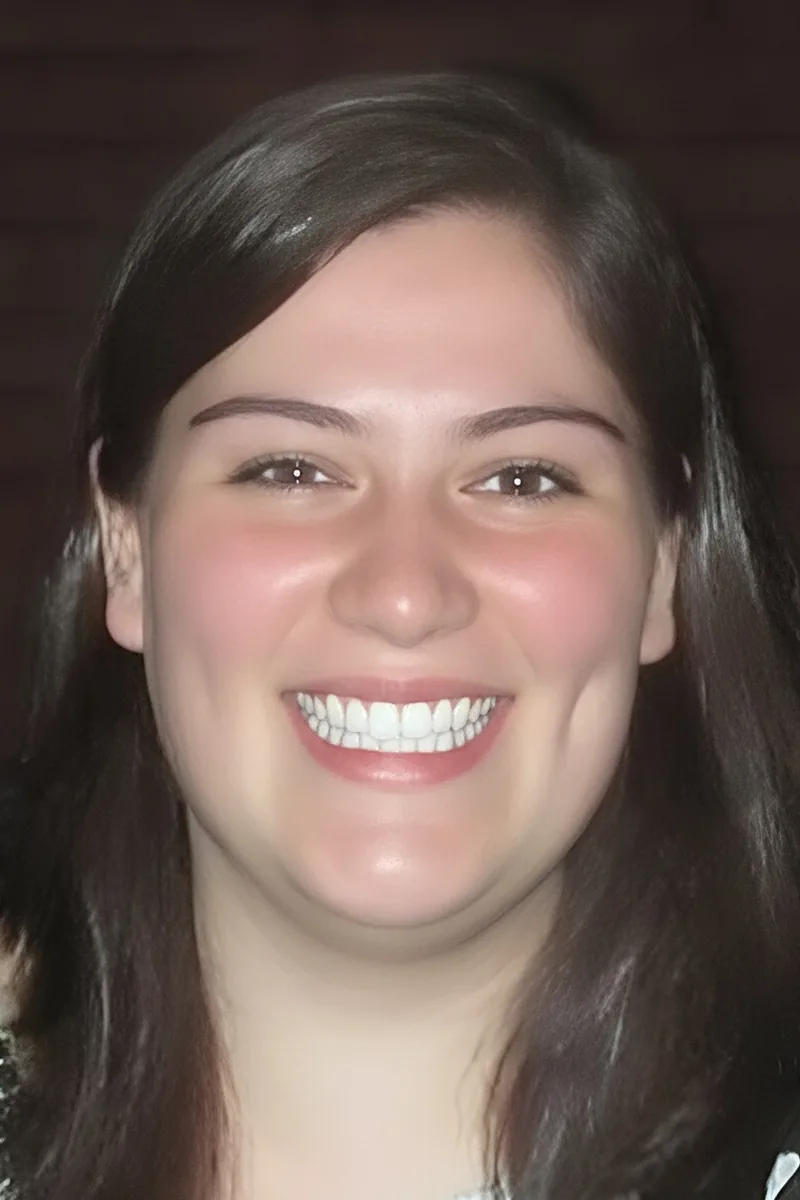
Civil engineering is fundamentally about understanding how structures bear loads over time — and Catherine brings that same cause-and-consequence thinking to history, tracing how political pressures, resource constraints, and social tensions build until something gives. Her Cooper Union training emphasized reading technical documents critically and constructing precise written arguments, skills that translate directly to document-based questions and thesis-driven essays. Rated 5.0 by students.
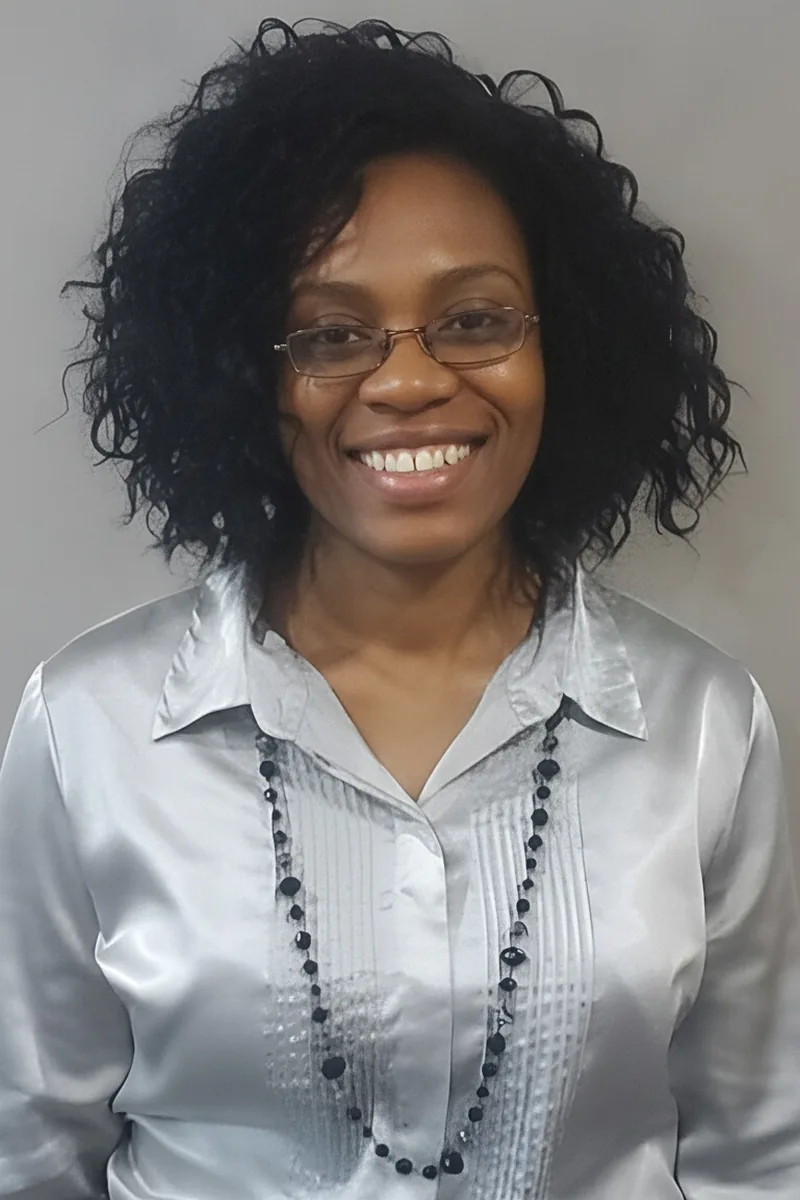
Reading history like a lawyer — weighing evidence, questioning sources, building an argument from competing accounts — is exactly the approach Monique takes with her students. Her legal training sharpened her ability to break down primary documents and construct the kind of thesis-driven analysis that history courses reward.
Economics training at Macaulay Honors College gave Robert a lens for history that most tutors lack — he connects political events to the economic forces driving them, whether analyzing the causes of the Great Depression or the Cold War's trade dynamics. That analytical approach turns history from a subject students memorize into one they can actually argue about using evidence.
Teaching English with a UNESCO-recognized organization abroad gave Matthew firsthand exposure to how cultural context shapes the way people understand their own past — a perspective that enriches his approach to world history and cross-cultural topics. His physics training also means he's comfortable with cause-and-effect reasoning, which he applies to helping students build thesis-driven arguments about why events unfolded the way they did rather than just recounting what happened.
I am excited to tutor because I know what it feels like to get stuck and I'm happy to help people who encounter challenges in their studies. Though frustrating, there's something really valuable about these moments when you're not quite getting it. It means that by proceeding slowly and practicing a new concept or strategy you'll learn a new skill that will stick with you even more because it took some work to master. My focus in teaching is in French and, more broadly, language arts. I studied French Literature at New York University because of my passion for literature, creativity, and expression. Learning a new language opens up more than just a new literary world but also lets you tap into another set of human experiences, expression, emotion, history. I think the greatest reward in teaching French and language arts is helping a student connect with a text and gain access to someone else's experience, what someone else thought important enough to write down, and then how this connection can help reframe the reader's thinking - deepening, challenging, or shifting the ways our own thought. Apart from the study and appreciation of literature, learning a language at a linguistic level is invaluable. It promotes human connection, openness of thought, and pushes one's own capacity and diversity of self-expression.
A premed biology major might seem like an unlikely history tutor, but Laveda's strength here is the same skill that powers her science coursework: reading closely, weighing evidence, and building an argument that holds up under scrutiny. She's especially effective at teaching students how to tackle document-based questions by treating primary sources the way a scientist treats data — asking what it actually proves rather than what it seems to say. Rated 4.9 by students.
Christopher treats history less as a list of dates and more as a series of cause-and-effect chains that students can actually reason through. Whether the topic is the lead-up to the Civil War or Cold War foreign policy, he teaches students to connect economic pressures, political decisions, and social movements into a coherent narrative they can recall and write about persuasively.
An MFA in English means Tatiana has spent years doing exactly what history courses ask for — close reading of texts, building arguments from evidence, and writing with precision under pressure. She brings that literary training to bear on document analysis and essay construction, teaching students to read a primary source the way she'd read a novel: for subtext, intent, and what's deliberately left unsaid. Rated 5.0 by students.
Engineering coursework trains you to ask how systems work — and Liza brings that same instinct to history, digging into how political structures, technological shifts, and social pressures interacted to produce specific outcomes. Her biomedical engineering background means she's comfortable with complexity, which pays off when students need to untangle overlapping causes in essay prompts or document-based questions. Rated 5.0 by students.
Fayad's strength in history comes from the same place as his writing and literature chops — he reads sources closely, catches what's being argued beneath the surface, and knows how to build a case from evidence. That makes him especially effective for students struggling with document-based questions, where the real challenge isn't knowing the facts but interpreting tone, purpose, and context. Rated 4.5 by students.
Olga approaches history as an exercise in argument-building: every event has competing interpretations, and the real skill is evaluating sources to construct a defensible claim. Her strength in both writing and analytical reading means she can teach students to craft document-based essays where the evidence does the heavy lifting. That combination of research thinking and clear prose is exactly what history courses reward.
Daniel's psychology training gives him a useful edge in history: he teaches students to examine historical figures' motivations, group dynamics, and decision-making under pressure, turning dry timelines into human stories that make sense. Whether the assignment is a DBQ or a thematic essay, he shows students how to pull a clear argument out of messy, conflicting sources.
Winson treats history as a series of cause-and-effect puzzles rather than a list of names and dates to memorize. His business background at Boston University gives him a knack for connecting economic forces and political decisions into narratives that actually make sense. Rated 5.0 by students, he makes even dense historical periods feel approachable.
History isn't Martin's core discipline, but his analytical mindset transfers well to evaluating cause-and-effect relationships and constructing evidence-based arguments from primary sources. He approaches historical topics the way he approaches engineering problems — by asking why something happened, not just memorizing that it did.
Testimonials
Because the right History tutor makes all the difference.
Average Session Rating – Based on 3.4M Learner Ratings
Other Staten Island Tutors
Related Social Studies Tutors in Staten Island
Frequently Asked Questions
Many students struggle with memorizing dates and facts without understanding the broader context and cause-and-effect relationships between events. Others find it difficult to analyze primary sources, construct arguments based on evidence, or see how historical events connect to each other and to the present day. Personalized tutoring helps students move beyond memorization by building critical thinking skills and teaching them how historians actually think about and interpret the past.
In a classroom with a 12.2:1 student-teacher ratio, teachers must pace instruction for the whole group, which means some students move too quickly while others fall behind. Personalized 1-on-1 instruction allows tutors to focus on your specific gaps—whether that's understanding the Civil War, analyzing documents, or essay writing—and adjust the pace and teaching methods to match your learning style. This targeted approach helps students build confidence and deeper understanding rather than just covering material.
Yes. Varsity Tutors connects you with tutors who are familiar with New York State standards and the specific History curricula used across Staten Island's 9 school districts. Whether your student is working on elementary social studies, middle school world history, U.S. History Regents prep, or AP History courses, tutors can align their instruction with your school's pacing and expectations to support classroom learning.
Absolutely. Regents prep tutoring focuses on the key themes, time periods, and document analysis skills tested on the exam. Tutors help students practice constructed-response questions, understand thematic essays, and develop strategies for analyzing primary and secondary sources—all critical for performing well on the Regents. Personalized instruction allows tutors to target your specific weak areas and build test confidence.
History essays require more than just knowing facts—students need to construct arguments, use evidence from sources, and explain historical significance. Tutors teach students how to analyze primary documents, identify bias and perspective, organize their thoughts into clear thesis statements, and support claims with specific examples. Regular practice with feedback helps students develop stronger analytical writing skills that improve both grades and understanding.
The first session is focused on understanding your student's current level, learning goals, and challenges in History. The tutor will ask about specific topics that are difficult, review recent assignments or exams, and identify whether the student needs help with foundational concepts, test preparation, essay writing, or something else. This assessment helps the tutor create a personalized plan for the following sessions.
Progress in History shows up in multiple ways: improved grades on tests and essays, stronger performance on document analysis questions, better class participation, and increased confidence discussing historical topics. Many students also see concrete results on major assessments like unit tests, Regents exams, or AP exams. Your tutor will track progress regularly and adjust the focus based on what's working, so you can see tangible improvement over time.
Getting started is simple—tell us about your student's grade level, specific History challenges, and goals. Varsity Tutors will connect you with an expert tutor who has experience with Staten Island students and your student's particular needs, whether that's test prep, essay support, or building foundational skills. You can then schedule personalized 1-on-1 sessions that fit your family's schedule.
Let’s find your perfect tutor
Answer a few quick questions. We’ll recommend the right plan and match you with a top 5% tutor.