Award-Winning History Tutors
serving Brooklyn, NY
History
Tutors in Brooklyn
Private 1-on-1 tutoring, weekly live classes for academic support, test prep & enrichment, practice tests and diagnostics, and more to elevate grades and test scores.
Based on 3.4M Learner Ratings
UniversitiesSchools & Universities
DeliveredHours Delivered
ProficiencyGrowth in Proficiency
Who needs tutoring?
No obligation. Takes ~1 minute.
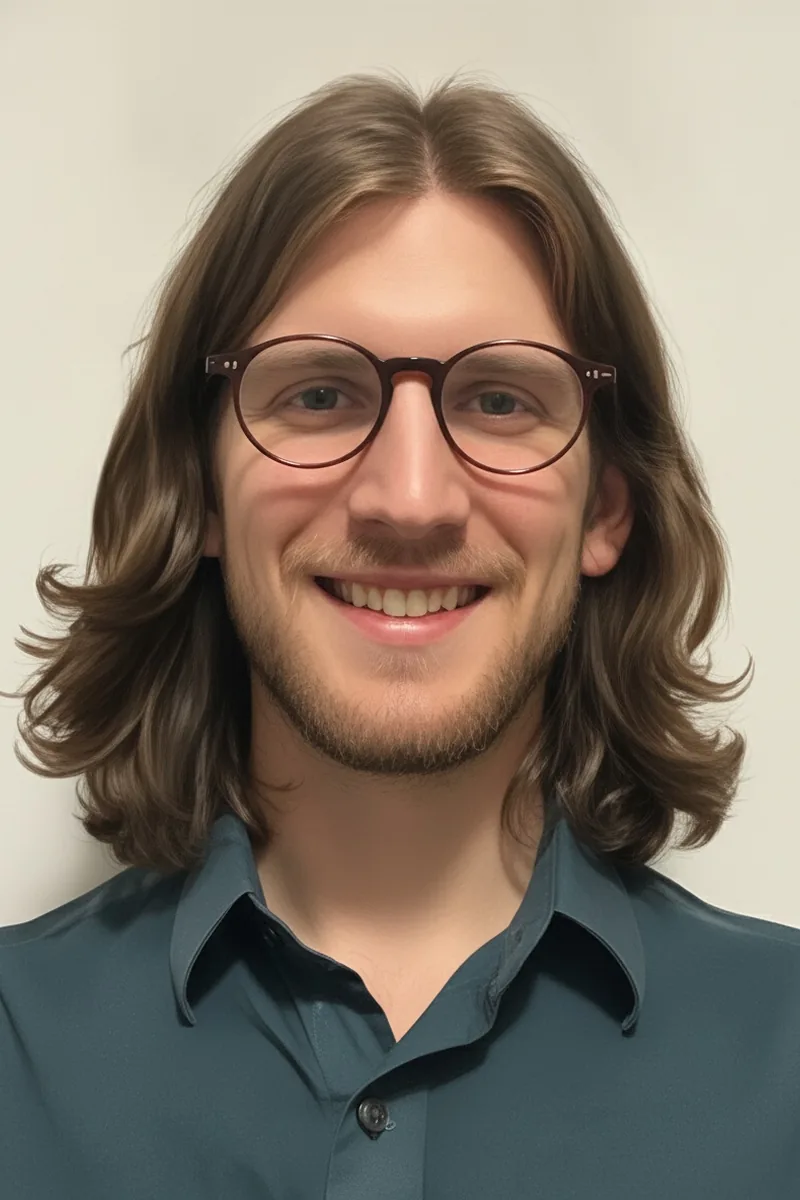
A sociology degree from Wesleyan and a PhD in Education mean Reid reads history the way a sociologist does — tracing how institutions, class structures, and cultural norms shaped the events that textbooks often present as inevitable. That lens is particularly effective for teaching students to write essays that explain social movements, policy shifts, and political upheavals through systemic causes rather than just individual actors. His 32 ACT reflects the kind of analytical reading and argumentation that history coursework consistently rewards.
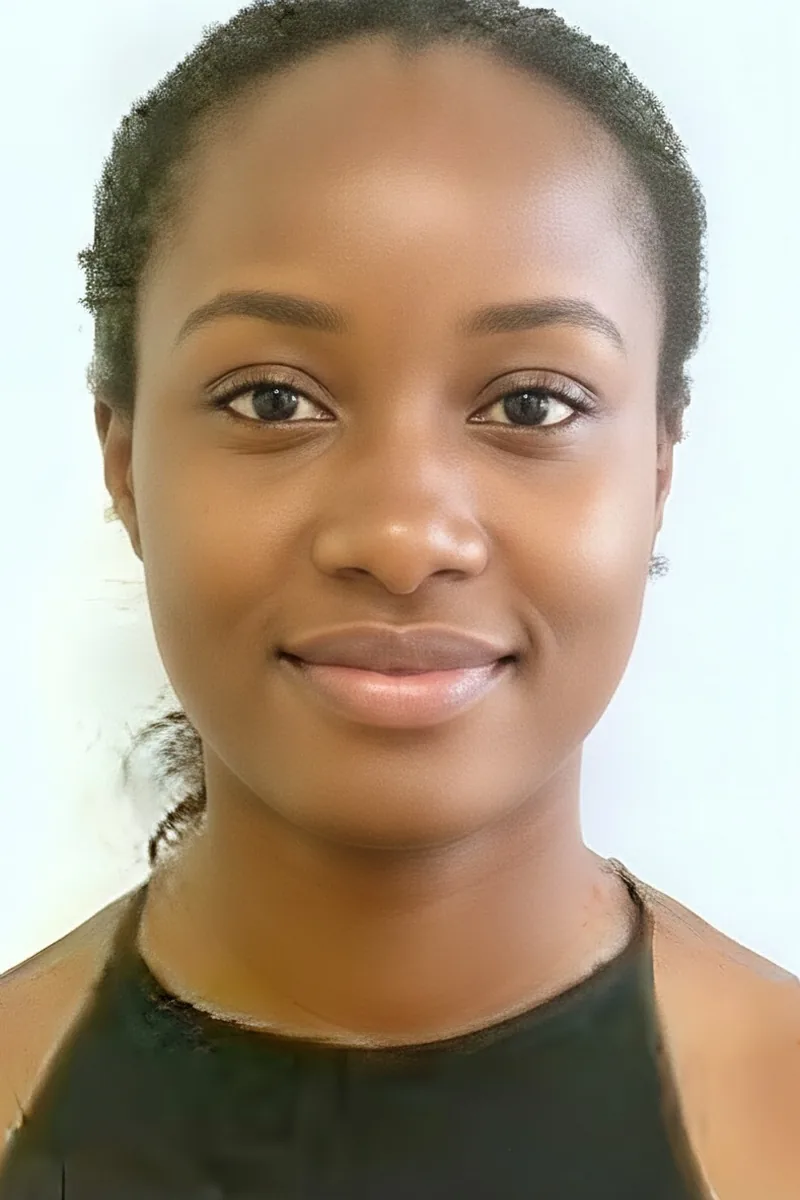
A sociology degree is essentially a history degree with a different question — not just *what* happened, but *why* social structures made it likely. Solange uses that training to teach students how to read primary sources critically, connect events to broader patterns of migration, inequality, or governance, and build arguments that go beyond surface-level timelines. She's especially strong on American social history and modern global movements.
A sociology degree means Daniel sees history through the lens of social structures, movements, and power dynamics rather than just names and dates. He teaches students to analyze primary sources and build cause-and-effect arguments, skills that transfer directly to document-based questions and research essays. His 5.0 rating speaks to how well that analytical approach lands.
Years of reading and writing across genres — Sabira lists books, writing, and art among her core interests — gave her a habit of close reading that pays off when students need to analyze primary sources or craft thesis-driven historical arguments. Her applied math training at Johns Hopkins adds an unexpected edge: she's comfortable with data-heavy history topics like demographic shifts, economic causes of conflict, and interpreting statistical evidence in document-based questions. Rated 5.0 by students.
Philosophy majors at Princeton spend their time doing exactly what history essays require: dismantling arguments, weighing competing interpretations of a text, and defending a thesis against objections. Julie brings that training to historical analysis, particularly when students need to evaluate conflicting primary sources or construct a nuanced argument about causation rather than just summarizing events. Rated 4.9 by students.
Religious studies at Yale means Maya spent years doing exactly what strong history students need to do: reading primary texts from unfamiliar contexts, reconstructing how people in different eras actually understood their world, and building arguments about why belief systems drove political and social change. That training makes her especially sharp on topics where religion and history intertwine — the Reformation, colonial missionary movements, civil rights activism rooted in the Black church. Rated 5.0 by students.
Too many students think history is about memorizing names and dates, then get blindsided when an essay prompt asks them to explain *why* something happened. Rachel, who earned her degree in history, teaches students to trace cause and effect, weigh competing explanations, and use primary sources as evidence rather than decoration. That analytical approach pays off whether the topic is the Roman Republic or the Cold War.
A philosophy background turns out to be surprisingly useful for history — both disciplines require evaluating sources, identifying assumptions, and constructing arguments from evidence. Noah approaches historical topics by teaching students to read primary documents critically and write essays that argue a position rather than just narrate events.
A physics major at Yale learns to ask 'what are the forces acting on this system?' — and Ian brings that same instinct to history, treating events like the French Revolution or the collapse of empires as outcomes of measurable pressures: economic strain, demographic shifts, resource scarcity. That analytical habit gives students a concrete way to structure essay arguments around causes rather than just narrating what happened. His 1550 SAT reflects the kind of close reading and argumentative writing that history coursework rewards.
An interdisciplinary degree in Ethics, Politics, and Economics from Yale trained Allen to read historical events through overlapping lenses — asking how moral arguments, power structures, and material conditions combined to produce outcomes like the New Deal or the Civil Rights Act. That cross-disciplinary instinct is exactly what AP and college-level history essays reward, since the strongest answers weave together political, economic, and ideological causation rather than treating them separately. Rated 5.0 by students.
An American Studies MA is essentially a history degree filtered through culture — Michelle spent her time at Columbia analyzing how race, media, politics, and identity shaped the American experience from the colonial period forward. That training makes her especially strong on U.S. history topics like Reconstruction, the Civil Rights Movement, and immigration policy. She teaches students to read primary sources critically and write arguments that go beyond surface-level summaries.
Philosophy training sharpens a particular skill that transfers directly to history: the ability to reconstruct why people believed what they believed and acted accordingly. Moon applies that lens to everything from Enlightenment political thought to Cold War foreign policy, teaching students to analyze causes and consequences rather than just memorize dates. Rated 5.0 by students.
A degree in Public Policy and American Institutions means Dana didn't just study history — she studied how historical events created the laws, economies, and power structures we live with today. She teaches students to build document-based arguments and trace cause-and-effect chains rather than relying on rote memorization of dates and names.
A Classics degree is essentially a history degree with primary sources in their original languages — Sarah spent her undergraduate years analyzing ancient political systems, social structures, and cultural movements through direct engagement with the texts that documented them. She teaches students to treat history as an argument built from evidence rather than a list of dates, emphasizing how to evaluate sources, identify bias, and construct clear analytical writing about the past.
Economic forces drive most of the history students are tested on — industrialization, colonialism, the Great Depression — and David's economics background gives him a lens that makes these events click. He teaches students to analyze causes and consequences systematically, which translates directly into stronger document-based and essay responses.
Philosophy and history are deeply intertwined — you can't understand the French Revolution without Enlightenment thought, or the Civil Rights Movement without its philosophical underpinnings. Lucas studied philosophy at the undergraduate level and teaches history as a discipline of interpretation, showing students how to evaluate conflicting sources and build arguments rather than just memorize dates.
Violet's education at Phillips Exeter, where classes run on the Harkness discussion method, trained her to treat history as argumentation rather than memorization. She teaches students to read primary sources critically — identifying bias, context, and intent — and to build document-based essays with evidence that actually proves the claim. That discussion-heavy background makes her especially effective for students preparing for AP or essay-driven history courses.
Most STEM students treat history essays like problem sets — dump everything you know and hope something sticks. Manolya, with her MIT math and CS training, flips that instinct into an advantage by teaching students to isolate a thesis and defend it with precisely chosen evidence, the same way you'd structure a proof. Her fluency in French also means she can help students engage directly with European primary sources that lose nuance in translation.
Duncan's social science training at the University of Chicago emphasized reading primary sources critically and constructing evidence-based arguments — skills that transfer directly to historical analysis. He approaches history by teaching students to evaluate cause-and-effect relationships and contextualize events within broader geographic and political patterns, rather than treating the subject as a timeline to memorize.
A semester abroad in Toulouse didn't just sharpen Laura's French — immersion in a country where history is woven into daily life, from medieval city centers to WWII resistance memorials, gave her a tangible feel for how the past shapes the present. She brings that ground-level perspective to teaching students how to contextualize events and build arguments that go beyond surface-level summaries. Rated 5.0 by students.
Neuroscience is fundamentally a history-of-ideas discipline — Anna spent her undergraduate years tracing how theories of the mind evolved from phrenology to fMRI, which built a habit of reading primary sources critically and situating arguments in their historical context. She brings that same analytical reading to history tutoring, teaching students to unpack why ideas gained traction in specific eras and how to build document-based arguments around those shifts. Rated 5.0 by students.
Strong history performance comes down to reading critically and writing persuasively — two skills Ben honed through his Dartmouth English degree. He teaches students to break down primary source documents, identify an author's bias, and build document-based essays with evidence that actually supports the claim rather than just restating it.
The hardest part of studying history isn't remembering facts — it's learning to think historically, evaluating sources for bias, constructing causal arguments, and placing events in broader context. Harry's independent research in India and his educator role at the Rubin Museum of Art gave him practice doing exactly that across multiple cultural traditions. He teaches students to approach primary documents like a detective, asking who wrote it, why, and what it reveals about the world that produced it.
Tameem treats history as an exercise in building arguments from evidence, not memorizing dates and names. His economics training at Cornell sharpened his ability to analyze cause-and-effect relationships across political and social contexts, which he applies to teaching students how to evaluate primary sources and write document-based essays.
Miranda's religious studies degree required deep engagement with historical context — understanding how political power, cultural movements, and intellectual traditions shaped events across civilizations. She approaches history the same way, teaching students to read primary sources critically and build arguments that go beyond summarizing what happened to explaining why it mattered.
Most students struggle with history not because they can't remember dates, but because they haven't learned to read a primary source as an argument with a context and an agenda. Tim's philosophy training built exactly that skill — evaluating claims, identifying assumptions, and constructing evidence-based interpretations. He teaches students to write history essays that analyze rather than narrate.
European history is Alexander's home turf — he earned his BA in it from Johns Hopkins and has spent years since then tutoring AP-level U.S., European, and World History. That depth across multiple historical periods means he can teach students to trace themes like nationalism, revolution, and economic change across centuries rather than treating each unit as isolated material. Rated 4.7 by students.
This isn't Abismael's core discipline, but his approach — finding connections between seemingly unrelated events and pushing students with tough, spontaneous questions — translates well to historical analysis. He teaches students to treat history as a series of cause-and-effect chains rather than isolated dates to memorize.
Too many students treat history as a list of events to memorize when it's really a set of arguments to evaluate. Samantha's anthropology background at Northwestern trained her to examine how societies organize themselves, distribute power, and respond to change — exactly the lens that makes historical analysis click. She teaches students to read sources critically and build evidence-based claims, whether they're writing a research paper or preparing for an exam.
Corey's undergraduate focus on Latin American and Caribbean Studies means he approaches history through the lens of primary sources, cultural context, and competing narratives rather than rote memorization of dates. His time living and working in Nicaragua deepened that perspective, giving him concrete examples to draw on when teaching topics like colonialism, social movements, and U.S.-Latin American relations.
Studying philosophy and German literature at UCLA gave Willow deep experience with the kind of source analysis and argumentative writing that history courses demand. She's particularly strong at teaching students to read primary documents critically — identifying bias, context, and rhetorical purpose — rather than treating them as simple fact sheets. Her approach connects historical events to the broader ideological currents that shaped them.
Strong history students don't just know what happened; they can evaluate conflicting sources and argue why one interpretation holds up better than another. Jeanette unpacks primary documents with students, showing them how to identify bias, context, and purpose before building an evidence-based claim. Her research training at Penn sharpened exactly these skills.
Robert's engineering and economics training at Duke built the exact skill set that translates surprisingly well to history: breaking complex systems into causes and consequences, then arguing a position with evidence. He applies that structured thinking to teaching students how to craft thesis-driven essays and analyze primary documents for perspective and bias. His two years as a DOE teacher means he knows what classroom history assignments actually look like.
Growing up in the NYC public school system taught Rebecca that history clicks when you connect it to the communities and forces students already recognize — immigration waves, urban development, public health crises. Her biological sciences background at Cornell means she naturally links historical events to their material conditions, whether that's analyzing how disease shaped colonial encounters or how food policy drove social movements. Rated 4.8 by students.
Teaching gifted students has given Esteban practice turning historical events into genuine debates — asking why Reconstruction failed or how economic pressures shaped colonial policy, not just drilling dates. His background in writing and reading means he also tackles the document-analysis and essay skills that history courses increasingly demand.
Reading history like a writer means asking whose story got told and whose got left out — that's the lens Katarah brings to document analysis, essay-based questions, and thematic discussions. Her literary training at Brown sharpened her ability to break down primary sources and teach students how to build arguments from evidence rather than summary.
Studying computer science and English at Stanford means Winton spends his days toggling between rigorous logical reasoning and close textual analysis — two skills that converge when a history essay asks you to build an argument from a set of primary documents. He teaches students to read historical sources the way he'd read code: line by line, asking what each piece is actually doing and how it fits into the larger structure. His 1590 SAT reflects the kind of critical reading and writing precision that document-based questions reward.
Earning a bilingual International Baccalaureate diploma in French means Elena studied history through two cultural lenses simultaneously — reading primary sources in their original language and understanding how French and Anglophone historians frame the same events differently. That cross-cultural literacy, paired with her National Merit Scholar–level reading and analytical writing skills, makes her especially effective at teaching students to interpret documents and craft arguments that go beyond surface-level summaries.
A Middlebury history major, Ava knows that the discipline isn't about memorizing dates — it's about reading sources skeptically and constructing arguments from evidence. She teaches students to identify bias in primary documents, trace causation across events, and write the kind of thesis-driven essays that history courses demand.
Mona approaches history as a discipline built on evidence and argument, not just names and dates. Her epidemiology training — which requires tracing how events unfold through populations over time — translates naturally into teaching students to analyze primary sources, identify cause-and-effect chains, and construct well-supported historical claims.
Testimonials
Because the right History tutor makes all the difference.
Average Session Rating – Based on 3.4M Learner Ratings
Other Brooklyn Tutors
Related Social Studies Tutors in Brooklyn
Frequently Asked Questions
Many students struggle with memorizing dates and names without understanding the broader context and significance of historical events. Others find it difficult to analyze primary sources, construct evidence-based arguments, or connect historical themes across different time periods. Personalized tutoring helps students move beyond memorization to develop critical thinking skills, allowing them to see History as a story of cause-and-effect rather than isolated facts.
Brooklyn's 801 schools follow New York State standards for Social Studies, which emphasize historical thinking skills, document analysis, and thematic understanding alongside content knowledge. Varsity Tutors connects you with expert tutors who understand these standards and can tailor instruction to your specific grade level—whether that's elementary state history, middle school world civilizations, or high school AP U.S. History or AP European History. This ensures tutoring directly supports what you're learning in class.
Your tutor will begin by assessing your current understanding of History concepts, identifying specific areas where you need support—whether that's essay writing, document analysis, or exam preparation. They'll learn about your learning style and goals, then create a personalized plan that addresses your challenges while building on your strengths. This foundation ensures every subsequent session is focused and productive.
Yes—essay writing is a core skill in History, and personalized tutoring is particularly effective for developing it. Tutors can help you construct thesis statements, organize evidence from primary and secondary sources, analyze historical arguments, and revise drafts for clarity and persuasiveness. With one-on-one feedback, you'll see measurable improvement in your ability to write analytical essays that go beyond summary to demonstrate historical thinking.
Personalized tutoring allows you to focus on the specific topics and skills your exam will test, whether that's the New York State Regents Exam, AP exams, or classroom assessments. Tutors use practice questions, document analysis drills, and timed essay practice to build both content knowledge and test-taking strategies. This targeted approach is far more efficient than reviewing everything, helping you feel confident and prepared on test day.
Primary source analysis is central to modern History instruction because it teaches you to think like a historian—evaluating evidence, considering perspective, and drawing conclusions from documents rather than relying on textbook summaries. Many students find this challenging at first, but personalized tutoring breaks down the process into manageable steps: identifying the source's context, understanding its purpose, and connecting it to broader historical themes. With practice and feedback, you'll develop confidence in this critical skill.
In a classroom with an 11.7:1 student-teacher ratio, instruction must move at an average pace and address the needs of many learners simultaneously. Personalized tutoring allows your tutor to slow down on concepts you find challenging, accelerate through material you've already mastered, and use teaching methods tailored to how you learn best. This flexibility means you spend your time efficiently, building deep understanding rather than passively listening to lectures.
Varsity Tutors connects you with expert tutors who have strong backgrounds in History—including teachers, graduate students, and subject-matter specialists. Tutors are vetted for their knowledge of History content and their ability to explain complex concepts clearly. Whether you need help with U.S. History, World History, or AP-level courses, you'll get matched with someone qualified to support your specific needs and goals.
Let’s find your perfect tutor
Answer a few quick questions. We’ll recommend the right plan and match you with a top 5% tutor.