Award-Winning Biostatistics Tutors
serving Bronx, NY
Biostatistics
Tutors in Bronx
Private 1-on-1 tutoring, weekly live classes for academic support, test prep & enrichment, practice tests and diagnostics, and more to elevate grades and test scores.
Based on 3.4M Learner Ratings
UniversitiesSchools & Universities
DeliveredHours Delivered
ProficiencyGrowth in Proficiency
Who needs tutoring?
No obligation. Takes ~1 minute.

Nina is finishing a doctorate in biostatistics at NYU after completing her master's at Columbia, which means she lives and breathes this subject — logistic regression for clinical outcomes, survival curves, study design for epidemiological research. She was a teaching assistant in Columbia's biostatistics department and brings that classroom-tested ability to unpack dense material into clear, structured explanations. If you're wrestling with SAS output or trying to interpret an odds ratio for a thesis, she's been there recently.
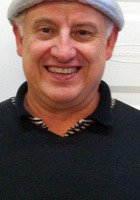
Wall Street research demands a kind of statistical fluency that translates surprisingly well to biostatistics — Frank spent years dissecting datasets, evaluating risk models, and stress-testing assumptions before pivoting to teaching statistics at both the AP and college level. He breaks down concepts like hypothesis testing, probability distributions, and regression by emphasizing the logic behind choosing a method, drawing on the same analytical rigor he applied to financial research. His MBA and quantitative background give him a practical, numbers-first approach that cuts through the abstraction many students struggle with.
I am and have always been committed to education and helping students in any way I can to achieve their academic goals.
Graduate coursework in Health Services Administration means Alan regularly encounters the statistical side of healthcare — interpreting study outcomes, evaluating public health data, and understanding how measures like relative risk and confidence intervals shape administrative decisions. His biology degree gives him the scientific literacy to contextualize the datasets, while his 5.0 rating speaks to how clearly he breaks down concepts like hypothesis testing and descriptive statistics for students who find the quantitative side intimidating.
Sima's Master of Science in Epidemiology with a concentration in Biostatistics means she doesn't just teach survival analysis, regression modeling, and study design — she uses them daily in her cancer research at Mount Sinai. She walks students through everything from interpreting p-values to building multivariate models, grounding each concept in real epidemiological datasets.
Three years teaching high school biology in New Jersey meant Sasha was constantly designing assessments and interpreting student performance data — skills that map directly onto biostatistics concepts like distributions, variability, and drawing valid inferences from samples. Her master's in science education and undergraduate biology training give her a dual grasp of both the life science context behind biological datasets and the statistical reasoning needed to analyze them. She breaks down topics like chi-square tests and descriptive statistics by rooting them in the kinds of biological questions that make the math feel purposeful.
Elliot's PhD in neuroscience meant wrestling with the kinds of biological datasets where choosing the wrong statistical test can invalidate years of research — from analyzing neural firing rates with repeated-measures designs to modeling dose-response curves with logistic regression. That firsthand experience with experimental data makes him especially sharp at teaching concepts like power analysis, ANOVA, and survival analysis, because he's had to defend those choices in his own published work. Rated 5.0 by students.
Ritu's biology degree means she's spent time with the kinds of datasets where understanding variance, sample distributions, and test selection actually determines whether a research conclusion holds up. She teaches concepts like measures of central tendency, probability, and chi-square analysis by walking through the biological scenarios that make each method necessary — not just the formulas. Rated 5.0 by students.
Studying biology at Duke while conducting field research on Hawaiian monk seals meant Emma had to grapple with real ecological datasets — the kind where choosing between a t-test and a Mann-Whitney U actually changes your conclusions. That hands-on experience with biological data analysis, paired with her 4.9 rating from students, makes her especially effective at teaching the statistical reasoning behind study design and data interpretation.
Graduate coursework in global health and population at Harvard means Sarah's biostatistics training is rooted in real epidemiological research — calculating measures of association, building regression models, and interpreting results in the context of population-level health questions. Her undergraduate biology degree adds fluency with the scientific reasoning behind study design, so she can unpack why a particular statistical test fits a given dataset rather than just drilling the formula. Rated 5.0 by students.
Biomedical engineering coursework generates a constant stream of statistical problems — analyzing device performance data, interpreting clinical trial outcomes, modeling biological variability. Khushal tackles biostatistics from that engineering angle, breaking down hypothesis testing, probability distributions, and regression by connecting each method to the quantitative demands of his own BME program. Rated 5.0 by students.
Ingrid's biomedical engineering coursework at Northwestern — including undergraduate research in the John Rogers Lab — gave her hands-on experience designing experiments and interpreting the statistical methods that underpin clinical and biological research. She breaks down concepts like survival analysis, logistic regression, and confidence intervals by tying them to real biomedical datasets rather than abstract formulas.
A biology and history double major with a 1580 SAT might seem like an unusual biostatistics tutor, but Rachel's biology training means she's worked through the core statistical methods — descriptive statistics, probability, and study design — that underpin biological research. She breaks down concepts like p-values and confidence intervals by connecting them to the biological experiments that generate the data in the first place.
Kimanthi's biomedical engineering training at Duke meant designing experiments that demanded careful statistical thinking — selecting appropriate tests, calculating power, and interpreting results from biological datasets. Now in medical school, she teaches biostatistics concepts like hypothesis testing and regression by grounding them in the clinical and laboratory scenarios where they actually come up. Rated 5.0 by students.
Running a program that teaches elementary school girls math and science means Kara regularly translates quantitative concepts for audiences who need clarity over jargon — a skill that carries directly into breaking down biostatistics topics like descriptive measures, basic probability, and interpreting study results. Her biology coursework on the pre-med track at UVA, combined with her public health studies, gives her familiarity with the kinds of epidemiological data and research designs that biostatistics problems are built around.
Sitting at the intersection of biology and statistics, biostatistics trips up students who are strong in one field but shaky in the other. Pallavi's dual background — a master's in biology plus a BS in economics with a policy concentration — means she's fluent in both experimental design and the quantitative methods (regression, survival analysis, hypothesis testing) that make sense of biological data.
Biology coursework generates the kind of data — population counts, gene expression levels, epidemiological surveys — where understanding which statistical test to run matters as much as understanding the biology itself. Ade's biology degree means he teaches concepts like probability distributions, measures of central tendency, and hypothesis testing by starting from the biological question rather than the formula sheet, so the reasoning behind each method clicks before the calculations begin.
Psychology research lives and dies by statistics — every study Katelyn encountered during her degree required interpreting effect sizes, understanding when to apply a chi-square test, and evaluating whether a sample actually supports a paper's claims. That training in research methods translates directly to biostatistics concepts like probability, measures of central tendency, and hypothesis testing, especially for students who need the statistical logic explained through behavioral and health science examples rather than pure math.
Testimonials
Because the right Biostatistics tutor makes all the difference.
Average Session Rating – Based on 3.4M Learner Ratings
Nearby Biostatistics Tutors
Other Bronx Tutors
Related Science Tutors in Bronx
Frequently Asked Questions
Biostatistics applies statistical methods to biological and health sciences data—from clinical trials to epidemiology to genetics research. It's essential for anyone pursuing careers in medicine, public health, pharmaceutical research, or healthcare analytics. Understanding biostatistics means learning to design studies, analyze data critically, and draw valid conclusions from evidence, which are skills employers and graduate programs highly value.
Students often struggle with the conceptual leap from basic statistics to applying it in biological contexts—understanding when to use specific tests, interpreting p-values correctly, and designing appropriate study protocols. Many also find the mathematical foundations (probability, distributions, hypothesis testing) abstract until they see real-world applications. Word problems involving study design and data interpretation can feel overwhelming without guidance on breaking them into manageable steps.
Personalized 1-on-1 instruction lets tutors work at your pace, identifying exactly where conceptual gaps exist—whether that's understanding study design, mastering statistical tests, or interpreting results. Tutors can connect abstract statistical concepts to real biological examples, help you develop problem-solving strategies for complex questions, and build your confidence by showing how patterns in biostatistics apply across different scenarios. This focused approach is far more effective than general classroom instruction for mastering a technical subject.
Your first session is about understanding your specific needs—whether you're preparing for an exam, working through a challenging course unit, or building foundational knowledge. The tutor will assess your current understanding of key concepts, identify areas where you need support, and learn about your learning style. Together, you'll create a personalized plan that targets your goals, whether that's mastering hypothesis testing, understanding regression analysis, or improving your ability to interpret research papers.
Yes. Biostatistics courses vary depending on your program—some emphasize computational methods and software (R, SAS, Python), others focus on theoretical foundations, and many blend both. Tutors can adapt to your specific textbook, course curriculum, and instructor's approach. Whether you're in an undergraduate introductory course, a graduate biostatistics program, or a specialized public health track, Varsity Tutors connects you with tutors experienced in your particular course structure and learning objectives.
Biostatistics requires clear reasoning—explaining why you chose a particular test, how you interpreted results, and what assumptions you made. Tutors help you develop this skill by walking through problems step-by-step, asking you to articulate your thinking, and giving feedback on how to communicate statistical reasoning clearly. This practice is invaluable for exams, lab reports, and research projects where demonstrating your understanding matters as much as getting the right answer.
Absolutely. Math anxiety is common, especially in statistics, but personalized tutoring builds confidence by breaking complex topics into manageable pieces and celebrating progress along the way. Tutors help you see that biostatistics is about logic and problem-solving, not memorization—once you understand the concepts, the math becomes a tool for answering real questions. Many students find that working through problems with a supportive tutor transforms their relationship with the subject.
Varsity Tutors connects you with expert tutors who specialize in biostatistics and understand the specific challenges of your course. Tell us about your goals, timeline, and learning style, and we'll match you with a tutor experienced in your curriculum. Whether you need help preparing for an exam, working through a semester-long course, or mastering a specific topic, you'll get personalized instruction tailored to your needs.
Let’s find your perfect tutor
Answer a few quick questions. We’ll recommend the right plan and match you with a top 5% tutor.