Award-Winning Biostatistics Tutors
serving Rochester, NY
Biostatistics
Tutors in Rochester
Private 1-on-1 tutoring, weekly live classes for academic support, test prep & enrichment, practice tests and diagnostics, and more to elevate grades and test scores.
Based on 3.4M Learner Ratings
UniversitiesSchools & Universities
DeliveredHours Delivered
ProficiencyGrowth in Proficiency
Who needs tutoring?
No obligation. Takes ~1 minute.
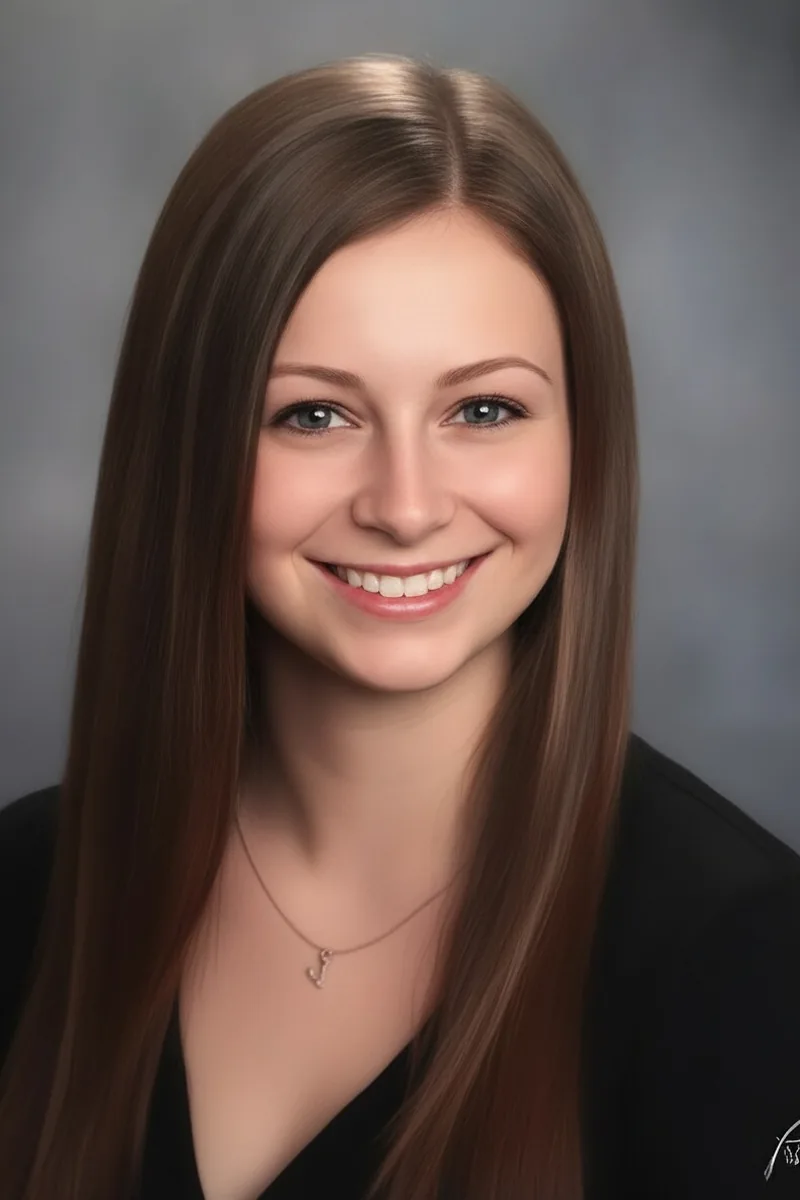
Nina is finishing a doctorate in biostatistics at NYU after completing her master's at Columbia, which means she lives and breathes this subject — logistic regression for clinical outcomes, survival curves, study design for epidemiological research. She was a teaching assistant in Columbia's biostatistics department and brings that classroom-tested ability to unpack dense material into clear, structured explanations. If you're wrestling with SAS output or trying to interpret an odds ratio for a thesis, she's been there recently.
Wall Street research demands a kind of statistical fluency that translates surprisingly well to biostatistics — Frank spent years dissecting datasets, evaluating risk models, and stress-testing assumptions before pivoting to teaching statistics at both the AP and college level. He breaks down concepts like hypothesis testing, probability distributions, and regression by emphasizing the logic behind choosing a method, drawing on the same analytical rigor he applied to financial research. His MBA and quantitative background give him a practical, numbers-first approach that cuts through the abstraction many students struggle with.
Graduate coursework in Health Services Administration means Alan regularly encounters the statistical side of healthcare — interpreting study outcomes, evaluating public health data, and understanding how measures like relative risk and confidence intervals shape administrative decisions. His biology degree gives him the scientific literacy to contextualize the datasets, while his 5.0 rating speaks to how clearly he breaks down concepts like hypothesis testing and descriptive statistics for students who find the quantitative side intimidating.
I am and have always been committed to education and helping students in any way I can to achieve their academic goals.
Sima's Master of Science in Epidemiology with a concentration in Biostatistics means she doesn't just teach survival analysis, regression modeling, and study design — she uses them daily in her cancer research at Mount Sinai. She walks students through everything from interpreting p-values to building multivariate models, grounding each concept in real epidemiological datasets.
Three years teaching high school biology in New Jersey meant Sasha was constantly designing assessments and interpreting student performance data — skills that map directly onto biostatistics concepts like distributions, variability, and drawing valid inferences from samples. Her master's in science education and undergraduate biology training give her a dual grasp of both the life science context behind biological datasets and the statistical reasoning needed to analyze them. She breaks down topics like chi-square tests and descriptive statistics by rooting them in the kinds of biological questions that make the math feel purposeful.
Elliot's PhD in neuroscience meant wrestling with the kinds of biological datasets where choosing the wrong statistical test can invalidate years of research — from analyzing neural firing rates with repeated-measures designs to modeling dose-response curves with logistic regression. That firsthand experience with experimental data makes him especially sharp at teaching concepts like power analysis, ANOVA, and survival analysis, because he's had to defend those choices in his own published work. Rated 5.0 by students.
As a teaching assistant for a graduate-level biostatistics and R programming course at Nova Southeastern University, Tyler has walked students through everything from ANOVA designs to logistic regression in biological contexts. His own master's research on marine fish ecology keeps him actively using these methods — running power analyses, interpreting p-values, and building statistical models from messy field data.
Irene's PhD in Mathematics and Computer Science means she approaches biostatistics from the pure quantitative side — probability theory, distributions, and the mathematical proofs underlying tests like ANOVA and chi-square that most biology-focused instructors skip over. For students who struggle less with the clinical context and more with the math itself, that depth is exactly what closes the gap. Rated 4.9 by students.
Biochemistry and molecular biology coursework means Aditya is constantly reading papers packed with survival curves, p-values, and confidence intervals — the kind of statistical literacy that comes from needing it to understand his own field, not just passing an exam. He breaks down concepts like probability distributions and measures of central tendency by walking through the biological data they're actually applied to, so the formulas feel purposeful rather than abstract.
Earning her Master of Science in Global Health from Duke meant Andria lived inside biostatistics — designing studies, running regression analyses, and interpreting p-values in the context of real epidemiological data. She unpacks concepts like confidence intervals, odds ratios, and survival analysis by grounding them in the public health questions they're built to answer.
Currently pursuing a graduate degree in statistics while holding a sociology background, Evan knows how to bridge the gap between raw quantitative methods and the population-level questions that drive biostatistics — things like interpreting odds ratios, building regression models, or deciding when a nonparametric test makes more sense than a parametric one. His sociology training means he's worked with survey data and demographic datasets where sloppy statistical reasoning leads to misleading conclusions. Rated 5.0 by students.
Matthew's Master's in Educational Measurement and Statistics at USF means he's not just familiar with biostatistics methods — he's studying the theory behind how statistical tests are constructed and validated, which gives him unusual depth when explaining concepts like power analysis, effect sizes, and the assumptions underlying common tests. His psychology background adds a second layer: he learned biostatistics the way most students encounter it, applied to human subjects research with messy behavioral data. Rated 4.8 by students.
Statistical thinking doesn't come naturally to most biology students, which is exactly where biostatistics courses lose people. Mike tackles concepts like odds ratios, survival analysis, and hypothesis testing by grounding each method in the clinical research context where it actually gets used — an approach shaped by his medical training at Rutgers.
Between a neuroscience bachelor's, a biotechnology master's, and current medical training, Rithi has run into biostatistics from every angle — analyzing neural data in research, evaluating clinical study designs, and interpreting the kind of messy biological datasets where a wrong assumption about normality can derail an entire analysis. She breaks down concepts like survival curves, relative risk calculations, and test selection by walking through the actual research scenarios that make each method necessary. Rated 4.9 by students.
I am also interested in tutoring college students preparing for the GRE general test. For test preparation, I assign a decent amount of homework each week and I spend the majority of my sessions going over the questions my students answer incorrectly.
Courage's training sits at an unusual intersection — dual bachelor's degrees in computer science and biological/physical sciences, plus a master's in environmental science — which means he's worked with biological datasets from both the programming and the scientific sides. That crossover makes him especially sharp at teaching concepts like data distributions, hypothesis testing, and regression analysis using tools like Python and SQL, bridging the gap between understanding the biology behind a study and actually crunching the numbers.
Biomedical engineering coursework generates a constant stream of statistical problems — analyzing device performance data, interpreting clinical trial outcomes, modeling biological variability. Khushal tackles biostatistics from that engineering angle, breaking down hypothesis testing, probability distributions, and regression by connecting each method to the quantitative demands of his own BME program. Rated 5.0 by students.
Testimonials
Because the right Biostatistics tutor makes all the difference.
Average Session Rating – Based on 3.4M Learner Ratings
Nearby Biostatistics Tutors
Other Rochester Tutors
Related Science Tutors in Rochester
Frequently Asked Questions
Biostatistics applies statistical methods to biological and medical data—from analyzing clinical trials to understanding disease patterns in populations. For students in Rochester pursuing healthcare, biology, public health, or pharmaceutical careers, biostatistics is essential because it teaches you how to interpret research, make evidence-based decisions, and communicate findings with confidence. Strong biostatistics skills open doors to competitive undergraduate and graduate programs, especially at research-focused institutions.
Students often struggle with translating real-world biological problems into statistical models, interpreting p-values and confidence intervals correctly, and understanding when to use specific tests (t-tests, ANOVA, chi-square, etc.). Many also find the conceptual leap from basic statistics to biostatistics challenging—it's not just about calculations, but understanding *why* certain methods apply to certain data. Personalized 1-on-1 instruction helps you move beyond memorizing formulas to seeing the logic behind each statistical approach.
During your first session, a tutor will assess your current understanding of foundational statistics concepts, identify specific areas where you're losing confidence (hypothesis testing, study design, data interpretation), and learn about your course requirements or exam goals. This helps create a personalized learning plan that builds on your strengths and targets your exact pain points, whether that's mastering software like R or SAS, understanding experimental design, or preparing for the AP Statistics exam or college-level biostatistics coursework.
Expert tutors connect abstract statistical concepts to real biological examples—showing you *why* a particular test works for a specific research question rather than just when to apply it. They help you see patterns across different methods, work through problems step-by-step while explaining the reasoning, and encourage you to predict outcomes before calculating them. This conceptual foundation makes biostatistics less intimidating and helps you apply knowledge to new, unfamiliar problems on exams and in research.
Yes—many tutors work with students on statistical software, helping you understand not just the commands but the underlying concepts behind what the software is doing. Whether you're learning R for a college course, using SPSS for a research project, or preparing for professional biostatistics work, personalized instruction helps you move past syntax errors to confidently interpreting output and troubleshooting your own code. Software proficiency combined with conceptual understanding makes you job-ready and exam-ready.
Study design determines which statistical methods are appropriate—confusing observational studies with randomized controlled trials, or misunderstanding sampling methods, can lead to completely wrong conclusions. Tutors help you critically evaluate research studies, design sound experiments, and choose the right statistical approach based on your data structure and research question. This skill is crucial for success in advanced biology, pre-med coursework, and any healthcare or research career.
Personalized tutoring focuses on your specific exam format and content—whether that's AP Statistics, college-level biostatistics, or graduate entrance exams. Tutors help you practice interpreting graphs and data, work through multi-step problems with clear reasoning, build speed and accuracy, and identify your most common mistakes. With targeted practice and conceptual review, students typically gain confidence in their ability to tackle unfamiliar problems and communicate statistical reasoning clearly.
Varsity Tutors connects you with expert tutors who specialize in biostatistics and understand the specific challenges students face. Simply tell us about your goals—whether you're working through a college course, preparing for an exam, or building research skills—and we'll match you with a tutor who fits your learning style and schedule. Your first session is a chance to build a personalized plan and start making real progress right away.
Let’s find your perfect tutor
Answer a few quick questions. We’ll recommend the right plan and match you with a top 5% tutor.